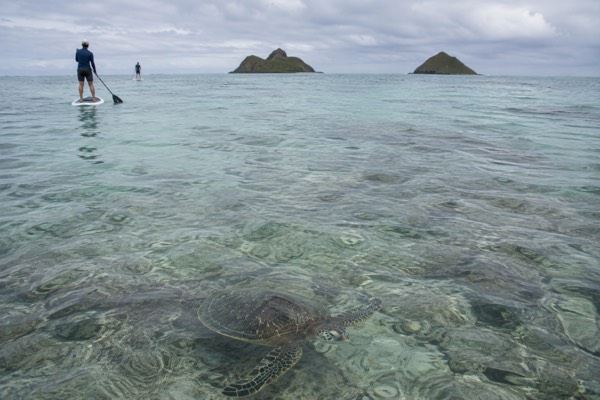
Best Beaches On Oahu: Which Shore Fits Your Trip
Oahu's beaches differ sharply by shore: the south stays calm in summer, the north goes huge in winter, the east trades blows all year and the west runs quiet. Here is how to match the right beach to the right day.
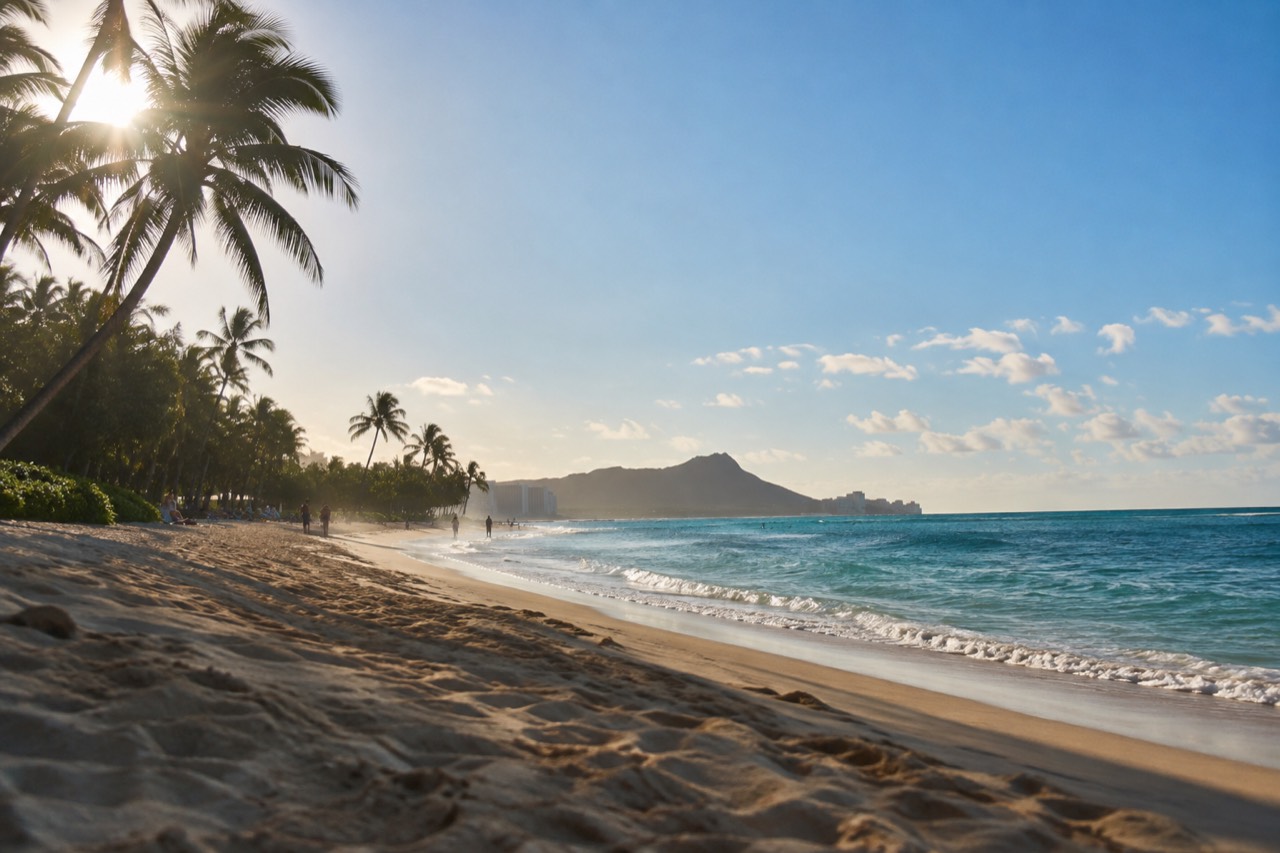
Short answer
The best beach on Oahu depends on the shore and the season: Waikiki and Ala Moana for calm swimming, Hanauma Bay for snorkeling, the North Shore for winter surf watching and summer swimming, and Lanikai and Kailua for turquoise water on the windward side.
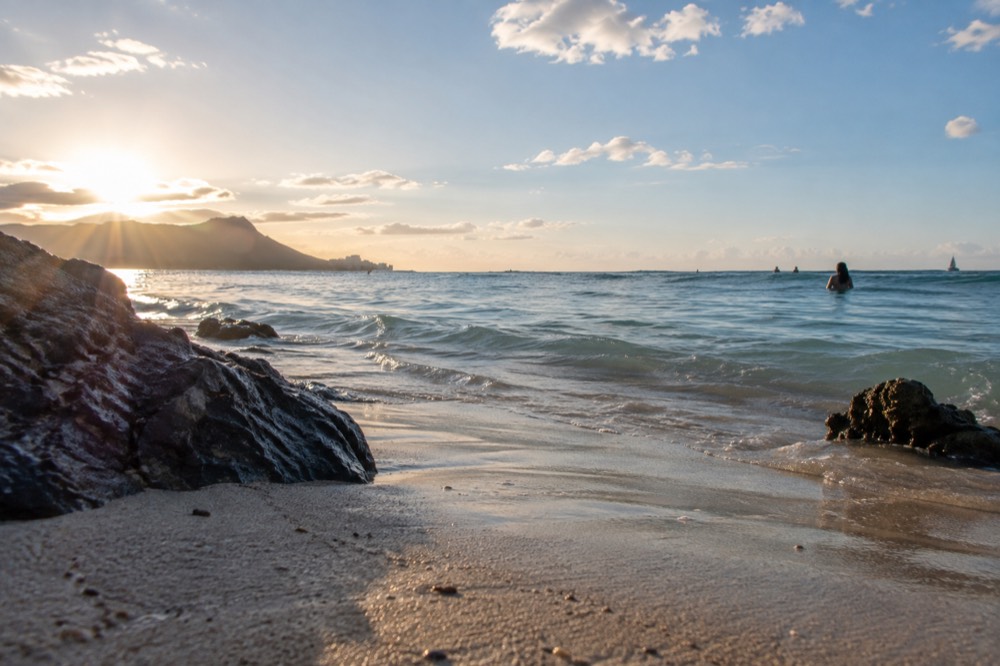
Oahu ran a surf forecast on 10 September 2026 that read like a riddle: the south shore was running four to six feet while the north shore sat at one to three. The island's coasts are out of phase with each other, so "best beach" is a question about which shore, on which day, for which activity. This guide works through that logic shore by shore, using verified reservation rules, water temperatures recorded at Honolulu Harbor, and the seasonal patterns the National Weather Service publishes for each facing coast.
The short version: swim and learn to surf on the south shore, snorkel at Hanauma Bay or Turtle Canyon, save the North Shore for winter wave-watching or summer swimming, and head windward for the turquoise postcard water at Kailua and Lanikai. The rest of this page explains when, why and what each of those choices costs you in planning effort.
What Are The Best Beaches On Oahu Overall?
The strongest all-around picks are Waikiki Beach and Ala Moana Beach Park on the south shore for swimming and beginner surfing, Hanauma Bay Nature Preserve for snorkeling, Kailua Beach Park and Lanikai on the windward side for turquoise water, and Waimea Bay and Sunset Beach on the North Shore for winter surf and summer swimming. Each earns its place for a different reason, and the right one for you depends on season and activity rather than rank.
Rankings mislead on an island where the same beach is gentle in June and dangerous in January. Waimea Bay, flat enough to swim in summer, carries the winter surf the North Shore is famous for. So the honest way to organize Oahu's beaches is by what you want to do in the water, and by which shore is behaving that week.
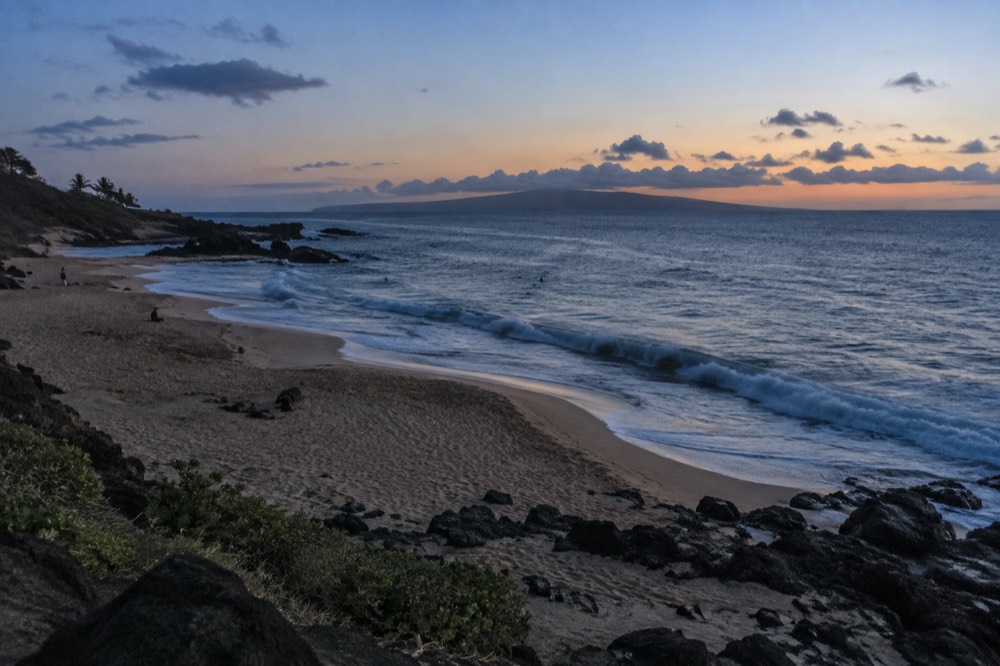
A quick orientation table, then the details:
| Beach | Shore | Best for | Watch out for |
|---|---|---|---|
| Waikiki Beach | South | First surf lesson, calm swimming, walkability | Crowds, some sections busier than others |
| Ala Moana Beach Park | South | Families, flat water, picnics | Weekend parking fills early |
| Hanauma Bay | South-east | Snorkeling over coral | Closed Mondays and Tuesdays; reservation required |
| Kailua Beach Park | Windward | Kayaking, wide sand, bodysurfing | Afternoon trade winds |
| Lanikai | Windward | The turquoise postcard view | Very limited parking on residential streets |
| Waimea Bay | North | Winter surf watching, summer swimming | Big winter surf, powerful shorebreak |
| Waimanalo Beach | Windward | Long quiet sand, bodyboarding | Fewer facilities than Kailua |
For a full island plan built around these, our Things to Do in Oahu page puts them in itinerary order, and the Oahu ocean safety guide covers the hazards table above in real depth.
Which Side Of Oahu Has The Best Beaches?
The south shore is the most reliable for visitors: it faces away from the winter swells, stays swimmable most of the year and holds Waikiki, Ala Moana and the Hanauma Bay snorkeling. The windward east coast has the prettiest water color at Kailua, Lanikai and Waimanalo. The north shore is seasonal, world-class in both directions, and the leeward west side is the quietest, with long hot beaches and fewer services.
The National Weather Service publishes its Oahu surf forecast by shore aspect, north, west, south and east facing, because the four coasts genuinely run out of phase. North-facing shores peak in winter, south-facing shores peak in summer, and on a September morning the south shore can be running larger surf than the north, the exact inversion of the January pattern.
| Shore | Calmest season | Rough season | Character |
|---|---|---|---|
| South (Waikiki, Ala Moana) | Roughly October to April | Summer south swells | Most protected in winter, busiest year-round |
| North (Waimea, Sunset, Haleʻiwa) | Summer | Winter | Winter surf capital, summer swimming holes |
| East / windward (Kailua, Lanikai, Waimanalo) | Varies day to day | Trade-wind chop | Turquoise water, onshore breezes |
| West / leeward (Waiʻanae coast, Ko Olina) | Often calm | Occasional west swell | Hottest and driest, fewest crowds |
That seasonality is why locals check the forecast for a specific facing shore rather than for "Oahu". A beach that was perfect yesterday on the south side may be closed out today while the north shore is glassy.
If your beach day is really a water-sports day, three booked experiences cover the calm-water side of the island well:
Each of those puts you in the water with a guide instead of leaving you to guess conditions, which matters more on Oahu than on most islands because the coasts trade places seasonally. A guide also knows which site is working that morning, so the decision you would otherwise make from a forecast gets made by someone who reads one every day for a living.
Where Is The Best Snorkeling Beach On Oahu?
Hanauma Bay Nature Preserve is the island's signature snorkeling beach, a flooded volcanic crater with a reef directly off the sand, but it is closed Mondays and Tuesdays, requires a reservation for non-residents that opens only two days ahead at 7:00 a.m. HST, and costs $25 per non-resident adult plus a service fee. Turtle Canyon off Waikiki is the easier alternative, reached by boat with a turtle sighting guarantee.
Hanauma Bay's rules trip up a lot of visitors, so they are worth stating plainly. Entry is allowed from 6:45 a.m. to 1:30 p.m. and everyone is out by 4 p.m. Hawaii residents enter free without a reservation on presentation of a Hawaii ID, US military and dependents likewise, and children 12 and under are free. Parking is a few dollars, cash only, and the lot is small relative to demand. The reservation system is the part to plan around: slots open two days ahead at 7:00 a.m. Hawaii time, phrased by the city as "Monday at 7 a.m. HST you can begin reserving a time slot for Wednesday."
The bay closes entirely on Mondays and Tuesdays, plus Christmas and New Year's Day. Our Hanauma Bay Nature Preserve guide walks the whole booking sequence, and the best snorkeling spots on Oahu guide covers the shore-snorkeling alternatives around the island.
The boat alternative deserves its own paragraph. The Turtle Canyon snorkel runs from Waikiki with a guide, gear included, and a guarantee that you see turtles, which no beach can promise. You can check availability on the operator's live listing. For many visitors, two hours on the water beats a 7 a.m. reservation scramble, and the reef fish at the canyon site are genuinely good. The boat also handles the logistics that shore snorkeling leaves to you: fins, mask, safety briefing and a known-good site, all bundled into a single departure from the beach you are probably already sitting on.
Prefer a guided swim with turtles? Book a guided turtle snorkel tour here.
Which Oahu Beaches Are Best For Families And Beginners?
Ala Moana Beach Park is the best family beach on the south shore, shallow and shielded by a reef fringing line, with lawns, shade and lifeguards. On the windward side, Kailua Beach Park offers wide sand and steady but manageable water. Waikiki itself is where beginner surfing happens, with a sand bottom, gentle rolling waves and the highest concentration of instructors on the island.
Ala Moana is the beach locals send families to, and its details are in our Ala Moana Beach Park guide. The water stays waist-deep for a long way out, the park behind the sand has picnic tables and restrooms, and the whole thing sits minutes from a major shopping center if someone in the party melts down.
Waikiki's surf scene is the other family-friendly institution. The waves there are small, slow and consistent, which is exactly what a first-timer needs, and a two-hour group lesson with an instructor is the standard entry point.
A group lesson keeps the price down and the ratio sensible, and Waikiki's conditions forgive everything a beginner does wrong. Check the surf lessons on Oahu guide for how the options compare.
When Is The Best Time Of Year For Oahu Beaches?
Water temperature barely matters on Oahu: monthly means recorded at Honolulu Harbor ran from about 78°F in winter to 82.7°F in August, a range small enough that swimming is comfortable year-round. The real seasonal variable is surf, with north shores peaking in winter and south shores in summer, plus a humpback whale season that runs November through April and adds a reason to be on or near the water in winter.
The temperature figures come from a NOAA station inside Honolulu Harbor, so they run slightly warm against open water off Waikīkī, but the shape of the year is right: the ocean is warmest in late summer and never genuinely cold.
| Month | Mean water temp (Honolulu Harbor) | Month | Mean water temp |
|---|---|---|---|
| January | 78.2°F | July | 81.3°F |
| February | 78.0°F | August | 82.7°F |
| March | 78.2°F | September | 82.4°F |
| April | 79.3°F | October | 82.5°F |
| May | 79.7°F | November | 81.2°F |
| June | 80.6°F | December | 80.4°F |
Day length matters more than visitors expect. Oahu sits in the tropics, so sunset never gets later than about 7:17 p.m., and midwinter days run roughly two and a half hours shorter than midsummer ones. There are no long northern-latitude summer evenings here; plan beach time accordingly, especially in December when the light goes before 6 p.m.
Winter brings the humpbacks. The Hawaiian Islands Humpback Whale National Marine Sanctuary states that from November through April, visitors can see whales from shore and at sea, and keeping 100 yards from humpbacks is law, not advice. A winter beach day on the north or west shore can include whales breaching offshore without a boat ticket.
What About Rain, Parking And Crowds At Oahu Beaches?
Rain on Oahu is a question of where you are standing, not whether it is raining: Honolulu Airport records an annual normal of 16.41 inches while the Lyon Arboretum in Mānoa, five miles inland from Waikiki, records 150.96 inches, and every month in Mānoa is wetter than the airport's wettest. A beach day is therefore very rarely rained out island-wide, because the leeward south shore is one of the driest places in the state.
So when the morning looks grey over Kailua, the Waikiki side is very often in full sun, and a short drive changes the weather completely. Do not cancel a beach day on one forecast for one part of the island.
Parking is the harder constraint. Lanikai in particular has no easy answer: it is a residential neighborhood with restricted street parking, and the practical approach is to park at Kailua Beach Park and walk. The Lanikai Beach guide and the Oahu parking guide cover the current rules. On any weekend at any popular beach, arriving before mid-morning is the difference between a spot and a circle of frustration.
Crowds follow the cruise and visitor calendar. Oahu recorded about 5.68 million visitors by air in 2025, and most of them, in any given month, visit Oahu only rather than island-hopping, which concentrates everyone on the same famous sand. Weekday mornings are the quiet window almost everywhere.
How Do You Respect Wildlife At Oahu Beaches?
Keep 100 yards from humpback whales and 50 yards from Hawaiian spinner dolphins; those two distances are federal law. The commonly quoted 50 feet from monk seals and 10 feet from green sea turtles are guidelines rather than statutory distances, but harassing, touching or pursuing any of these animals is illegal regardless. The safest habit is to give every animal the space a stranger deserves and let it decide whether to approach you.
The distinction matters because a lot of content flattens it. Whales and dolphins carry enforceable approach rules. Seals and turtles are protected by laws against take and harassment, and Hawaii law treats harming a monk seal as a felony, but the foot distances you read online are recommended practice, not statutes. Our Laniakea Beach (Turtle Beach) guide covers the practical side of seeing honu responsibly from the sand.
| Animal | Distance | Status | Practical meaning |
|---|---|---|---|
| Humpback whale | 100 yards | Law | Boats and swimmers must stay back; no swimming toward whales |
| Hawaiian spinner dolphin | 50 yards | Law | Swimming with or approaching them is prohibited |
| Hawaiian monk seal | 50 ft (150 ft for mother and pup) | Guideline | Harassment is illegal; give resting seals the whole beach |
| Green sea turtle (honu) | 10 ft | Guideline | Do not touch, chase or block a surfacing turtle |
Two beach-specific rules complete the picture. Removing sand, coral or rocks from the shoreline is prohibited by state law, so the black sand vial stays empty. And drones are prohibited in Hawaii state parks without a written permit, so the aerial shot of your beach day is not a thing to plan on.
Which Oahu Beach Should You Actually Choose?
Choose by activity first and scenery second: Waikiki or Ala Moana for a guaranteed easy swim, Hanauma Bay or a Turtle Canyon boat for snorkeling, Kailua or Lanikai for the calendar-photo water, and the North Shore in winter for watching the world's most famous surf break from the sand. Book the two things that need booking, the Hanauma Bay reservation and any guided water activity, and let the rest of the week flex with the surf forecast.
That order of operations solves most Oahu beach stress. The reservation-dependent plans get locked in first, the forecast-dependent plans get decided the night before, and everything else is a walk onto the sand.
For calm-water days when you want something structured rather than self-directed, these are the three we would point people at first:
Of the three, the turtle snorkel is the one that fits a beach day most naturally, since it departs from Waikiki itself and returns you to the same sand with a story. The surf lesson is the classic first-timer move, and the paddleboard session is the one people did not know they wanted until they were standing on the water at 8 a.m.
Paddleboard yoga deserves a word of explanation, because it sounds like a novelty and behaves like one of the most peaceful hours on the island: flat water, a board, and an instructor who assumes you have never done either half of it before. The Oahu Travel Guide homepage has the current island-wide picture if you are still shaping the trip itself.
Common Questions About The Best Beaches On Oahu
Most questions about Oahu's beaches come down to four things: which shore is behaving this week, whether your chosen beach needs a reservation, where you will park, and how to be around wildlife without doing harm. The surf forecast by shore aspect answers the first, Hanauma Bay's two-day reservation window answers the second, early arrival answers the third, and the distance rules for whales, dolphins, seals and turtles answer the fourth. Everything else is preference.
What is the prettiest beach on Oahu?
Lanikai is the standard answer, with turquoise water and a view of the Mokulua islands offshore, and the photos are accurate. The honest caveat is that it is a residential neighborhood with restricted parking and no facilities, so the prettier and easier twin experience is adjacent Kailua Beach Park, which has lifeguards, parking and almost the same water color.
Can you swim at North Shore beaches?
Yes, in summer. The same bays that carry enormous winter surf, Waimea among them, are typically calm and swimmable from roughly late spring through early fall. Always check the current surf forecast for the north-facing shore before going in, and swim near lifeguards.
Is Hanauma Bay worth the reservation hassle?
For most snorkelers, yes. It is a sheltered bay with reef fish in shallow, protected water, and nothing else on the island combines that with easy shore access. If the reservation does not work out, a guided snorkel boat from Waikiki covers similar water with zero booking scramble.
Which Oahu beach is best for small kids?
Ala Moana Beach Park. The water stays shallow for a long distance, the beach is shielded from most surf, and the park behind it has shade, restrooms and picnic space. Waikiki's quieter stretches are the runner-up, with the bonus of being steps from everything.
Are Oahu beaches free?
Almost all of them, yes. The notable exception is Hanauma Bay, which charges non-resident adults for entry and requires an online reservation; Hawaii residents enter free. Beach parks themselves generally charge nothing, and paid costs come from parking, gear rental and guided activities rather than sand.
When can you see whales from Oahu beaches?
From November through April, per the Hawaiian Islands Humpback Whale National Marine Sanctuary, and sightings from shore are realistic from north and west facing coastlines. The sanctuary gives the season window but does not name peak months, so treat any specific "best month" claim you read elsewhere with caution.
Whatever you choose, check the shore-specific surf forecast the morning of, not the island-wide one, and the beach that fits your day will usually be obvious from there.