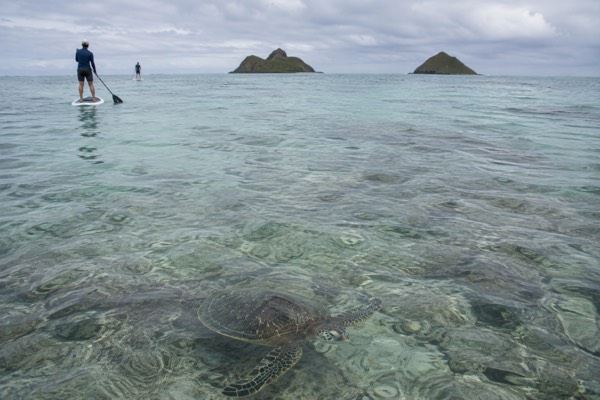
Kailua, Oʻahu: What The Windward Town Is Really Like As A Base And A Day Out
Kailua is the windward town that guidebooks sell as a quiet alternative to Waikīkī, and the sell is mostly true, with two catches: parking and a resident population that has absorbed a lot of visitor pressure.
Short answer
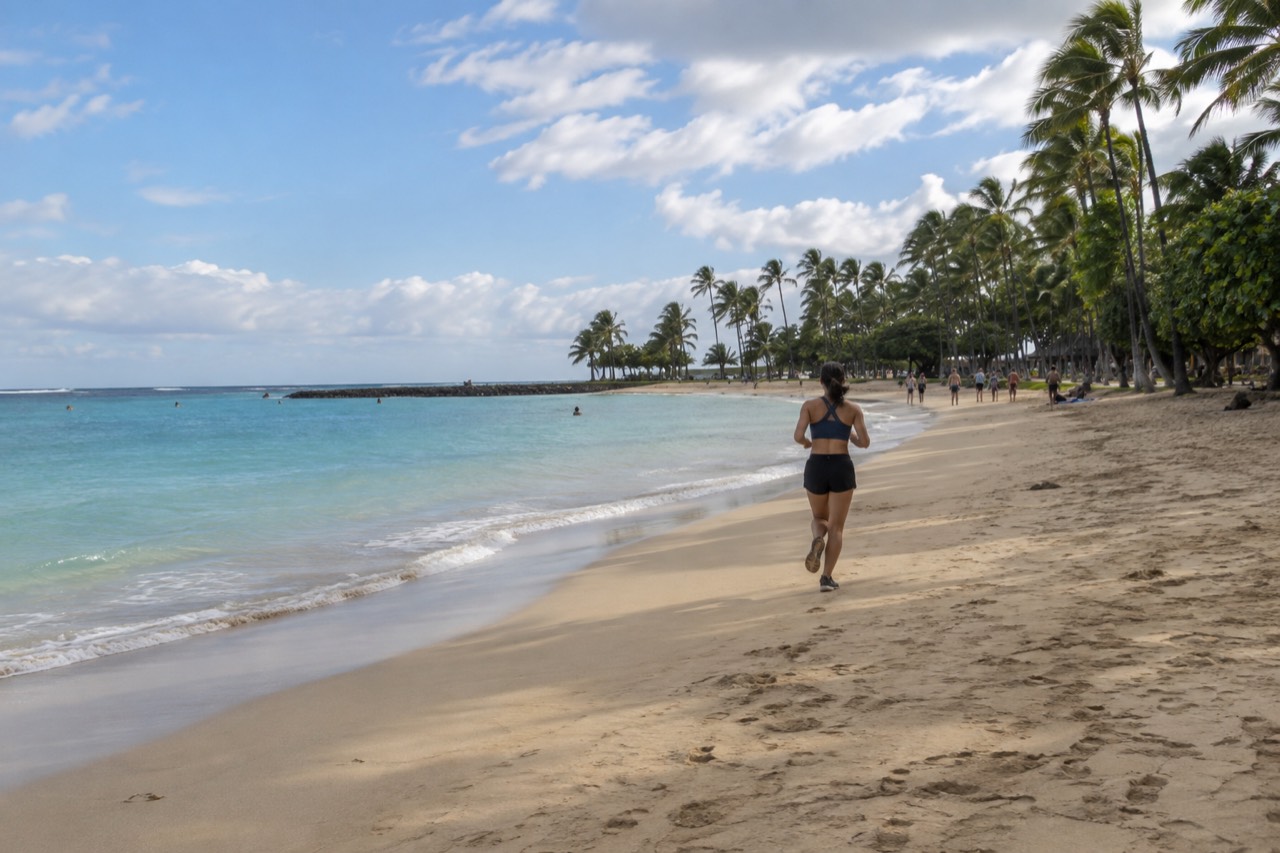
Kailua is a residential windward town with public beaches and a compact town centre. Plan legal parking or the complete bus journey, check actual ocean conditions, and verify any accommodation’s lawful rental use and permitted stay. A guided Mokulua paddle is a substantial outing with age, swimming and fitness requirements.
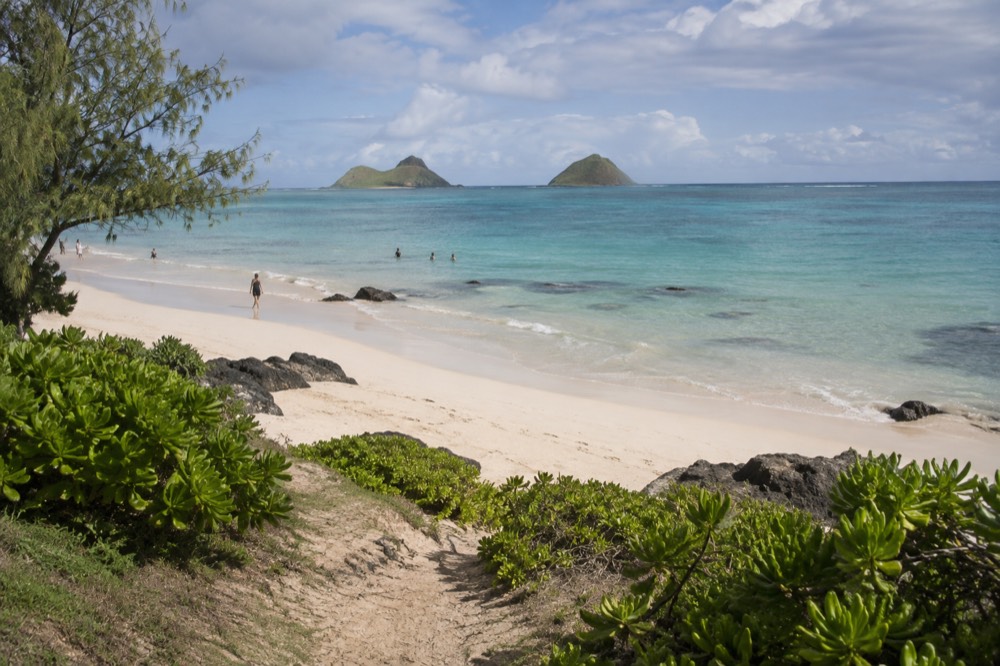
Kailua sits on Oʻahu's windward coast, the side of the island that takes the trade winds head-on. The town is residential first and tourist second: single-family streets, a compact town centre of low buildings, and a beach park that locals treat as a weekend institution rather than a photo stop. That character is exactly why travellers keep asking about it, and it is also why the honest answer about visiting comes with strings attached.
The two catches are simple. Parking near the best-known beach is scarce and legally restricted, and the town carries real visitor pressure on infrastructure built for residents. Neither is a reason to skip Kailua. Both are reasons to plan it properly, which is what this guide does.
What Is Kailua, And Who Actually Lives There?
Kailua is a residential town on Oʻahu's windward coast, fronted by Kailua Bay and the Mokulua islands offshore. It lies across the Koʻolau mountains from Waikīkī; journey time depends on route and traffic. It is home to a working local population rather than a resort workforce, and its beaches, Kailua Beach Park and Lanikai, draw both residents and visitors on weekends. The town centre is small, walkable and low-rise. Windward showers help keep the landscape green, but conditions vary and Waikīkī is not always dry.
The name needs one note: Hawaiian is an official language of the state, added at the 1978 Constitutional Convention, and place names on the windward side carry their diacritics honestly. Kailua itself means two seas or two currents, a name shared with a town on Hawaiʻi Island, which is why you will sometimes see "Kailua, Oʻahu" written out in full to keep the two straight.
Trade winds shape the beach experience, from sailing and kiteboarding to wind chop that can make paddling harder. Check the local marine forecast and conditions for the actual activity. Rainfall recorded at Mānoa or Honolulu airport is not a Kailua beach forecast.
Is Kailua A Good Base For An Oʻahu Trip?
Kailua works well as a base for travellers whose priority is beach time, early mornings and a quieter pace, and who are happy to drive or ride transit to reach Pearl Harbor, downtown Honolulu and the North Shore. It works badly for anyone who wants nightlife within walking distance, or who plans to move around without a car and without studying bus routes. Vacation rentals dominate the accommodation picture, and the town has no resort strip. The trade-off is a residential setting in exchange for longer journeys to many visitor attractions.
The case for basing here is strongest when the actual accommodation and daily journeys suit your plans. Kailua Beach Park has lifeguards and facilities, but swimming suitability changes with the conditions. The town centre has bookshops, groceries and food stops; do not assume a beach-area rental is within a short walk of all of them.
The case against is distance. Pearl Harbor, the Arizona Memorial program and downtown Honolulu all sit on the other side of the Koʻolau range, and every sightseeing day starts with a drive over the mountains or a bus ride through them. Travellers who plan to tick off the things to do in Oahu in one compressed week usually do better sleeping in Waikīkī and visiting Kailua, not the reverse.
Kailua’s residential setting makes the actual rental important. Check lawful rental use and the permitted stay before committing to a short holiday. An accommodation platform listing alone does not verify those points, and an area search may return properties elsewhere on Oʻahu. Compare the complete price, location, parking and daily journeys.
How Do You Get To Kailua Without A Car?
TheBus serves Kailua from Honolulu with a fare of $3.25 cash per single ride, or you can tap a HOLO card at $3.00 for two hours of unlimited transfers across TheBus and Skyline, with a daily cap of $7.50. There is no Skyline station in Kailua and none in Waikīkī either; rail and bus are the same fare system but the train does not cross the Koʻolaus. A car remains the practical choice for most visitors.
The fare system is genuinely good news for the car-free. The day cap means a full day of hopping on and off, bus and rail together, costs no more than $7.50, and a month caps at $90. One child under five who does not occupy a seat rides free with a fare-paying passenger. The HOLO card itself costs $2 and loads online or at retail locations.
What the numbers cannot fix is time. Windward buses cross the mountains on a small number of routes and run at a frequency that assumes commuter patterns, so a Kailua day by bus is very doable and a Kailua week by bus takes some planning. Check current timetables before committing, because service changes land regularly.
| Fare | Price | What it covers |
|---|---|---|
| Adult cash, TheBus only | $3.25 | One ride, no transfers, exact fare |
| HOLO 2-Hour Pass | $3.00 | Unlimited transfers, TheBus and Skyline |
| 24-Hour Pass | $7.50 | 24 hours from activation, both systems |
| Daily cap | $7.50 | Most you can be charged in a day |
| 7-Day Pass | $45.00 | 168 hours from first tap |
| One child under 5 | Free | With a fare-paying passenger, not occupying a seat |
For a single day out from Waikīkī, compare the bus fares for your party with the complete driving cost and the time available. For a week based in Kailua, a car may make dispersed sightseeing easier, but add parking and fuel and check the actual pickup branch. An HNL quote requires collection at the airport; it is not a Kailua or Waikiki pickup.
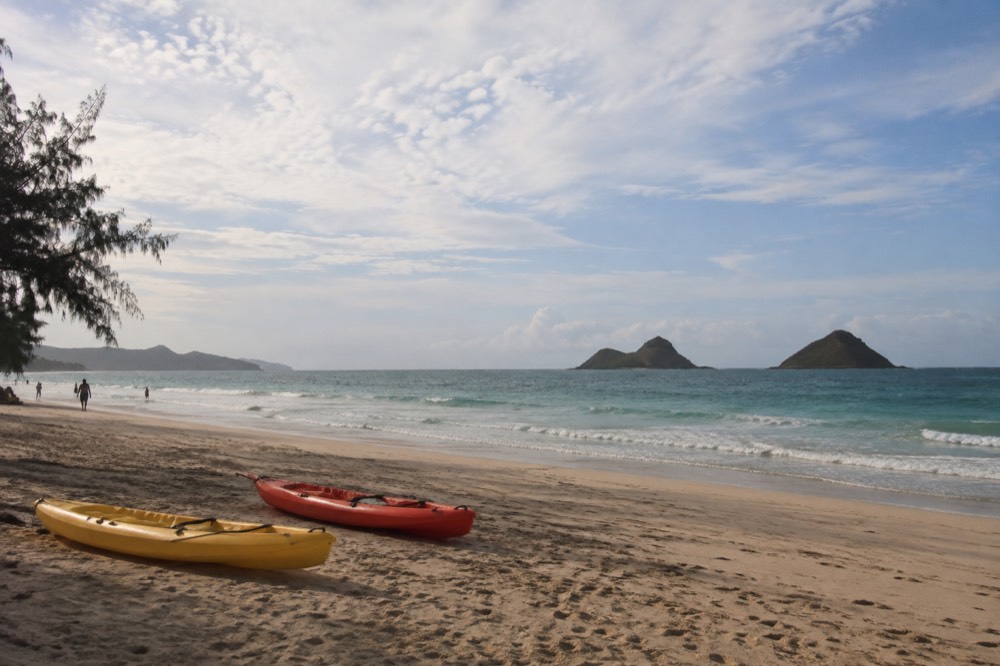
For a car-free kayak day, the selected Kailua Bay product has a Guide + Lunch, Waikiki Shuttle option. Choose that exact option and confirm the designated pickup and return; self-guided and self-drive variants differ. The guided Mokulua outing still requires swimming, group age 13+, fitness and carting the kayak between the shop and beach. A Waikiki trolley or generic circle-island tour is not a substitute.
What Are The Best Things To Do In Kailua?
A Kailua day can combine the public beach, town food stops and views toward the Mokulua islands. Choose swimming only when conditions and ability suit. A guided kayak outing is a separate activity with its own timing and requirements. Lanikai has no public parking lot; if using the Kailua Beach Park lot, allow for parking availability and the walk through permitted public access. Kalama Beach Park is northwest of Kailua Beach Park along the same bay, not at its southern end.
Kailua Beach Park is the workhorse. Lifeguards, showers, restrooms and a wide stretch of sand make it a useful starting point for families. Ask about current water conditions. The public lot gives visitors an established parking option, but it can fill. On weekends it fills, and the overflow temptation is the residential streets, which is exactly what the enforcement exists to prevent.
Lanikai is the famous one, and it deserves a plain description rather than a superlative. The water is often startlingly clear, the sand is fine, and the view across to Moku Nui and Moku Iki, the two Mokulua islands, is the photograph. The beach sits at the end of residential streets with no public lot; follow current no-parking signs on Mokulua Drive and ʻAʻalapapa Drive and the restrictions on cross streets; do not use an older guide as parking permission. The practical route is the Kailua Beach Park lot and a walk of some length. It is also worth saying directly: this is a neighbourhood under real visitor pressure, and the residents are not being unfriendly when the rules are strict.
The Mokulua islands are protected seabird sanctuaries. Permitted commercial kayak landings are at Moku Nui, not Moku Iki, and access is restricted below the high-water mark; stay out of island interiors and obey temporary closures and wildlife buffers. Commercial sanctuary landings are prohibited on Sundays. Kailua Beach Adventures’ selected five-hour guided tour meets at 130 Kailua Road, includes lunch, snorkeling equipment and landing fees, and requires independent arrival. Group participants must be 13+, able to swim and fit for a demanding paddle; guests cart their kayaks to the beach.
For a shorter paddle, the same operator’s Popoia excursion visits the nearer island rather than the Mokuluas. Its group minimum age is eight, all participants must swim, and moderate fitness and kayak carting are still required. The selected ticket includes lunch and snorkeling equipment. Allow about 2.5 hours plus check-in and extra beach time, with your own arrival.
The city prohibits commercial tour activity and recreational stops by commercial operators at Kailua Beach Park and Kalama Beach Park. Meet the selected kayak operator at its shop, not at a presumed park pickup. Customers cart kayaks to the water as instructed; a paid booking does not authorize other prohibited commercial use in the park.
| Spot | What it is | Water and access | Parking reality |
|---|---|---|---|
| Kailua Beach Park | Lifeguarded public beach park | Ask lifeguards about current conditions | Public lot; availability varies |
| Kalama Beach Park | Park farther northwest along Kailua Bay | Wind, waves and ability matter | Small public lot |
| Lanikai | Residential beach with Mokulua views | No lifeguards; use public access lanes | No public lot; obey current signs |
| Mokulua islands | Offshore wildlife sanctuaries | Moku Nui permitted landing area only; restrictions apply | Arrange the actual kayak outing |
Where Do You Eat In Kailua?
Kailua's food runs through plate lunch counters, shave ice and a small set of long-standing local institutions in and around the town centre, with choices for a casual beach-day meal. Check opening hours and any reservation needs for the place you choose. Kalākaua Avenue energy, the restaurant rows of Waikīkī, are on the other side of the island. Bring cash for the smaller counters, though most take cards now.
The plate lunch is the backbone: two scoops of rice, macaroni salad, and a protein, eaten at a picnic table. Around Kailua you will find the standard Hawaiian plate canon, garlic shrimp plates, poke counters in the grocery stores, and food trucks that set up near the beach parks. For shave ice, Kailua has its own long-standing shops, and the local argument about which one is best is a real argument among residents, which tells you something about the stakes involved. The rest of the planning pages sit on Oahu Travel Guide.
The grocery stores matter more here than a first-time visitor expects. If you are in a rental with a kitchen, the Kailua supermarkets carry good poke, local fruit and everything for a beach picnic, at local prices rather than resort prices. A cooler from the grocery store is the honest budget move on this coast.
For the food-curious, the wider windward side adds options, and the best food on Oahu guide covers the island picture. Kailua's own contribution is steady rather than spectacular, and that steadiness is the point.
When Is The Best Time To Visit Kailua?
Choose Kailua timing around the current weather, ocean conditions and the activity you want. Weekdays may ease visitor pressure, but neither calm water nor parking is guaranteed. For a booked kayak tour, check its operating days, departure and requirements before arranging the rest of the day.
Different shores receive different swells, and Kailua also faces trade-wind chop. The National Weather Service provides current forecasts. A seasonal pattern or a small-surf forecast for another shore does not establish that Kailua is suitable for swimming or paddling.
Rain is part of the windward landscape. A Kailua morning can be wet while Waikīkī is dry, but showers can persist and conditions vary. Plan a flexible day; do not assume that putting a hike in the afternoon or a paddle in summer avoids unsuitable weather.
| Timing | What to check |
|---|---|
| Weekday beach visit | Parking, facilities and current conditions |
| Weekend or holiday | Extra arrival time and legal parking alternatives |
| Guided kayak day | Operating day, departure, swimming and fitness requirements |
| Any season | Local wind, swell, warnings and operator notices |
What Does A Day Trip To Kailua Look Like?
Choose one main Kailua activity, then fit the beach and town around it. A five-hour Mokulua tour is a substantial part of the day; the nearer Popoia outing is shorter, while a beach-and-town visit needs no paid activity. Include check-in, kayak handling and the journey in both directions.
If kayaking is the priority, arrange its departure first. For the selected Mokulua tour, arrive at the shop 15 minutes early and allow time for the complete outing and the trip home. If you only want the beach, keep the schedule flexible around conditions and legal parking. Lunch and a town walk can fill the remaining time; a drive to Waimānalo is an additional stop, not a necessary part of the day.
If the day trip is part of a bigger first-visit plan, the 1 day Oahu itinerary and the Oahu itinerary with kids cover island planning. Nuʻuanu Pali Lookout can be a separate stop on the route when access permits. The September 12 DLNR update reopened the wayside after the earlier closure; check current notices before setting out.
A Byodo-In circle-island itinerary is a different sightseeing day with selected stops. It does not deliver a Kailua beach-and-town visit or the guided kayak experience described here. Choose the actual itinerary before treating a windward-coast tour as your Kailua plan.
Who Should Skip Kailua?
Travellers who want walkable nightlife, resort pools, dinner reservations and a dense concentration of tours should base in Waikīkī and visit Kailua for a day. Anyone travelling without a car who does not want to plan around bus timetables should do the same. Kailua rewards a specific traveller: the one who wants mornings on a quiet beach and will accept driving as the price. It is a base for slowing down, not a base for ticking off.
Waikīkī provides a different base for the trip, with city evenings and visitor services close together. Outrigger Waikiki Beach Resort is one specific beachfront hotel to compare, allowing separately for journeys to Kailua and its activities.
A split stay only works when both accommodations permit your dates and stay length. Do not assume a residential Kailua rental is available lawfully for a few nights. For a resort alternative elsewhere on the island, Marriott’s Ko Olina Beach Club has guest rooms and larger villas, with paid parking and a separate drive to Kailua. Compare the actual room rather than assuming every booking includes a villa kitchen.
The Waikiki vs North Shore question covers a similar trade-off between visitor services and a different daily setting. Here, add windward weather and the actual accommodation rules to that decision.
Common Questions About Kailua
Kailua planning comes down to legal access, the complete journey, actual conditions and the accommodation you can lawfully book. Public beaches and town time are valid choices on their own. A kayak outing requires its own time, swimming ability and participant checks.
Is Lanikai Beach worth it?
The water and the Mokulua view are genuinely as good as the photographs suggest, but there is no public parking lot and the residential streets are enforced with towing. Park at Kailua Beach Park and walk in, go early, and treat the neighbourhood with the respect its signage asks for.
Can you swim to the Mokulua islands?
Do not plan the crossing as a casual swim. The islands are offshore sanctuaries, and conditions, landing rules and temporary closures matter. A guided kayak trip has its own swimming, fitness and age requirements; a guide does not eliminate ocean hazards.
Is Kailua good for families?
It can be, with an age-appropriate plan and current conditions checks. Kailua Beach Park has lifeguards and facilities, while the town has groceries and food stops. The selected Mokulua group tour starts at age 13 and the shorter Popoia group tour at eight; both require swimming and kayak handling.
Does it rain more in Kailua than Waikīkī?
Windward showers help keep Kailua green, but their timing and duration vary. Mānoa and airport rainfall measurements are not a forecast for this beach. Check the local forecast and keep a backup plan.
How many days should you spend in Kailua?
A full day allows a focused visit, but a five-hour kayak tour plus travel leaves less room for other stops. For an overnight base, choose accommodation that lawfully supports your actual stay length and location needs, then compare the daily journeys with staying elsewhere.
Kailua rewards the traveller who plans around its two honest constraints and then relaxes completely inside them. Park legally, go early, and the windward coast gives back a version of Oʻahu that the resort strip cannot imitate.
Choose Your Kailua Day Or Base
Compare the longer Mokulua paddle with the shorter Popoia outing, a selected kayak shuttle, accommodation or independent transport. Public beaches and town time need no activity booking.
Mokulua Guided Kayak And Snorkel
Choose a guided island-crossing day, then compare the actual departure with your available time and journey.
Five-hour guided outing from 130 Kailua Road; arrive 15 minutes early. Group age 13+, all participants must swim and be fit for a demanding paddle. Ages 13–16 share a tandem with a parent/guardian; minors need an accompanying parent/guardian. Guests cart kayaks to and from the beach. Lunch, snorkeling equipment and landing fees included; hotel transport not included in this ticket. Weather and sanctuary restrictions can change the trip. Selected cancellation deadline: 24 hours.
Compare Two Complete Kailua Day Plans
Enter USD estimates for the same party and date. Option A combines the chosen activity total with transport and only extras not already included. Option B is the complete alternative day. Do not add lunch, equipment, landing fees or shuttle twice when bundled. These are your estimates, not live quotes.
Select dates and everyone travelling on the provider’s website, then review the final price and booking conditions.