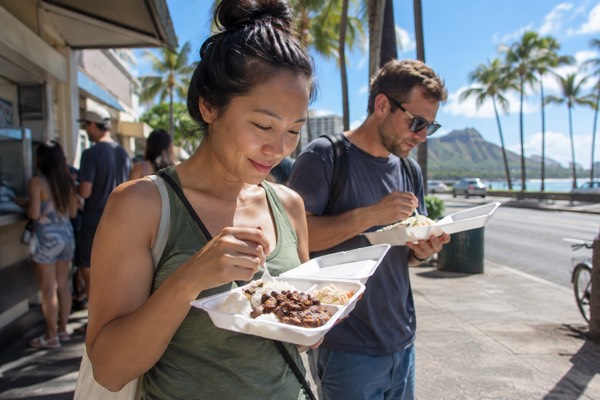
Best Food On Oahu: What To Eat, Where To Find It
The best food on Oahu is not one restaurant, it is a style of eating: plate lunch, poke, shave ice, North Shore shrimp and the farmers markets where residents actually shop.
Short answer
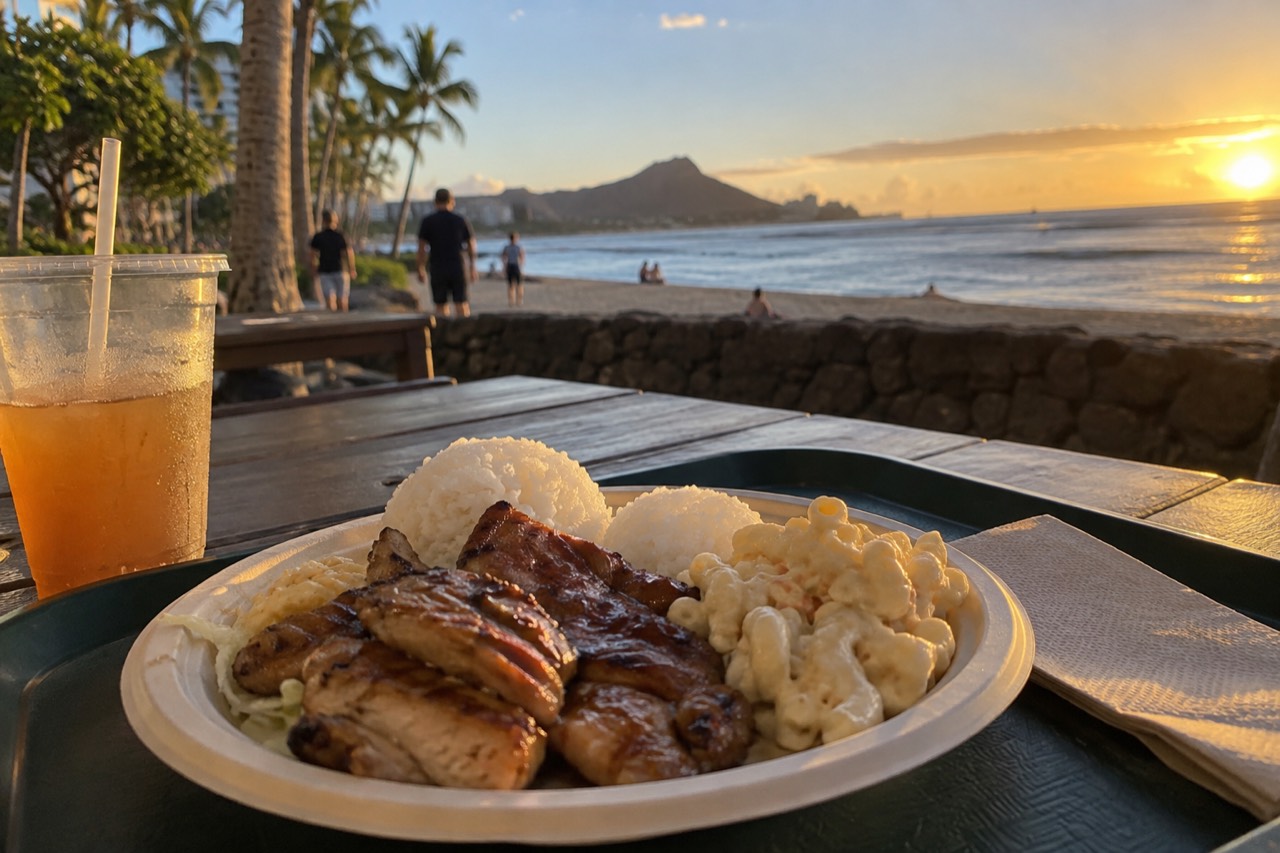
Start with plate lunch, poke, saimin, North Shore-style garlic shrimp, malasadas and shave ice, choosing around your tastes and dietary needs. Counter meals, markets and restaurants all have a place. A Chinatown or Waikiki tasting tour can add a guide and organized samples; it is optional, and neither guarantees a lower bill than independent meals.
Oahu eats better than its reputation suggests. Looking beyond your hotel adds more dishes and neighborhoods to explore. The island’s food culture includes strip malls, lunch trucks, farmers markets, family-run counters and restaurants. Native Hawaiian food traditions predate the plantations; later communities added dishes and techniques that helped shape “local food.” Hawaiʻi Regional Cuisine is a distinct chef-led movement launched in 1991, drawing on local ingredients and the islands’ diverse culinary influences. This guide from Oahu Travel Guide covers what to eat, where to find it, which food experiences are worth money and what a food-focused day on the island realistically costs.
What Is The Best Food On Oahu?
Plate lunch, poke, garlic shrimp, malasadas, saimin and shave ice make a useful first shortlist for eating on Oahu. A plate lunch commonly combines a main with rice and macaroni salad. Menus, portions and ordering arrangements vary, so choose the dishes and ingredients that suit your group rather than treating any one as compulsory or automatically inexpensive.
Plate lunch is a useful place to start. Rice, macaroni salad and a main bring different culinary influences onto one plate: chicken katsu, beef teriyaki and kalua pork are among the choices you may see. Loco moco combines rice, a hamburger patty, gravy and an egg, with variations by kitchen. Read the actual menu and portion description; a crowd or a parking lot full of residents is not proof of quality.
Poke is another starting point. Its Native Hawaiian roots predate supermarket counters and modern poke bowls. Contemporary versions may use ahi with shoyu, sesame, onion or spicy mayonnaise, while ingredients and preparation vary. Dedicated shops and supermarkets both sell it; ask what is in the dish and compare the actual quantity rather than assuming every poke is raw tuna or every grocery version is cheapest.
Where Should You Eat Plate Lunch And Local Classics On Oahu?
Look for plate lunch and local classics at counters, food courts, trucks and restaurants across Waikiki, Kaimukī, Kalihi, ʻAiea and other neighborhoods. Compare menus for chicken katsu, kalua pork, beef teriyaki, loco moco or garlic shrimp. A beachfront address does not automatically mean smaller portions, and a busy car park does not establish the best meal.
The practical rule is to begin with the dish and the actual menu. Food courts can provide several choices for a group, while a dedicated counter may suit a particular craving. Rainbow Drive-In’s Kapahulu location is at 3308 Kanaina Avenue, with published regular hours of 7 a.m.–9 p.m. and holiday exceptions. Its plate lunches offer one concrete starting point without requiring a food tour.
Two other dishes deserve attention. Saimin is a local noodle soup with toppings, while malasadas are Portuguese-style fried doughnuts often rolled in sugar or filled. Check the bakery before traveling: as of September 19, 2026, Leonard’s Kapahulu bakery is closed for renovations, with a malasada-only reopening planned for September 21 and full service planned for September 26 subject to progress. Its mobile locations have separate arrangements.
| Dish | What it is | What to check |
|---|---|---|
| Plate lunch | Main with rice and commonly macaroni salad | Actual main, sides and portion |
| Poke | Seasoned pieces of seafood or another stated ingredient | Ingredients, quantity and preparation |
| Saimin | Local noodle soup with toppings | Broth, noodles and added ingredients |
| Loco moco | Rice, hamburger patty, gravy and egg | Portion and preparation vary |
| Garlic shrimp | Shrimp with garlic sauce, often served with rice | Shell-on or peeled, sauce and serving size |
| Malasadas | Sugar-coated or filled fried doughnuts | Bakery hours and current availability |
For sit-down Waikiki evenings, our Waikiki restaurant picks cover nearby choices, and the full guide to eating on Oahu you are reading now connects the wider island’s food stops.
Which Food Tour Is Worth Booking On Oahu?
A guided food tour can be worthwhile if you want dishes explained and tastings organized. Compare the actual neighborhood, menu, walking and pickup with eating independently. Hawaii Free Tours’ paid Off The Beaten Path outing is in Chinatown; Secret Food Tours offers a separate Waikiki route. Neither is automatically the best choice for every visitor.
Taking a food tour early in the trip can help you identify dishes to revisit. Choose the date around your appetite and plans rather than making an early booking day a requirement.
The Chinatown Off The Beaten Path tour runs about three hours, normally in the afternoon, with several tasting stops and substantial standing as well as walking. Food and local juice or water are included; tips are extra. Confirm Honolulu or Waikiki pickup, or the Royal Kitchen meeting point. Contact the operator before booking about allergies or dietary needs, as the menu includes meat and raw seafood. This is a paid food experience despite the company’s name.
For a guided walk within Waikiki, Secret Food Tours starts at the King David Kalakaua Statue, 2050 Kalakaua Avenue, and finishes near International Market Place. Allow about 3–3.5 hours and arrive 15 minutes early. Tastings are included and stops can change; hotel transport and tips are separate. Confirm dietary and access needs, and do not assume the route visits every named restaurant in this guide.
Should You Book a Circle Island Tour to Reach the Food?
Choose a circle-island tour when sightseeing is part of what you want, not simply because you need lunch. The route and stops are fixed by the selected itinerary, so you have less control over food vendors and timing than on an independent outing. Lunch can cost extra, and a short trip alone does not establish that a tour is better than driving or public transport.
The Grand Circle Island listing offers a nine-hour full route and a separate 6.5-hour Dole-and-Haleiwa option with designated Waikiki pickup. Lunch and optional Dole activities are extra; confirm the actual food stop and itinerary rather than expecting a particular shrimp truck.
The Hidden Gems circle-island tour is a different nine-hour route with designated Waikiki pickup and Byodo-In admission. Meals remain extra. It is a sightseeing day with food stops along the way, not a dedicated tasting tour or an afternoon activity to add after a long food walk.
What Are The Shrimp Trucks On The North Shore Really Like?
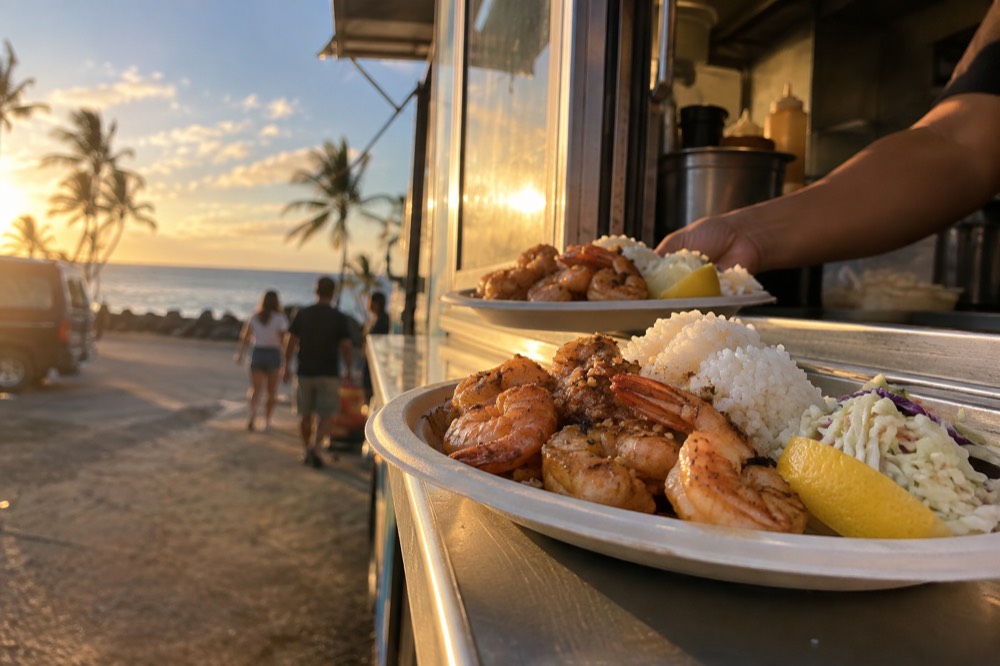
North Shore shrimp stands around Haleʻiwa and Kahuku commonly serve garlic shrimp with rice, often shell-on, with other preparations depending on the menu. The outing can be part meal and part road trip. Check opening hours, portions, sauce and seating; neither a queue nor a particular weekday guarantees the experience.
Garlic shrimp is a familiar starting point, but choose according to your tastes and dietary needs. Ask about shellfish, butter and other ingredients, and use the stated serving size to decide whether to share.
The trucks and stands have different menus, settings and opening hours, so compare the actual business rather than treating them as interchangeable. You can also try Giovanni’s in Honolulu: its official site lists a location on the second floor of H Mart at 458 Keawe Street. That gives a town alternative when the shrimp matters more than a North Shore road trip.
Timing affects the journey and the available menu. Check the stand’s opening hours and leave room for traffic or a queue without assuming an early weekday visit is always quiet. Our North Shore shrimp trucks guide goes deeper on individual stands and how to build a day around them.
One honest note: the North Shore is a working community on a two-lane highway carrying enormous visitor pressure. Park legally, do not stop in travel lanes, and treat the residential driveways as somebody's home rather than overflow parking. Use the business’s permitted parking.
Where Do Locals Actually Eat On Oahu?
Residents eat across the island’s counters, supermarkets, diners, markets and restaurants, including places visitors can use. Kaimukī, Kalihi and Chinatown offer different food choices, but no neighborhood or customer queue guarantees quality or low prices. Pick the dish and business, then check its actual menu and hours.
The neighborhood version is worth spelling out. Kaimukī has restaurants, bakeries and cafés along and around Waialae Avenue. Kalihi offers counters and kitchens serving its surrounding communities, while Chinatown adds markets, noodle shops and varied Asian cuisines. Each area contains many different businesses; they are not secret alternatives that only a guide can unlock.
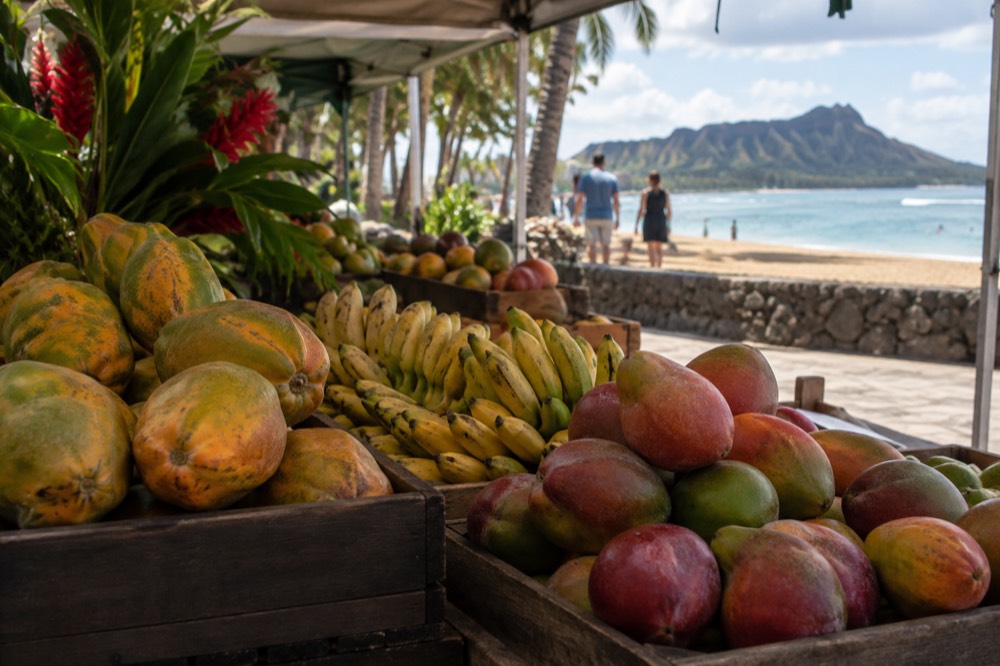
Farmers markets offer another way to explore food, with produce, prepared dishes and packaged goods from different vendors. KCC Farmers’ Market is normally Saturday, 7:30–11 a.m., in Kapiolani Community College’s Lot B at 4303 Diamond Head Road. The Honolulu market at Blaisdell normally runs Wednesday, 4–7 p.m. Check current notices and vendors; availability and growing origin vary by stall. Our farmers markets on Oahu guide lists the wider choices by day and neighborhood.
Coffee deserves its own sentence. Oahu has coffee farms and roasters, including Waialua Estate on the North Shore. Read the origin and blend information on a bag: beans roasted or sold on Oahu are not necessarily grown there. Our best coffee on Oahu guide covers where the beans come from and where to drink them.
What About Shave Ice And Desserts On Oahu?
Shave ice is a familiar Oahu dessert, made from finely shaved ice with syrups and optional additions. Ice cream, condensed milk, mochi and beans are among the choices you may find. Pick flavors and toppings to suit your group, and ask about ingredients rather than assuming every version is dairy-free.
Matsumoto Shave Ice in Haleʻiwa lists regular hours of 10 a.m.–6 p.m. daily, closing on Thanksgiving, Christmas and New Year’s Day. Check current notices before making it the reason for a long drive.
A North Shore stop can fit a wider day, while a nearby counter can suit a simpler afternoon. Choose by the flavors, toppings and journey you want; standing in a long line is optional, not a measure of the dessert’s quality.
Malasadas are another sweet option, covered earlier in this guide. You can spread desserts over several days rather than turning them into a checklist. The full dessert landscape, including where shave ice sits against the island’s other sweets, is in our shave ice on Oahu guide.
How Much Does Eating Well On Oahu Actually Cost?
Compare eating costs using the actual menu, portions, drinks, tax, tips and transport for your party. Counters and supermarkets can offer practical meals, but poke is not always half the restaurant price and a plate lunch is not universally priced like mainland fast food. A guided tour adds tastings and context; a luau adds a meal and show.
A workable budget can mix counter meals, market snacks and a restaurant dinner when you want one. Decide from your actual appetite and spending limit; one dinner splurge every day is a choice, not a necessary formula.
Use the following distinctions when comparing a meal with a paid outing. The calculator at the end accepts your own complete estimates for the same party and date.
| Food experience | Compare the complete cost |
|---|---|
| Counter meal or poke | Actual portion, drinks, tax and transport |
| Shrimp stop | Menu price plus the journey and any other purchases |
| Dessert | Size, toppings and whether a special trip is needed |
| Guided food tour | Included tastings and pickup versus separate tips and extras |
| Waimea Valley visit | Admission does not itself include a meal or luau |
| Public transit | $3.25 adult cash without transfers; $3 HOLO transfer window and $7.50 daily cap per rider, initial card extra |
Keep lodging taxes separate from restaurant spending. The state’s Transient Accommodations Tax concerns accommodations, while your meal estimate should use the menu and final restaurant charges. Compare the complete trip budget without using an accommodation-tax percentage as a food surcharge.
If a meal and show in Waimea Valley appeals, Toa Luau includes dinner, the performance and valley admission in its selected packages. Hotel transport is separate, and you should confirm the luau date and garden opening before combining them. Do not buy a second valley ticket when it is already included.
A broader Oahu attraction pass is worth comparing only if you want its actual included activities. It is not a general restaurant or food allowance; check the current activity list, reservation requirements and duration before adding up individual tickets. Count only experiences you would otherwise book.
Can You Do An Oahu Food Trip Without A Car?
You can plan a food trip without a car when the neighborhoods and service times suit your route. TheBus has a $3.25 adult cash fare without transfers; HOLO costs $3 with a two-hour transfer window and a $7.50 daily cap per rider. Skyline serves the airport and Kalihi but does not reach downtown Honolulu or Waikiki directly. Check the complete journey and return.
A focused neighborhood outing may work on foot or with public transit, depending on your starting point and mobility. North Shore food stops can be reached by bus when the route and time work; they do not inherently require a car or tour. Compare the full journey with a closer meal, and distinguish the Chinatown tour’s confirmed pickup from general transport for independent restaurants. Our do you need a car on Oahu guide works through the wider decision, and the TheBus guide covers fares and routes.
What Should A One-Day Food Itinerary On Oahu Look Like?
Build a one-day food itinerary around a manageable neighborhood or route: a bakery stop, a plate lunch or poke meal, a dessert and a dinner that fits your appetite. Check actual opening times and dietary needs, and spread dishes over more days if that is more enjoyable. You do not need a North Shore journey to complete a food checklist.
For a Honolulu day, choose a morning bakery or café, one main meal and an afternoon sweet stop within your planned area. For a North Shore day, pair a shrimp stop with Haleʻiwa when their actual hours fit. Neither route has a guaranteed saving over a resort dinner; compare what your party will really buy.
The order follows the shops and your appetite. Buy perishable food when you can eat or store it appropriately, allow time for queues and avoid buying more than you want simply to tick off every dish. A guided tasting walk can replace part of the meal sequence rather than being added on top of it.
For visitors interested in how a local drink is made, Kō Hana’s short distillery tour is a separate outing in Kunia at 92-1770 Kunia Road, #227. Allow 45–60 minutes for the guided sugarcane-garden and barrel-room visit with rum tasting and small barrel-aged product samples. Alcohol tasting is for ages 21+; confirm ID, accompanying-child or non-drinking arrangements and access needs. Lunch and transport are separate, so arrange a sober return. This selected ticket is not the longer Estate Farm or Deep Dive tour.
A nine-hour circle-island day and a three-hour food walk are competing uses of the day, not a ready-made morning-and-afternoon pairing. Choose the one that matches your main interest and leave time for independent meals.
Common Questions About The Best Food On Oahu
Most questions about eating on Oahu come down to what to order, the actual location and opening time, and the complete cost. Plate lunch, poke, noodles, shrimp and sweets offer useful starting points. A food tour is optional; independent meals can be as much of the trip as you want.
What food is Oahu known for?
Plate lunch, poke, garlic shrimp, saimin, malasadas and shave ice are familiar choices. Their histories differ: Native Hawaiian food traditions predate plantations, later communities shaped local dishes, and Hawaiʻi Regional Cuisine is a distinct movement begun in 1991.
Where is the best place to eat on Oahu?
Choose around the dish, menu and location rather than one universal best neighborhood. Waikiki, Kaimukī, Kalihi, Chinatown and the North Shore all have options. A guided Chinatown or Waikiki tasting tour can add context but is not required to find a good meal.
Are the North Shore shrimp trucks worth the drive?
They can fit a wider North Shore outing if you want that setting as well as shrimp. Check the actual menu, hours and journey, park legally and allow for traffic. Giovanni’s also lists a Honolulu location, so a North Shore drive is optional if the dish is your main interest.
Is a food tour on Oahu worth the money?
It can be worthwhile when you want a guide and organized tastings. Compare the actual menu, dietary arrangements, walking, pickup and full price with an independent route. The Chinatown and Waikiki tours are different outings, and a short stay alone does not establish better value.
What dessert should I try on Oahu?
Try shave ice with flavors and toppings you like, or a fresh malasada. Check dairy, fillings and other ingredients where relevant. You can spread sweets over several days; neither a particular topping nor a famous queue is compulsory.
Can I eat well on Oahu on a budget?
You can compare counter meals, supermarket portions, market food and restaurant menus against your budget. Add drinks, tax, tips and the journey before comparing totals. Local labels and long queues do not guarantee low prices, and a guided experience is optional.
Eat at a pace that lets you enjoy the dishes and the places around them. A plate lunch, poke, shrimp or shave ice can each be part of the trip without every meal needing a tour or a long journey.
Choose Your Oahu Food Outing
Eat independently from the dishes and neighborhoods above, or choose a guided tasting experience. Chinatown and Waikiki food walks cover different routes; the Kunia distillery, Waimea Valley luau and wider sightseeing tours are separate outings. Compare the actual menu, time and complete cost.
Chinatown Off The Beaten Path Food Tour
About three hours, normally afternoon; confirm diet and Honolulu or Waikiki pickup.
Allow about three hours, with walking and standing for much of the tour. Tastings and local juice or water are included; tips are extra. Confirm Honolulu or Waikiki pickup, or meet at Royal Kitchen. Contact the operator before booking about serious allergies or dietary needs; raw seafood and meat feature on the menu. Foster admission and a garden visit are separate. The selected ticket allows cancellation at least 24 hours ahead for a full refund.
Compare Complete Food-Day Costs
Enter USD estimates for the same party and date. Option A combines one experience with its unbundled meals, drinks, transport, tax and tips. Option B is your complete independent alternative or another outing. Do not add included tastings, luau dinner, valley entry or pickup twice. A sightseeing tour may still require lunch money. These are your estimates, not live quotes or a combined package.
Choose dates and your party on the booking page, then confirm the meeting or pickup arrangements. This is a booking link, not live availability.