Kailua Beach Park: What To Expect On Oʻahu's Windward Shore
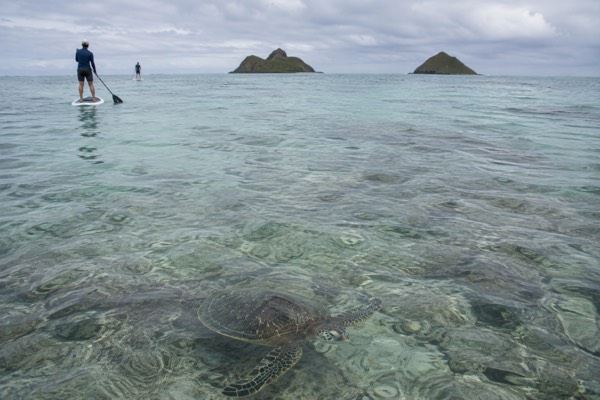
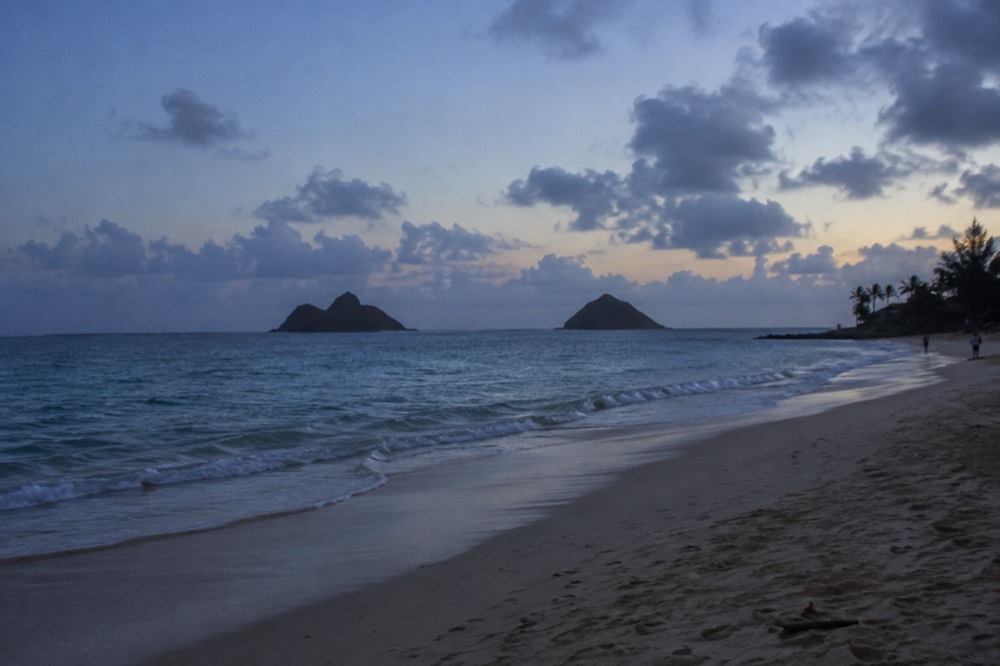
Kailua Beach Park is the calm, broad-shouldered heart of Oʻahu's windward coast: a public beach park with a real parking lot, lifeguarded sand, and the Mokulua Islands sitting offshore like a postcard you did not have to pay for.
Short answer
Kailua Beach Park is a free public park on Oʻahu’s windward coast with lifeguards, restrooms, showers and parking. Check current conditions and park notices; a reef or an early arrival does not guarantee calm water or a space. Guided kayak outings are optional purchases with separate shop check-in and participant requirements.
Kailua Beach Park sits on the windward side of Oʻahu, where the trade winds arrive off the open Pacific before they have crossed anything. The beach runs broad and golden, the water can look turquoise across the reef, and the two Mokulua Islands sit offshore like they were placed there for the photographs. This is the beach that locals mean when they say the windward coast is the island's quiet half.
This guide covers what a visit actually involves: how to get there without a car if you need to, when the wind and rain make the difference between a great day and a gritty one, what the water is really like, and how the park compares with its famous neighbour Lanikai. For the wider sweep of the coast, see our Kailua area guide, and for the big picture start with Things to Do in Oahu.
What Is Kailua Beach Park?
Kailua Beach Park is a public city park at the southern end of Kailua Bay, with lifeguards, public parking, restrooms, showers and grass behind the sand. Lanikai lies beyond Alāla Point; Waimānalo is a separate beach farther southeast. Kayak trips toward the offshore islands require their own arrival, access and participant planning.
The distinction matters more than it sounds. Lanikai is a residential neighbourhood with a beach attached; Kailua is a beach park with a neighbourhood attached. That single difference decides where you park, where the restrooms are, whether a lifeguard is watching the water, and whether your day has any infrastructure behind it at all.
The setting is classic windward Oʻahu. The Koʻolau mountains rise behind the town and the Mokulua islets sit offshore. The reef, wind, swell and currents all affect the water; the view from shore is not a guarantee of a suitable swim or paddle.
It is also a working local beach. Families use the open park areas, and outrigger canoe clubs train out of the bay. Visitor pressure is real, particularly on weekends, but the beach is broad enough that it rarely feels stacked the way Waikīkī can.
Where Is Kailua Beach Park And How Do You Get There?
Kailua Beach Park sits at the east end of Kailua town, at the end of Kailua Road where it meets the coast, on the windward side of the Koʻolau range. Driving from Waikīkī takes roughly 30 to 45 minutes over the Pali Highway or the H-3, depending on traffic and time of day. Without a car, TheBus serves Kailua town on routes from Honolulu, and the fare system is shared with the Skyline rail line.
The Pali Highway crosses the Koʻolau range between Honolulu and the windward side. The Nuʻuanu Pali Lookout reopened in the September 12 DLNR update after its earlier closure; check current notices before making it a stop. If driving independently, compare the full rental, fuel and parking cost with the actual alternative journey. The linked quote is for HNL collection, not Kailua or Waikiki.
If you are relying on transit, the fare structure is worth knowing before you tap. TheBus and Skyline use the same fare system, so a HOLO card works on both.
| Fare | Price | Notes |
|---|---|---|
| Adult cash, TheBus only | $3.25 | Exact fare, no transfers |
| HOLO 2-Hour Pass | $3.00 | Unlimited transfers, bus and rail |
| Daily cap | $7.50 | Everything after the cap is free that day |
| 7-Day Pass | $45.00 | 168 hours from first tap |
| HOLO card itself | $2.00 | Initial and replacement |
Skyline runs from East Kapolei through the airport to Kalihi Transit Center, with no Waikiki or windward station. A bus journey to Kailua needs its own route and return plan; rail is not required for a Waikiki-to-Kailua trip. Our Honolulu Skyline rail guide explains the train’s role. For the guided kayak day, a separate selected product offers designated Waikiki pickup: choose Guide + Lunch, Waikiki Shuttle, not a self-guided or self-drive variant.
The public lot can fill, especially on busy days. Check park operating notices and posted parking restrictions, leave driveways and access clear, and have an alternative arrival plan. An early arrival may help but does not reserve a space or guarantee suitable water conditions.
Can You Swim And Snorkel At Kailua Beach?
Kailua Beach Park has lifeguards and facilities, but swimming and snorkeling suitability depend on the day’s wind, swell, visibility and your ability. Ask lifeguards and follow warnings. Offshore reefs and islands are separate, more demanding destinations; neither a local beach visit nor a booked snorkel trip guarantees turtles.
The sandy shoreline is part of the beach’s appeal, but depth and conditions vary. Wind chop, currents and changes in surf can make a morning unsuitable too. Keep children closely supervised and stay out if conditions exceed your ability.
Snorkelers should set expectations honestly. Turtles may be present, but sightings are not assured. Keep at least the recommended 10 feet away and never touch, feed or harass them. For a dedicated guided snorkel, Living Ocean’s Turtle Canyon outing departs from Kewalo Basin, not Kailua. It includes gear and requires basic swimming ability; the no-turtle policy is a later re-ride under its terms, not a promise of sightings or a refund.
For a surf lesson instead, the selected two-hour Surfer Girl Academy group lesson is in Waikiki, with a maximum four students per instructor and a minimum age of 12. It is a separate south-shore outing, not a lesson at Kailua Beach Park. Check participant and health requirements before choosing it.
What Facilities And Amenities Does The Park Have?
As a city beach park, Kailua Beach Park carries the standard public infrastructure: a parking lot, restrooms, outdoor showers for rinsing sand, picnic tables and grass under shade trees behind the sand, and lifeguard stations along the swimming stretch. That package is what separates it from Lanikai, where the beach is beautiful but the amenities are essentially private. It is also free to enter; no admission ticket or reservation required for a normal park visit.
The grass strip behind the sand is the park's quiet advantage. On a hot windward day the ironwood shade is the difference between a four-hour visit and a one-hour one, and the picnic tables make it possible to feed children without a restaurant. Kailua town itself sits five minutes back up the road, with grocery stores, plate lunch spots and shave ice, so most families pack a cooler in town and walk it down.
Lifeguards can explain conditions at the staffed beach, but their presence does not remove hazards or supervise an offshore kayak route. Read our Oʻahu ocean safety guide, follow posted warnings and ask where swimming is appropriate that day. Dune restoration is also changing parts of the park; use open access paths and leave restoration areas undisturbed.
When Is The Best Time To Visit Kailua Beach?
Weekday mornings can be a useful time to plan a visit, but neither parking nor calm water is guaranteed. Check the actual wind, swell, weather and park notices. Kayak departures and check-in times need to fit the full day, including your journey home.
Windward showers help keep the landscape green, but their timing and duration vary. A climate average from Honolulu airport, Kāneʻohe or Mānoa cannot predict the conditions at Kailua Beach Park.
| Your plan | What to check |
|---|---|
| Swimming | Lifeguard advice, warnings and your ability |
| Kayaking | Operator notice, wind, swell and participant requirements |
| Beach picnic | Park access, legal parking and changing weather |
Keep a flexible plan. Rain can persist, and wind does not follow a fixed clock each day. A calm-looking shoreline does not establish suitable offshore conditions.
Water temperature from NOAA’s Honolulu harbor station describes that station, not today’s conditions off Kailua. Use the local forecast and ocean advice for your activity.
| Timing decision | Practical approach |
|---|---|
| Busy weekend | Allow for parking delays or choose another arrival method |
| Tour day | Confirm departure and check-in before adding stops |
| Weather changes | Keep a land-based alternative and follow closure notices |
Can You Kayak To The Mokulua Islands From Kailua Beach?
Guided kayak outings toward the Mokulua islands are available from Kailua, but the longer crossing is a demanding activity with age, swimming and fitness requirements. The selected five-hour tour meets at the operator’s shop, not a presumed beach-park pickup. Customers move kayaks to the beach on carts.
The Mokes are protected seabird sanctuaries. Permitted commercial landings are at Moku Nui, not Moku Iki, and access is restricted below the high-water mark. Stay out of the interior, keep wildlife buffers and obey temporary closures. Commercial sanctuary landings, including rented vessels, are prohibited on Sundays.
Kailua Beach Adventures’ five-hour guided Mokulua outing includes lunch, snorkeling gear and landing fees. Group age is 13+, everyone must swim and be fit for a demanding paddle; ages 13–16 share a tandem with a parent or guardian. Meet at 130 Kailua Road 15 minutes early and arrange your own arrival for this ticket.
The nearer Popoia outing is a different route: group age eight+, swimming and moderate fitness are still required, as is carting the kayak. Under 16s share a tandem with an adult 18+. Allow about 2.5 hours plus check-in and extra beach time. The selected ticket includes lunch and snorkeling equipment with independent arrival.
The Kailua Bay kayak and snorkel tour is an optional paid activity. Check the selected ticket’s actual guide, meal and transport inclusions. City restrictions on commercial activity at Kailua Beach Park mean customers meet at the shop and cart kayaks as instructed; a reservation does not authorize a commercial pickup in the park.
Kailua Beach Park Or Lanikai Beach: Which Should You Visit?
Choose Kailua Beach Park if you want a parking lot, restrooms, showers, lifeguards and grass, or if you are visiting with children, coolers or kayaks. Choose Lanikai if you want the famous turquoise photo and are willing to arrive very early or reach it on foot, because Lanikai has no public parking lot and its residential streets are restricted.
Many visitors do both in one morning: use a legal space at Kailua, then follow the public pedestrian route toward Lanikai and its public access lanes.
Kailua and Lanikai are separated by Alāla Point, not continuous sand. Use the public pedestrian route around the point and the designated public access lanes in Lanikai; do not try to follow the waterline through private property. Lanikai has no public lot, and a space at Kailua is not guaranteed.
Our full Lanikai Beach guide covers that beach in detail. For planning, allow for the public pedestrian route and a legal arrival option; do not rely on finding a space in either area.
For families, Kailua’s lifeguards and facilities can make planning easier. That does not establish safe swimming on a particular day. Ask about conditions and choose an activity that suits everyone.
What Wildlife Will You See At Kailua Beach?
Turtles, seabirds and seasonal humpbacks may be seen around Kailua, but wildlife sightings are not guaranteed. Keep the required 100 yards from humpbacks and 50 yards from Hawaiian spinner dolphins. NOAA recommends at least 10 feet from turtles and 50 feet from monk seals, increased to 150 feet for a mother and pup; never harass wildlife.
Humpbacks are seasonal visitors to Hawaiian waters. Shore watching is a free choice, without assured sightings. A separate two-hour whale watch leaves from Ala Wai Harbor on the south shore; check the date’s operating calendar and departure.
| Animal | Distance | Law or guideline |
|---|---|---|
| Humpback whale | 100 yards | Law |
| Hawaiian spinner dolphin | 50 yards | Law |
| Hawaiian monk seal | 50 ft (150 ft with a pup) | Guideline; harassment is illegal |
| Green sea turtle (honu) | 10 ft | Guideline; harassment is illegal |
Turtles deserve space whenever they appear. A turtle resting on the sand is resting, not posing, and the crowd that gathers around a basking turtle is the single most common way well-meaning visitors cross a line. Give it room, keep the dogs back, and let it sleep.
Common Questions About Kailua Beach Park
Kailua Beach Park is free to visit, with public facilities and parking subject to operating notices and availability. Conditions determine the water activity, and a paid outing is optional. Lanikai is a separate beach reached via the public pedestrian route and access lanes, not a continuous walk along the sand.
Is Kailua Beach Park free?
Yes. It is a public city beach park with no entry fee or reservation required for a normal visit. The only costs are optional: parking enforcement is strict in the surrounding streets, and rentals or tours cost extra if you want them.
Is Kailua Beach good for swimming?
Swimming can be suitable, but wind, swell, currents and ability matter at any time of day. Ask the lifeguards and follow warnings; do not infer safety from the reef or the time of day.
Can you see turtles at Kailua Beach?
Possibly, but sightings are not guaranteed. Keep the recommended distance and never touch or harass wildlife. A guided snorkel at another location is a separate activity with its own requirements.
How far is Kailua Beach from Waikīkī?
Roughly 30 to 45 minutes by car depending on traffic, over the Pali Highway or the H-3. For public transport, check the route from your actual starting point and the return timetable. A kayak shuttle is available only with the appropriate activity option.
Is Kailua or Lanikai better?
They are separate beaches divided by Alāla Point. Kailua has lifeguards, facilities and parking; Lanikai has no lifeguards or public lot. Use legal parking and the public pedestrian route and access lanes if visiting both.
When is Kailua Beach too windy?
There is no fixed safe time. Check the actual wind, swell and warnings and ask lifeguards or the kayak operator about your planned activity. A morning can be unsuitable too.
Kailua Beach Park rewards planning around access and current conditions: a legal arrival, a picnic in an open area and an activity that suits the day. Keep the ocean plan flexible. For more help planning the whole island, start with Oahu Travel Guide and work outward from there.
Choose Your Kailua Beach Activity
Start with a guided Mokulua paddle, or choose the nearer Popoia outing, a selected Waikiki shuttle or independent transport. South-shore snorkeling, surfing and seasonal whale watching are different days in different places.
Mokulua Guided Kayak And Snorkel
Choose a guided island outing with time for the complete journey.
Five-hour guided outing from 130 Kailua Road; arrive 15 minutes early. Group age 13+, all participants must swim and be fit for a demanding paddle. Ages 13–16 share a tandem with a parent/guardian; minors need an accompanying parent/guardian. Guests cart kayaks to and from the beach. Lunch, snorkeling equipment and landing fees included; hotel transport not included in this ticket. Weather and sanctuary restrictions can change the trip. Selected cancellation deadline: 24 hours.
Compare Two Complete Beach Days
Enter USD estimates for the same party and date. Option A combines an optional activity with transport and unbundled extras. Option B is your complete alternative day. Use zero for a free activity and do not add included lunch, equipment, landing fees or shuttle twice. These are your estimates, not live quotes.
Select dates and everyone travelling on the provider’s website, then review the final price and booking conditions.