Lanikai Beach, Oʻahu: What A Visit Actually Involves
Lanikai Beach is a small, unusually calm stretch of sand in the Kailua neighborhood of Oʻahu, famous for its water colour and its sunrise view over the Mokulua islands. The beach itself is free and public, but there is no parking lot, no lifeguard and no facilities, so the experience depends almost entirely on when you arrive and how you get there.
Short answer
Lanikai is a free public beach with no public parking lot, restrooms or lifeguards. Use designated public access lanes and current parking rules. Kailua Beach Park is a separate beach beyond Alāla Point, reached by the public pedestrian route. Conditions determine whether swimming or a kayak outing fits your day.
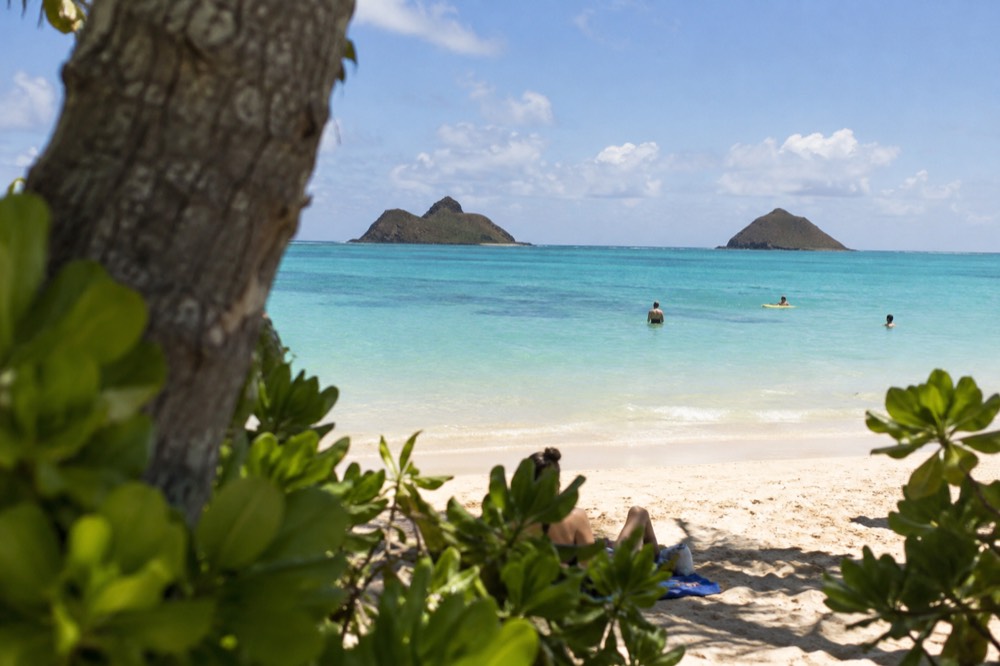
The water at Lanikai is the colour that postcards exaggerate. The water can look pale blue-green across the reef flat, with the Mokulua islands offshore; wind, swell and currents still change the conditions. Locals in the Kailua neighborhood, whose streets dead-end at this sand, live with the consequences of that beauty: the area is one of the most parking-starved residential shorelines on Oʻahu, and the honest version of a Lanikai guide starts there rather than with the photographs.
This page covers what a visit actually involves: where Lanikai is and what it is, how access and parking really work, what a morning costs, when the conditions are best, what the swimming and snorkeling are like, the pillbox hike above the beach, the Mokulua islands offshore, and a straight answer to whether it is worth the trip from Waikīkī. For the wider picture of the island's shoreline, start with our things to do in Oahu page and the best beaches on Oahu overview.
What And Where Is Lanikai Beach?
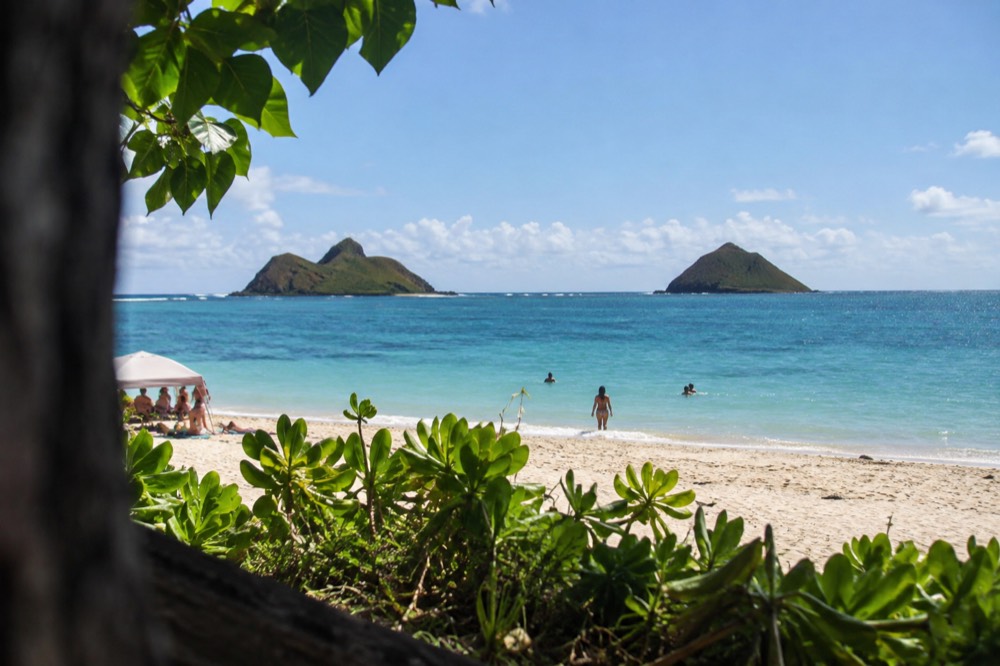
Lanikai Beach is a narrow public beach strip in the Kaʻōhao area of Kailua, on Oʻahu's windward coast, roughly half a mile of sand between two residential neighborhoods. It has no facilities of any kind: no lifeguard, no restrooms, no public showers, and no designated parking. The Hawaiian name for the area is Kaʻōhao, and the beach faces east over a shallow lagoon toward the two Mokulua islands.
The name matters more than most guides give it credit for. Kaʻōhao is the Hawaiian name for the area marketed to visitors as Lanikai, and using both is both accurate and good manners. "Lanikai" was a 20th-century real-estate branding coinage, pitched as meaning "heavenly sea," and while the water does its best to live up to the marketing, the older name is the honest one. The site uses both, first mention together, then whichever the sentence needs.
Geographically the beach is a narrow strip whose width changes with sand movement and conditions. Residential homes line much of the shore. Use designated public beach-access lanes; a gap between homes is not automatically a public right of way. Respect signs, private property and neighbors at every hour.
The two offshore islets are Moku Nui and Moku Iki. Their presence and the shallow reef flat do not guarantee calm or suitable water. Swimming and paddling depend on the actual wind, swell, currents and ability of the participants.
How Do You Get To Lanikai Beach, And Where Do You Park?
Lanikai has no public beach parking lot. Follow current street restrictions and use designated public access lanes. If you find a legal space at Kailua Beach Park, follow the public pedestrian route south around Alāla Point toward Lanikai; the beaches are not continuous sand. Transit, cycling or walking may suit the journey, depending on your starting point.
The residential streets around Kaʻōhao carry visitor traffic alongside everyday local access. Parking restrictions change, so read current signs rather than assuming an early arrival makes a space legal. If driving makes sense for a wider day, compare the full rental, fuel and parking costs; the linked quote is for HNL collection, not Kailua or Waikiki.
The alternatives, in rough order of usefulness:
| Option | What to plan |
|---|---|
| Kailua Beach Park lot | Space and operating access are not guaranteed; allow for the public pedestrian route around Alāla Point |
| Residential streets | Obey current restrictions, driveways and access; do not assume early parking is legal |
| TheBus | Check the complete route, connections and return time from your actual starting point |
| Bicycle or walking | Use permitted routes and plan for heat, gear and the return journey |
If you are staying in Waikīkī and weighing the drive, our Kailua guide covers the windward side as a whole, and the Kailua Beach Park page explains the larger, easier, lifeguarded beach next door. For many travellers, especially those with children or gear, Kailua Beach Park is simply the better beach day: same water colour, same islands in view, actual facilities, and a parking lot. Lanikai is what you visit when you want the specific, quieter, sunrise-facing strip of sand and are willing to work for it.
One more honesty note that most Lanikai content skips: this is not a hidden gem, and describing it as one would be false. The beach is world-famous, appears in every "best beaches" list, and the residents of Kaʻōhao already carry the visitor pressure of that fame. Treat driveways as driveways, don't block gates or hydrants, take your rubbish with you, and keep your voice down before seven in the morning. The beach has no bins.
What Does A Visit To Lanikai Beach Cost?
The beach itself costs nothing: there is no beach admission fee or ticket. Your transport costs depend on the journey: walking may add nothing, while bus fares, hired rides or a rental with fuel and parking add to the day’s total. There are no rentals, food vendors or concessions on the beach itself, so bring water and whatever you plan to eat with you.
The free-entry point deserves stating plainly because Oʻahu is a destination where several headline sites now require paid reservations, and visitors reasonably budget for that. Lanikai is not one of them. The contrast with the island's reservation-run sites is worth knowing as you plan: Hanauma Bay charges non-residents and closes Mondays and Tuesdays, and Diamond Head requires non-residents to reserve entry in advance and parking when bringing a vehicle. Lanikai has no admission booking, but access and parking rules still apply.
The bus fare math, for those considering it, is genuinely good. TheBus and the Skyline rail share a fare structure: a single adult cash ride is $3.25 with no transfers, but a HOLO card two-hour pass is $3.00 and includes unlimited transfers, and the daily cap is $7.50 no matter how much you ride. A HOLO card costs $2.00 to buy and can be loaded online or at retail locations. The daily cap is per adult rider, with the initial card cost separate. Compare the total for your party and allow for the complete journey.
For a guided kayak day without driving, the selected Kailua Bay listing has a Guide + Lunch, Waikiki Shuttle option. Choose it explicitly: self-guided and self-drive variants are different purchases. Confirm the designated pickup and return, the guided group’s age 13+ and swimming requirements, and the kayak carting needed at the beach. This activity shuttle is not a general Lanikai beach transfer.
A kayak tour is optional. You can visit the public beach without booking an activity.
When Is The Best Time Of Day And Year To Visit?
Sunrise can be a rewarding time for the east-facing view, but it does not guarantee calm water or legal parking. Check sunrise for the actual date and location, current access and the local forecast. Keep the water activity flexible around conditions rather than relying on a fixed morning window.
Sunrise changes with the season. Use the time for Lanikai and your actual date, then allow for the complete journey and legal access. A time calculated for Waikiki does not establish where the sun will appear relative to the Mokuluas from this beach.
Plan the return as carefully as arrival. Lanikai has no public beach facilities, and an early start should remain quiet in the surrounding residential streets. A short visit for the view can work without making a swim or hike compulsory.
Rain varies around the windward coast, and showers can persist. Mānoa or airport climate figures are not a forecast for Lanikai. Check the local weather and marine forecast; our rainy day activities on Oahu page offers alternatives when the beach plan does not suit the day.
| Your priority | What to check |
|---|---|
| Sunrise view | Local sunrise time for your date, legal access and a quiet arrival |
| Swimming | Wind, swell, warnings and ability; no lifeguards here |
| Kayaking | Actual tour departure, operating day and participant requirements |
| Hiking | Trail access, daylight, weather and footing |
Is It Safe To Swim At Lanikai Beach?
Lanikai has no lifeguards. Whether swimming is appropriate depends on current wind, swell, currents, visibility and your ability; a reef or a morning arrival is not a guarantee. Check warnings and choose a staffed beach where you can ask lifeguards if you are uncertain.
Kailua Beach Park is north of Lanikai beyond Alāla Point and has lifeguards and public facilities. Use the public pedestrian route, not a presumed continuous beach walk. Lifeguard presence does not make every condition suitable, but it provides a place to ask about the day’s water. Other pages covering the same trip are gathered on Oahu Travel Guide.
The reef flat includes coral and uneven ground. Avoid standing on live coral and do not treat footwear as protection from ocean hazards. Visibility can change with wind, rain and swell; use the actual conditions rather than expecting the first hours after sunrise to be best every day.
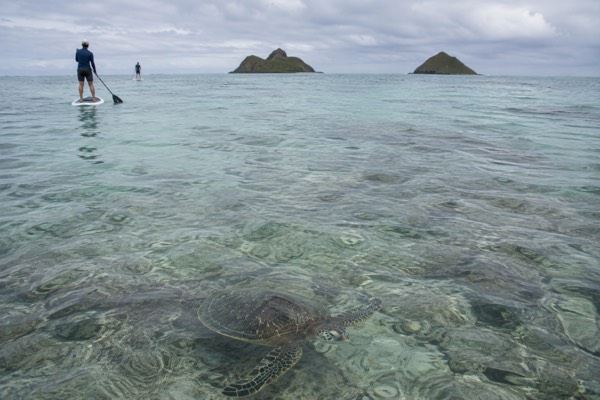
Wildlife encounters at Lanikai are usually of the honu kind: green sea turtles graze the nearshore waters here as they do along much of this coast. The rules around them are worth getting exactly right, because sloppy guides get them wrong. The 10-foot distance from honu is a recommended guideline, not a statutory line, but touching, chasing or otherwise harassing a turtle is illegal under federal and state law regardless of distance. Stay at least the recommended ten feet away, give the turtle room to move, and never feed, touch or ride one. If monk seals haul out on the sand, keep at least the recommended 50 feet away, or 150 feet from a mother and pup, and obey any larger marked buffer.
For a dedicated guided turtle snorkel, Living Ocean’s Turtle Canyon outing leaves from Kewalo Basin on the south shore. It includes gear and requires basic swimming ability. Its no-turtle policy is a later re-ride under its terms, not a guaranteed sighting or a refund.
This is a boat outing from a different location. Allow for its check-in and journey rather than treating it as an activity that starts at Lanikai.
Is The Lanikai Pillbox Hike Worth Doing?
The Kaʻiwa Ridge, or Lanikai Pillbox, hike offers views above the beach but involves a steep, exposed route with uneven footing. Decide whether the trail suits your group, check current access and weather, and bring water and suitable footwear. A sunrise visit adds a dark approach and needs extra preparation.
The trailhead area is off Kaʻelepulu Drive in a residential neighborhood, with limited legal access and no dedicated trail parking. Check current trail notices, including temporary closures, and stay on the permitted route. An early arrival does not override parking or property restrictions. The full Lanikai Pillbox hike page covers the route and planning.
A hike and beach visit can share a day when access, conditions and your group’s ability support both. Leave enough time for the route and return, and do not make a swim the automatic next step. Wet footing and exposed heat can change the plan; use the current local forecast.
What Are The Mokulua Islands, And Can You Visit Them?
The Mokulua islands are Moku Nui and Moku Iki, protected offshore wildlife sanctuaries. Permitted commercial landings are at Moku Nui, not Moku Iki, with access restricted below the high-water mark. A guided kayak visit is a separate activity with swimming, fitness, age and time requirements; viewing the islands from the beach is free.
The sanctuary rules protect nesting seabirds and habitat. Stay out of the islands’ interiors, obey wildlife buffers and temporary closures, and leave everything in place. Commercial sanctuary landings, including rented kayaks, are prohibited on Sundays. Choose the outing around the operator’s conditions assessment and your group’s ability.
Kailua Beach Adventures’ selected five-hour guided Mokulua tour meets at 130 Kailua Road, 15 minutes before departure. Group age is 13+, everyone must swim and be fit for the demanding paddle; ages 13–16 share a tandem with a parent or guardian. Lunch, snorkeling equipment and landing fees are included; hotel transport is not. Guests cart kayaks to and from the beach because the commercial activity starts at the shop.
The shorter Popoia outing visits a nearer island, not the Mokuluas. Its group minimum is eight, all participants must swim and have moderate fitness, and under 16s share a tandem with an adult 18+. Allow about 2.5 hours plus check-in and extra beach time; the selected ticket includes lunch and snorkeling gear with independent arrival.
From the sand, the islands are a view you can enjoy without an activity booking. Let conditions and your group’s interests decide whether the offshore outing belongs in this trip.
Is Lanikai Beach Worth The Trip From Waikīkī?
Lanikai can be worth the journey for its sand and offshore-island view, especially when a short beach visit fits your plans. It has no lifeguards, public lot or beach facilities, so allow for the actual arrival and return. You do not need to add a swim or hike to make the visit worthwhile.
The practical comparison is with Kailua Beach Park: lifeguards, restrooms, showers and a public lot there, versus the more limited facilities at Lanikai. Both face changing conditions. Choose the place that fits your group and use the public route and access lanes if visiting both.
If your Oʻahu time is short, compare the full windward journey with the other things you want to do. The 3 day Oahu itinerary pages help with that trade-off. Keep a beach visit focused if the remaining day needs to happen elsewhere.
If your priority is learning to surf instead of this particular beach, the selected two-hour Surfer Girl Academy group lesson is in Waikiki, with up to four students per instructor and a minimum age of 12. It is a different outing with its own participant requirements and meeting point.
Common Questions About Lanikai Beach, Oʻahu
Lanikai has no public beach parking lot, restrooms or lifeguards. The public beach visit is free, while transport and optional tours cost extra. Check current access and conditions; early arrival does not guarantee a legal space or suitable water.
Is Lanikai Beach free?
Yes. There is no beach admission fee or ticket. Your only costs are getting there and whatever you bring. There are no rentals or food vendors on the beach, so carry water in and rubbish out.
Where do I park for Lanikai Beach?
There is no beach parking lot. Street parking on the surrounding residential blocks is limited and posted restrictions are enforced, and the specific rules change, so read the signs on the day. The practical fallback is the public lot at Kailua Beach Park, from which you follow the public pedestrian route around Alāla Point and use public beach-access lanes.
Is Lanikai Beach good for swimming?
Conditions vary, and there are no lifeguards. Check current wind, swell and warnings and stay out if uncertain. A morning arrival or a reef does not establish that swimming is suitable.
Can you see turtles at Lanikai Beach?
Sometimes, yes: green sea turtles graze the nearshore waters along this coast. Keep at least 10 feet away, which is the recommended guideline, and never touch, chase or feed one, which is illegal regardless of distance. A guided snorkel elsewhere is a separate activity; its re-ride policy does not guarantee sightings or a refund.
What is the best time to go to Lanikai Beach?
Sunrise can suit the view, but check its local time for your actual date and plan a quiet, legal arrival. Conditions and parking vary throughout the day; an early visit is not a guarantee.
Is Lanikai Beach or Kailua Beach better?
Depends on the day you want. Lanikai has the offshore-island view but no public beach facilities or lifeguards; its water is not automatically calmer. Kailua Beach Park has lifeguards, restrooms, showers, a parking lot and easier bus access. Families usually do better at Kailua; early risers and photographers at Lanikai.
Lanikai earns its reputation the honest way, with water that really is that colour and a sunrise that really is worth the alarm, and it asks a fair price in return: an early start, a walk, and the good manners of a guest in someone's neighborhood. Go once, go early, and you will understand why the residents guard it.
Choose Your Lanikai And Kailua Day
The beach is free. If you want an activity, compare the guided Mokulua paddle with the nearer Popoia outing, a selected kayak shuttle or independent transport. Turtle snorkeling and surf lessons are separate south-shore choices.
Mokulua Guided Kayak And Snorkel
Choose a guided island outing with time for check-in and the full journey.
Five-hour guided outing from 130 Kailua Road; arrive 15 minutes early. Group age 13+, all participants must swim and be fit for a demanding paddle. Ages 13–16 share a tandem with a parent/guardian; minors need an accompanying parent/guardian. Guests cart kayaks to and from the beach. Lunch, snorkeling equipment and landing fees included; hotel transport not included in this ticket. Weather and sanctuary restrictions can change the trip. Selected cancellation deadline: 24 hours.
Compare Two Complete Beach Days
Enter USD estimates for the same party and date. Option A combines an optional activity with transport and unbundled extras. Option B is your complete alternative day. Use zero for a free activity and do not add included lunch, equipment, landing fees or shuttle twice. These are your estimates, not live quotes.
Select dates and everyone travelling on the provider’s website, then review the final price and booking conditions.