Rainy Day Activities On Oahu: What To Actually Do When It Pours
Rain on Oahu is usually a localised, short-lived thing, but when a real front sits over the island you still have plenty of options, from world-class museums to tours that happen entirely underwater.
Short answer
Most Oahu rain is brief and localised, so the best rainy day plan is usually to wait an hour or relocate to the dry side of the island. If rain settles in, head for Bishop Museum, the Pearl Harbor historic sites, an aquarium or zoo visit, or a submarine and underwater scooter tour where the weather does not matter at all.
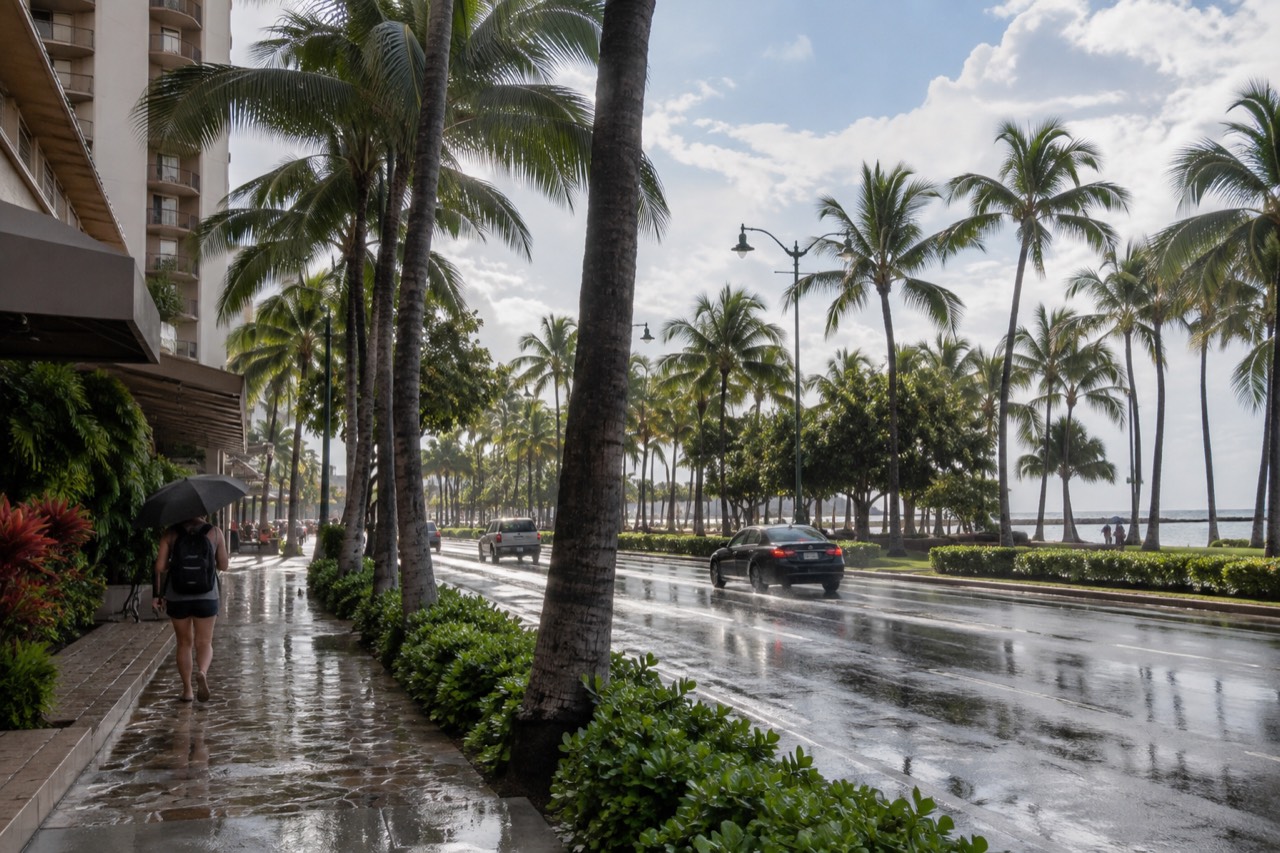
Rain on Oʻahu is rarely the all-day, island-wide event that visitors from the mainland picture. It is far more often a shower over one valley while the next beach over stays dry. But real rain days happen, especially between November and March, and a washed-out morning can strand a family with no plan and a rental car going nowhere. This guide lays out what actually works: which indoor sites are worth the drive, which water activities ignore the weather completely, and how to reroute a full day when the forecast turns.
Is Rain On Oahu Actually A Problem?
Most of the time, no. Oahu rain is heavily localised and often brief, and the leeward side around Waikīkī and the airport averages only about 16 inches a year. But the same island holds valleys that receive more than 150 inches a year, so a wet day in Mānoa can coexist with a dry morning in town. The practical problem is not the rain itself, it is booking a day around one spot without a fallback.
The contrast between the wet and dry sides of Oʻahu is dramatic and well documented. NOAA's 1991-2020 climate normals put Honolulu International Airport at 16.41 inches of rain per year, the driest of the island's long-record stations. Five miles away, the Lyon Arboretum station in Mānoa records 150.96 inches per year, and every single month there is wetter than the airport's wettest month. That is more than nine times the rain, in a valley you can drive into from Waikīkī in a short hop.
What this means for a visitor is simple. A grey sky over your hotel in Waikīkī does not tell you what the weather is doing on the North Shore, and a downpour at 9 a.m. often clears by 11. The mistake is treating rain as a verdict on the whole day rather than a scheduling problem.
| Station | Side of the island | Annual rainfall | Character |
|---|---|---|---|
| Honolulu International Airport | Leeward (Waikīkī side) | 16.41 in | Driest; June averages 0.50 in |
| Kāneʻohe Bay MCAS | Windward coast | 27.82 in | November wettest at 3.68 in |
| Lyon Arboretum, Mānoa | Windward valley, ~5 mi from Waikīkī | 150.96 in | July alone averages 15.35 in |
If you want the deeper picture of when these wet spells cluster, the Oahu rainy season guide covers the seasonal pattern month by month.
Which Indoor Oahu Activities Save A Rainy Day?
The strongest indoor options are Bishop Museum for natural history and Hawaiian culture, the Pearl Harbor historic sites and their museums, Waikīkī Aquarium, and the Honolulu Zoo, which is mostly an outdoor walk but workable in light rain. Iolani Palace offers guided interior tours, and the International Market Place gives you a covered open-air stroll with food nearby. All are reachable by bus or a short drive from Waikīkī.
For an indoor evening option, book a magic show ticket here.
Bishop Museum is the heavy hitter. It holds one of the world's great collections of Hawaiian and Pacific cultural material, plus a science centre and a planetarium, and it is the kind of place where a planned two-hour visit quietly becomes four. The Bishop Museum guide covers what to prioritise if you only have a wet afternoon.
Pearl Harbor behaves well in rain. The visitor centre and the two on-site museums are substantially indoor, the USS Bowfin Submarine Museum and Park is mostly covered, and the USS Missouri and USS Arizona Memorial programs run in light rain, though the memorial program itself can suspend in strong wind or lightning. Park entry is free, parking is $7 per day, and bags of any kind are prohibited, with paid storage near the entrance. The Pearl Harbor day trip planner handles the timing in detail.
Waikīkī Aquarium is small, inexpensive and genuinely good, focused on Hawaiian and Pacific reef life, and it sits at the quiet end of Waikīkī next to a marine conservation zone. The Waikīkī Aquarium guide tells you what to look for. On a day with on-and-off drizzle rather than a downpour, the Honolulu Zoo in Kapiʻolani Regional Park also works, since you can dash between exhibits and retreat to covered areas between showers.
| Indoor or covered site | Type | Rain suitability | Notes |
|---|---|---|---|
| Bishop Museum | Museum, planetarium | Excellent, mostly indoors | Plan half a day; cultural collections are the draw |
| Pearl Harbor museums and USS Bowfin | Historic sites | Excellent for museums; memorial can pause in wind | Free entry; $7 parking; no bags allowed |
| Waikīkī Aquarium | Aquarium | Excellent, compact | Short visit, easy from Waikīkī |
| Iolani Palace | Historic palace tour | Excellent, interior tour | Check tour times before you go |
| International Market Place | Open-air shopping, roofed | Good in light rain | Food options on site |
| Honolulu Zoo | Zoo, partly covered | Fair in drizzle only | Combine with aquarium as a wet-walk circuit |
One planning note that pays for itself on a wet week: a multi-attraction pass can cover a stack of these indoor and covered stops in one purchase, so a rain-derailed day does not also become a double-spend on tickets you already bought individually.
Getting between these places without a car is straightforward. TheBus and the Skyline rail line share one fare structure, a HOLO card caps at $7.50 per day no matter how many rides you take, and a child five and under rides free with a paying adult. The Skyline has no Waikīkī station, so rail trips start with a bus transfer, but it does reach the airport and the stop for Pearl Harbor. The Honolulu Skyline rail guide has the details.
Can You Still Get In The Water When It Rains On Oahu?
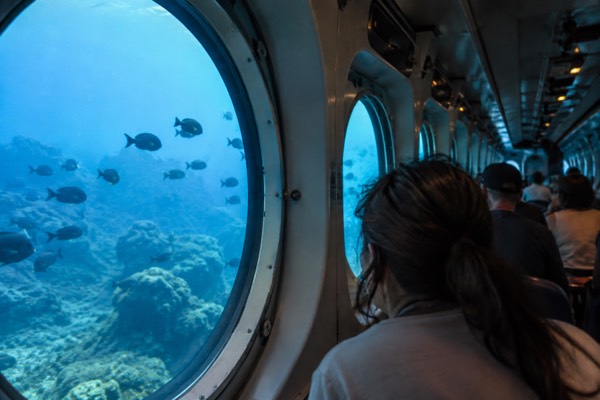
Yes, and in some ways rain is irrelevant to the best of it. A submarine dive descends about 100 feet and a self-propelled underwater scooter keeps your head in an air bubble, so the surface weather barely matters to either. What rain does affect is nearshore snorkelling, where heavy runoff can cloud the water, and boat trips, which depend on sea conditions rather than the rain itself.
The two most weatherproof water experiences on the island are, conveniently, also two of the most memorable ones. The Atlantis submarine adventure out of Waikīkī takes the boat out, submerges, and gives you a window on reefs, shipwrecks and fish at depth. Rain on the surface does not follow you down.
The submarine scooter tour is the stranger and arguably better rain-day pick. You ride a boat out, climb into a seated underwater scooter with a bubble of air around your head, and drive yourself along the reef. No swimming skill is needed and no certification is required, which makes it work for a family with mixed confidence levels in the water.
Snorkelling is the one water activity where rain genuinely changes the calculus. A passing shower is nothing; a sustained downpour sends sediment and runoff into nearshore water and visibility drops. Hanauma Bay, the island's flagship snorkel site, is closed Mondays and Tuesdays regardless of weather, and its reservation system opens two days ahead at 7 a.m. HST, so a rainy-day snorkel there is a decision you make well before you see the sky. If the rain looks settled, swap the shore snorkel for one of the two tours above and keep the reef for a clearer day.
What Are The Best Rainy Day Activities On Oahu With Kids?
With kids, the strongest rainy day stack is Bishop Museum in the morning, the aquarium or zoo in the afternoon, and a food stop at the International Market Place in between. If the children are old enough, the underwater scooter tour is the wildcard that turns a washed-out day into the one they talk about afterward. TheBus fare caps at $7.50 a day per adult on a HOLO card, and children five and under ride free.
Bishop Museum earns its place twice over for families: the Hawaiian Hall is genuinely engaging for children, and the science building gives them somewhere to burn energy while the adults catch their breath. The aquarium is a shorter stop, maybe an hour, which pairs well with lunch nearby. The full index of guides sits on Oahu Travel Guide.
The scooter tour deserves a second mention here because it solves the hardest rainy-day problem with kids, which is that they still need to burn energy and a museum only holds them for so long. Being underwater, moving, steering and looking at fish is active in a way no indoor site is.
One caution worth passing on: do not turn a rainy day into an improvised hike. The Mānoa Falls trail, which families often pick because it is short, is exactly the kind of valley where the 150-inch rainfall number comes from, and the path gets slick and muddy fast. The trail itself is free, but the private lot charges for parking, and a wet day there is a miserable day. Save it for dry weather and read the Mānoa Falls trail guide when the sun is back.
Does Rain Ruin A North Shore Or Windward Day?
Not automatically, but it changes which stops make sense. The North Shore towns of Haleʻiwa and Waimea work in drizzle, with shave ice and food trucks that stay open. The problem spots are exposed lookouts and coastal trails, and two are closed for storm repairs anyway: Nuʻuanu Pali Lookout and Kaʻena Point are shut until further notice following Hurricane Lowell, so neither belongs on a plan right now.
The closure point matters more than the rain point. As of the state parks notice dated 9 September 2026, Nuʻuanu Pali State Wayside and the Mokuleʻia and Keawaʻula sections of Kaʻena Point State Park are closed until further notice for storm repairs, along with Wahiawā Freshwater State Recreation Area. A rainy-day article that sends you to the Pali Lookout would be sending you to a closed gate, wet or not.
The North Shore itself is still viable in light rain. Haleʻiwa town is a walkable cluster of shops and food, the shrimp trucks run through most weather, and shave ice does not care about a drizzle. Waimea Valley is a good half-rainy option too: it is a paved, mostly gentle walk through botanical gardens to a waterfall, open Tuesday to Sunday and closed Mondays, with adult admission at $26 and children 4 to 12 at $18. Bring an umbrella and it works in anything short of a downpour. The Waimea Valley guide covers the walk.
The windward side, Kailua and Kāneʻohe, is the wetter side of the island by the numbers, so a grey day is more likely to be grey there. That cuts both ways: the rain is what makes the Koʻolau cliffs look the way they do, and an overcast windward day is often the most photogenic one. Just do not plan a beach hour there on a day the forecast is solidly wet.
How Do You Reroute A Full Oahu Day Around Rain?
Start by checking which side of the island is actually wet, since the forecast for Waikīkī tells you little about the North Shore. If rain is island-wide and settled, build the day indoors and underground: a museum morning, an underwater tour at midday, and a covered-market afternoon. If rain is patchy, keep your original plan but reverse the order, putting the outdoor stops in the dry window and the indoor stops as the flexible filler.
The reroute is easier if you think of your day as blocks rather than bookings. A realistic wet-day sequence, paced for a family or a couple without a car, looks like this:
| Time | Block | Why it works in rain |
|---|---|---|
| 8:30-9:00 | Breakfast near the hotel, check the live radar | Rain decisions are made with current data, not yesterday's forecast |
| 9:00-12:00 | Bishop Museum | Fully indoor, big enough to absorb a morning |
| 12:00-13:00 | Lunch at the International Market Place | Roofed, central, no reservation pressure |
| 13:30-15:30 | Submarine or scooter tour out of Waikīkī | Weatherproof by design; book the day before |
| 16:00-17:00 | Waikīkī Aquarium | Compact, indoor, fits the leftover hour |
| Evening | Dinner and a show or a relaxed walk if skies clear | Sunset never runs later than about 7:17 p.m. on Oahu, so evenings are short |
Two practical anchors make this reroute work. First, book the underwater tour the day before, because the popular departure times fill first and a rainy day sends everyone to the same weatherproof options. Second, remember that Oahu evenings are short: the latest sunset of the year is about 7:17 p.m. in early July, and by winter it is closer to 5:55 p.m., so an overcast afternoon turns dark earlier than most visitors expect. Plan the indoor anchor for late afternoon, not for after dinner.
If only part of the day is wet, the single best move is the swap: keep your outdoor stop but move it into the dry window, and let the museum or aquarium absorb the wet hours. The full list of options lives on the Things to Do in Oahu page, which is worth a skim on any trip, rain or not.
For a wider set of experiences that can absorb a reshuffled day, these three are the ones we would shortlist from the weatherproof end of the catalogue:
Common Questions About Rainy Days On Oahu
Most rainy day questions about Oahu come down to three things: whether the rain is island-wide, whether your booked activity actually cares about rain, and whether the spot you were heading to is even open. Rainfall varies more than ninefold between the island's wet and dry corners, submarine dives ignore the weather entirely, and two popular lookouts are currently closed for storm repairs, so check the radar, check the listing, then choose between waiting and relocating.
Does it rain all day on Oahu?
Sometimes, but not usually. The leeward side around Waikīkī averages only about 16 inches of rain a year, and much of it falls in short showers. Sustained all-day rain happens most often in the wetter winter months and in the valleys, not across the whole island at once.
What is the rainiest part of Oahu?
The windward valleys. The Lyon Arboretum station in Mānoa records about 150 inches of rain a year, roughly five miles inland from Waikīkī, which is more than nine times what the airport area receives. The windward coast sits in between, around 28 inches a year.
Is Oahu still worth visiting in the rainy season?
Yes. Rainy season showers are typically brief and localised, and the winter months bring humpback whales to Hawaiian waters from November through April. Plan a flexible day with one indoor anchor and the rain stops being a problem.
Can you snorkel on Oahu when it rains?
A passing shower is fine, but heavy rain clouds nearshore water with runoff and hurts visibility. Hanauma Bay closes Mondays and Tuesdays regardless, and its reservations open two days ahead at 7 a.m. HST. If rain is settled, a submarine or underwater scooter tour is the better water choice.
What is closed on Oahu right now that a rainy day plan should avoid?
As of the state parks notice dated 9 September 2026, Nuʻuanu Pali State Wayside, the Mokuleʻia and Keawaʻula sections of Kaʻena Point State Park, and Wahiawā Freshwater State Recreation Area are closed until further notice for storm repairs following Hurricane Lowell. Do not build a lookout or coastal trail plan around them until they reopen.
Is Diamond Head a good rainy day hike?
Not really. The trail is exposed with no shade, the path gets slick, and out-of-state visitors need a reservation for entry and parking regardless of weather, with a $5 per person entry fee and $10 per vehicle, card only. Save it for a clear morning and check the current requirements in the Diamond Head State Monument guide.
Rain on Oʻahu is a scheduling problem, not a trip-ender, and the island gives you more weatherproof options than most destinations twice its size. Check the radar, keep one indoor anchor in your pocket, and let the shower pass.