Bishop Museum On Oʻahu: What A Visit Actually Involves
The Bishop Museum is Oʻahu's home for Hawaiian and Pacific history and culture, and it asks more of your schedule than most Waikīkī-area stops. Here is what a visit involves: access, timing, cost and an honest verdict.
Short answer
The Bishop Museum sits in Honolulu away from the beach corridors, needs roughly half a day, and charges admission listed on the museum's own site. It rewards visitors who arrive early, take the included programming seriously, and treat the collections as the reason they came.
The Bishop Museum is the kind of place that gets a respectful mention in most Oʻahu itineraries and a proper visit from very few of them. That gap is the subject of this guide. The museum holds Hawaiian and Pacific cultural and natural history collections, it sits in Honolulu rather than on a beach, and it takes real planning to reach from Waikīkī. None of that is a reason to skip it. It is a reason to plan it properly, which is what the sections below do: what the museum is, how to get there without a car, what tickets and timing involve, how long to allow, and whether it belongs on your list at all.
One framing note before the practicalities. Hawaiian history is not a decorative theme here, it is the content. The museum is one of the few places on the island where a visitor can spend three hours engaging with the history of the Hawaiian Kingdom, the revival of ʻōlelo Hawaiʻi as an official state language, and the natural history of the archipelago, all under one roof. For a fuller island picture, our Things to Do in Oahu page places the museum among the wider options, and the Oahu Travel Guide homepage covers the planning basics.
What Is The Bishop Museum And What Will You Actually See?
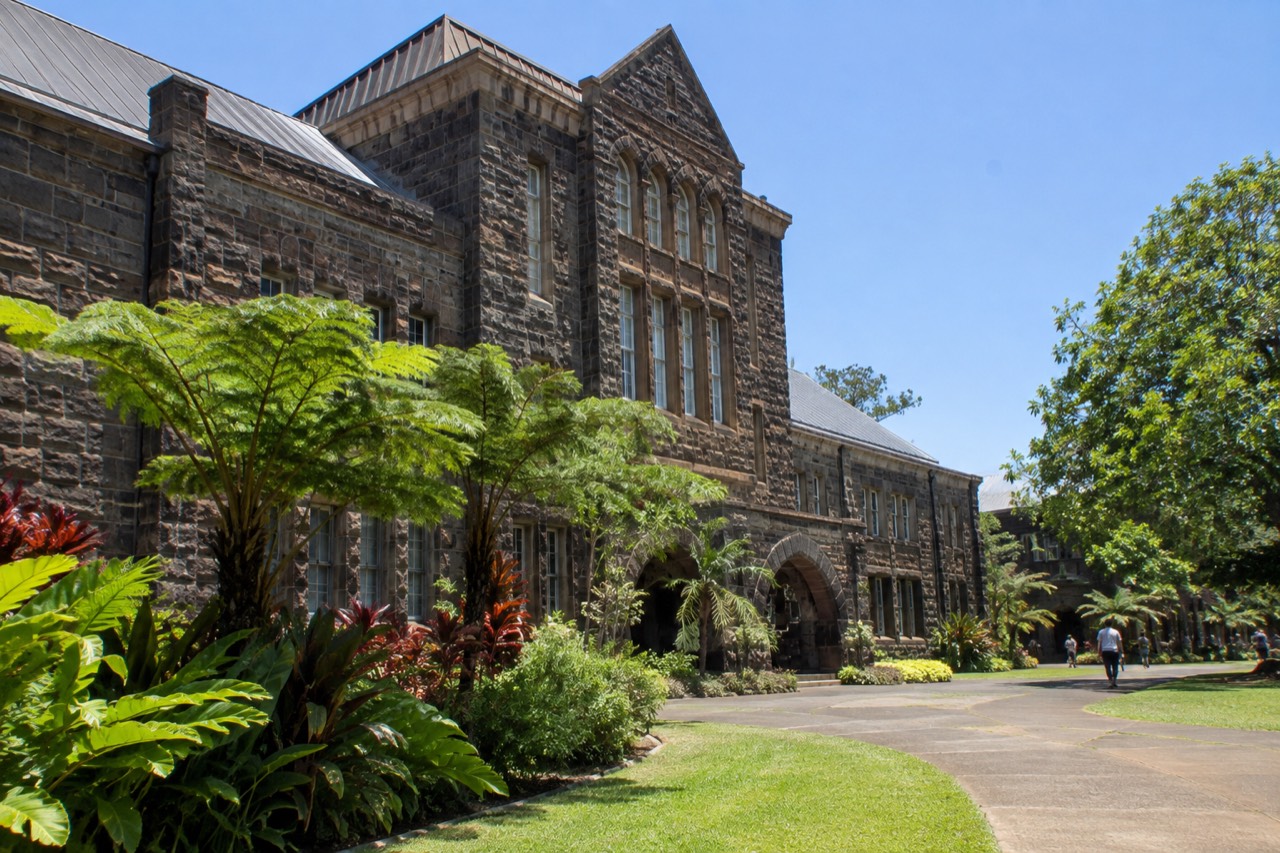
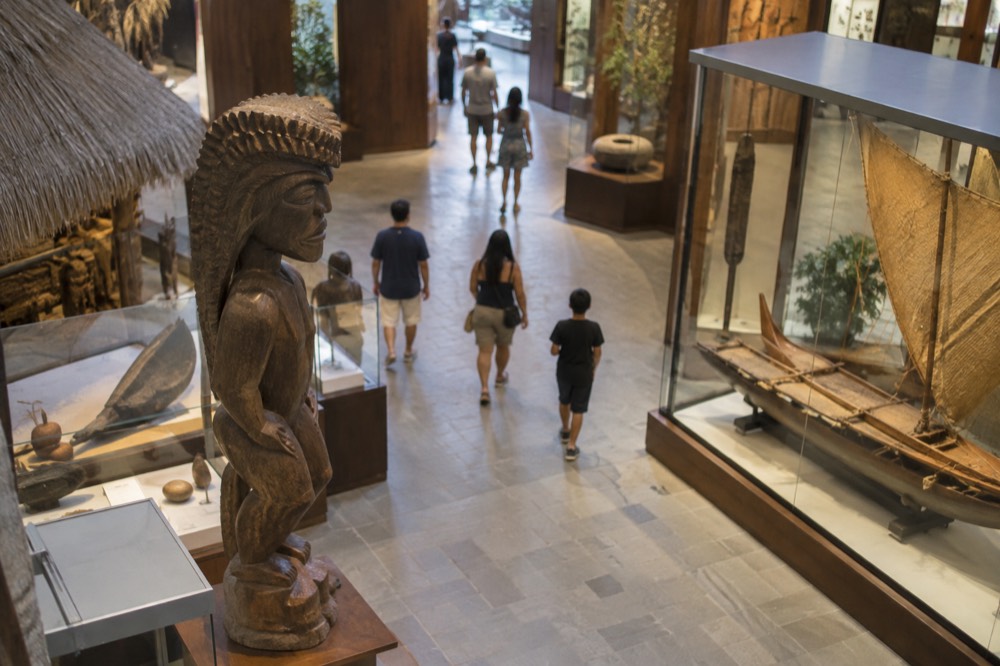
The Bishop Museum is a museum of Hawaiian and Pacific culture and natural history in Honolulu, built around historic exhibition halls rather than a single modern gallery. A visit typically means the main Hawaiian history halls, a natural science section covering the islands' volcanoes and native species, and a changing programme of special exhibitions and live presentations. The scale is genuine: this is a half-day institution, not a rainy-hour stop.
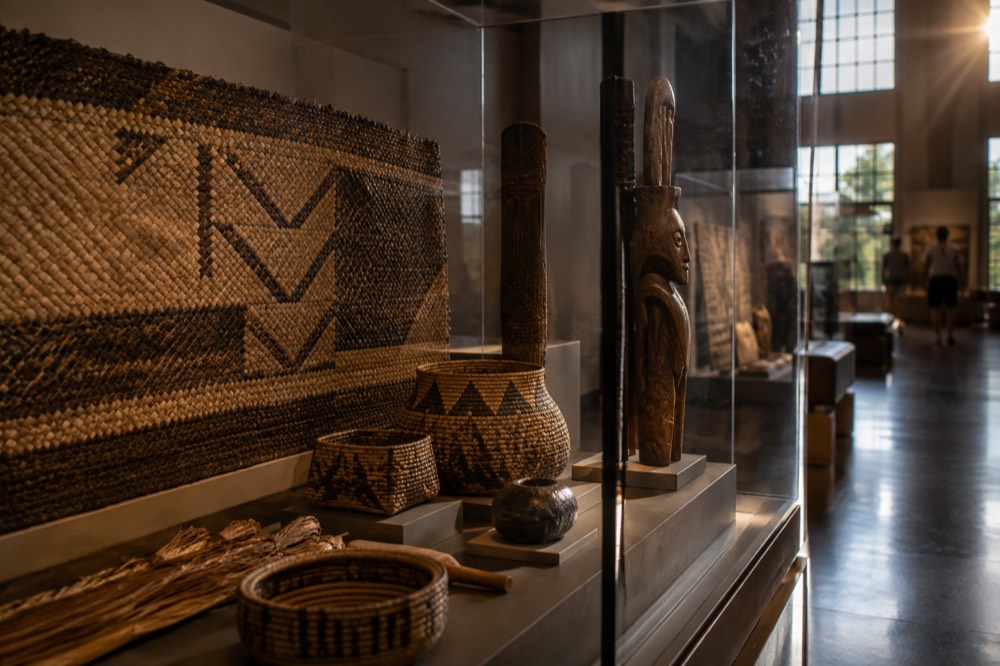
The honest description is that the museum is really three visits in one. The historic halls carry the Hawaiian and Pacific collections, which is the reason most people give for coming. The science wing handles the geology and biology of the archipelago, including how a remote chain of islands in the middle of the Pacific came to support species that exist nowhere else. And the live programming, talks and demonstrations scheduled through the day, is what turns a walk past display cases into something closer to a guided experience.
The third of those is the one visitors most often miss. Sessions are scheduled, not continuous, so the timing of your arrival determines whether you get them. Check the day's schedule when you buy your ticket and plan the halls around the presentations rather than the other way round. That single habit is the difference between a two-star afternoon and a five-star one.
A note on conduct that applies to any institution holding Hawaiian cultural material. Some items on display are sacred or significant, and photography rules vary by hall. Follow posted signage, and if a gallery asks for restraint, give it. The cultural context for this, and for how this site writes about Hawaiian history generally, is simple: Hawaiian is a living culture and an official language of the state, not a theme. A museum visit is one of the better ways to engage with that honestly.
How Do You Get To The Bishop Museum From Waikīkī?
The museum sits in Honolulu away from the resort strip, so every option involves a real journey. By public transport you are looking at a bus ride, or a rail and bus combination, using one fare system: a HOLO card caps adult charges at $7.50 per day no matter how many times you tap. By car or rideshare it is a straightforward city drive, and the museum operates its own parking, with current rates on the museum's site.
The transit detail worth knowing is that TheBus and Skyline share one fare structure. A single adult cash fare on the bus is $3.25 with no transfers, but a HOLO card ride is $3.00 and includes two hours of unlimited transfers across both bus and rail. Load a card, tap on, and the system charges you up to $7.50 in a day and nothing beyond it. For a museum round trip with a stop somewhere else, the day cap does the work.
The rail has a catch that matters here. There is no Skyline station in Waikīkī, so a rail journey starts with a bus transfer, and the line serves the corridor between the airport and the stadium area rather than the museum's neighbourhood directly. In practice, bus routes are the simpler answer for this particular trip. Check current route numbers on the transit agency's site before you travel, because routes change more often than fares do.
If you are staying in Waikīkī without a car and want the museum plus a bit of the city around it, a hop-on trolley product is the other option. It runs a fixed circuit of Honolulu stops and suits visitors who prefer a sightseeing loop over point-to-point transit.
For everything else on the island, our car rental on Oahu and do you need a car on Oahu guides cover the decision properly, and the wider question of getting around is worth settling before you commit to a museum day.
| Transport option | Fare basis | Best for | Watch out for |
|---|---|---|---|
| TheBus with HOLO card | $3.00 per ride, 2 hours of transfers included | Budget travellers, one-way planning | Route changes; check the current route before you go |
| HOLO day cap | $7.50 maximum per day | Museum plus other stops the same day | Card costs $2.00 to buy if you do not have one |
| Bus cash fare | $3.25, exact fare, no transfers | One-off trips without a card | No transfer means a return trip costs double |
| Skyline rail plus bus | Same HOLO fares as the bus | Trips along the rail corridor | No Waikīkī station; a transfer is always required |
| Car or rideshare | Metered or app fare, plus museum parking | Families, tight schedules, rainy days | Confirm current parking rates on the museum's site |
How Much Does Bishop Museum Admission Cost, And Do You Need To Book Ahead?
Admission prices are listed on the museum's own ticketing page and change often enough that this guide will not print a number, but the structure is stable: adults, seniors, youth and children pay different rates, Hawaii residents pay less, and some programmes and special exhibitions are ticketed separately. Booking online in advance is the sensible default, because timed entry and popular presentation slots can fill on busy days.
Buy ahead, check whether the live presentations you want are included in general admission or ticketed separately, and look at the resident rate rules if anyone in your party holds a Hawaii ID.
There is one genuinely useful bundle worth knowing about if the museum is one stop on a longer list. An all-inclusive attractions pass sold on the operator's live listing covers entry to more than forty Oʻahu sights and tours on a single ticket, museums among them. Whether it saves money depends entirely on how many of the included stops you will realistically visit, so do the arithmetic against your own plan rather than the marketing.
If your trip is museum-light and beach-heavy, skip the pass and buy direct. If you are the kind of traveller who racks up four paid sights a day, it deserves a look.
How Long Should You Spend At The Bishop Museum?
Plan on half a day, roughly three to four hours, as the realistic minimum for a proper visit. The main halls alone absorb two hours if you read anything, the science wing adds another hour, and the live presentations run on a fixed daily schedule that can extend your stay further. Visitors who arrive with only an hour to spare tend to leave having seen the building but not the museum.
The scheduling advice follows from that. Arrive at opening time. The first hour of the day is the quietest, the presentations are fresher, and you leave yourself room to double back to anything that deserved longer. An afternoon arrival with a dinner reservation hanging over you is the worst version of this visit, because the museum rewards slow reading and punishes clock-watching.
Families should budget differently rather than less. The science wing and the live programming are the parts that hold children's attention, so structure the visit around those and treat the historic halls as the bookends. If you are planning a wider family trip, our Oahu with kids family travel guide places the museum in a full kid-friendly itinerary.
The other honest point about timing: the museum is one of the best rainy-day answers on the island, and Oʻahu does have rainy days, more than the brochures admit.
That is the real argument for keeping the museum in reserve: it is the one heavyweight indoor attraction that converts a washed-out afternoon into the best part of your trip. Our rainy day activities on Oahu page lists the alternatives, but the museum is the anchor of that list.
Is The Bishop Museum Worth The Trip From Waikīkī?
For most visitors, yes, with one condition: you have to actually want the content. Travellers who enjoy history, who want context for the Hawaiian places they are visiting, or who are travelling with curious kids get an experience nothing else on the island matches. Travellers who skim plaques and photograph buildings will find a long transit ride and a bill, and they should be honest with themselves beforehand.
The case for the museum is the case for context. Oʻahu's headline sights, the palace downtown, the heiau on the North Shore, the place names on every road sign, all make more sense after a few hours here. The island rewards visitors who arrive knowing something, and this is the single most efficient place to acquire that knowledge. It is also one of the few major attractions where the visit is calm by design: no queues for a photo spot, no parking scramble, no competition with five thousand other people at the same viewpoint.
The case against is logistical, not qualitative. It is the farthest-flung of Honolulu's big cultural stops from Waikīkī, it consumes half a day, and it competes directly with beach time in a way that the downtown historic district does not. If your trip is four days or fewer and your party is lukewarm on museums, the honest advice is to fold the museum into a downtown Honolulu day rather than making it a standalone expedition.
To make that judgement concrete, it helps to compare the museum against the other heavyweight cultural stops on the island. The table below is not a ranking, it is a decision aid: each row tells you what the stop costs you in time and logistics, which is usually the deciding factor when the content itself is strong across the board.
| Cultural stop | Time needed | Transit effort from Waikīkī | Best fit |
|---|---|---|---|
| Bishop Museum | Half a day | Cross-town bus or car ride | History and context first, rainy days |
| ʻIolani Palace, downtown | 1 to 2 hours | Short bus or trolley hop | Pairs with the museum on one day |
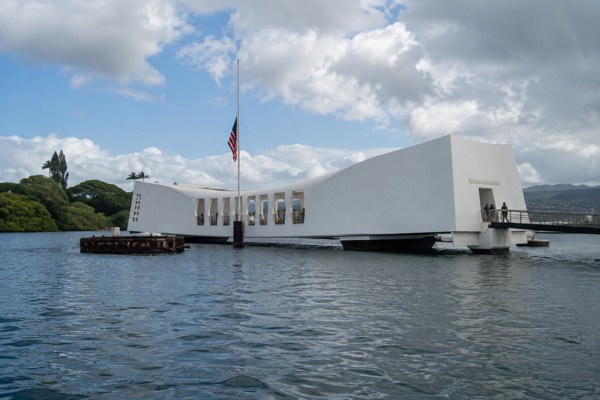
| Pearl Harbor National Memorial | Half a day or more | Bus, rail plus bus, or car | First-time visitors, history of the war in the Pacific |
| Polynesian Cultural Center | A full day | Long drive to Lāʻie | Families wanting a full-day cultural outing |
| Waikīkī Aquarium | 1 hour | Walkable from Waikīkī | A quick stop, not a destination |
What Can You Combine With A Bishop Museum Visit?
The strongest pairing is a downtown Honolulu and Chinatown day, using the museum as the morning anchor and the historic district as the afternoon. The palace, the state government buildings and Chinatown's shops and food sit in a compact walkable area, and the bus network connects the two without a car. A second option is to fold the museum into an arrival or departure day, when you are near the airport corridor anyway.
The logic of the pairing is geography. The museum and the downtown historic core are both on the Honolulu side of the island, both are indoor-heavy, and both reward the same kind of visitor. Do the museum in the morning at opening, take a bus toward downtown, and spend the afternoon at ʻIolani Palace and the surrounding historic district. Our downtown Honolulu guide and Chinatown Honolulu guide cover the afternoon half in detail.
If you would rather outsource the driving, a circle-island sightseeing tour is the other way to build a day around Honolulu's cultural highlights, though it trades depth for coverage. The most-booked version of that day runs a full loop with a guide, which suits first-time visitors who want the island's shape before choosing where to go deep.
The pass option returns here too. If the museum, the palace and several other paid sights are all on your list, an all-inclusive pass covering dozens of Oʻahu attractions can turn four separate ticket desks into one decision made before you fly.
Common Questions About The Bishop Museum
Most questions about the Bishop Museum come down to three things: the price, which is published on the museum's own ticketing page and should be checked there rather than quoted here; the journey, which is a cross-town trip best handled by bus, trolley or car; and the time, which is half a day, not an hour.
Get those three right and the visit almost always lands well, because the museum itself rarely disappoints the people who make it through the door.
How much does the Bishop Museum cost?
Admission is listed on the museum's own ticketing page, with separate rates for adults, seniors, youth and children, and a discounted rate for Hawaii residents. Prices change often enough that quoting a figure here would risk misleading you, so check the official page before you plan the budget. If the museum is one of several paid sights on your itinerary, an all-inclusive attractions pass covering dozens of Oʻahu stops may work out cheaper than individual tickets.
How do I get to the Bishop Museum without a car?
By bus, using a HOLO card: each ride costs $3.00 and includes two hours of transfers, and total charges cap at $7.50 per day. The rail line does not serve the museum's neighbourhood directly and has no Waikīkī station, so a bus is the simpler answer for this trip. Check the current route number on the transit agency's site before travelling.
How long should I spend at the Bishop Museum?
Half a day. Three to four hours covers the main halls, the science wing and at least one live presentation, and arriving at opening time gives you the quietest hour plus room to revisit anything that deserved longer. An hour-long visit sees the building but not the museum.
Is the Bishop Museum good for kids?
Yes, with structure. The science wing and the scheduled live programming hold children's attention far better than the historic halls, so build the visit around the day's presentation schedule and treat the cultural collections as the bookends. Families doing a wider trip should fold it into a plan like the one in our Oahu with kids family travel guide.
Is the Bishop Museum worth it if I only have a few days on Oʻahu?
It depends on your party more than your schedule. If anyone in the group genuinely enjoys history and context, the museum is one of the highest-value half-days on the island. If your trip is short and the group is beach-first, fold it into a downtown Honolulu day rather than making it a standalone expedition, or save it for a rainy afternoon, which the island's rainfall data says you should expect at least occasionally.
Can I buy Bishop Museum tickets in advance?
Yes, and you should. The museum sells timed admission online, and popular presentation slots and busy days can fill. Booking ahead also lets you see the day's programme before you arrive, which is the single biggest factor in how good the visit turns out to be.
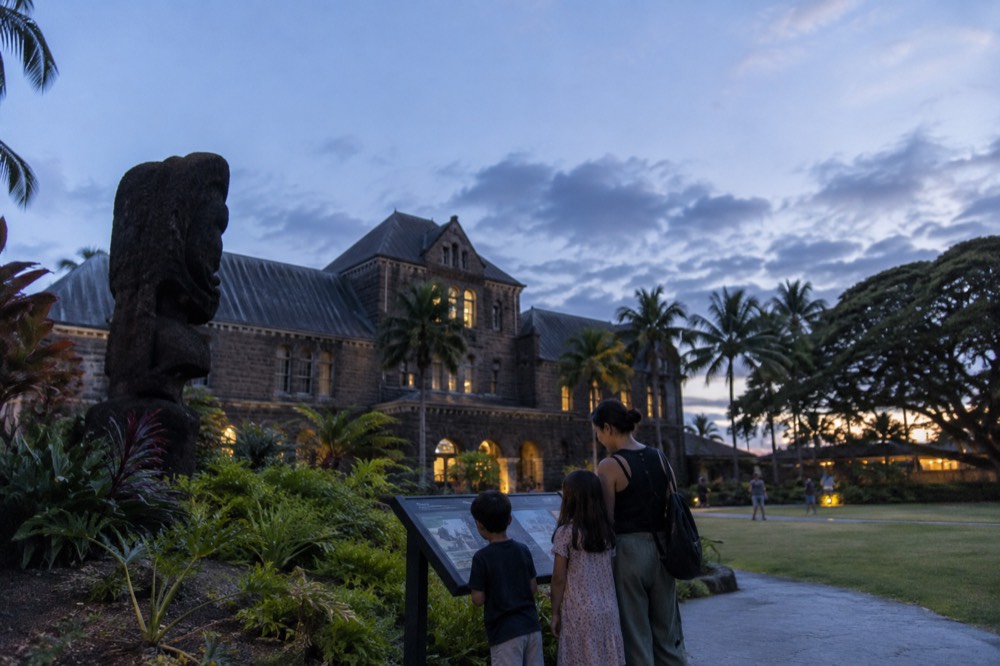
The closing thought is the one the whole guide rests on. The Bishop Museum asks more of you than any beach on the island, a cross-town journey, a half-day commitment, a ticket, and it gives back something no beach can: the context that makes every other stop on Oʻahu mean more. Plan it with the same seriousness you would give a hike, arrive early, book ahead, and build the rest of the day around it rather than squeezing it in.