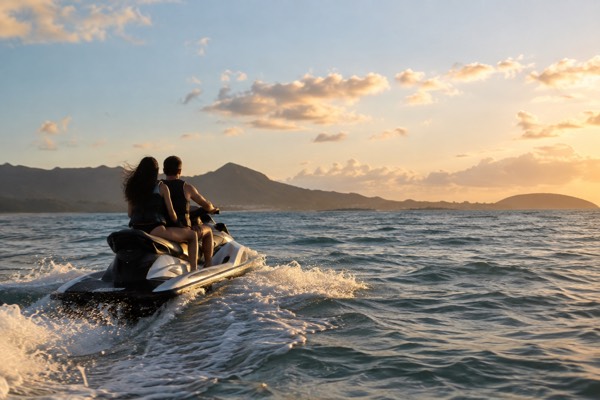
Waimanalo Beach, Oahu: What A Visit Actually Involves
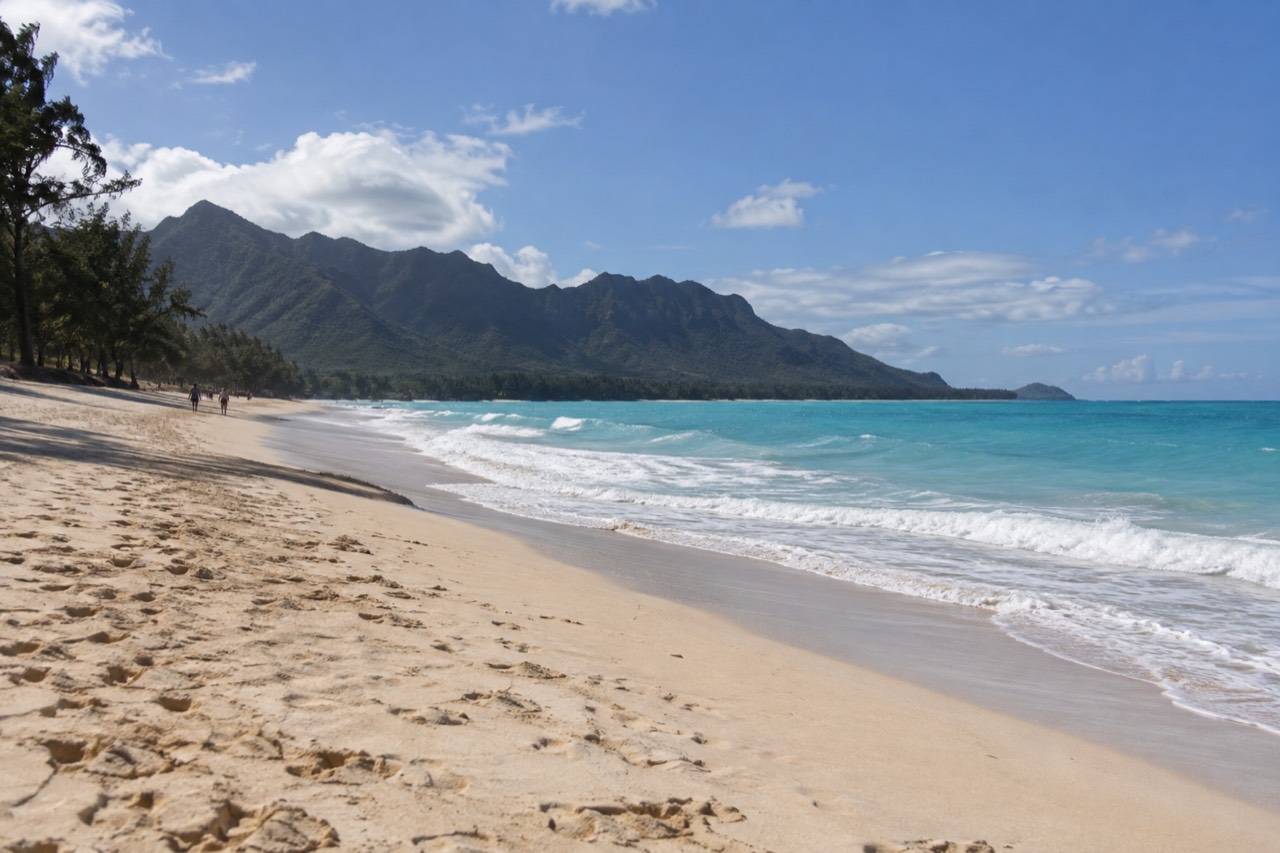
Waimanalo Beach is a long, quiet stretch of pale sand on Oahu's windward coast, backed by the Koʻolau mountains and far less crowded than the beaches nearer Kailua. Here is what a visit actually involves.
Short answer
Waimanalo Beach is a 4-mile stretch of sand and parkland on Oahu's windward coast, about an hour from Waikiki by road, free to visit, with lifeguards, restrooms and showers at the beach park section. It is quieter than Lanikai or Kailua, the water is usually calm, and the trade-off is distance and limited food nearby.
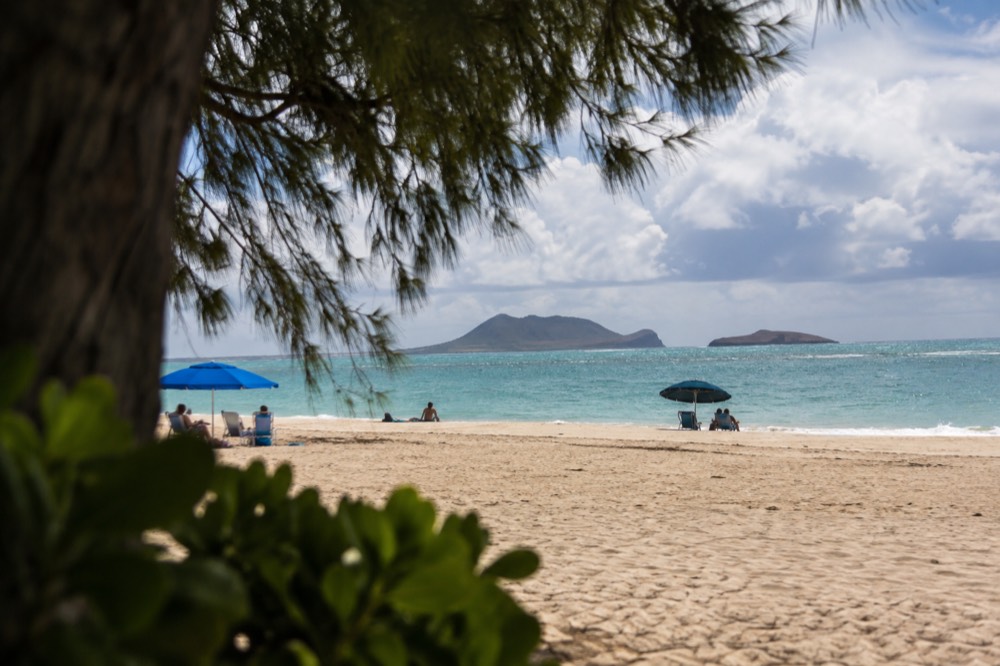
Waimanalo Beach runs for roughly four miles along Oahu's windward coast, a ribbon of pale sand between the Koʻolau mountains and a reef-protected shoreline. It is the beach that locals keep pointing to when visitors ask which stretch of sand on this island is neither packed nor hard to reach, and the answer comes with real caveats: it is a drive, the neighbourhood around it is residential, and the ocean, while usually gentle, follows windward rules rather than Waikiki rules. This guide covers what a visit actually involves, from parking and facilities to timing, cost and the honest question of whether it earns its place on a short trip.
The short version: it is free, it is beautiful, it is usually calm, and it rewards travellers who arrive early with their own food and a plan to leave before the afternoon wind picks up. For the broader sweep of the coast, our things to do in Oahu page places Waimanalo inside the full windward itinerary.
Where Is Waimanalo Beach And How Do You Get There?
Waimanalo Beach sits on Oahu's windward, east-facing coast between Kailua to the north and Waimanalo town to the south, reached via Kalanianaʻole Highway (Route 72). There is no rail station anywhere near it, and TheBus serves the coast on routes along the highway, so a car or the bus are the realistic options. The drive from Waikiki follows the coast road past Hawaiʻi Kai, Sandy Beach and the Mākapuʻu lighthouse trail turnoff.
The route itself is half the reason people come. Kalanianaʻole Highway hugs the southeast shore, and the stretch between Hanauma Bay and Waimanalo is one of the most scenic drives on the island, passing Sandy Beach Park and the Mākapuʻu Point Lighthouse Trail trailhead along the way. Many visitors combine all three into one windward day.
If you are staying in Waikiki and weighing whether a car makes sense at all, read do you need a car on Oahu first; the windward coast is the part of the island where a rental genuinely changes what you can do. The Waikiki Trolley hop-on network covers a different set of corridors and does not serve Waimanalo.
Getting around the practicalities:
| Question | The answer |
|---|---|
| Highway | Kalanianaʻole Highway (Route 72), the southeast shore road |
| Nearest landmarks | Kailua to the north; Mākapuʻu and Sea Life Park to the south |
| Public transport | TheBus routes along the coast highway; no rail connection |
| Best combined stops | Sandy Beach, Mākapuʻu lighthouse trail, Lanikai Beach via Kailua |
| Typical visit | Half a day, often paired with Kailua or the lighthouse trail |
What Does Waimanalo Beach Park Offer Versus The Wilder Stretches?
Waimanalo Bay State Recreation Area, the main beach park at the north end near Bellows, carries lifeguards, restrooms, showers, picnic tables and grass, while the long southern stretches toward Waimanalo town are narrower, quieter and mostly unserviced. The park section is where families should base themselves. The wilder sand toward the south is where you go to be alone, and it demands you bring everything you need and carry it back out.
This distinction matters more here than at most Oahu beaches. The park section, reached off Kalanianaʻole Highway, behaves like a proper city beach: a lifeguard tower, a shaded grass strip, facilities, and enough parking that you are usually not circling. The southern stretches, reached through small neighbourhood beach accesses, are the opposite: no tower, no water, and on many weekdays no other person within sight.
Bellows Field Beach Park, just north, is a third flavour again: a popular weekend campground run on the edge of an active military recreation area, with its own access rules and hours. Check its current status before planning a visit, because military use affects availability.
A note on the neighbourhood: Waimanalo is a residential community, not a resort strip. The beach accesses through the residential streets run past people's homes. Park legally, keep noise down, and treat the driveways as driveways, not overflow parking. This is the same etiquette the North Shore asks for, and Waimanalo's residents feel visitor pressure just as keenly on a smaller scale.
Is The Ocean At Waimanalo Safe For Swimming And Snorkeling?
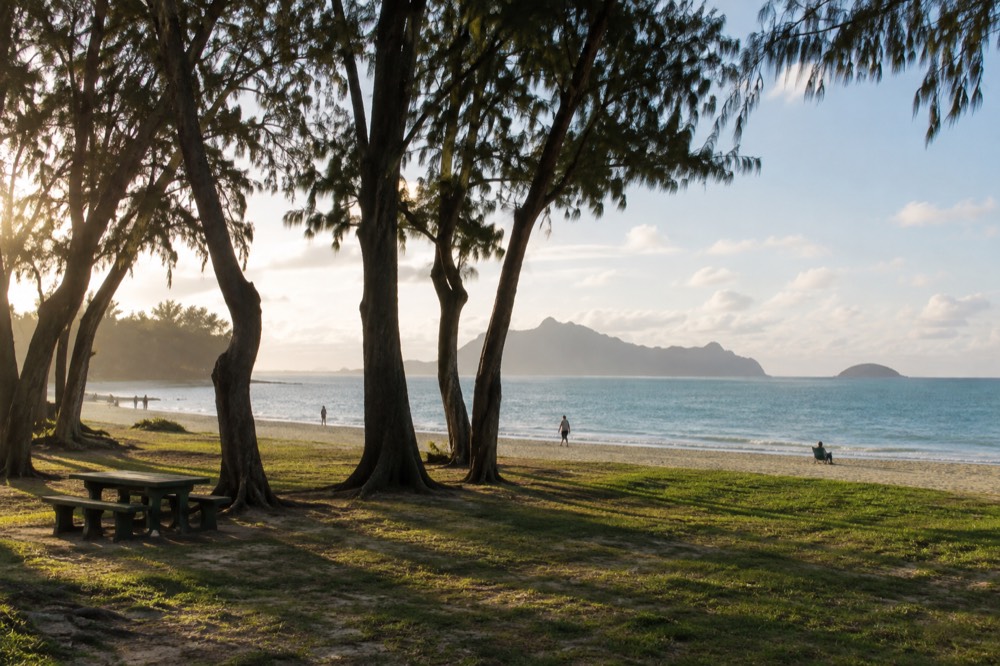
The water at Waimanalo is usually calm because a protective reef sits offshore, making it one of the gentler swimming beaches on the windward coast, but it is still open ocean with real hazards. Currents can run near the reef channels, and box jellyfish arrive on predictable lunar cycles after the full moon. Swim at the lifeguarded park section, check the posted signs, and never swim alone on the empty southern stretches.
The reef is what makes this beach work for swimmers. It breaks the trade-wind swell well offshore, so the inside water is often glassy even when the east-facing shore is receiving surf, and the east shore does receive surf: the National Weather Service surf forecast publishes Oahu by shore aspect, and east-facing shores pick up the swell that north and south shores miss, including swell generated by former tropical cyclones out in the Pacific.
That cuts both ways. On a flat morning the bay is superb for a long, easy swim. When an east swell is running, the same reef that protects the beach also creates the channels where water moves fast, and that is where the lifeguards earn their pay. Read the Oahu ocean safety guide before swimming any windward beach, and check the box jellyfish calendar for Oahu if your dates fall in the days after a full moon.
Snorkeling is fair rather than spectacular. The reef inside the bay holds fish, and honu, green sea turtles, appear here regularly. If they do, the rules are the recommended 10-foot distance, and the more important law underneath it: touching or harassing a turtle is illegal under the Endangered Species Act and Hawaii law. Watch, don't chase. Monk seals also haul out on this coast, and a mother with pup demands 150 feet of space; if one is resting on the sand where you planned to sit, move, and let the volunteer responders do their work.
Hazard, and what it means for you:
| Hazard at Waimanalo | How it shows up | What to do |
|---|---|---|
| Reef channels and currents | Fast water near breaks in the offshore reef | Swim between the flags at the lifeguarded section |
| Box jellyfish | Arrive in predictable influxes after the full moon | Check the jellyfish calendar; heed posted warnings |
| East shore swell | Bigger surf on east-facing shores when easterly swells run | Ask the lifeguard about conditions on arrival |
| Sun exposure | Long beach with little natural shade outside the park's ironwoods | Bring an umbrella; there is no rental operation |
| No lifeguards on the south stretches | Quiet sand, no tower, no response nearby | Swim at the park, walk the south for the views |
If guaranteed turtles are the goal rather than a lucky sighting, the snorkel tours below are built around exactly that, with a turtle guarantee on the first one.
The turtle guarantee on that tour matters more than it sounds. A morning at Waimanalo can deliver a turtle sighting or nothing at all, and a first-time visitor has no way to know which way the dice will land. A guided snorkel with a guarantee removes the gamble, and the operator's live listing carries the current price and departure times.
When Is The Best Time Of Day And Year To Visit Waimanalo Beach?
Mornings are decisively better: the trade winds build through the afternoon on the windward coast, so the calm water and clear views of the Koʻolau ridges are a before-noon phenomenon, and by mid-afternoon the same beach can be choppy and windblown. The beach works in every season, but winter brings humpback whales passing the windward coast from November through April, and summer brings the flattest water.
Arrive by 9 a.m. and plan to be done by early afternoon.
The windward coast earns its name. The northeast trades push onto this shore most of the year, and while the reef flattens the swell, the surface texture changes fast after midday. Photographers know this: the golden hour on Oahu is generous, but on this coast the usable calm window is the morning, not the evening, because the evening light comes with the day's strongest breeze.
The mountain backdrop is the other reason to come early. The Koʻolau range above Waimanalo catches clouds all day, and the difference between a crisp morning view of the green ridgeline and an afternoon white-out is dramatic. The rainfall data explains why, and it is worth understanding before you plan any windward day. Other pages covering the same trip are gathered on Oahu Travel Guide.
Waimanalo sits on the drier coastal strip, but the mountains behind it hold the clouds, and morning is when the air is clearest. Seasonally, there is no bad month, only different beaches. The surf forecast runs the coasts out of phase: south-facing shores peak in summer, north-facing in winter, and the east shore picks up whatever the Pacific sends, including, in hurricane season, swell from distant or former tropical cyclones. Check the live forecast rather than the calendar.
| Time | Conditions at Waimanalo | Verdict |
|---|---|---|
| Early morning | Calm water, clear air, empty sand | The best window |
| Midday | Still workable, filling up on weekends | Fine, bring shade |
| Afternoon | Windchop, haze, blowing sand | Walk, don't swim |
| Weekday | Near-empty, especially south stretches | Ideal |
| Weekend | Busy at the park section; camping energy at Bellows | Arrive early or skip |
How Much Does A Day At Waimanalo Beach Cost?
The beach itself is free: no entry fee, no parking charge at the beach park, and no reservation system of any kind, which on this island is worth noting when Hanauma Bay charges non-residents $25 and Diamond Head requires a booked reservation. Your real costs are the drive, food and gear, because there is no beach rental operation, no restaurant on the sand and limited food nearby. Budget nothing for the beach and something for the logistics.
The free-entry point deserves a sentence of context. Oahu's most famous natural sites have moved hard toward reservation and fee systems in recent years: Diamond Head has required a prepaid reservation for out-of-state visitors since May 2022, and Hanauma Bay's timed-entry system opens only two days ahead at 7 a.m. Hawaii time. Waimanalo has none of that. You drive up, you park, you walk onto the sand. That simplicity is a genuine part of its appeal, and it is also why it fills on weekends.
What you spend on instead:
| Item | Typical planning range | Note |
|---|---|---|
| Beach entry and parking | Free | No reservation system |
| Food | Bring your own | Limited options near the beach; stock up in Kailua or town |
| Beach gear | Bring your own | No rental operation on this beach |
| Bus fare, if going carless | $3.25 cash or $3.00 on a HOLO card | HOLO day caps at $7.50 |
| Camping at Bellows | Permit required | Book through the state system in advance |
One honest cost note: the "free beach" is not a free day if you end up driving back to Kailua hungry at noon. Build the food stop into the plan, either before you arrive or as the pivot to the next stop on the coast.
Is Waimanalo Beach Worth The Trip From Waikiki?
For most visitors, yes, if it is paired with the rest of the windward coast rather than treated as a single destination: the beach is genuinely quieter than Kailua or Lanikai, the sand is soft and long, and the mountain backdrop is one of the best on the island. The drive out along the southeast shore passes some of Oahu's most dramatic roadside scenery.
The case against is simple: it is far, the food situation is thin, and on a short trip an extra hour at a closer beach may beat an extra hour of driving.
The honest comparison is with its neighbours. Kailua Beach Park offers similar water, better facilities and a town attached; Lanikai offers the postcard at the cost of a notorious parking situation on residential streets. Waimanalo gives you neither the town nor the parking crisis, just a very long beach where you can usually find space without strategy. If you have a car and a full day, the windward coast itinerary writes itself: Waimanalo or Kailua in the morning, the Mākapuʻu lighthouse trail before it gets hot, and the drive back past Sandy Beach.
Where it fits in a short trip: on a 1 day Oahu itinerary it is a stretch, because the circle-island route spends its windward hours around Kailua and Lāʻie. From a 3 day Oahu itinerary onward, it earns a slot as the quiet-beach half-day, and it is a natural stop on the best Oahu day trips circuit.
Who should skip it: travellers without a car on a tight schedule, families who need rental gear and food on hand, and anyone whose priority is snorkeling over sand, because the reef here is pleasant but the island's best snorkeling is elsewhere. For that, see the best snorkeling spots on Oahu.
If your trip is built around the water rather than the drive, these are the tours we would put in front of anyone weighing a Waimanalo day against a Waikiki-water day.
What Should You Bring (And Not Bring) To Waimanalo?
Bring water, food, shade and reef-safe sunscreen, because the park's ironwood trees are the only shade and there is nowhere on this beach to buy anything, and plan to carry every scrap of it back out with you. Do not bring drones, which are prohibited in Hawaii state parks without a written permit. Do not take sand, rocks or dead coral home: removing them from the shoreline is illegal under Hawaii statute, not just frowned upon.
Leave nothing on the sand, including stacked rock cairns.
The gear list is short and unforgiving because the beach is unserviced. Water matters more than people expect: the windward sun plus the trade wind is dehydrating, and there is no concession. Reef-safe sunscreen is both the law on this island and basic respect for the reef protecting your swim.
The rock-stacking habit deserves its own word. Stacked stones are not a Hawaiian practice, they mislead hikers who read cairns as route markers, and they disturb the beach surface. Unbuild any stack you find left by someone else, and do not start one. The same goes for the "take a little sand home" impulse: it is prohibited under Hawaii's shoreline protection statutes, and the folk explanation you may have heard about bad luck following stolen lava rock is a modern invention anyway. The legal reason is the real one.
| Bring | Leave behind |
|---|---|
| Water and food for the whole stay | Drones, banned in state parks without a permit |
| Umbrella or canopy | Sand, rocks or coral, illegal to remove |
| Reef-safe sunscreen | Rock-stacking ambitions |
| Rash guard for long swims | Expectations of food trucks nearby |
| Trash bag | Nothing else; pack out everything |
Common Questions About Waimanalo Beach, Oahu
Most questions about Waimanalo Beach come down to three things: access without a reservation, a morning-only calm window, and a bring-everything logistics reality. The beach is free and needs no booking, which distinguishes it from Hanauma Bay and Diamond Head. The water is at its best before the trade winds build at midday. And the absence of food, rentals or shops nearby means the visit succeeds or fails on your cooler. It rewards preparation and punishes improvisation.
Is Waimanalo Beach good for swimming?
Yes, usually. The offshore reef keeps the inside water calm on most days, making it one of the gentler windward beaches for swimming. Swim at the lifeguarded park section, ask about conditions on arrival, and avoid the reef channels where currents run. Check the box jellyfish calendar if you are visiting in the days after a full moon.
Is Waimanalo Beach crowded?
Far less than Kailua or Lanikai. The park section fills on weekends, but the beach runs for roughly four miles, so space is rarely the problem it is at Lanikai's residential street ends. On a weekday morning the southern stretches can be nearly empty.
Do you need a reservation for Waimanalo Beach?
No. There is no entry fee, no parking charge and no reservation system. This is a genuine distinction on an island where Hanauma Bay charges non-residents $25 with a timed entry booked two days ahead, and Diamond Head requires a prepaid reservation for out-of-state visitors.
Are there turtles at Waimanalo Beach?
Green sea turtles appear regularly along this coast, and seeing one is a matter of luck and patience. Keep the recommended 10-foot distance and never touch or chase one; harassment is illegal under federal and state law. If a guaranteed sighting matters to your trip, a turtle-focused snorkel tour is the reliable route.
Can you get to Waimanalo Beach without a car?
Yes, with patience. TheBus runs routes along Kalanianaʻole Highway serving the windward coast, and fares are $3.25 cash or $3.00 on a HOLO card with a $7.50 daily cap. There is no rail connection; Skyline does not reach the windward side. A car remains the practical choice for a beach day with gear.
What is the best time to visit Waimanalo Beach?
Weekday mornings. The trade winds build through the afternoon, so the calm water and clear views of the Koʻolau range are a before-noon phenomenon. Arrive by 9 a.m., plan food in advance, and be ready to move on to the Mākapuʻu lighthouse trail or Kailua when the wind picks up.
Waimanalo Beach will never be the busiest page in anyone's Oahu scrapbook, and that is precisely its value: four miles of sand where the mountain backdrop does the entertaining, the water behaves most mornings, and the only reservation you need is an early alarm. Plan the cooler, respect the neighbourhood, swim where the tower is, and the windward coast gives back a beach day that the crowds two towns north never quite deliver.