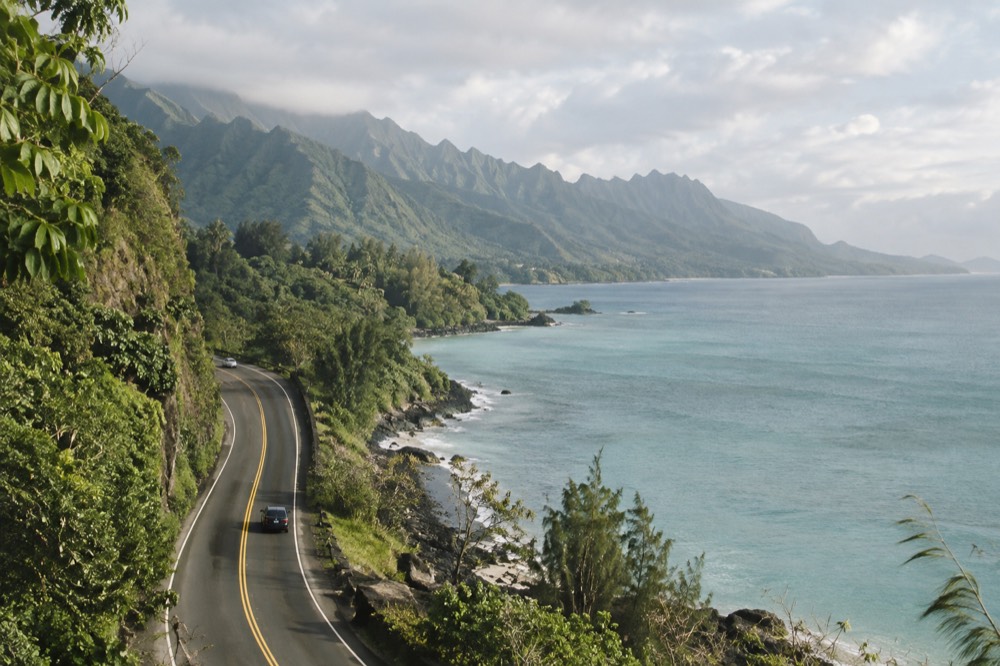
Sandy Beach Oahu: What A Visit To The Boldest Shorebreak On The South Shore Actually Involves
Sandy Beach Park sits on Oahu's south shore just east of the Hālona Blowhole, and it earns its name twice over: the sand is deep and golden, and the shorebreak is one of the most powerful on the island. This is a beach for bodysurfers, sunrise photographers and people who want to watch the ocean do real work, not a gentle swimming lagoon.
Short answer
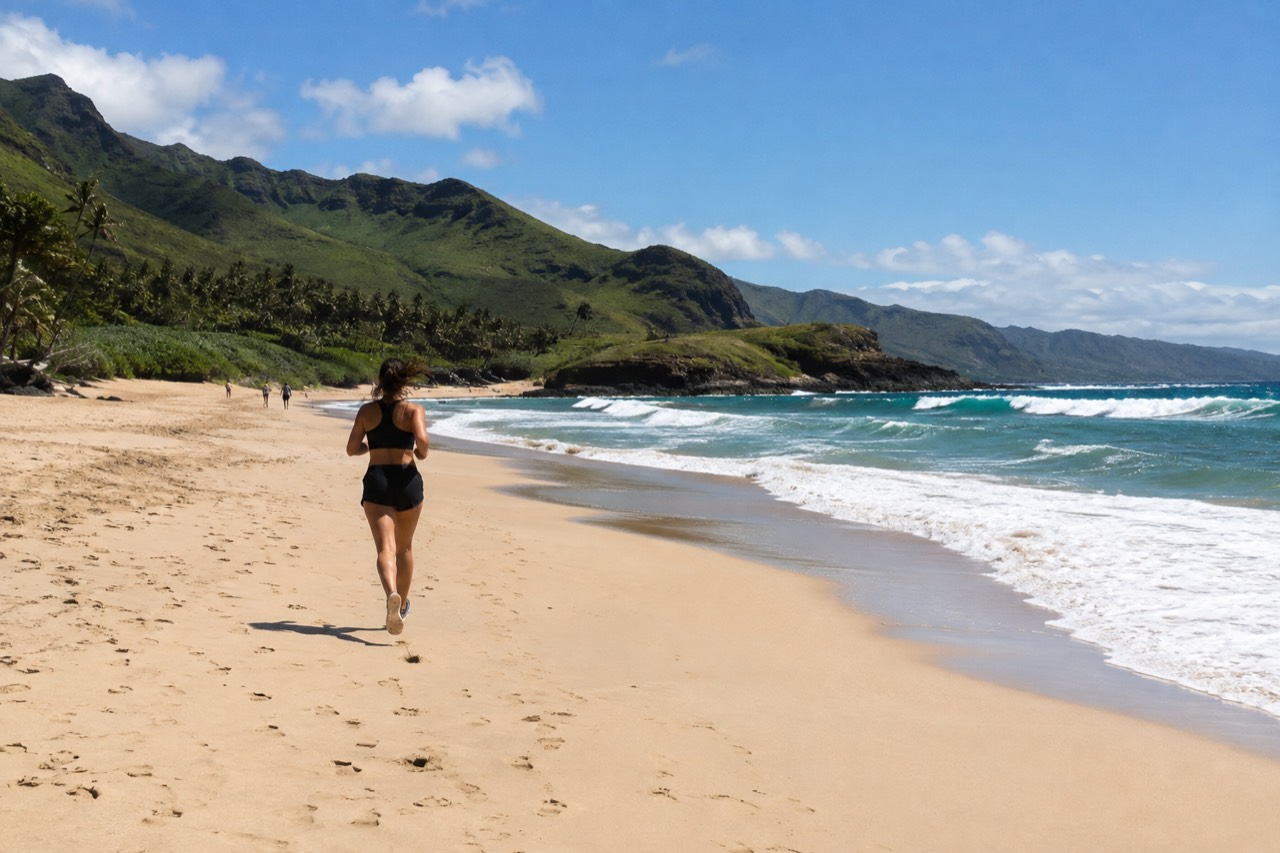
Sandy Beach Park is a free, lifeguarded beach park on Oahu's south shore east of Waikiki, famous for a powerful shorebreak that makes it excellent for experienced bodysurfers and risky for casual swimmers. There is no entry fee, parking is free, and the best time to visit is early morning.
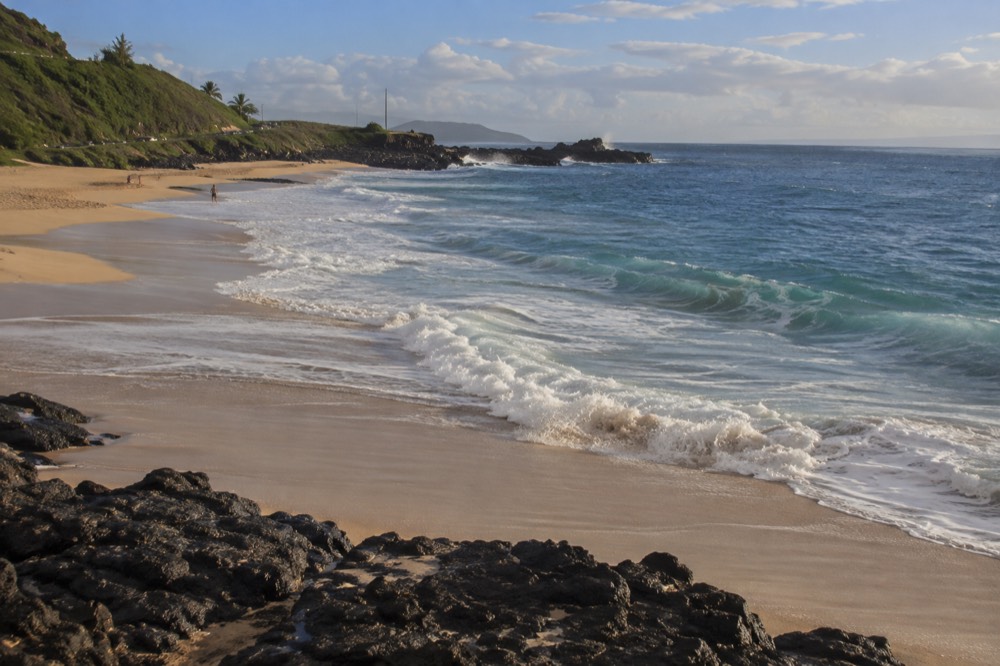
Sandy Beach Park is the beach locals point to when the conversation turns to what Oahu's south shore can actually do. The sand here is soft and deep, the park is free, and the wave that breaks practically on the sand has been reshaping careless visitors for decades. It is one of the most photographed sunrise spots on the island, and it sits a short drive down the coast from Waikiki, right next to the Hālona Blowhole.
This guide from the Oahu Travel Guide editorial desk covers what a visit actually involves: how to get there, what it costs, when the ocean is at its fiercest, who this beach suits, and who should drive past it. The short version is that Sandy Beach rewards two kinds of visitor, the experienced bodysurfer who reads the shorebreak, and the early riser who wants a spectacular, empty stretch of sand before the trade winds fill in.
What Is Sandy Beach Park And Where Is It?
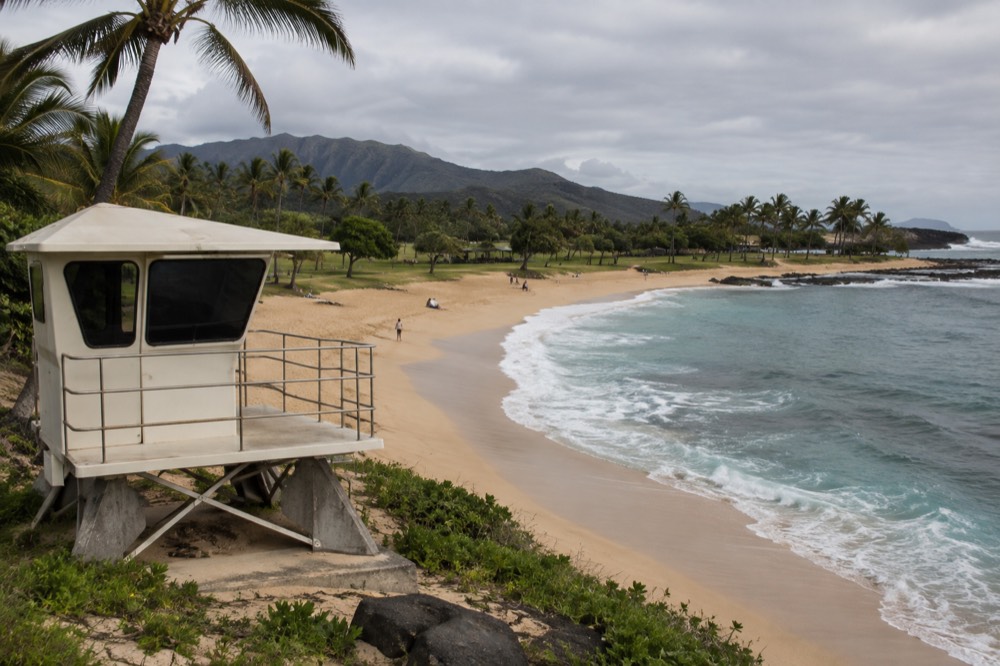
Sandy Beach Park is a free public beach park on Oahu's south shore, at the eastern end of the sandy stretch that runs from Hanauma Bay toward the Hālona Blowhole and Mākapuʻu. It sits along Kalanianaʻole Highway, a short drive east of Waikiki through the Hawaiʻi Kai area. The park has a lifeguard tower, restrooms, showers, picnic tables and a free parking lot right against the sand.
The beach is compact by Oahu standards, a few hundred metres of deep, soft sand backed by a grassy park strip, rather than a long strand. What it lacks in length it makes up for in character. The beach drops off steeply, which is the entire reason the place is famous: waves arrive from deep water and unload directly onto near-shore sand instead of peeling along a reef. That makes the swimming instinctive and the consequences real.
The setting is part of the appeal too. The beach looks east toward the Mākapuʻu headland and back west toward the blowhole, and the water here is the clean, open-ocean blue that photographs the way people expect Hawaii to look. Because the park faces roughly east-southeast, sunrise lights the sand and the offshore water before almost anywhere else on the island, which is why the parking lot fills with tripods at dawn rather than towels at noon.
For orientation purposes, the park anchors the eastern half of the south shore drive that most visitors do as a half-day loop: Hanauma Bay, then Sandy Beach, then the Hālona Blowhole, then the Mākapuʻu Point Lighthouse Trail. You can do all four stops in one morning without hurrying.
Is Sandy Beach Oahu Safe For Swimming?
Sandy Beach is safe for experienced bodysurfers and bodyboarders who understand a shorebreak, and genuinely risky for casual swimmers, children and anyone without strong ocean skills. The wave breaks in very shallow water close to sand, and the classic injury here is a neck or shoulder compression from hitting the bottom. Lifeguards are on duty, and the safest swimming is usually in the corner pockets away from the main shorebreak peak.
This is the single most important paragraph in this guide, so it is worth being blunt. A shorebreak is a wave that breaks almost directly onto the beach because the sand drops away quickly. There is no reef shelf to spread the wave's energy out. At Sandy Beach, a decent-size wave can put a swimmer on the sand in under a second, head first, in shallow water. Honolulu's ocean safety authorities and the lifeguards who work this tower treat the place with respect, and so should you.
The rules that keep people safe here are simple. Never turn your back on the ocean, even standing in ankle-deep water at the waterline. If you go out to catch waves, bodysurf or bodyboard rather than swim, pick your wave before it picks you, and land flat with your arms forward rather than diving head first. Watch where the locals enter and exit, because the sandbars shift and the good channel this week may not be the good channel next week. If the red flags are up, the answer is not "a quick dip", it is the grass and a picnic table.
Families with small children should read the beach honestly: the sand is superb for castles and the park is pleasant, but the waterline is not a paddling zone on most days. If your trip's goal is water time with kids, the calm options are elsewhere on the island, and the ocean safety guide covers how to read conditions, flags and the box jellyfish calendar before you choose a beach. For adults who want in the water but not in a shorebreak, a guided snorkel trip is the better product: the Waikiki Turtle Canyon snorkel with a turtle guarantee runs out of Waikiki and puts you in gentler water with a guide beside you.
How Much Does Sandy Beach Cost To Visit?
Nothing. Sandy Beach Park is a free public beach park with no entry gate, no admission charge and free parking. There are no rentals or concessions run inside the park, so the only money you might spend is whatever you bring with you, food, drink and sunscreen from a shop on the way. It is the easy, zero-planning stop on the south shore loop.
The cost contrast along this coast is worth understanding when you build a day. Hanauma Bay, the next major stop west, is the south shore's most regulated beach: it closes two days a week, entry is timed, and non-residents pay admission plus an online service fee. Sandy Beach is the opposite, an open park you can arrive at on impulse, at any hour the lot is open, with nothing to book and nothing to pay. That difference is exactly why the south shore loop works: one regulated, reservation-bound stop and one free-form stop.
What you should budget instead of money is attention to supplies. There is no shop at the park, and the nearest convenience stores are back toward Hawaiʻi Kai. Bring more water than you think you need, reef-safe sunscreen applied before you arrive, and something to sit on other than a towel if you plan the grass strip. The park has restrooms and outdoor showers, which is a genuine step up from the wilder beaches further east, and it means you can rinse off before the drive back toward town.
For a sense of where this sits in a budget trip, the free stops on this side of the island are among the best value anywhere in Hawaii: the blowhole lookout, Sandy Beach, and the Mākapuʻu lighthouse trail all cost nothing, and they stack into a full and genuinely memorable morning. The budget guide for Oahu goes deeper on building days around free parks like this one.
When Is The Best Time To Visit Sandy Beach?
Early morning, between sunrise and about 9 a.m., is the best time at Sandy Beach: the parking lot is uncrowded, the light for photography is at its best, and the trade winds that rough up the surface later in the day have not filled in yet. Summer brings the larger south swells that make the shorebreak most impressive and most dangerous, while winter usually leaves the beach calmer but choppier with trades.
The seasonal logic on this coast runs opposite to what most visitors assume. Oahu's shores run out of phase: the north shore peaks in winter, while the south shore, including Sandy Beach, sees its biggest surf in summer when southern-hemisphere swells arrive. In September, the National Weather Service surf forecast for Oahu has shown the south shore running larger than the north shore, the exact inversion of the winter pattern, and Sandy Beach's shorebreak responds directly to whatever the south shore is doing. A summer visit can mean genuinely heavy waves on the sand; a winter visit more often means smaller but wind-chopped water by late morning.
Time of day matters more than most people plan for. Sunrise here is early, before 6 a.m. for much of the year, and the first hour of light on this east-facing beach is the reason photographers make the drive. By late morning the trade winds are typically up, the surface turns choppy, and the park starts to feel like the busy local spot it is on weekends. Late afternoon softens again, and the beach can be lovely in the hour before sunset even though the sun sets behind the hills to the west, because the light comes back off the ocean.
| Time of day | Conditions | Who it suits |
|---|---|---|
| Sunrise to ~8 a.m. | Calmest wind, best light, empty sand | Photographers, runners, quiet seekers |
| Mid-morning | Winds building, families arriving | Park users, sunbathers |
| Midday to afternoon | Choppy surface, strongest sun, busiest lot | Locals, bodyboarders after school and work |
| Hour before sunset | Soft light, cooling sand | Walks, picnic tables, wind-down |
Check the surf forecast for the south shore the morning you go. If the south shore is running small, Sandy Beach is at its most forgiving; if it is running large, treat the water as a spectator sport and enjoy the show from the sand.
How Do You Get To Sandy Beach Park?
Sandy Beach Park sits directly on Kalanianaʻole Highway (Route 72) east of Waikiki, and the drive is the standard south shore route through the Hawaiʻi Kai area toward Mākapuʻu. There is a free parking lot at the park itself, plus additional roadside pull-in parking, and it fills on weekends. By public transport, TheBus serves the coastal highway route, and the HOLO card day cap of $7.50 covers unlimited rides on any given day.
If you are renting a car, the beach is a straight run: out of Waikiki on Kalākaua or Kapiʻolani, onto the highway east, past Hanauma Bay's entrance, and the park appears on the ocean side with the lot right there. The drive itself is one of the island's best short scenic runs, and most people continue past Sandy Beach to the blowhole and the Mākapuʻu trailhead, which are a few minutes further along the same road.
Without a car, the coastal bus along Route 72 is the practical option, and the fare structure is shared between TheBus and the rail line: $3.25 for a single cash bus ride, or a HOLO card that caps at $7.50 per day no matter how many rides you take. The guide to whether you need a car on Oahu covers the trade-offs, but for this specific beach the honest answer is that a car makes the south shore loop far easier, because the loop's four stops are strung along a highway with no rail service this far east.
Cyclists do ride this highway, and the shoulder exists, but the traffic is fast and the coastal wind is constant, so it is a confident-rider route rather than a family one. If you are staying in the Hawaiʻi Kai area, covered in the Hawaiʻi Kai guide, the beach is a short and simple trip.
What Is Near Sandy Beach Worth Stopping For?
The three stops clustered within a few minutes of Sandy Beach are the Hālona Blowhole lookout, the Mākapuʻu Point Lighthouse Trail trailhead, and the Hanauma Bay Nature Preserve entrance, all along the same stretch of Kalanianaʻole Highway. Together they make the classic south shore half-day loop, and only Hanauma Bay needs a reservation, so plan the day around that booking if you make one.
The blowhole is the closest, effectively next door, and it deserves more than the drive-by most people give it. In winter, when the swell comes from the right direction, the blowhole puts on a genuine show; in a flat summer spell it can be quiet. The lookout also frames one of the best coastal photographs on the island, looking back along the bays toward Diamond Head.
The Mākapuʻu trail is the family-friendly pick of the area: a paved, climbing path to a lighthouse viewpoint with whale-season value from November through April, when humpbacks can be seen from shore. The sanctuary's season for Hawaii's humpbacks runs November to April, and the 100-yard legal approach distance applies on the water, but from this trail the whales are simply something you watch from land.
Hanauma Bay anchors the western end of the loop and is the one stop that needs planning: it closes Mondays and Tuesdays, reservations for non-residents open two days ahead at 7 a.m. HST, and admission is charged for non-residents while Hawaii residents enter free with local ID. If you want the loop with Hanauma Bay included, book that first and let the rest of the day fall into place around it.
| Stop | Type | Needs booking? | Time needed |
|---|---|---|---|
| Sandy Beach Park | Beach park, lifeguarded | No | 1 to 2 hours |
| Hālona Blowhole | Roadside lookout | No | 15 to 30 minutes |
| Mākapuʻu Lighthouse Trail | Paved hiking trail | No | About an hour |
| Hanauma Bay | Snorkel nature preserve | Yes, non-residents, 2 days ahead | Half a morning |
Who Should Skip Sandy Beach And What Are The Alternatives?
Families with young children, weak or non-swimmers, and anyone recovering from a neck or back injury should treat Sandy Beach as a scenic stop rather than a swimming beach, because the shorebreak makes the waterline genuinely hazardous. Good alternatives on the same coast are the calmer, reef-protected areas of the south shore and the lifeguarded bays of the east side, while Waikiki offers beginner surf lessons in small, gentle waves.
This beach selects its visitors. If your Hawaii trip is built around getting in the water with ease, Sandy Beach will frustrate you: the very thing that makes it dramatic makes it uninviting. If your trip is built around seeing Oahu at its most elemental, a shorebreak doing exactly what a shorebreak does, minutes from a highway, then few places deliver better.
For water time with less consequence, the alternatives split by what you want. Beginners who want to learn to surf should do it in Waikiki, where the gentle rolling waves and sandy bottom are the island's classic learning environment, not here; the beginner surf lesson on Waikiki Beach is a two-hour group lesson designed for exactly that, a good option if the Sandy Beach shorebreak has put you off the ocean entirely but not off surfing. For flat-water calm, a paddleboard yoga class in Honolulu runs on protected water rather than open ocean, a morning that ends with more balance than bruises.
| If you want... | Better than Sandy Beach | Why |
|---|---|---|
| Calm swimming with kids | Ala Moana Beach Park | Protected, shallow, lifeguarded |
| Learning to surf | Waikiki Beach lessons | Small waves, sandy bottom |
| Snorkelling with turtles | Turtle Canyon sail from Waikiki | Guided, guaranteed sightings |
| A dramatic beach photo | Sandy Beach itself | Go at sunrise, stay on the sand |
Is Sandy Beach Worth The Trip?
Yes, for most visitors, as long as you go with the right expectations: Sandy Beach is worth the drive for its deep sand, free access, sunrise light and the spectacle of a genuine shorebreak, and it earns its place on the south shore loop alongside the blowhole and the Mākapuʻu trail.
It is not worth the trip if your only goal is casual swimming, because the wave that makes the beach famous keeps casual swimmers out of the water.
The beach's real value is as a stop that costs nothing and delivers a lot. In a state where the headline activities increasingly involve reservations, timed entries and fees, an open, free, lifeguarded park with this much natural presence is a genuinely useful thing to have in the itinerary. Pair it with the blowhole next door and you have a stop of an hour or two that most visitors rank among their south shore memories, even the ones who never touched the water.
Go early. That single decision improves everything else about the visit: the light, the parking, the wind, the crowd level. Bring water and sunscreen, respect the lifeguards' flags, keep children at the waterline only on small-swell days, and give the ocean the distance it has earned here. Do that, and Sandy Beach is one of the best free hours on the island.
For building the rest of the day or the week, the overview of the best beaches on Oahu sorts the island's strands by what you actually want from them, and the one day Oahu itinerary slots this south shore loop into a single-day plan.
Common Questions About Sandy Beach Oahu
Most questions about Sandy Beach come down to three things: the cost, which is nothing at all; the safety, which depends entirely on your ocean experience and the day's south shore swell; and the timing, where early morning beats every other part of the day for light, wind and crowds. The beach is free, lifeguarded and open, needs no reservation, and pairs naturally with the blowhole and the Mākapuʻu trail for a half-day south shore loop.
Is Sandy Beach Oahu free?
Yes. The park is a free public beach park with no entry charge and free parking. There are no concessions or rentals inside the park, so bring everything you need with you.
Can you swim at Sandy Beach?
Experienced bodysurfers and bodyboarders swim and ride waves here regularly, but casual swimming is risky. The shorebreak drops swimmers into shallow sand, and neck and shoulder injuries are the classic accident at this beach. Swim only when the south shore swell is small, stay near the lifeguard tower, and never dive head first into a wave.
Is Sandy Beach good for families?
The park and the sand are good for families; the water usually is not. Small children should stay at the waterline only on small-swell days, and even then with an adult right beside them. For a family swimming day, the calmer protected beaches elsewhere on the island are the better choice.
What is the best time of day to visit Sandy Beach?
Early morning, from sunrise to around 9 a.m. The light on this east-facing beach is at its best at dawn, the trade winds have not built yet, and the parking lot is quiet. Late afternoon is the second-best window.
How far is Sandy Beach from Waikiki?
The park sits on Kalanianaʻole Highway east of Waikiki, a short drive along the standard south shore route through the Hawaiʻi Kai area, with Hanauma Bay and the Hālona Blowhole between Waikiki and the park.
Are there lifeguards at Sandy Beach?
Yes, the beach has a staffed lifeguard tower, plus restrooms and outdoor showers. Swim near the tower and obey the flag system; when the flags say the water is closed, the shorebreak is doing something worth watching from the sand.