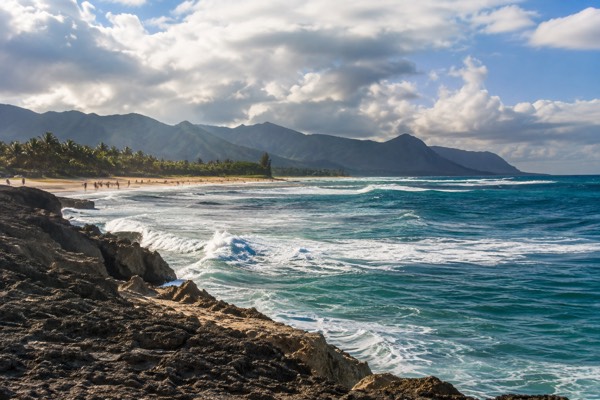
10-Day Oahu Itinerary: A Realistic Plan For A Slow Island Loop
Ten days is the first trip length where Oahu stops being a checklist and starts being an island you actually live on for a while. This plan is paced around the things that genuinely constrain a visit: reservation windows, closed days and the fact that the island's rain falls on one side and not the other.
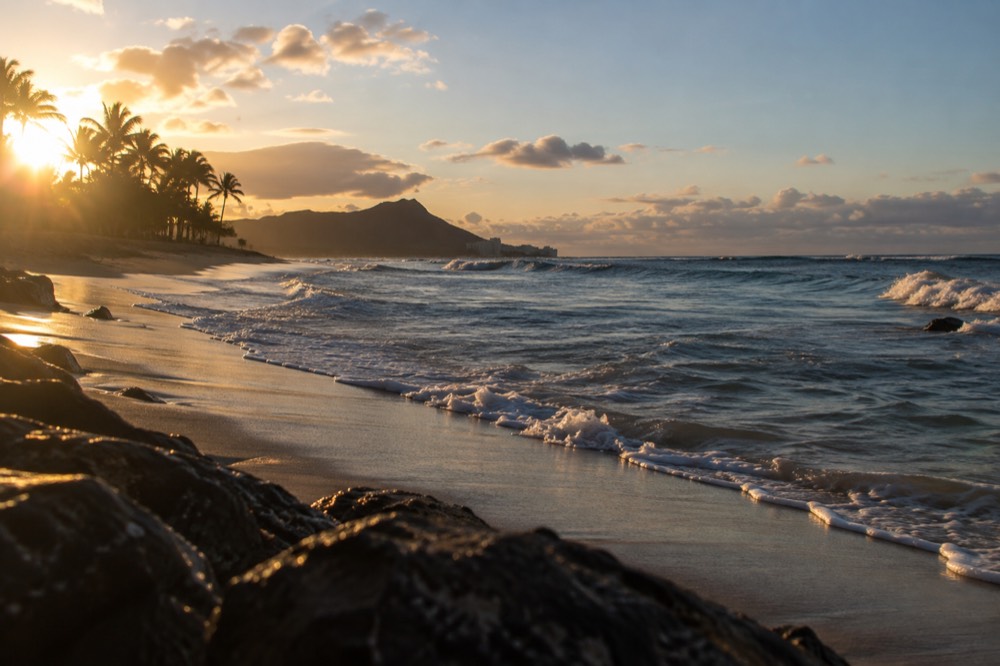
Short answer
Split 10 days roughly as three in and around Honolulu and Waikiki, two on the windward coast, two on the North Shore, and the rest for Pearl Harbor, the west side and a full circle-island day. Book Diamond Head, Hanauma Bay and the USS Arizona Memorial program before you fly, because all three now run on reservations.
Ten days is the first trip length where Oʻahu stops being a checklist and starts being an island you actually settle into. Most first visits are four or five days, which forces a choice between Honolulu and the North Shore. With ten, you can take both, plus the windward coast, plus a west-side afternoon, without driving yourself ragged.
This plan is built around the constraints that actually shape an Oʻahu trip: reservation windows that open days ahead, attractions that close on set weekdays, and the simple geographic fact that the island's rain falls heavily on the windward valleys and barely at all on the leeward coast. It is a working itinerary, not a fantasy one, and it assumes you will sometimes be tired, sometimes rained on, and sometimes happy to do nothing at all.
What Does A Realistic 10-Day Oahu Itinerary Look Like?
A realistic 10-day plan spends three days in and around Honolulu and Waikīkī, two on the windward coast from Kailua to Lāʻie, two on the North Shore, one on Pearl Harbor and the west side, one on a full circle-island loop, and keeps the final day loose. It front-loads the reservation-dependent sites, keeps driving days short, and leaves deliberate slack, because on a ten-day trip the slack is the point.
Want one pass covering sights across the whole island? Book an all-inclusive sightseeing pass here.
The shape matters more than the specific order. Honolulu first works well because most flights arrive there and the jet lag is real; the North Shore and windward coast sit in the middle where you have your island legs; the loose day at the end absorbs whatever the weather or a missed reservation threw at you.
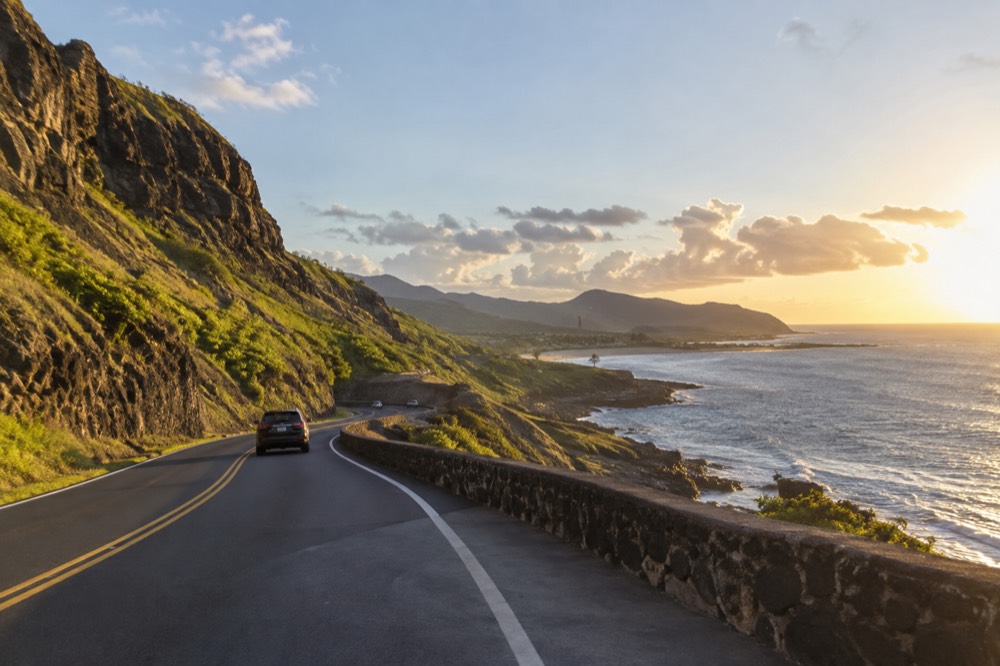
Here is the skeleton this article expands on, day by day:
| Day | Base | Focus | Key booking |
|---|---|---|---|
| 1 | Waikīkī | Beach, jet lag, sunset on the sand | None |
| 2 | Honolulu | Diamond Head morning, Kapiʻolani park afternoon | Diamond Head reservation, up to 30 days ahead |
| 3 | Honolulu | ʻIolani Palace, Bishop Museum or downtown on foot | Palace tickets if open |
| 4 | Pearl Harbor | USS Arizona Memorial program, Battleship Missouri | recreation.gov, $1 per-ticket fee |
| 5 | East side | Hanauma Bay snorkel, Hālona Blowhole, Sandy Beach | Hanauma Bay, 2 days ahead at 7 a.m. HST |
| 6 | Windward | Kailua, Lanikai, Hoʻomaluhia Botanical Garden | None |
| 7 | Windward north | Byodo-In Temple, Kualoa Ranch, Mokoliʻi viewpoint | Kualoa tour, advance booking |
| 8 | North Shore | Waimea Valley, Haleʻiwa, sunset beaches | Waimea Valley, closed Mondays |
| 9 | Circle island | Full loop tour or self-drive with stops | Tour seat or rental car |
| 10 | Loose | Swap meet, revisit a favourite, pack | None |
Two things to notice in that table. First, three of the ten days hinge on a reservation made before or early in the trip. Second, only one day is a genuinely long driving day, and even that one can be handed to a tour operator so nobody in the car has to navigate.
How Should You Split 10 Days Across The Island?
Split the trip by side of the island rather than by attraction list: three days leeward around Honolulu and Waikīkī, two days windward around Kailua and Kāneʻohe, two days on the North Shore, one day on Pearl Harbor and the west side, and one full circle-island day. The split follows the weather, since the leeward coast is dry year-round while the windward valleys are wet, so it also gives you a built-in rain plan.
The rainfall numbers behind that split are worth knowing. The 1991-2020 climate normals put Honolulu International Airport at 16.41 inches of rain per year, while the Lyon Arboretum in Mānoa, about five miles inland from Waikīkī, records 150.96 inches. Every single month in Mānoa is wetter than the airport's wettest month. Practically, that means a rained-out morning in Waikīkī is often a dry morning in Ko Olina, and a grey day in Kailua can still be a beach day on the leeward coast.
The surf runs out of phase too. North-facing shores peak in winter, south-facing shores in summer, and the National Weather Service surf forecast publishes all four aspects at once. In ten days you will likely see both a calm shore and a busy one, whichever season you visit.
If you would rather not drive the loop yourself, the island's two strongest circle-island tours cover it in a day:
For a broader look at what each region offers, our things to do in Oahu page breaks the island down by area, and this itinerary is deliberately built to be compatible with it rather than to duplicate it.
What Should You Book Before You Fly?
Book four things before you fly: the Diamond Head entry-and-parking reservation, the Hanauma Bay time slot, the USS Arizona Memorial program on recreation.gov, and any Kualoa Ranch tour. All four now run on reservations with limited windows, and Hanauma Bay in particular opens only two days ahead at 7:00 a.m. Hawaii time, so you will be setting an alarm mid-trip, not booking from home.
The reservation windows are the least understood part of Oʻahu planning, and they are where most ten-day itineraries quietly fall apart. Here is what is actually verified, with the deadlines that matter:
| Site | How far ahead | Closed days | Non-resident cost |
|---|---|---|---|
| Diamond Head State Monument | Up to 30 days ahead, required for entry and parking since May 2022, no on-site sales | Christmas, New Year's | $5 per person, $10 per vehicle, card only |
| Hanauma Bay Nature Preserve | 2 days ahead, from 7:00 a.m. HST | Mondays and Tuesdays, Dec 25, Jan 1 | $25 plus a 2.35% online fee, children 12 and under free |
| USS Arizona Memorial program | recreation.gov, ticket facility 233338, tour id 16 | Thanksgiving, Christmas, New Year's | Free program, $1 per-ticket management fee, $7 per day parking |
| Kualoa Ranch tours | Advance booking required; the valleys and movie sites cannot be visited without a paid tour | Christmas, New Year's | Prices on the operator's listing |
| Waimea Valley | Booking available, not stated as required | Mondays | $26 adult, $18 child 4-12, discounts for kamaʻāina and military |
Hawaii residents enter Diamond Head and Hanauma Bay free with local ID, and US military with ID enter Hanauma Bay free as well. If any of those apply to someone in your party, the reservation math changes in your favour.
One more thing worth settling early: whether day nine's loop is self-driven or guided. A seat on a circle-island tour removes the parking problem entirely, and parking, not distance, is the real constraint at most North Shore stops.
Days 1-3: Waikīkī, Diamond Head And Honolulu
Spend the first three days within a short radius of Waikīkī: a recovery day on the beach, a Diamond Head morning paired with a slow afternoon, and a culture day at ʻIolani Palace, the Bishop Museum or downtown Honolulu on foot. The jet lag from the mainland is real, the first day should have no obligations, and Diamond Head's 6 a.m. opening rewards an early start before the crater heats up.
Day one is for sand and sunset. Waikīkī Beach needs no booking, no ticket and no plan, which is exactly what a first day should require. Walk Kapiʻolani Regional Park in the late afternoon and watch the sun go down behind the catamarans. Sunset never gets later than about 7:17 p.m. even at the height of summer, so plan dinner after, not before.
Day two is Diamond Head, or Lēʻahi, the Hawaiian name for the crater. The reservation rule has been in force since 12 May 2022: non-residents need a booking for entry and for parking, there are no on-site sales, and entry is $5 per person plus $10 per vehicle, credit card only. Book the earliest slot you can manage. The trail gains about 170 metres, most of it on the final stair sections, and the crater is far more pleasant at 7 a.m. than at 11. If you would rather have the ticket and the transport handled together, the Diamond Head hiking tour with tickets and shuttle included exists precisely for this. Our full Diamond Head State Monument guide covers the trail itself.
Day three is Honolulu's history and culture. ʻIolani Palace is the only royal palace on United States soil, and the surrounding downtown blocks, including the Mission Houses and Kawaiahaʻo Church area, are walkable in a morning. Our ʻIolani Palace guide has the details, and the downtown Honolulu guide maps a sensible walking route. If the weather turns, the Bishop Museum is the island's best indoor day by a wide margin.
Days 4-5: Pearl Harbor And The South Shore
Give Pearl Harbor its own full day, with the USS Arizona Memorial program in the morning and the Battleship Missouri and Bowfin in the afternoon, then spend day five snorkelling at Hanauma Bay with the south shore's roadside lookouts on the way back. The memorial program is free but ticketed through recreation.gov, bags of any kind are prohibited at the memorial, and Hanauma Bay closes Mondays and Tuesdays entirely.
The USS Arizona Memorial is a war grave: 1,102 sailors and Marines remain in the ship. The program is free, with a $1 non-refundable management fee per ticket on recreation.gov, and parking at the visitor centre is $7 per day. Bags, including backpacks, purses and camera bags, are prohibited, and storage near the entrance carries a small fee, so travel light that morning. Do not plan a tight schedule around the memorial; give the site the time it deserves and let the rest of the day be quiet. The rest of the planning pages sit on Oahu Travel Guide.
A guided half-day tour handles the ticket logistics and the shuttle from Waikīkī, which suits a trip where day four is the history day:
Our Pearl Harbor and USS Arizona Memorial guide covers the full site, and the USS Missouri Battleship Museum guide covers the ship moored just along the quay.
Day five is the water day. Hanauma Bay is Oʻahu's signature snorkelling spot, a flooded volcanic crater with a living reef, and it is managed hard: closed Mondays and Tuesdays, entry allowed from 6:45 a.m. to 1:30 p.m., everyone out by 4 p.m., $25 for non-resident adults with children 12 and under free. Reservations open two days ahead at 7:00 a.m. HST, so on day three of the trip you set an alarm and book day five. On the drive back, the Hālona Blowhole and Sandy Beach Park are short stops that cost nothing.
Days 6-7: The Windward Coast
Give the windward coast two days: one for Kailua, Lanikai and the Hoʻomaluhia Botanical Garden, and one for the Byodo-In Temple, Kualoa Ranch and the Mokoliʻi viewpoint. This is the green side of the island, where rainfall runs far heavier than the leeward coast, so plan outdoor priorities for mornings and treat an afternoon shower as normal rather than a disaster.
Kailua and Lanikai are residential areas carrying heavy visitor pressure, so go with realistic expectations. Lanikai has no public parking lot at all; the residential streets are restricted and towing is enforced, and the practical move is the Kailua Beach Park lot. From Kailua Beach Park the sand runs continuously and the water is usually gentle. The Kailua guide and our Lanikai Beach page cover the parking situation in detail.
Day seven heads north along the coast. The Byodo-In Temple, at the foot of the Koʻolau mountains in Kāneʻohe, is a replica of a Japanese temple and a genuinely peaceful stop. Kualoa Ranch beyond it is private land: the valleys and the famous film locations cannot be visited without a paid guided tour, and advance booking is required or at minimum strongly advised, with the visitor centre, shop and café open to anyone. The small island of Mokoliʻi sits offshore near Kualoa, and our Mokoliʻi page explains the name, the history around it, and the honest access picture.
A guided circle-island tour that includes the Byodo-In Temple is one way to cover this stretch without a car:
If you take that option, fold day seven's temple stop into the tour and spend the freed day on the water in Kailua instead, since a kayak morning there needs no booking at all.
Days 8-9: The North Shore And The Circle Island Day
Spend day eight on the North Shore, with Waimea Valley in the morning, Haleʻiwa town for lunch, and a sunset beach in the evening, then use day nine for the full circle-island loop, either self-driven or on a guided tour. Waimea Valley closes on Mondays, Haleʻiwa is a working country town where parking legally matters, and the winter months bring the big surf that makes the North Shore famous, while summer flattens it out.
Waimea Valley is the most accessible of the North Shore's stops: an adult ticket is $26, children 4-12 pay $18, kamaʻāina and military rates are lower, and it is closed Mondays. The walk to the falls is paved and gentle, which makes it one of the few valley hikes that works for nearly everyone. Whether swimming at the falls is permitted depends on conditions and is decided on the day, so treat it as a maybe. Our Waimea Valley and Waimea Falls guide has the details.
Haleʻiwa is small, and the honest advice is to park once in a legal stall and walk. The town carries enormous visitor pressure on a two-lane highway, and the residents who live along it are not a backdrop. Treat it as a lunch stop with shave ice and move on. Our Haleʻiwa town guide lists where to eat.
Two cautions for any North Shore day. First, the surf: north-facing shores peak in winter and the same beaches that are bathtub-calm in August are closed to swimming in January. Check the National Weather Service surf forecast for the day, and never turn your back on the water at spots like Sandy Beach or the North Shore breaks. Second, two sites on many older itineraries are closed as of September 2026: the Nuʻuanu Pali Lookout and Kaʻena Point State Park are both shut until further notice for storm repairs following Hurricane Lowell, per the DLNR notice dated 9 September 2026. Do not plan around either until you have re-checked the DLNR State Parks page.
Day nine is the loop. Done well, it ties together everything you have seen in pieces: the windward cliffs, the North Shore towns, the west side's dry coastline and the Koʻolau range from angles you cannot get from Waikīkī. The most-booked circle-island day tour runs about six and a half hours with a Haleʻiwa stop built in, which is a comfortable pace:
If you drive it yourself, start early, pick three or four stops rather than ten, and treat the Aloha Stadium Swap Meet, open Wednesday, Saturday and Sunday, as a westbound anchor if the day falls right.
What About Weather, Seasons And The Time Of Year?
Any 10-day period works on Oʻahu, but the season changes the plan: winter puts large surf on north-facing shores and flattens the south, summer inverts it, and the ocean never drops below the mid-70s Fahrenheit, with harbour readings averaging 78 in January and 82.7 in August. The bigger planning variable is not temperature but which shore the swell is on, which the daily NWS surf forecast answers.
The water temperature figures come from NOAA's Honolulu Harbor station, and they run slightly warm against open ocean off Waikīkī, so read them as harbour readings: roughly 78.2 in the coldest months and 82.7 in the warmest. That is a year-round swimming island, which is precisely why a ten-day trip can leave a beach day as a movable spare.
Rain is the other variable, and the island's split is extreme: 16.41 inches a year at the airport against 150.96 inches in Mānoa, five miles apart. A wet morning in Kailua does not mean a wet afternoon in Ko Olina, and one of the quiet advantages of a long trip is that you can swap days rather than fight weather.
If any part of the trip will run without a car, the transit system covers more than most visitors expect. Skyline now reaches the airport, and its Hālawa station serves the Pearl Harbor visitor centre, but there is no Waikīkī station, so a transfer is always part of that trip. The TheBus on Oahu guide and the Honolulu Skyline rail guide cover the practical details.
All of this seasonal knowledge feeds one booking decision worth locking in early: the circle-island day. Whichever month you travel, a guided loop removes the surf-forecast guesswork from the driving equation, because the operator picks the stops, the timing and the parking while you watch the Koʻolaus go by. The same three options that fit day nine also work as a fallback if a self-drive day gets rained into something miserable:
Whichever way you structure the loop, keep the Pearl Harbor half-day option in mind for a reshuffle: if day four's weather or tickets go sideways, that tour is the easiest block to move to another morning without unravelling the rest of the plan.
Common Questions About A 10-Day Oahu Itinerary
Most questions about a ten-day Oʻahu trip come down to three things: whether a car is needed for the whole stay, how far ahead the reservation-dependent sites must be booked, and whether ten days is too long. A car helps for the windward and North Shore days but not the whole trip, Diamond Head books up to 30 days ahead while Hanauma Bay opens two days out, and ten days is where the island stops feeling rushed.
Is 10 days too long for Oahu?
No. Oʻahu took 5.7 million visitors in 2025, most of whom saw no other island, and the island supports that length comfortably. Ten days lets you cover Honolulu, the windward coast, the North Shore and Pearl Harbor without the forced choices a five-day trip imposes, and leaves slack for weather and rest.
Do I need a car for all 10 days?
Not necessarily. Waikīkī, Honolulu, Pearl Harbor and Hanauma Bay are all reachable by TheBus or Skyline, and a HOLO card caps daily travel at $7.50. A car earns its cost for the windward coast, the North Shore and the west side, so many travellers pick up a car mid-trip rather than paying for ten days of hotel parking.
What has to be booked in advance?
Diamond Head entry and parking, up to 30 days ahead and mandatory for non-residents. The USS Arizona Memorial program on recreation.gov, which carries a $1 per-ticket fee. Hanauma Bay, which opens two days ahead at 7:00 a.m. HST and is closed Mondays and Tuesdays. Kualoa Ranch tours, which are the only legal way into the valleys.
What is the best month for a 10-day Oahu itinerary?
There is no bad month for temperature: harbour water readings run from about 78°F in January to 82.7°F in August. The real seasonal difference is surf: north shores peak in winter, south shores in summer. Check the NWS surf forecast once you have dates and shape the beach days around whichever shore is calm.
Can I do a circle-island loop on one of the 10 days?
Yes, and this plan reserves day nine for exactly that. A guided circle-island tour runs six to nine hours depending on the operator, or you can self-drive it with a handful of stops. Note that the Nuʻuanu Pali Lookout and Kaʻena Point were closed for storm repairs as of September 2026, so re-check both before planning stops there.
Is 10 days enough to add another island?
It is possible, but the July 2026 figures show most Oʻahu visitors, 387,063 out of 499,197, stayed on one island only, and that is the better use of ten days here. Interisland flights eat half a day each way once you count airport time, and Oʻahu alone has more than a full itinerary's worth of coastline.
Ten days on Oʻahu, paced like this, ends up feeling less like a tour and more like a temporary residence, which is the highest compliment a trip of this length can earn. Book the four reservation-dependent sites early, keep the driving days short, and let the loose final day absorb whatever the island throws at you.