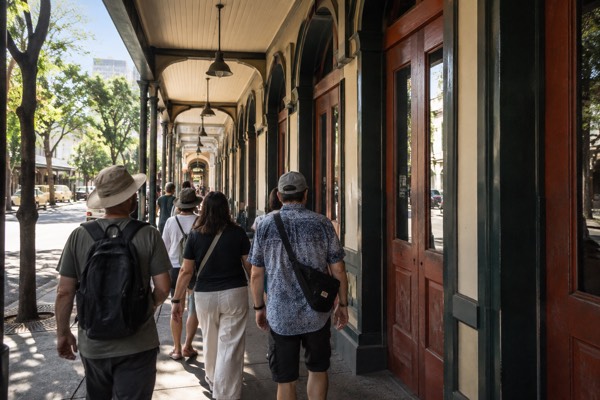
Downtown Honolulu Guide: What To See, Eat And Skip In Oʻahu's Business District
Downtown Honolulu brings Oʻahu’s working city, civic landmarks and royal history together in a walkable historic core.
Short answer
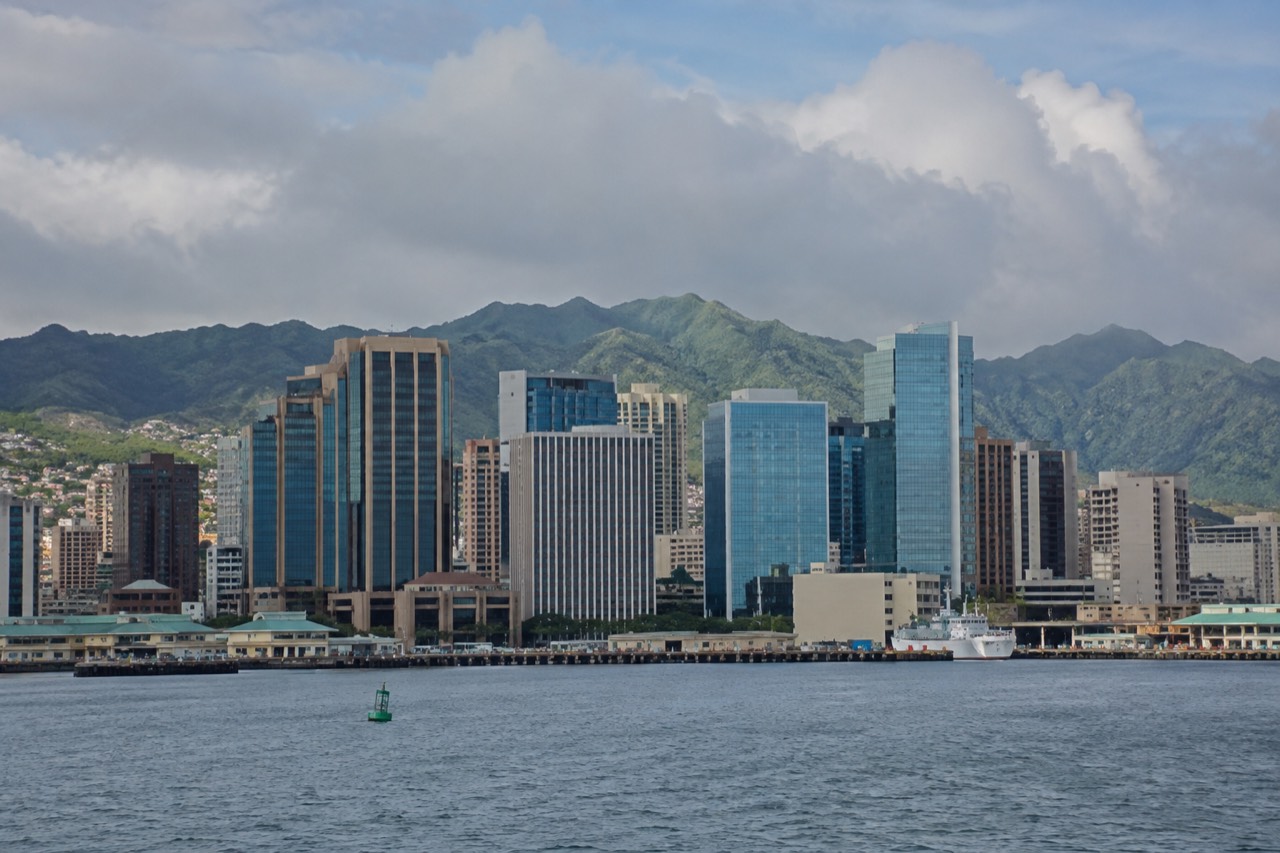
Downtown Honolulu is Oʻahu’s civic and business core, with ʻIolani Palace, the capitol district, Mission Houses and the harborfront. Allow a half-day or longer according to your interior visits. TheBus reaches downtown; Skyline still requires a bus connection. A downtown hotel suits city access rather than a beach outside the door.
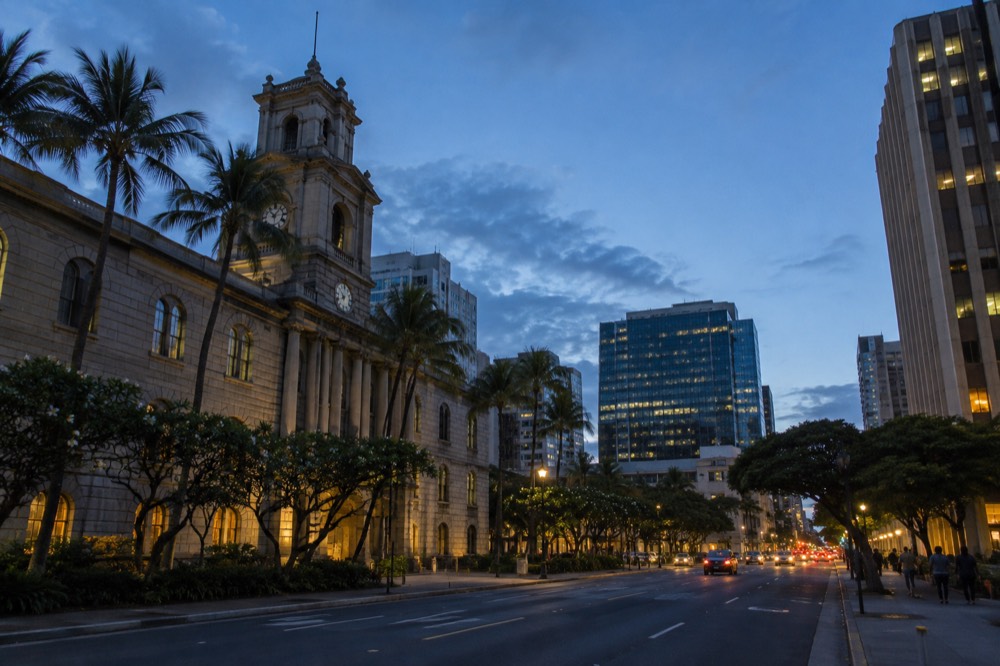
Downtown Honolulu is where Oʻahu works. The island's courts, its state offices, its banks and its biggest concentration of nineteenth-century buildings all sit within about a dozen blocks of each other, pressed between the harbor and the Koʻolau foothills. A visit gives you a different perspective from the resort streets of Waikīkī.
The historic core deserves time of its own. Here, buildings from the Hawaiian Kingdom stand beside a working Chinatown and the harborfront that welcomed generations of arrivals. The district rewards a half day, not a week, and this guide covers what to see, how to get there, where to eat and who it genuinely suits as a base.
What Is Downtown Honolulu, Exactly?
Downtown Honolulu is the civic and business core beside Honolulu Harbor, extending from the waterfront through the office district toward ʻIolani Palace and the state capitol. Chinatown borders it to the northwest. Office routines influence restaurant hours and street activity, but each attraction and business has its own schedule.
That working-city rhythm matters as much as the map. Weekday lunch brings office workers to the counters; some businesses close earlier or take weekends off. Chinatown Honolulu, immediately northwest, adds markets, restaurants and evening venues rather than following one district-wide timetable.
The boundaries blur, and locals argue about them. For a visitor the useful frame is three zones: the palace and capitol quarter at the mauka (mountain) end, the commercial core in the middle, and the harborfront with Aloha Tower at the makai (ocean) end. Chinatown sits immediately northwest. Choose a walking route that fits your pace, heat tolerance and any reserved interior visits.
Is Downtown Honolulu A Good Base For An Oʻahu Trip?
Downtown can suit a traveller who values historic sights and city access over a beach outside the door. Compare the actual hotel and dates: a lower price or quieter room is not guaranteed. The hotel choice is smaller than in Waikīkī, and Skyline does not yet have a downtown station.
The practical comparison is with Waikīkī. Downtown is geographically closer to the airport and Pearl Harbor, but traffic and your exact pickup still matter. Waikīkī offers a larger resort choice and beach access that varies by property. Do not assume either district gives every tour a hotel pickup.
Aston at the Executive Centre Hotel is a specific downtown option at 1088 Bishop Street. Executive suites have full kitchens; other suite categories differ. Its pool and hot tub provide hotel facilities, but the downtown address is not a beachfront location. Include the mandatory amenity fee, taxes and paid parking in the stay total.
If you are weighing a longer stay, our Waikīkī vs North Shore comparison covers the island's other main lodging regions, and the broader Oahu Travel Guide homepage maps the whole picture.
| Factor | Downtown as a base | Waikīkī as a base |
|---|---|---|
| Beach access | A separate journey | Depends on the property; some are beachfront |
| Room rates | Compare exact dates, suite and fees | Compare exact dates, room and fees |
| Food scene | Office lunch counters and nearby Chinatown | Broad choice around the resort district |
| Tour pickups | Confirm the specific operator and meeting point | Common for some tours, never assume |
| Evenings | Vary by block and business hours | More concentrated visitor dining and entertainment |
| Best fit | City sights and a suitable suite | A stay built around the beach |
If a beach outside the hotel matters more, compare OUTRIGGER Waikiki Beach Resort as a different base. Add the journeys to downtown to its full room total. An attraction pass does not discount a hotel merely because its activities are nearby.
What Are The Best Things To Do In Downtown Honolulu?
Start with ʻIolani Palace and the capitol quarter, then choose the Mission Houses, Fort Street or the harborfront according to your time. The King Kamehameha statue stands in front of Aliʻiōlani Hale across King Street from the palace. Aloha Tower’s observation deck is currently closed; seeing the waterfront is not an observation-deck visit.
ʻIolani Palace was the royal residence and government seat of the Hawaiian Kingdom. Its furnished rooms and interpretation deserve time and attention, especially the history of the monarchy and its overthrow. Current visits are for ages five and older, with stairs required while the elevator is out of service. Reserve ahead: the palace currently offers no walk-up or same-day reservations. Allow roughly 60–90 minutes and check the date’s actual docent or self-led audio schedule.
Across King Street, the statue stands in front of Aliʻiōlani Hale, home to the judiciary history center. The state capitol is mauka of the palace. The Hawaiian Mission Houses tell another part of nineteenth-century history nearby; their house tours normally run Tuesday–Saturday and have separate admission. Check the actual visiting hours and entry conditions before combining interiors.
At the harbor end, Aloha Tower was an arrival landmark for ship passengers. Walk toward the waterfront if it fits your route, but the Aloha Tower observation deck is closed with no reopening date confirmed by the visitor page. The Pearl Harbor and USS Arizona Memorial guide covers a separate journey west, not an extra downtown walking stop. National Memorial entry and the Arizona program are free; a federal online reservation carries a $1 fee per ticket, with transport and parking separate.
How Do You Get To Downtown Honolulu?
TheBus serves downtown, but Skyline ends in Kalihi and needs a bus connection to the historic core. Adult cash bus fare is $3.25 without transfers. HOLO charges $3 for a two-hour transfer window and caps adult fares at $7.50 per day, with the card cost separate. There is no Waikīkī or downtown rail station yet.
The $7.50 cap is per adult rider, so compare the total for your party. A HOLO card costs $2 separately. One child under five may ride free with a fare-paying passenger if the child does not occupy a seat; five-year-olds are not covered by that rule.
From Waikīkī, check a direct downtown bus and its return rather than assuming a fixed journey time. From HNL, Skyline can connect with the A Line at the Lagoon Drive station for downtown and Ala Moana. If driving suits your wider trip, compare a rental with the complete public-transport plan; the linked quote is for HNL collection, not a downtown branch. Parking prices, restrictions and space vary. The Do You Need a Car on Oahu? and TheBus guides cover the wider decisions.
For narrated sightseeing transport, Waikiki Trolley’s Red Line serves historic Honolulu, including palace-area, Chinatown and harborfront stops. Choose a Red Line or suitable all-line ticket, then check the roughly hourly departures and actual return. It does not include palace admission or a late-night ride home.
| Transit option | Cost | What it covers |
|---|---|---|
| TheBus single ride, cash | $3.25 | One ride, no transfers |
| HOLO 2-hour pass | $3.00 | Unlimited transfers for 2 hours |
| HOLO daily cap | $7.50 | All rides after the cap are free |
| 7-day pass | $45.00 | Seven days from first tap |
| Monthly cap | $90.00 | One month of rides |
If your downtown visit is part of a longer paid itinerary, assess each attraction-pass inclusion and reservation separately. Do not assume a commercial pass pays TheBus or Skyline fares, includes a particular trolley ticket, or provides transport between all included venues.
Where Should You Eat In Downtown Honolulu?
Downtown has lunch counters and plate-lunch spots serving the office district, with hours that vary by business. Nearby Chinatown adds markets, noodle shops, dim sum and evening restaurants. Choose actual places and opening times rather than assuming every downtown counter closes early or every Chinatown restaurant stays open late.
Plate lunch commonly brings rice, macaroni salad and a main dish together. Look at the menu and service that suit you; a queue or the identity of other customers does not establish quality. The same rule applies to the lunch wagons and food trucks that park around the edges of the district on weekdays, which our food trucks on Oahu guide covers island-wide.
Chinatown’s markets and eating places reward a separate look; the Chinatown Honolulu guide covers the neighborhood. If you prefer arranged tastings, Hawaii Free Tours’ Off The Beaten Path food walk spends about three hours there, mostly standing, with food and drinks included. Confirm serious allergies or dietary requirements before booking. Meet at Royal Kitchen or arrange the included Honolulu/Waikīkī pickup; transport from outside that area is not included.
One practical note: downtown dining thins out sharply on weekends and holidays, when the office population is gone. Check hours before you build a Sunday plan around a specific counter.
When Is The Best Time To Visit Downtown Honolulu?
Choose your downtown date around the interiors you want to visit. ʻIolani Palace’s tour windows vary by format and weekday; an ordinary Monday morning is not a palace-tour slot. A street walk is more flexible, but check restaurant hours, weather and the time needed to reach a reservation.
Downtown is on Oʻahu’s leeward side, but airport or Mānoa climate averages are not a forecast for your walk. Check current local weather and any severe-weather notice. The links between buildings are outdoors; the rainy day activities guide offers alternatives when the walking plan no longer fits.
Book any timed interior visit first, then leave room for lunch, walking and transport. An app-based street tour can pause around those reservations; its flexible start does not change a museum’s opening hours.
Is Downtown Honolulu Safe?
No guide can guarantee personal safety. Activity and conditions vary by block and hour: plan your route and return, keep valuables secure and stay aware. Honolulu Police recommend well-lit areas at night and travelling with others where possible. Change your route or arrange pickup if you are uncomfortable.
The office calendar changes foot traffic, but it does not create a guaranteed safe time window. Treat residents and people experiencing homelessness respectfully; housing status is not a measure of danger. Use current local advice and your actual surroundings when deciding how to continue.
Our Is Oahu Safe? guide covers wider considerations. If you drive, keep belongings secure and avoid leaving valuables in a parked car. Keep the return journey in mind when choosing where to park.
Should You See Downtown On A Tour Or On Your Own?
You can see downtown’s public streets and exterior landmarks independently. An optional smartphone audio walk adds narration at your pace; a live guide or narrated trolley provides a different experience. Neither an outdoor audio route nor a city drive automatically includes palace or museum entry.
Tripvia’s Historic Honolulu audio walk follows about two miles through the civic district and downtown streets. Its English GPS narration covers landmarks such as the palace exterior, King Kamehameha statue, capitol and Fort Street. Download the app and tour before arrival, bring a compatible smartphone and headphones, and begin on the Queen Street side of Aliʻiōlani Hale. Allow about one to two hours before extra stops; there is no live guide, transport or included admission.
Independent reading and placards remain an option. Hawaii Free Tours also advertises a free downtown history walk, with tips appreciated, on Tuesdays and Thursdays at 9 a.m. from the King Kamehameha statue; check its actual calendar. A general circle-island tour is a different day and should not substitute for a downtown route unless its listed stops and timing fit. Cruise visitors should check the ship’s return deadline against the full outing; the Oahu cruise ship day itinerary covers that constraint.
Whether you walk or ride, plan the full arrival and return, wear comfortable shoes and reserve any palace interior visit ahead. For an audio walk, set up and test the downloaded tour before leaving a reliable connection.
Common Questions About Downtown Honolulu
A half-day can fit a focused downtown visit, while several interiors need more time. Choose the date around confirmed opening hours and reservations. A downtown hotel is a city-base choice, and neither lower rates nor direct rail access should be assumed.
How long should I spend in downtown Honolulu?
Half a day is the right amount for most visitors: a palace tour at your confirmed time, the capitol quarter and King Kamehameha statue, a walk down Fort Street to Aloha Tower, and lunch either downtown or in Chinatown. History enthusiasts can fill a full day by adding the Mission Houses and the Chinatown markets.
Can you visit ʻIolani Palace without a tour?
For the interior, a self-led audio visit is an alternative to a docent-led tour, but it still requires an advance reservation. There are currently no walk-up or same-day reservations. Ages five+ and stairs-only access apply while the elevator is out of service. The outdoor smartphone walk is a different product and does not admit you to the palace.
Is downtown Honolulu walkable?
Yes. The palace quarter, the commercial core, Aloha Tower and Chinatown all sit within a walkable band of about a dozen blocks, and the terrain rises only gently toward Nuʻuanu Avenue. Allow for street crossings, heat, uneven surfaces and any temporary works; choose a route that suits your mobility.
Does the Skyline rail go to downtown Honolulu?
Skyline runs via HNL to Kalihi, with bus connections onward; there is no downtown or Waikīkī rail station yet. TheBus runs direct routes from Waikīkī, and both systems share the same HOLO fare card with a $7.50 daily cap.
What is close to downtown Honolulu?
Chinatown is immediately adjacent, the harbor and Aloha Tower anchor its makai edge, and the state capitol district sits at its mauka end. Pearl Harbor needs a separate journey west and time for its own visit. Chinatown’s markets and Foster Botanical Garden can be reached on foot from parts of the commercial core, depending on your route and pace.
Is downtown Honolulu worth visiting with kids?
It depends on the kids. The palace currently admits ages five and older, requires stairs while the elevator is unavailable, and involves about 60–90 minutes moving through the interior. A shorter walk to the statue and a meal may suit some families better. Families usually enjoy the itineraries with kids more than a downtown deep dive.
Downtown Honolulu will never compete with the beach for attention, and it does not try to. What it offers is the island's memory: the palace, the harbor, the working streets and the food that feeds the people who actually live and work on Oʻahu. Give the sights you choose enough time, with interior reservations set before the day’s other plans.
Choose Your Downtown Visit Or Stay
Walk the historic district independently, add self-paced audio, or choose narrated transport. Palace entry, a city hotel and a Chinatown tasting route are separate decisions with their own booking conditions.
Tripvia Historic Honolulu Audio Walk
A downloaded English audio walk; no live guide or palace admission.
A roughly two-mile, self-paced English audio walk, usually one to two hours before extra stops. Download the Tripvia app and tour before arrival; begin on the Queen Street side of Aliiolani Hale. Bring your own smartphone and headphones. No live guide, transport, parking or attraction admission is included; palace interior access is a separate reservation with its own restrictions. Check device compatibility and the selected per-person booking and cancellation terms.
Compare Complete Downtown Plans
Enter USD estimates for the same party, dates and purpose: either two day plans or two stays of equal length. Option A combines its main booking with all separate entry, food, transport, taxes and fees. Option B is the complete alternative. Do not count pass-included entry or food-tour tastings and pickup twice. These are reader estimates, not live quotes or a combined package.
Open the listing to select participants and obtain the app instructions. This page does not provide the audio tour or live availability.