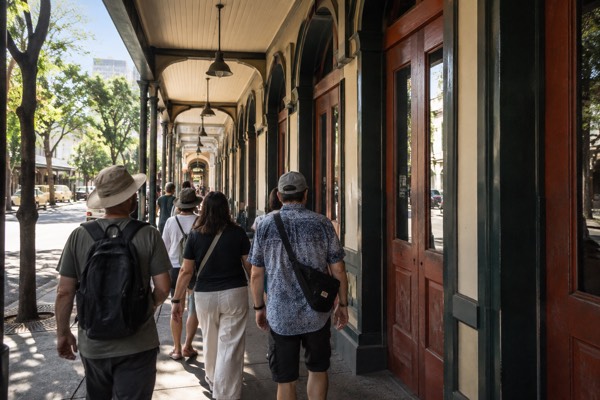
Chinatown Honolulu Guide: Markets, Food And What The District Is Really Like
Chinatown Honolulu is a dense, working district of covered markets, noodle counters, lei stands and galleries pressed against the edge of downtown. This guide covers what it is like on the ground, what to eat, how to get there without a car, and who it suits.
Short answer
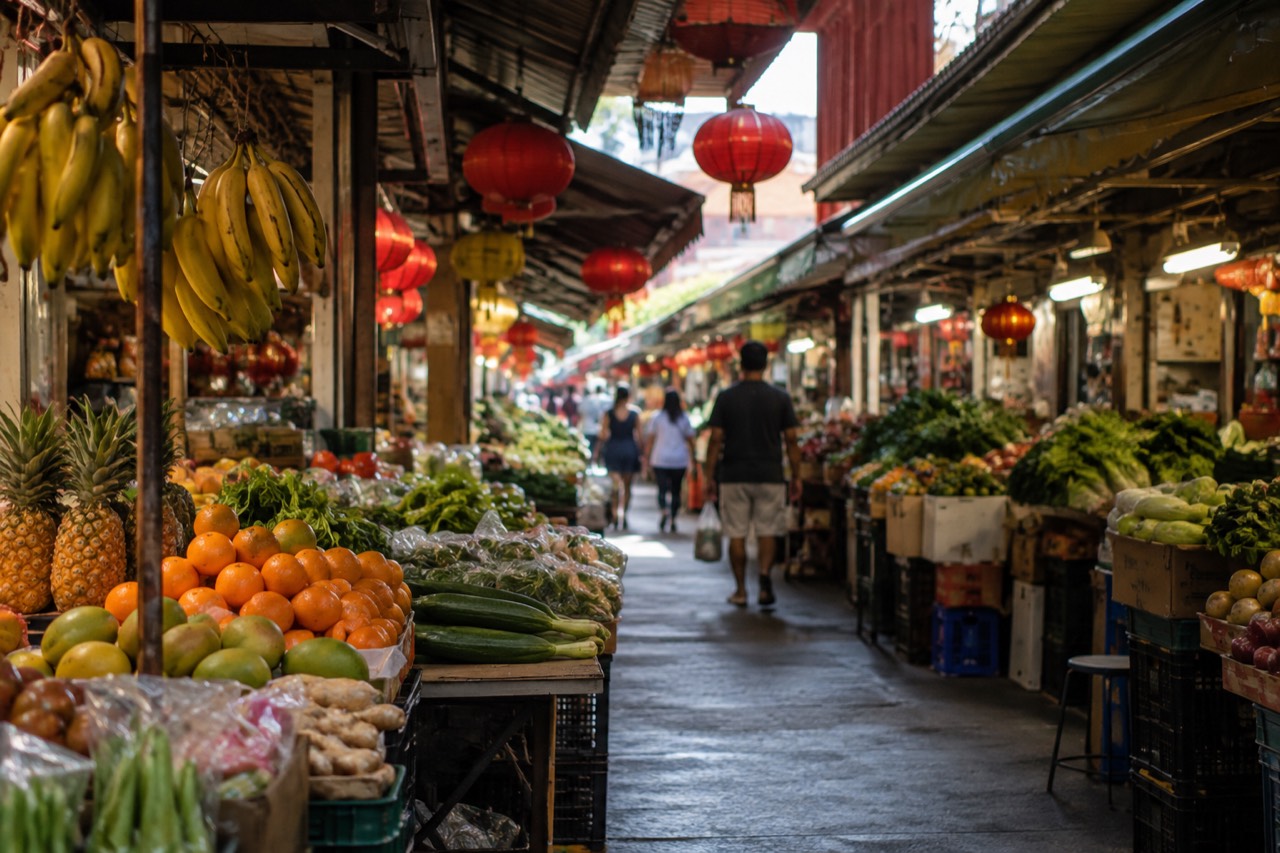
Chinatown is a working district of markets, food counters, lei shops and galleries beside downtown Honolulu. An independent walk needs no district admission ticket; budget separately for food and any optional tour. Plan around individual opening hours and your return journey. Skyline does not yet reach Chinatown, and nearby downtown hotels offer a city base rather than beachfront access.
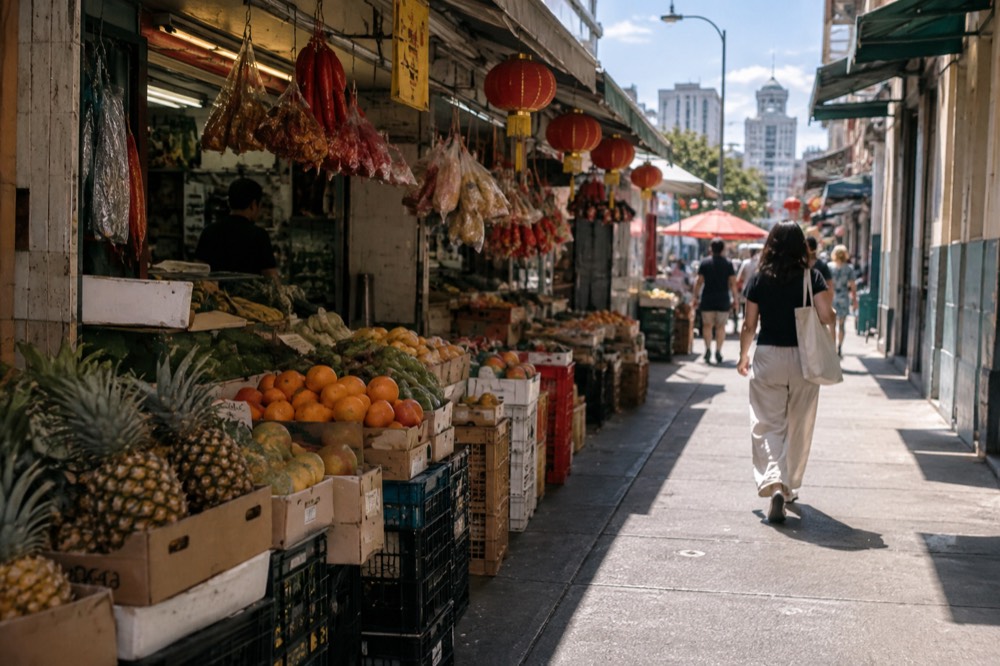
Chinatown Honolulu does not perform for tourists. Produce gets sorted on folding tables before sunrise, dim sum counters fill with office workers by noon, and by late afternoon the galleries and bars along the district's quieter blocks take over. It is the most urban stretch of the island, a few minutes from the towers of downtown Honolulu, and it rewards visitors who arrive hungry and walk slowly. This guide from Oahu Travel Guide covers the district as both a day out and a place to sleep, with honest notes on safety, transit and what to order.
What Kind Of District Is Chinatown Honolulu?
Chinatown Honolulu is a compact, working neighbourhood of covered markets, noodle shops, herb stores, lei stands and a small concentration of art galleries, sitting immediately north of downtown Honolulu's office towers. It is not a themed attraction district. Real commerce happens here daily, from wholesale produce to fortune telling, and the visitor experience is closer to eating your way through a working market street than touring a preserved historic set.
That working character is the district's whole appeal. Unlike a purpose-built visitor zone, Chinatown's shops exist first for the people who use them: the restaurants that plate lunch for hospital workers, the produce stalls supplying restaurants across the island, the bakeries that sell out by early afternoon. A visitor is joining an economy already in motion, not stepping onto a stage.
The district also carries a cultural weight that deserves respect. Chinese migration to Hawaiʻi is a deep part of the islands' story, and the shops, temples and clan association buildings in the district reflect generations of that community. Treat temples and any space marked restricted the way you would anywhere: quietly, without climbing on anything, and without treating someone's place of worship as a photo backdrop.
The scale is small. This is a district you walk, not drive, and a full circuit of the market streets takes less time than a leisurely lunch. Most visitors combine it with other downtown stops rather than treating it as a standalone all-day destination, and that is the right instinct.
Where Is Chinatown Honolulu And How Do You Get There?
Chinatown sits beside downtown Honolulu around the market streets east of Nuʻuanu Stream. TheBus serves the area, but Skyline does not yet reach Chinatown or the downtown core. From Waikīkī, plan the actual bus or trolley route and walking at each end; traffic and waiting time vary. The adult HOLO daily fare cap is $7.50 per rider, with the card cost separate.
The transit economics are genuinely good. TheBus and Skyline share one fare structure: $3.25 for a single cash bus fare with no transfers, $3.00 for a two-hour HOLO pass with unlimited transfers, and a hard daily cap of $7.50 once you tap enough times. A HOLO card costs $2.00 to obtain, and one child under five may ride free with a fare-paying passenger if the child does not occupy a seat. For a visitor doing Chinatown plus downtown plus a museum in one day, the day cap does real work.
Skyline runs between East Kapolei and Kalihi via HNL; a station planned for Chinatown is not an operating stop. From Waikīkī, a bus journey directly toward downtown is generally simpler than detouring to rail. Hālawa Aloha Stadium is not inside the Pearl Harbor visitor center, so that separate visit also needs a complete onward route.
Waikiki Trolley’s Red Line serves historic Honolulu with a Chinatown/Hawaii Theatre stop. Choose that line, or a multi-line ticket including it, and check the current stop and reroutes. The service is approximately hourly; a daytime sightseeing ticket is not a late-night ride home. The Waikiki Trolley hop-on hop-off tour explains the options.
The full-day grand circle island tour is a separate island outing, normally starting in the morning from its listed pickup. Do not plan a Chinatown breakfast walk before it unless your actual confirmed schedule allows that. A generic circle-island listing does not establish downtown pickup or a Chinatown stop.
| Option | Best for | What to know |
|---|---|---|
| TheBus with HOLO | Independent arrival | Per-rider cap; check connections and return |
| Skyline plus bus | Trips beginning near the rail route | Rail ends in Kalihi; no Chinatown or Waikīkī station yet |
| Red Line trolley | Narrated historic-Honolulu sightseeing | Roughly hourly; select the correct line and return departure |
| Circle-island outing | A separate island overview day | Its morning pickup and route may not fit a Chinatown visit |
Do You Need A Tour, Or Can You Explore Chinatown On Your Own?
You can explore Chinatown independently without a district admission ticket, paying for food, purchases and any separately ticketed venue you choose. A guided food walk adds planned tastings and local context, while a pay-what-you-want history walk has a different purpose and payment model. Check each operator’s current route and dates before building a day around it.
Robbie’s downtown-and-Chinatown walk is listed on GuruWalk as a pay-what-you-want option: you reserve a place and decide what to tip afterward. Check the current calendar rather than relying on an old review count. Hawaii Free Tours also advertises a free downtown history walk, with tips appreciated, on Tuesdays and Thursdays at 9 a.m. from the King Kamehameha statue. Its listed historic-core route is separate from the paid Chinatown tasting tour below; neither a free walk nor a tip includes your market meals.
Walking it yourself costs nothing but appetite. The covered markets are the spine of the visit: wander them in the morning when produce is freshest and the light comes through the awnings, then let lunch decide your route. Order at counters where locals are queued, point at what looks good, and do not be shy about asking what something is. Vendors in a working market answer that question all day.
A self-guided visit also lets you set your own pace in a way a scheduled walk cannot. If a bakery line is short, join it. If a stall is selling something you have never seen, stop. If the afternoon heat is getting to you, the district's edge puts you within a short walk of a botanical garden and a bench in the shade, and nothing about a self-guided day prevents you from taking that exit.
For a guided tasting route, Hawaii Free Tours’ Off The Beaten Path outing spends about three hours in Chinatown, with food and juice or water included. Plan for standing during much of the walk and contact the operator about serious allergies or dietary requirements before booking. Meet at Royal Kitchen or confirm the included Honolulu/Waikīkī pickup; east- or west-side accommodation requires independent arrival.
A commercial attraction pass is useful only for its actual included paid activities. A slow trip built around markets, public beaches and independent walks may be better bought separately. Compare the chosen pass with an itinerary you can realistically complete, including reservations, transport and extras; wandering Chinatown does not create an admission saving.
What Should You Eat In Chinatown Honolulu?
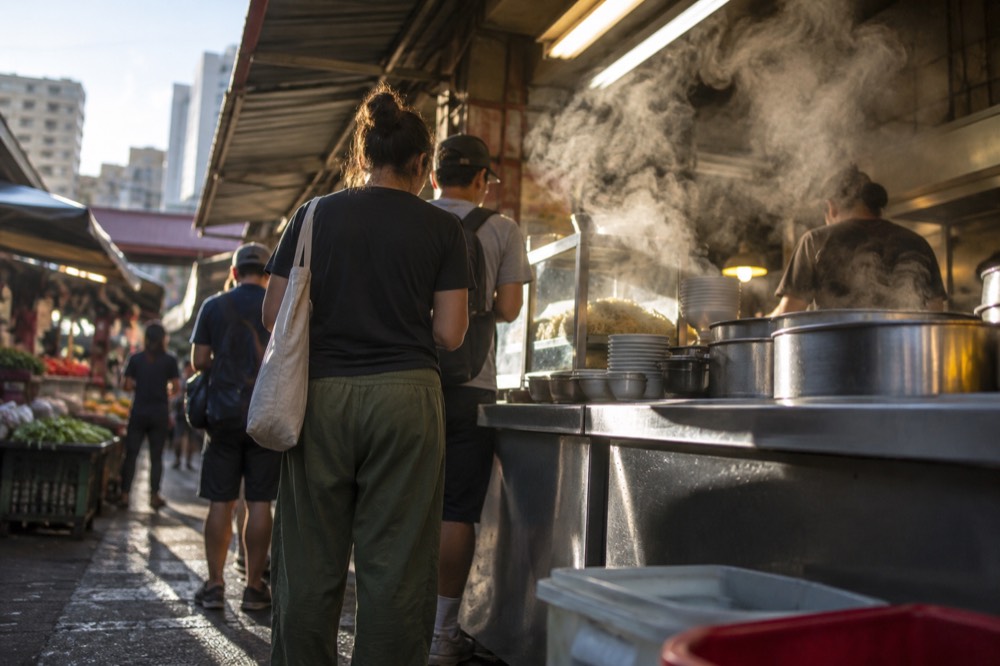
Eat dim sum in the morning, noodles or a plate lunch at midday, and bakery items whenever the lines are short, because the best counters sell out early. Chinatown Honolulu's food scene runs from Cantonese dim sum counters to Vietnamese noodle shops to Hawaiian-Chinese plate spots, and the reliable rule is the one that works in any market district: queue where the workers queue. Order for your appetite, check ingredients if you have dietary needs, and share dishes when that suits your group.
Dim sum is a good reason to visit earlier in the day, but opening hours and available dishes differ by business. Noodles, baked buns, produce and plate lunches give you other choices. Check the counter’s actual menu and service rather than assuming every shop stays open all day.
Two practical notes: carry small bills for counters that do not take cards, and expect some meals to involve standing or shared tables. The food tour follows that market rhythm too. Its menu can include manapua, roast meats, fruit and raw seafood; dishes vary, so settle any dietary restrictions before booking instead of expecting a guaranteed substitution.
| What to order | Where it fits in the day | Why it works |
|---|---|---|
| Dim sum baskets | Mid-morning | Selection thins later; the steamer is the signal |
| Noodle soup | Lunch | Consistent, fast, visible before you order |
| Plate lunch with a Chinese-Hawaiian twist | Midday | The islands' own hybrid; filling and cheap |
| Bakery items and pastries | Any time | Lines move fast; good between-meal walking food |
| Fresh fruit and cut produce from market stalls | Afternoon | What the market is actually for |
Beyond the food, the lei stands are worth a look even if you are not buying. Lei are not souvenir garnish in Hawaiʻi; they are given and worn with meaning, and a lei stand in a working market is where that tradition looks least like a postcard. Buy one for someone, or do not, but look at how they are made and handled.
Is Chinatown Honolulu Safe?
Conditions vary by block and time, and no guide can guarantee personal safety. Plan your route and return, keep valuables secure and stay aware of your surroundings. Honolulu Police advise well-lit areas at night and travelling with others where possible. Choose a pickup or another route if you are uncomfortable.
Stay alert around street crossings and while waiting for transport, as well as when shopping.
Chinatown is a working neighborhood with residents, shoppers and people experiencing homelessness. Treat people respectfully; someone’s housing status is not a measure of danger. Shop opening hours and activity change through the day, so make decisions from the actual surroundings and current local advice.
The precautions are the generic urban ones. Keep your phone out of your back pocket, do not leave bags hanging off chair backs, and carry only the cash you plan to spend at the counters. If a block feels off, turn around; the district is small enough that any route has alternatives.
For broader safety context on the island, including separate ocean and hiking considerations, read is Oahu safe.
What Else Is Within Walking Distance Of Chinatown?
Downtown Honolulu wraps around Chinatown, so a visit here sits naturally inside a bigger walking day: the district is close to the government and business core, to the waterfront, and to one of the island's botanical gardens at the district's edge. You can build a full day that starts with dim sum, walks through downtown's sights, and ends at a garden or the harbour, all without a car.
The downtown Honolulu guide covers the towers-and-landmarks side of the walk. The Aloha Tower sits on the harbour and makes a natural endpoint for a loop, and Foster Botanical Garden offers a quiet, green counterweight to a morning of market noise.
Foster’s regular hours are 9 a.m.–4 p.m., except Christmas Day and New Year’s Day, so an afternoon visit needs time before closing. Ordinary nonresident admission is $5 for age 13+, paid separately. If you use the Red Line for a wider downtown loop, allow for hourly departures and the walking between stops; it does not include Foster admission.
When Is The Best Time To Visit Chinatown Honolulu?
Mornings are the best time to visit: produce is being sorted, dim sum steamers are full, and the covered markets are at their most photogenic and most active. Weekday midday brings the lunch rush, which is the best people-watching and the worst table availability. Evenings are quieter on the market streets but livelier around the galleries and bars, so the right time depends on whether you came for food or atmosphere.
The single biggest timing mistake is arriving mid-afternoon expecting the full market experience. By then, some counters have sold out, produce stalls are winding down, and the district is in its lull. If food is the point, be there when the food is.
Some market areas are covered, but the walks between them and your transport stops are outdoors. Check the local forecast and severe-weather notices; covered stalls do not make flooding or thunderstorms irrelevant. The Oahu rainy season guide gives broader context, while the actual conditions should determine the day’s plan.
Should You Stay In Chinatown As Your Oahu Base?
Chinatown works as a base for a specific kind of traveller: someone who wants a genuinely urban stay, walkable food, and fast access to downtown and transit, and who does not need a beach outside the door. It is a poor fit for travellers whose Oahu holiday is meant to be a resort holiday, since the district offers none of that. For city-focused travellers, a nearby downtown hotel can put markets and historic buildings closer to the start of the day.
For a specific nearby option, Aston at the Executive Centre Hotel is at 1088 Bishop Street in downtown Honolulu, a few blocks from Chinatown. Executive suites offer full kitchens, while other suite categories differ. The property has a pool and hot tub, with a mandatory amenity fee and paid parking. Compare the exact suite, occupancy, taxes and full stay total rather than treating every downtown rental listing as the same product.
There is no beach in Chinatown, and a nearby downtown hotel is not a Waikīkī beachfront resort. If direct beach access matters more than the city location, compare OUTRIGGER Waikiki Beach Resort as a separate base. Include its fees, parking and the journeys back to Chinatown in the comparison. The Waikiki neighborhood guide covers that area’s wider trade-offs.
A downtown base does not automatically make every tour easier: confirm each operator’s actual pickup, especially for North Shore or windward activities. For Aston, check whether the suite includes the kitchen or laundry facilities you need, and contact the hotel about parking before bringing a vehicle; oversized vehicles are restricted. Use the cost tool below to compare complete stays or day plans for the same party and dates.
Common Questions About Chinatown Honolulu
A Chinatown visit can be independent, with food, tours and nearby paid attractions purchased separately. Allow a morning or half-day according to your interests, check the actual opening hours and plan the return. A downtown stay is a city-base decision; it does not provide a beach outside the door or guaranteed tour pickup.
How much time do you need in Chinatown Honolulu?
Half a day is enough for most visitors: a morning of markets and dim sum, or a lunch visit plus a gallery wander. Add time only if you are a committed eater or want to fold in the full downtown walk, the harbour and a botanical garden.
Is Chinatown Honolulu worth visiting?
Yes, if you value food and urban texture over scenery. It has a dense mix of food counters and markets, its public streets are free to explore, and it shows a side of Oahu that the resort corridors do not. If your trip is strictly beach-and-luau, skip it without guilt.
Is Chinatown Honolulu safe at night?
Conditions vary, so avoid a blanket safe-or-unsafe label. Plan a well-lit route and transport home, stay aware and keep belongings secure. Go with others where possible and change route or arrange pickup if you feel uncomfortable.
Can you walk from Waikiki to Chinatown Honolulu?
It is a long walk along urban streets, and most visitors should not plan it as a walking route. The bus connects the two areas directly and cheaply, and the HOLO card's daily cap makes a there-and-back day simple. Save your walking for inside the district itself.
Is there parking in Chinatown Honolulu?
Street parking in the district is limited and contested, and municipal and private lots exist around the edges. But this is one of the easiest parts of Oahu to visit without a car, so transit is genuinely the better plan. If renting for a wider island trip, compare the full rental, fuel and parking total with your actual transport needs. The linked quote is for HNL collection, not a downtown branch.
Chinatown Honolulu rewards the visitor who arrives early, eats seriously and walks the whole district without rushing. Pair it with downtown and the harbour for a full day, or use it as the food anchor of an urban stay, and it earns its place on any Oahu itinerary that makes room for the island's city life alongside its beaches.
Choose Your Chinatown Visit Or City Base
Explore the district independently, or choose a guided food walk, narrated trolley transport or a nearby downtown hotel. A rental and multi-attraction pass are wider-trip choices; they are not required to visit Chinatown.
Chinatown Off The Beaten Path Food Tour
A scheduled tasting route through Chinatown; independent eating remains an alternative.
Allow about three hours, with walking and standing for much of the tour. Tastings and local juice or water are included; tips are extra. Confirm Honolulu or Waikiki pickup, or meet at Royal Kitchen. Contact the operator before booking about serious allergies or dietary needs; raw seafood and meat feature on the menu. Foster admission and a garden visit are separate. The selected ticket allows cancellation at least 24 hours ahead for a full refund.
Compare Complete City Trip Costs
Enter USD totals for the same party, dates and purpose. Compare either two day plans or two stays of equal length. Option A combines its main booking with all separate transport, entry, food, taxes and fees; Option B is the complete alternative. Do not add included food-tour tastings or pickup twice, and do not compare one night with an entire stay. These are reader estimates, not live quotes or a package.
Choose dates and your party on the booking page, then confirm the meeting or pickup arrangements. This is a booking link, not live availability.