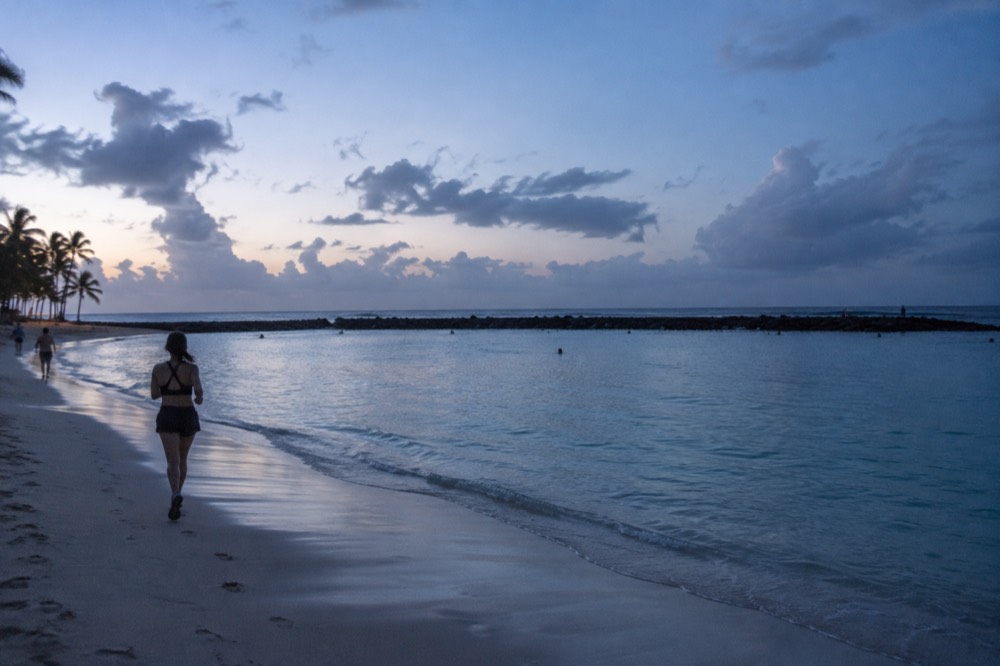
Waikīkī Vs North Shore Oʻahu: Where To Stay On Your Trip
Waikīkī and the North Shore are the two ends of Oʻahu travel, and the side you sleep on shapes the whole trip. Here is how the two compare on beaches, budget, food and logistics.
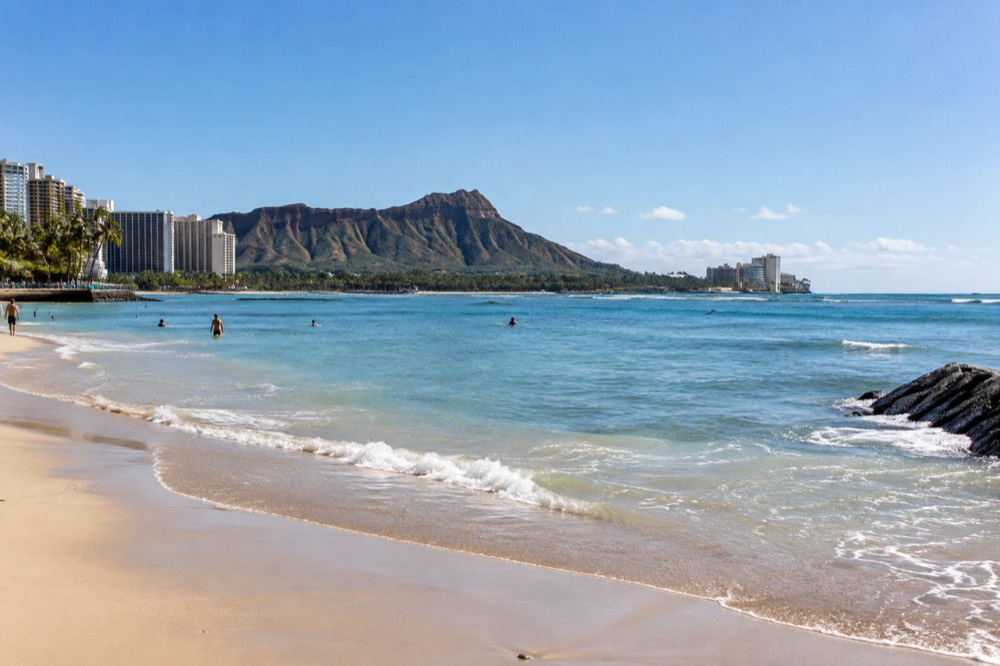
Short answer
Stay in Waikīkī if you want walkable beaches, tours on your doorstep and no car. Stay on the North Shore if you want quiet country towns, big winter surf and a slower pace, and accept that you will drive almost everywhere.
Waikīkī and the North Shore are about as far apart as two places on the same small island can feel. One is a dense resort strip where everything is walkable and the tours leave from the beach out front. The other is a stretch of working country towns on a two-lane highway, famous for surf that arrives on a seasonal schedule most visitors never check before booking.
The side you sleep on shapes the whole trip. This guide compares the two honestly: what each base gives you, what it costs you in time and hassle, and who each one genuinely suits. It draws on the site's verified research, including rainfall and surf data most guides skip, and it names the things that catch people out, like the reservation systems and checking current park notices before fixing a sightseeing route.
Waikīkī Vs North Shore: What Is The Real Difference?
Waikīkī is a compact, walkable resort district at the south end of Honolulu, dense with hotels, chain and local food, and tour departures, while the North Shore is a rural stretch of towns like Haleʻiwa running along the island's northern coast, quiet, spread out, and built around the ocean rather than around visitors. Waikīkī concentrates everything; the North Shore disperses it. Neither is a smaller version of the other, and the choice is about pace, not quality.
Waikīkī is where most of Oʻahu's visitor infrastructure sits, and the numbers back that up. The island took 5,679,047 visitors by air in 2025, preliminary state figures show, and the overwhelming majority of them sleep somewhere in or near Waikīkī. That concentration is exactly why the neighbourhood works for a first trip: the beach, the food, the Waikīkī neighbourhood guide essentials and a dozen tour pick-up points all sit within walking distance of most hotels.
The North Shore, by contrast, is a place people drive to. Its towns are small and its rhythm is local: surf at dawn, shave ice in the afternoon, dinner early. Many stays put you in residential communities, while Turtle Bay also offers a major resort, and the difference shows in everything from parking to how early things close.
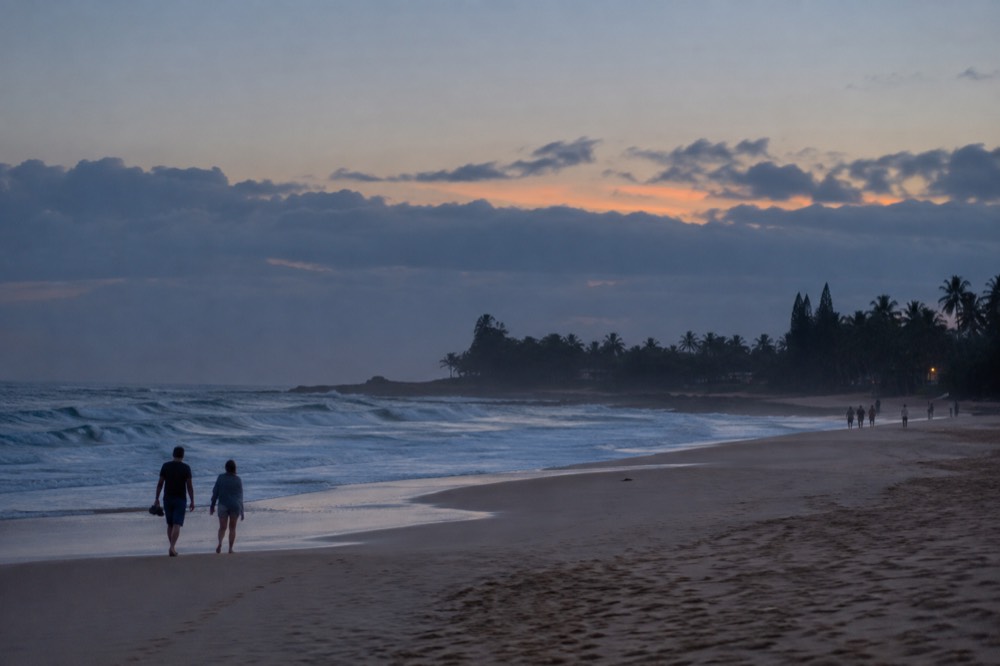
It also shows in how the two places treat you at night. Waikīkī keeps going after dark: restaurants, a magic show, a Friday fireworks sail, a stroll along Kalākaua Avenue. The North Shore largely stops. Kitchens close early, streets go quiet, and the entertainment is the sky. Some travellers read that as boredom and some as the whole point of going, and both readings are legitimate.
Which Side Of Oʻahu Suits Your Trip Style?
Pick Waikīkī if you want to walk everywhere, book tours easily, have nearby beach access and potentially skip renting a car. Pick the North Shore if you want quiet, space, big-wave season, food trucks and are comfortable planning transport between spread-out stops. Split stays are also common and work well: Waikīkī first for the logistics, the North Shore last for the calm.
The honest test is what you do on a trip, not what you photograph. Waikīkī suits travellers whose days are built around booked activities: snorkel trips, catamaran sails, luaus and Pearl Harbor, all of which depart from or near the strip. The north shore guide matters more to travellers whose days are built around being outside with no schedule: beaches, hikes, watching surf.
A quick comparison of the two bases:
| Factor | Waikīkī | North Shore |
|---|---|---|
| Setting | Dense resort district, high-rises | Country towns, low-rise, rural |
| Walkability | High; most needs within walking distance | Low; plan transport around your exact base |
| Swimming | Often sheltered; conditions still vary | Strong winter surf; summer conditions also need checking |
| Food | Full range, late hours | Food trucks, plate lunch, early closes |
| Tours | Many Honolulu departures nearby | Local shark dives, ziplining and ranch rides; some tours depart elsewhere |
| Pace | Busy, energetic | Quiet, slow |
| Best for | First visits, short stays, no-car trips | Second visits, long stays, surf watchers |
If you are staying in Waikīkī and want the classic water morning, the Waikiki Turtle Canyon snorkel tour is a Waikiki activity, not a North Shore departure. Wildlife remains unpredictable; review the operator’s terms rather than treating a sighting as certain.
The surf lesson question works the other way around. Most people assume lessons belong on the North Shore because that is where the famous waves are, but famous waves are exactly what a beginner does not want. Waikīkī's long, gentle, rolling waves are the reason first-timer lessons cluster there, and a two-hour group session with a low student-to-instructor ratio is the standard entry point. If learning to surf is on your list, the lesson is arguably a better reason to base in Waikīkī than the shopping is.
What About Costs, Reservations And Getting Around?
Neither shore is always cheaper per night. Waikīkī can reduce transport costs when you can walk or use TheBus and Skyline, while a North Shore stay often adds rental, fuel and parking costs. Reservations, not prices, are Oʻahu's real planning problem: Hanauma Bay and Diamond Head both restrict non-resident entry through timed booking systems. Budget for the system, not just the room.
The transport maths favours Waikīkī hard. TheBus and Skyline share one fare structure: $3.25 for a single cash ride on TheBus, a $7.50 daily cap on a HOLO card, and $90 for a monthly pass. Skyline now reaches the airport, but there is no Waikīkī station, so a transfer is still required. TheBus serves the North Shore, but for independent multi-stop days its longer journeys and limited flexibility can mean that a rental car is the realistic answer.
Reservation systems are the thing first-time visitors underestimate. Hanauma Bay closes Mondays and Tuesdays, opens reservations two days ahead at 7:00 a.m. HST, and charges non-residents $25 plus an online service fee, while residents enter free with Hawaii ID. Diamond Head requires non-residents to reserve entry and parking in advance, a rule in force since May 2022, with $5 per person and $10 per vehicle, card only. Neither system cares how much your hotel cost.
| Item | Waikīkī base | North Shore base |
|---|---|---|
| Rental car | Optional | Often useful for independent multi-stop days |
| Transit | TheBus and Skyline, $7.50 daily HOLO cap | Very limited |
| Hanauma Bay access | Closer by road; confirm entrance transport separately | Longer drive each way |
| Diamond Head access | Short drive or tour shuttle | Long drive each way |
| Evening dining | Wide range, late hours | Limited, closes early |
| Reservation pressure | Same island-wide rules apply | Same island-wide rules apply |
There is also a tax detail worth knowing when you compare room prices across the two sides. Act 96, effective 1 January 2026, raised the state Transient Accommodations Tax from 10.25% to 11.00% for transient accommodation. It is often reported as a separate "green fee" collected on arrival, which is wrong; it is a higher rate on the accommodation tax you were already paying, and it applies to every licensed room on the island, Waikīkī high-rise or North Shore guesthouse alike.
One more planning fact worth knowing: the rainfall on this island is not evenly distributed, and an airport reading does not describe every district. The figures below compare Honolulu airport with inland Mānoa; they are not a direct Waikīkī–North Shore rainfall comparison.
Where Should Families And First-Time Visitors Stay?
Waikīkī is often a practical base for families and first-time visitors, because beach access, walkable food, the zoo and aquarium, and many tour pick-ups sit together there. Beach conditions still need checking every day. The North Shore works better for families on a second or longer trip, when the group is comfortable driving and the children are old enough for beach days that need planning around surf. The deciding factor is water safety, not scenery.
Parts of Waikīkī have reef shelter and beginner surf lessons are widely available, but swimmable conditions are not guaranteed in any season. The North Shore's beaches are seasonal in a way that matters with children: summer often has smaller surf, while winter brings the surf the coast is famous for, and conditions change day to day. Lifeguarded beaches exist on both coasts, and the family guide on this site covers the Oahu with kids picture in full.
First-time visitors get more from Waikīkī for a second reason: the island's headline sites are spread out, and a southern base sits closer to Pearl Harbor, Diamond Head, Hanauma Bay and downtown Honolulu than a northern one does. The money page, Things to Do in Oahu, shows how much of the list sits in the south and east of the island.
There is a practical wrinkle with children that the brochures skip. Waikīkī puts a pharmacy, a grocery store, a clinic and a hundred food options inside a ten-minute walk, which matters more than it sounds when a child gets sick at 8 p.m. On the North Shore the same errand is a drive, and the choice of where to drive is short. Families who have done both often describe it this way: Waikīkī is easier, the North Shore is lovelier, and with young children easier wins.
Paddleboard yoga in Honolulu is another possible activity. The listed 75-minute class welcomes beginners but requires moderate fitness, and under-17s need an accompanying adult; check eligibility rather than assuming it suits every age.
What Does Each Side Feel Like As A Day Out?
A Waikīkī day is dense and vertical: beach in the morning, a booked activity at midday, dinner and a stroll at night, all on foot or a short bus ride. A North Shore day is horizontal and slow: one beach, one food truck, one stop in Haleʻiwa, and a lot of driving between them. Waikīkī gives you more options per hour; the North Shore gives you more space per person.
A Waikīkī morning can be a turtle snorkel, a catamaran sail or a walk to Lēʻahi, the Hawaiian name for the crater signposted as Diamond Head, with a reservation sorted in advance. Afternoons run toward Ala Moana or the pool, and evenings toward the strip's restaurants and shows. Everything is close, which is the point.
A North Shore day is built around stops: Waimea Bay, Sunset Beach, the shrimp trucks, Haleʻiwa town. Waimea Valley, a verified detail worth planning around, currently lists Tuesday–Sunday hours and $26 general adult admission; operating days vary seasonally, with kamaʻāina and military rates lower. Check current DLNR notices for Nuʻuanu Pali Lookout and Kaʻena Point State Park before planning those stops; access can change after storms.
The other seasonal fact that changes a North Shore day is the surf itself. The island's coasts run out of phase: north-facing shores peak in winter, south-facing in summer. In September 2026, the National Weather Service surf forecast had the south shore running larger than the north, a complete inversion of the winter picture. If your whole image of the North Shore is forty-foot Waimea, check what month you are actually going.
Day length matters more than visitors expect, too. Sunset in Waikīkī never gets later than about 7:17 p.m. all year, per US Naval Observatory data, and winter sunsets fall before 6 p.m. That compresses a North Shore beach day hard in December, when the coast is at its most dramatic and the light is at its shortest. A Waikīkī evening absorbs an early sunset easily; a North Shore evening just ends.
When Should You Pick Waikīkī, And When The North Shore?
Pick Waikīkī for a first trip, a short stay, a no-car trip, or a trip built around booked tours and evening life. Pick the North Shore for a second or longer trip, a surf-focused trip, or a stay where quiet matters more than options. Split the difference if you have five days or more: Waikīkī first for logistics, then the North Shore to end slow.
The split-stay option deserves more attention than it gets. Because the island is small, two or three nights on each side can give you both experiences, but allow for packing, check-out, traffic and the next check-in time. Doing the North Shore as a day trip instead, from a Waikīkī base, is the most common compromise and it works, but it means experiencing the coast at its busiest hours, alongside everyone else who made the same decision.
Whatever you choose, the water is a constant. Harbour readings at Honolulu averaged 82.7 °F in August 2025, the warmest month of the year, and never dropped below a monthly mean of 78.0 °F in any month, per NOAA station data. Note those are harbour figures and run warm against open ocean off Waikīkī, but the honest summary stands: the ocean is warm year-round on both coasts, so water temperature should not decide this at all.
Common Questions About Staying In Waikīkī Or The North Shore
Most questions about choosing between Waikīkī and the North Shore come down to three things: whether you will rent a car, whether your dates fall in surf season, and how much you value evening options. Waikīkī answers the car question with transit and the evening question with abundance, while the North Shore answers the pace question with quiet and the water question with drama. Everything else, including the reservation systems and the fees, applies identically on both sides.
Is the North Shore worth staying at, or just a day trip?
Both work. As a day trip you see the highlights on most visitors' schedule. As a base, two or three nights gives you early mornings and late afternoons at the beaches when the day-trippers have gone, which is when the coast is at its best.
Can you stay on the North Shore without a car?
It is possible with a carefully chosen base and a limited itinerary. TheBus serves the coast, but distances and journey times make spontaneous multi-stop days harder. Compare current timetables, booked transport and a rental before deciding.
Is the North Shore dangerous for swimming?
It depends on the specific beach and conditions that day, not just the season. Winter brings the coast's famous large surf; summer is often calm. Swim at lifeguarded beaches, read the signs, and check the daily surf forecast rather than assuming.
Is Waikīkī too crowded to enjoy?
It is busy, especially on the sand closest to the main hotel blocks, and that is the trade for walkability. The crowds thin out along the beach toward the zoo and aquarium end, and Ala Moana Beach Park nearby is the local-calmer alternative.
Which side is cheaper?
Room rates swing by season and by property, so compare live prices rather than relying on rules of thumb. The structural difference is the car: a Waikīkī base can skip one entirely, riding TheBus and Skyline on a $7.50 daily HOLO cap, while a North Shore base often needs a larger transport budget.
Can you do both in one trip?
Yes, and it is a good structure for five days or more. Sleep in Waikīkī first while you do the booked activities, then finish with two or three nights on the North Shore to end the trip slowly.
Whichever side you choose, the Oahu Travel Guide has neighbourhood guides, itineraries and tour pages for both, and the reservation systems, fees and surf seasons described here apply to the whole island, so the planning you do now pays off wherever you end up sleeping.
Compare Your Oahu Base
Compare a beachfront Waikiki hotel with a North Shore resort, a rental stay or a day trip. Use the same dates and complete party; confirm the exact room and activity requirements with the provider.
OUTRIGGER Waikiki Beach Resort
Check OUTRIGGER Waikiki Beach Resort for a beachfront Waikiki base. Confirm the room and complete stay cost before arranging activities.
This is a beachfront Waikiki resort. Room capacity, cancellation terms, resort charges and parking depend on the rate selected; enter the whole family before comparing.
Compare Complete Stay Costs
Use USD totals for the same nights and whole party. Enter a Waikiki accommodation quote including taxes and mandatory fees, then transport and parking not already included. Compare with the entire North Shore stay plus transport total. Do not add bundled fees twice. These are your estimates, not live quotes.
Enter dates and all guests on the provider website. This is a booking link, not an on-page availability search.