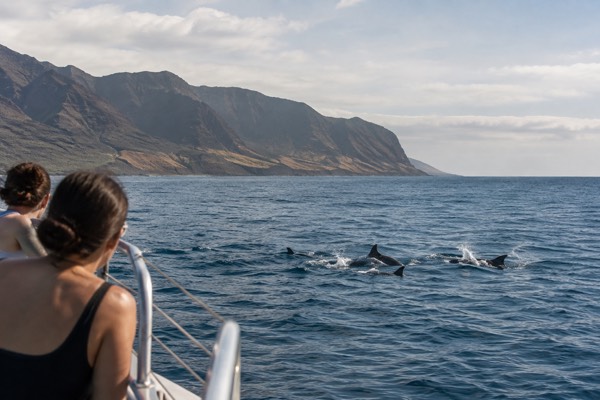
Kapolei Oahu: What The West Side's Second City Is Actually Like
Kapolei is Oʻahu’s planned second city on the leeward side. It is a working city with shops and hotels, rather than a beachfront resort district. Compare the exact hotel, transport and sightseeing routes before choosing it as your base.
Short answer
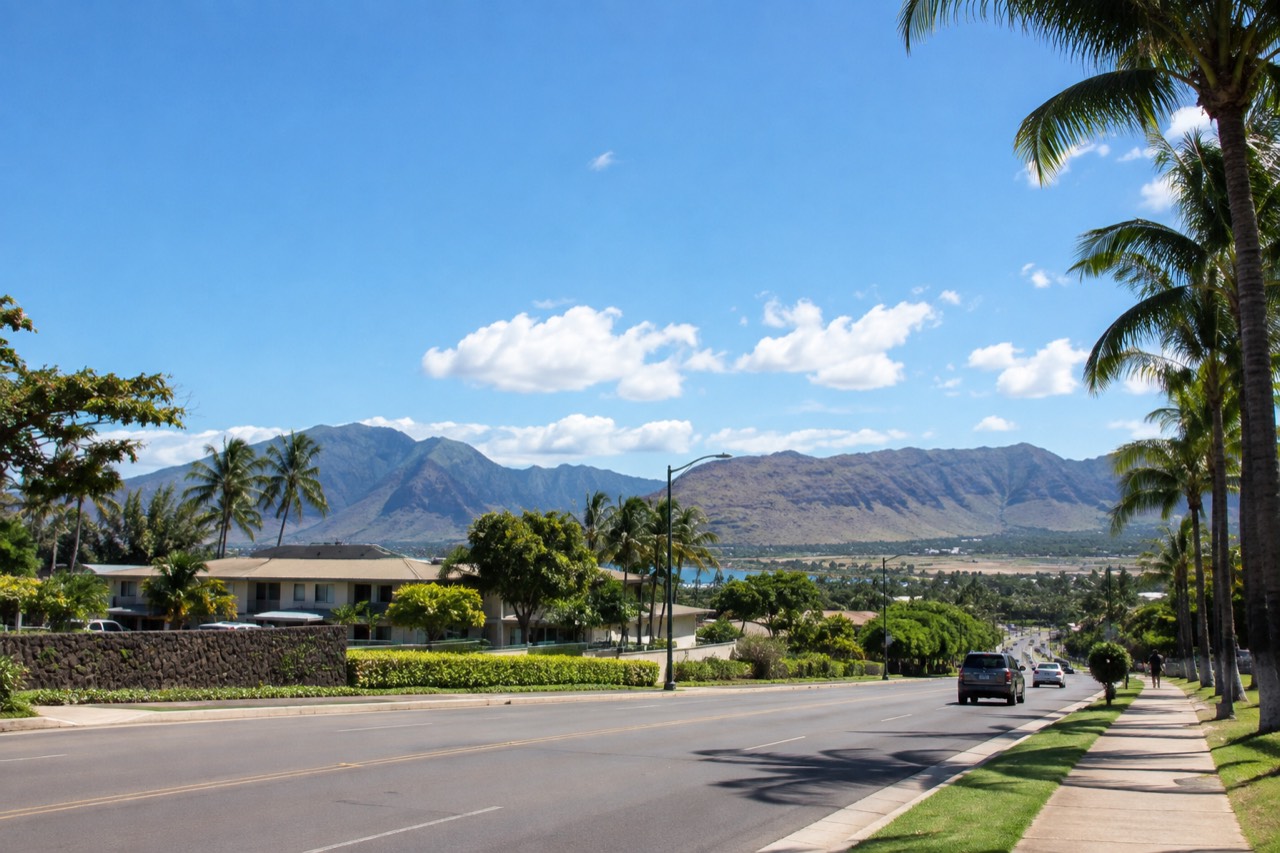
Kapolei can suit a west-side itinerary, but lower overall costs are not guaranteed. Skyline serves East Kapolei; your hotel and outings still need onward connections. A rental car can help with independent coast trips, while free public lagoon access does not require a resort stay.
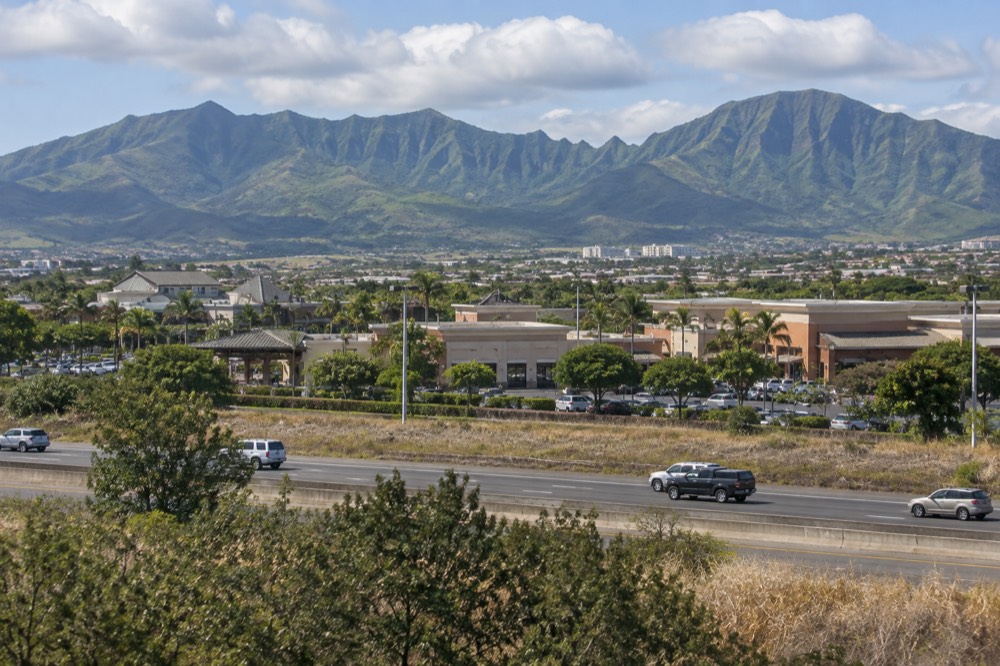
Kapolei sits on the leeward side of Oʻahu, roughly midway between Pearl Harbor and the island's western tip, and it did not exist as a city a generation ago. The land was sugar cane and pineapple fields below the Waiʻanae Range, and the state designated it as Oʻahu's "second city" so that growth could happen somewhere other than already-crowded Honolulu. That origin explains almost everything about the place: the wide roads, the big-box retail, the office parks, the chain hotels, and the fact that it feels like a working city rather than a resort.
The trade-off is straightforward. Compare the complete cost rather than assuming every room, meal or parking space is cheaper than Waikīkī. Kapolei gives access to west-side outings, but travel time depends on the actual destination. Skyline serves East Kapolei, although the station is not every hotel’s doorstep. For independent beach and coast trips, a rental car may be useful; compare it with the bus connections and journeys you will actually make. This guide covers what Kapolei is like as a base, what a day there actually looks like, and who should book it, and who should not.
Where Is Kapolei On Oʻahu, And Why Does It Exist?
Kapolei is a planned city on Oʻahu's leeward, southwest-facing coast, developed on former plantation land below the Waiʻanae Range. The state designated it Oʻahu's "second city" to shift jobs and housing away from Honolulu, and today it holds state and county offices, a university campus, a shopping mall and most of the island's west-side commerce.
It is the closest thing Oʻahu has to a mainland-style suburb, and locals treat it as the west side's downtown.
The name comes from a volcanic cone, Puʻuokapolei, which sits near the modern city centre. In Hawaiian tradition the setting sun appears to return to, or descend into, the region around this cone, and the name carries that association with the west and with the sun's resting place. That is the extent of what we will claim about the name's history: the deeper traditional associations are not ours to embellish.
What matters practically is geography. Kapolei is the hinge of the leeward coast. Ko Olina lies west of central Kapolei, while ʻEwa Beach lies toward the southeast. The Waiʻanae coast and Mākaha are farther northwest along the coast. Eastward routes lead toward Pearl Harbor and Honolulu. H-1 and Farrington Highway connect these areas, but there is no continuous coastal drive around Kaʻena Point. If your trip is built around the west side, Kapolei is the natural base.
Is Kapolei A Good Home Base For An Oʻahu Trip?
Kapolei can suit a trip centered on west-side activities, shopping and time around Ko Olina. A car makes independent outings easier, but Skyline does serve East Kapolei. Compare the station-to-hotel connection and your daily destinations before deciding whether this base works without driving. A Honolulu-heavy itinerary may favor a different neighborhood.
The practical comparison is between your actual destinations and complete journeys. Kapolei is west of Honolulu, with Ko Olina and the Waiʻanae coast accessible by road. Pearl Harbor, the North Shore and windward destinations each require their own route and traffic check. If your list is Lanikai, Kailua, Hanauma Bay and the North Shore, compare other bases before committing; a west-side location does not automatically shorten those outings.
Cost is the other half of the argument. Compare live quotes for the same dates, room needs and party, then add transport, food and parking. Hampton Inn & Suites Oahu/Kapolei is at Ka Makana Aliʻi shopping center and lists complimentary breakfast and guest self-parking. Those are specific property features, not evidence that every Kapolei hotel is cheaper or includes parking. It is not a beachfront resort and does not provide an airport shuttle.
For a fuller comparison of staying west versus staying in Waikīkī or up north, read our guide to where to stay on Oʻahu, and for the money page on the island's highlights, see Things to Do in Oahu.
What Can You Actually Do In And Around Kapolei In A Day?
A Kapolei day can combine the city’s shops and food with a separately planned activity or lagoon visit. Ko Olina lies west of town; the Waiʻanae coast is a different outing farther northwest. Choose the route, conditions and activity hours first, rather than treating every west-side stop as one easy loop.
Inside the city and surrounding area are parks, shopping, restaurants and Wet’n’Wild Hawaii. Check the waterpark’s operating calendar, current ride closures and height or weight requirements for your group; admission does not guarantee every ride will be open. Food, parking and some activities can cost extra. The nearby Coral Crater Adventure Park offers a different outing: a guided zipline course with its own eligibility and check-in requirements.
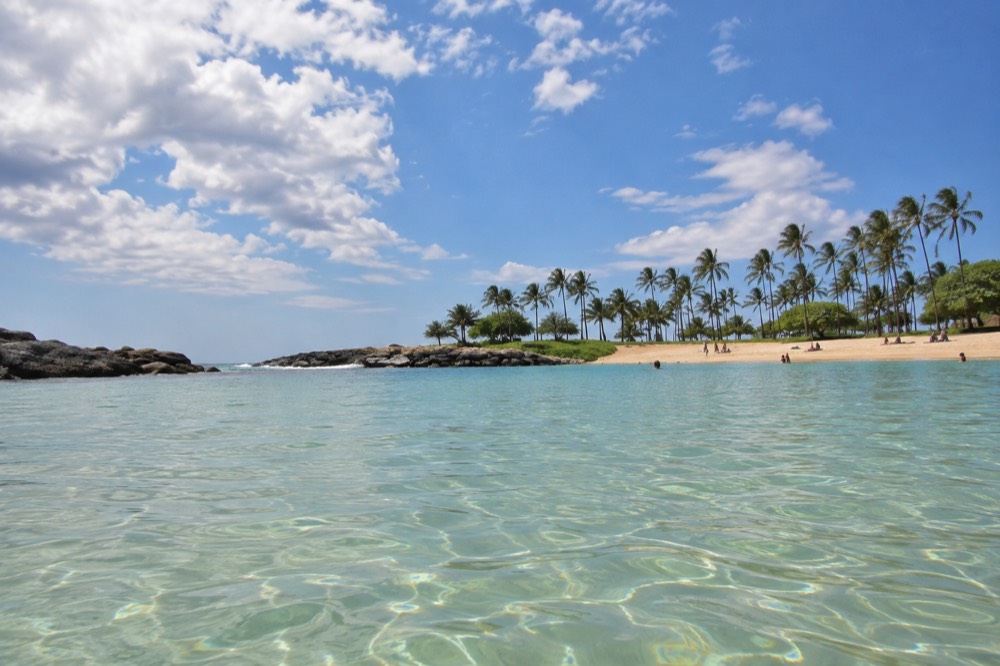
West of central Kapolei is Ko Olina, with four sheltered lagoons and public pedestrian access. Designated public lagoon parking is first come, first served from sunrise to sunset. Public access does not include resort pools or guest facilities. The lagoons have no lifeguards, and shelter does not guarantee safe water; check conditions and supervise children closely.
Farther northwest, Nānākuli, Waiʻanae and Mākaha lead toward the Keawaʻula side of Kaʻena Point. ʻEwa Beach is a separate area southeast of Kapolei, not the next stop along that coast road. Storm access notices can change: the September 14 DLNR update reopened the Mokuleʻia vehicle road on the opposite side, while Keawaʻula remained partly open and its coastal trail closed. Check the current notice for the exact approach, and see our Kaʻena Point State Park guide for details.
Here is how the layers stack up:
| Layer | What it is | Who it suits | Watch out for |
|---|---|---|---|
| Kapolei city itself | Shopping, food, parks and separately ticketed activities | A practical city day | Check hours, activity conditions and complete prices |
| Ko Olina lagoons | Four sheltered lagoons and resort surroundings | A beach visit when conditions suit your group | No lifeguards; limited public parking and separate resort amenities |
| ʻEwa Beach or the Waiʻanae coast | Different routes from Kapolei | Visitors choosing a specific beach | Check surf, currents and access; these are not one continuous sequence |
| Kaʻena Point area | Separate west and north approaches | An outing only where access is open | Check the exact approach; no through-road, and closures differ by section |
Is Kapolei Cheaper Than Waikīkī?
Kapolei is not automatically cheaper than Waikīkī. Compare equivalent rooms and dates, then add the cost of reaching your planned sights. Included breakfast or parking can matter, but these are property-specific features. A lower room quote may be outweighed by a rental, fuel, parking or repeated rides across the island.
The state accommodation tax is 11% from 1 January 2026, and Honolulu’s separate accommodation tax is 3%. General excise tax and applicable fees also affect the bill. Compare the final itemized accommodation total, not the state rate alone. This is not a separate tax payment collected at airport arrival. The rest of the planning pages sit on Oahu Travel Guide.
For day-to-day costs, price the hotel’s actual parking policy, meals and travel instead of assuming free parking or cheaper fuel everywhere. If breakfast or parking is included in your selected rate, do not add it again in the comparison. For the broader cost picture across the island, see our Oʻahu vacation cost breakdown.
What Is The Weather Like In Kapolei Versus The Rest Of Oʻahu?
Kapolei is on Oʻahu’s generally drier leeward side, but a regional climate pattern is not a forecast for your stay. Check the weather for your actual dates and destination. A sunny city day does not establish safe conditions at a west-facing beach.
Rainfall varies sharply across Oʻahu. Conditions in a mountain valley can differ from the leeward plain, but airport or arboretum rainfall statistics are not a hotel-specific weather promise. Choose your base for the itinerary as well as the climate, and leave room to change outdoor plans.
Ocean conditions need a separate check from rainfall. Seasonal surf patterns are useful background, but swell, currents and local hazards can affect any visit. Check current beach conditions and posted warnings rather than relying on a forecast quoted from an earlier day.
| Planning question | What to check |
|---|---|
| Outdoor day in Kapolei | Local weather for the date |
| Lagoon or ocean swimming | Surf, currents, warnings and your group’s ability |
| Mountain or windward outing | Conditions at that destination, not just your hotel |
Do You Need A Car To Stay In Kapolei?
A car can help if you want independent beach-hopping or several west-side outings, but it is not mandatory for every Kapolei stay. Skyline’s western terminus is Kualakaʻi, East Kapolei, and Keoneʻae serves UH West Oʻahu nearby. Compare each station’s bus connection to your hotel and destinations with a complete rental quote.
TheBus and Skyline share the HOLO system. Adult TheBus cash fare is $3.25 without transfers; the adult HOLO fare is $3 for a two-hour transfer window and caps at $7.50 per day. Skyline connects East Kapolei with the airport and Kalihi Transit Center. It does not have a Waikīkī station; that trip needs an onward bus. A station serving East Kapolei is not the same as a train to every central Kapolei hotel, lagoon or beach.
If you do stay in Kapolei without a car, plan the complete rail/bus or hired-ride journey, including the last leg and return. Independent coast drives require a vehicle, and a tour only solves transport when its actual pickup point fits. Our guide to whether you need a car on Oʻahu covers the decision in detail, and the Skyline rail guide tracks what the train currently reaches.
Who Should Stay In Kapolei, And Who Should Not?
Kapolei can suit travelers whose chosen hotel, west-side outings and transport plan fit together. It is less convenient for someone who wants to step straight onto a Waikīkī beach or make repeated Honolulu trips. Compare the exact property and total journey costs; neither family suitability nor savings follows from the neighborhood name alone.
Families should check room capacity, beds, pool arrangements and the journeys they intend to make. Ko Olina’s public lagoons are a separate outing with no lifeguards; they are not a promise of safe swimming. A hotel with breakfast or parking included can be useful, but compare those features with the cost and effort of your planned days.
The weaker fits are worth naming plainly. If this is a first trip and you want the postcard Oʻahu, the beach, the sunset catamaran, the nightlife, stay in Waikīkī and visit the west side on a day trip. If you hate driving, the same applies. And if your heart is set on Kailua, Lanikai and the windward hikes, basing in Kapolei is choosing the far corner of the island from all of it.
One honest note on the west side generally: communities from ʻEwa to Waiʻanae are home to many Native Hawaiian families and carry real pressures, from housing costs to beach access disputes, that visitors do not see from a lagoon. Treat the coast as a place people live, park legally, and skip any framing of "hidden" or "secret" spots. The leeward side gets less coverage precisely because it is less built for you, and that is part of its value.
Common Questions About Kapolei, Oʻahu
The main Kapolei questions are whether the hotel and itinerary fit, how you will travel and what the complete trip costs. There is rail service to East Kapolei, public lagoon access nearby by a separate journey, and a range of local activities. The best base depends on the exact routes and room you choose.
Is Kapolei worth visiting on an Oʻahu trip?
Kapolei can work for shopping, food or a booked local activity, and as a base when its location fits your days. Decide by the actual hotel and journeys. A car can help with coast outings, while rail and onward buses serve some city trips.
How far is Kapolei from Waikīkī?
Kapolei is on the far southwest side of the island from Waikīkī, connected by the H-1 and its continuation as Farrington Highway. This site does not publish driving times it has not verified, so check a live map before planning, but the drive is long enough that it should shape your whole itinerary, not be treated as a quick hop.
Is Kapolei a safe area for tourists?
Kapolei is a planned city with office parks, family housing and resort-adjacent development, and the standard precautions for any urban area apply. The west side as a whole is a working-coast community, not a resort strip. Our general safety coverage is in the guide on whether Oʻahu is safe.
Are the Ko Olina lagoons free to visit?
Public pedestrian access is permitted, with designated public parking first come, first served from sunrise to sunset. Hotel pools and services are separate. There are no lifeguards; check conditions and follow access rules.
Can you get to Kapolei by public transport?
Yes. Skyline serves Kualakaʻi, East Kapolei, and Keoneʻae, UH West Oʻahu, with onward bus connections. Plan the station-to-hotel leg and return service. Adult HOLO fare is $3 for two hours of transfers with a $7.50 daily cap; TheBus cash fare is $3.25 without transfers.
What is the best time of year to stay in Kapolei?
The leeward side is generally drier, but no month guarantees sunshine or suitable swimming. Compare your travel dates, room prices and activity schedule, then check current weather and beach conditions throughout the stay.
Kapolei works best when the exact hotel and journeys suit your plans. Compare the complete stay and transport cost with other bases, and choose it for the days you intend to spend on the west side.
Choose A Kapolei Base Or Local Outing
Compare a city hotel first, or switch to a lagoon resort, Waikīkī base, rental car or local activity. Each choice is a separate purchase.
Hampton Inn & Suites Oahu/Kapolei
Confirm rooms, party and complete stay total, including how you will reach your planned outings.
At Ka Makana Aliʻi shopping center, with complimentary breakfast and guest self-parking. This is not a beachfront resort and has no airport shuttle. Choose the actual room, beds, all guests and full stay total; cancellation and payment depend on your rate.
Compare Complete Stay Costs
Enter USD estimates for the same party and number of nights. Add only unbundled food, transport and parking to the Kapolei accommodation total including taxes and mandatory fees. Enter a complete alternative stay total. These are your estimates, not live quotes.
Enter dates and all guests on the provider website. This is a booking link, not an on-page availability search.