What Is The Prettiest Beach On Oahu?
The honest answer to Oahu's most-asked beach question, with what each famous stretch of sand actually involves: access, timing, cost and whether it lives up to the photos.
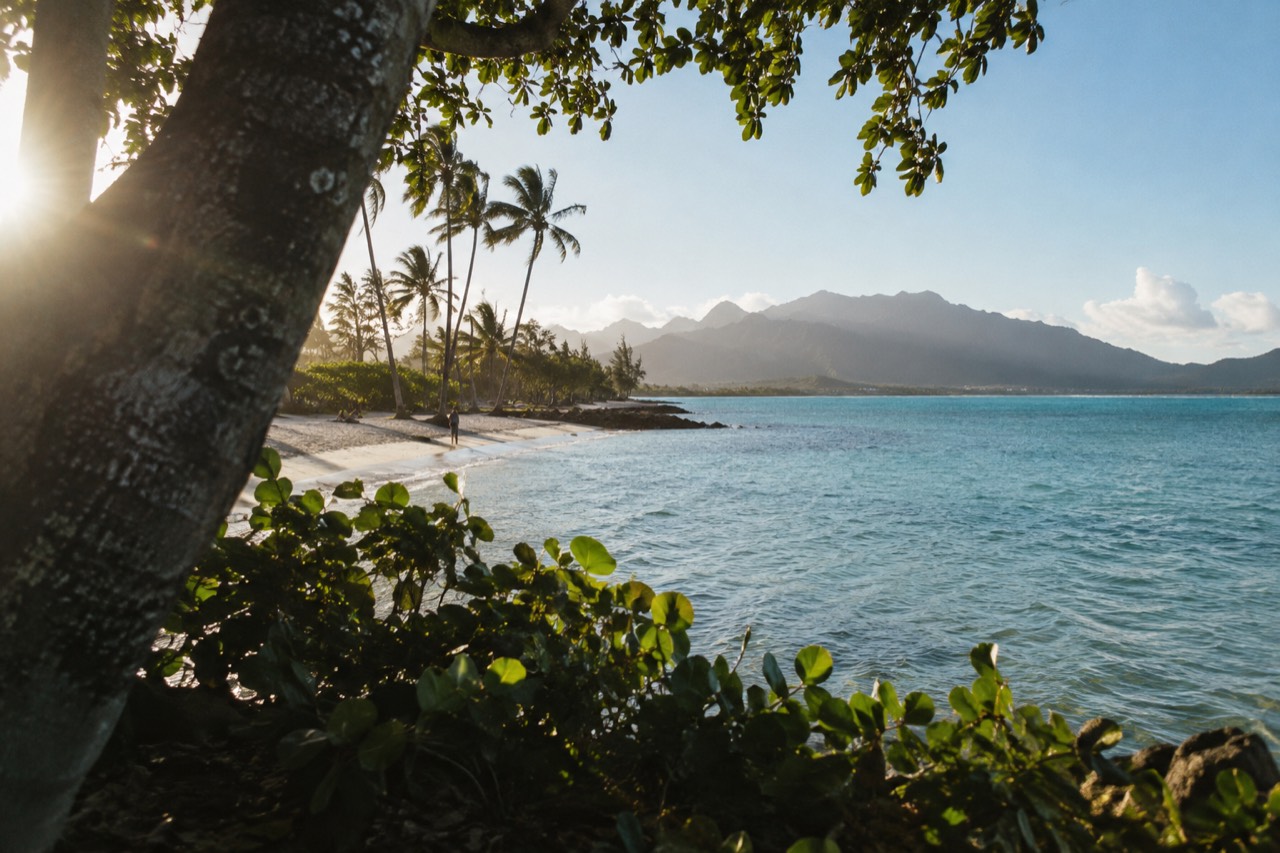
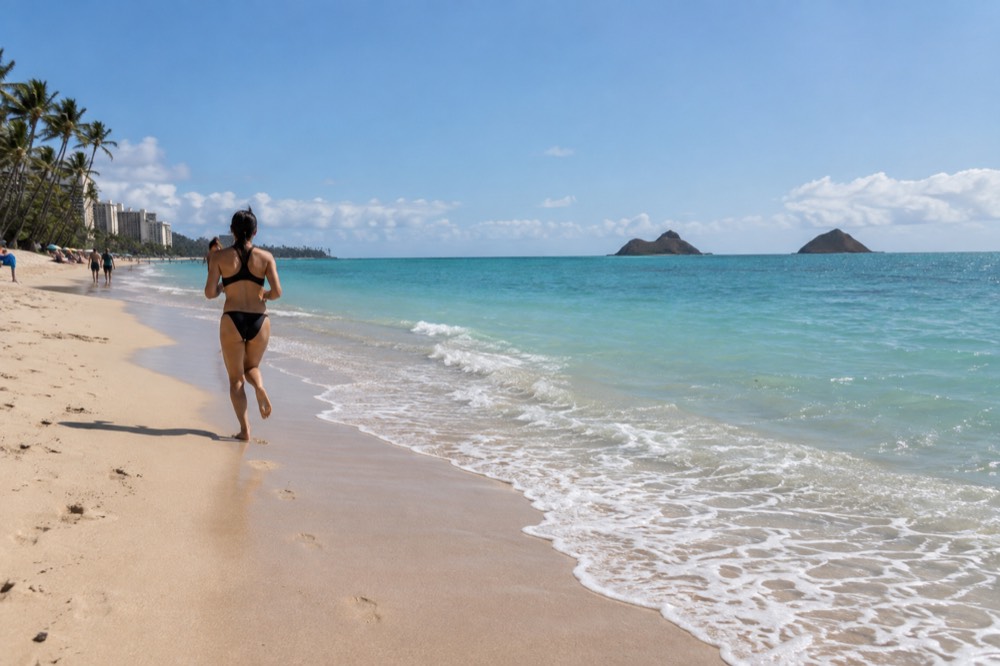
Lanikai Beach, the narrow strip of fine sand below the neighbourhood the Hawaiian language calls Kaʻōhao on Oahu's windward coast, is the answer most often given to this question, and the famous photographs are not lying. The water really is that shade of blue, and the Mokulua islands really do sit on the horizon like that. What the photographs do not show is the parking situation, the wind, or the fact that the beach itself is small and getting smaller. This page is the honest version of the answer: which beach wins on looks, what a visit actually involves, and when the runner-up is the better choice.
The short version, for anyone deciding right now: Lanikai is the prettiest, Waimanalo is the most dependable, Kailua is the easiest, and Hanauma Bay is the best underwater, but it is a snorkel site with a reservation system rather than a beach you lounge on. All four are on the windward and south sides of the island, which is also where the rain lives, so the weather forecast matters more than most visitors expect.
What Is The Prettiest Beach On Oahu?
Lanikai Beach, below Kaʻōhao on the windward coast, is the beach most often named the prettiest on Oahu, and the reputation is earned: fine pale sand, calm turquoise water and a direct view of the Mokulua islands. The catch is access. There is no public parking lot, the beach sits inside a residential neighbourhood, and the city directs visitors to park at Kailua Beach Park and walk or bike in.
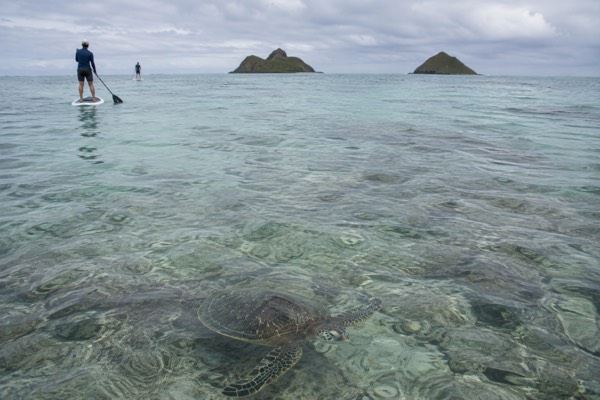
The view is the thing. Lanikai looks east across a shallow reef flat toward the two Mokulua islands, seabird sanctuaries a short kayak paddle offshore, and in the morning the light comes straight over them. The water inside the reef stays calm most of the year, which is why the photographs look the way they do. It is a swimmable, floatable, photographable beach rather than a surf beach, and the sand is genuinely fine and pale by Oahu standards.
The honest counterweight is that this is a residential street with a beach at the end of it, not a beach park. There are no restrooms, no showers, no lifeguards and no designated stalls. The city has run a parking management plan for this neighbourhood precisely because visitor pressure became a daily problem for the people who live there, and the respectful move is to treat the regulations as the boundary they are. Park at Kailua Beach Park, which has facilities, and walk or bike the last stretch. The people who live on those streets are hosts to a remarkable amount of the island's beauty, and the parking rules are how that arrangement stays workable.
It is also worth saying plainly: the sand here moves. Lanikai is a narrow beach that erodes and rebuilds with the seasons, and on some visits there is less of it than the photos suggest. That is not a complaint, it is a coastline doing what coastlines do, but it means the beach you see in December may be narrower than the one in the brochures. Bring less gear than you think you need, and the smaller beach will not feel like a smaller day.
For readers whose idea of a beach day is more water than sand, the prettiest stretch of ocean on the island is arguably not at Lanikai at all but offshore, and a guided snorkel gets you there without any of the parking arithmetic. The trio below covers the water-first options.
Is Lanikai Actually Worth The Trip From Waikīkī?
For most visitors, yes, once, in the morning, on a day with a windward-sun forecast and no other commitments. The beach is beautiful enough to justify the drive and the parking hassle, and the Mokulua view is unlike anything on the south shore. It is not worth it on a grey day, and it is not worth it in the middle of the afternoon when the parking situation is worst.
The practical case for going is simple: the combination of calm water, pale sand and an island view does not exist anywhere else on Oahu that you can reach this easily. Waikīkī is a city beach, the North Shore is dramatic rather than pretty in the turquoise sense, and the leeward coast is hot and brown. Lanikai is the one that looks like the Hawaii of the imagination, and no amount of familiarity on the part of locals changes what it does to a first-time visitor at 7 a.m.
The practical case against is everything around the sand. You are driving to a residential neighbourhood that was not built for this, on a windward coast that gets a lot of rain, to a beach with no facilities. If the forecast is for clouds over Kāneʻohe, the drive buys you a grey version of a blue photo. The rainfall data explains why this matters more here than anywhere else on the island: the official climate normals put Honolulu's airport at about 16 inches of rain a year, while the Lyon Arboretum station in Mānoa, a valley a handful of miles from Waikīkī, records over 150 inches. The windward valleys live in a different weather system, and the same applies in miniature to the coast. A sunny morning in Waikīkī is not a promise about Kailua.
The compromise that works for most people is to make a windward morning of it rather than a Lanikai-only mission. Kailua Beach Park next door has the parking, the facilities and a wide, pretty beach of its own, and the Kailua guide covers the whole area properly. Park there, walk to Lanikai early, and be back in Kailua for lunch. That single change converts the day from stressful to easy, and it puts a second very good beach in your back pocket in case Lanikai's sand is in one of its narrow moods.
If the windward logistics sound like more effort than a beach day should involve, the south shore delivers calm, pretty water without the drive, and the water is where the south shore's best version of a beach day happens anyway.
What Are The Runner-Up Beaches, And When Are They Better?
Waimanalo Beach is the dependable prettiest-beach alternative: a long, wide, undeveloped stretch of pale sand backed by ironwood trees, with views north to the Mokulua islands and none of Lanikai's parking pressure. Kailua Beach is the family pick, with a real beach park, lifeguards and easier water. Hanauma Bay is the best underwater experience on the island but requires a reservation, closes Mondays and Tuesdays, and is a snorkel site first and a beach second.
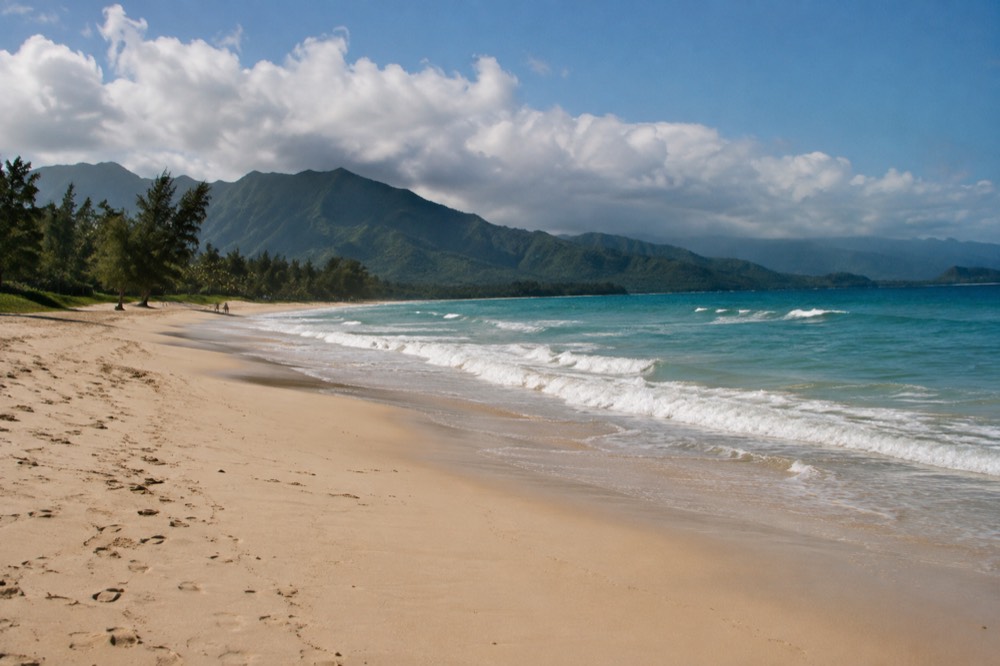
Waimanalo is what people picture when they hear "underrated". The beach runs for about a mile and a half with no hotels and no buildings between the sand and the mountain, the sand is soft and pale, and the water is the same windward blue as Lanikai without the crowd density. It has a beach park with parking and facilities, which Lanikai does not. The trade is that the water is less reliably swimmable, there can be debris after high surf, and the setting is open and hot rather than intimate. The Waimanalo Beach guide has the detail.
Kailua is the answer for anyone travelling with kids or gear. The beach park sits at the north end of Kailua Bay, the water inside the bay is calm, and the kayak operations that run trips to the Mokulua islands launch from here. It is prettier than almost any beach on the mainland and merely second or third prettiest on this island, which tells you something about Oahu. It is also the beach where the windward day is most forgiving: if the clouds roll in, there is a town with coffee and food five minutes away, which is not true of anywhere prettier. The wider set of guides lives on Oahu Travel Guide.
Hanauma Bay belongs in a different sentence. It is a flooded volcanic crater with the best reef snorkeling on the island, and it is genuinely beautiful from the overlook. But it is a nature preserve with a mandated orientation video, an entry fee for non-residents, a reservation system that opens two days ahead at 7 a.m. HST, and a closure every Monday and Tuesday. You go there to swim with fish, not to lie on sand. The Hanauma Bay guide covers the whole system.
Here is the honest comparison in one place:
| Beach | The look | Facilities | The catch |
|---|---|---|---|
| Lanikai (Kaʻōhao) | Pale sand, calm turquoise water, Mokulua view | None; residential street access | No public lot, no lifeguards, eroding sand |
| Waimanalo | Long, wide, wild-feeling sand under the Koʻolau | Beach park with parking | Less reliably swimmable, exposed and hot |
| Kailua | Wide bay beach, calm water, easy kayak launch | Full beach park, lifeguards | Prettier neighbours five minutes away |
| Hanauma Bay | Crater bay, reef fish in clear water | Visitor centre, restrooms | Reservation required, closed Mon and Tue, entry fee |
| Waikīkī | Postcard city beach, Diamond Head view | Everything | It is the city's beach, not the island's prettiest |
When Is The Water At Its Best On Oahu?
Harbour readings at Honolulu put the warmest water in August at about 82.7 degrees Fahrenheit on the monthly average, with the coolest months near 78, and the honest caveat is that the measuring station sits in Honolulu Harbor, so open water off Waikīkī runs a little cooler than these figures. In practice the ocean is swimmable on Oahu year-round, and the month matters far less than the daily surf forecast and the shore it faces.
The full monthly picture, from NOAA readings taken at the Honolulu station through the calendar year:
| Month | Mean water temp (°F, Honolulu Harbor) |
|---|---|
| January | 78.2 |
| February | 78.0 |
| March | 78.2 |
| April | 79.3 |
| May | 79.7 |
| June | 80.6 |
| July | 81.3 |
| August | 82.7 |
| September | 82.4 |
| October | 82.5 |
| November | 81.2 |
| December | 80.4 |
Two things matter more than any of those numbers. The first is which shore you are standing on. The National Weather Service surf forecast publishes Oahu by shore aspect, and the coasts run out of phase: north-facing shores carry the big winter surf, south-facing shores peak in summer, and on a September day the bulletin can show the south shore running larger than the north. A beach that is calm in one season is rough in another, and Lanikai's east-facing reef flat is the exception that stays mostly gentle. The second is box jellyfish, which arrive on the leeward and south shores in a monthly cycle roughly eight to ten days after the full moon; the site keeps a separate box jellyfish calendar because it changes which beach is swimmable on a given day more than the temperature ever does.
Timing the day matters too, and Oahu's small seasonal swing in daylight is worth knowing. Sunset at Waikīkī never gets later than about 7:17 p.m. even at the height of summer, and the shortest days run about ten hours and fifty minutes. There are no long northern-latitude summer evenings here, so a beach plan that assumes an after-dinner golden hour will run out of light. Plan the pretty beach for the morning, when the light over the Mokulua islands is at its best anyway, and let the evening take care of itself.
What Does A Beach Day On Oahu Actually Cost?
The sand and the water are free at every beach on this page, and the costs come from access: Hanauma Bay charges non-residents an entry fee with children 12 and under free, parking anywhere near Lanikai is the real price you pay in time and hassle, and the paid activities, a guided snorkel, a surf lesson, a paddleboard session, are what most people end up adding. Hawaii residents enter state sites free with local ID.
Break it down and a beach day is mostly a transport decision. If you are staying in Waikīkī, the prettiest beaches are a drive away, and the drive is the cost, in time and in rental money. The site's car rental guide and the page on whether you need a car on Oahu cover that trade properly; the short version is that a windward beach day is much easier with wheels, and TheBus will get you to Kailua if you plan around it.
Staying in Waikīkī and planning to drive out. Book a hotel in Oahu here.
The activity layer is where budgets actually move. A guided turtle snorkel off Waikīkī, a first surf lesson, or a stand-up paddleboard session each cost roughly what a nice dinner costs, and each one converts a beach from scenery into the part of the trip people remember. None of them require the windward drive. If the beach itself is the destination and the water is the activity, the south shore does the whole day without a car, and the money question stops being about the beach and starts being about what you do in it.
For anyone whose whole trip is beach-and-water, the same three experiences keep coming up as the ones worth paying for, and the price and current availability live on the operator's live listing rather than in any article.
Common Questions About The Prettiest Beaches On Oahu
Most questions about Oahu's prettiest beaches come down to three things: access, weather and timing. Lanikai wins on looks but loses on parking, Waimanalo and Kailua absorb the overflow, the windward coast carries the island's rain so the forecast matters, and the water is warm enough year-round that the month you visit should be chosen for crowds and price rather than temperature. The questions below cover the specific versions visitors actually ask.
What is the prettiest beach on Oahu?
Lanikai Beach, below Kaʻōhao on the windward coast. Fine pale sand, calm turquoise water inside the reef, and the Mokulua islands sitting on the horizon. The honest companion answer is that its runner-up, Waimanalo, gives you most of the same look with a beach park, parking and a fraction of the crowding, and that the "prettiest" title is only worth claiming if you arrive early enough to park legally and walk in.
Is Lanikai Beach hard to visit?
The beach itself is easy once you are on it. Getting there is the hard part: there is no public parking lot, the surrounding streets are residential with active parking restrictions, and the city directs visitors to Kailua Beach Park. Treat it as a morning walk from Kailua rather than a drive-to destination and the difficulty mostly disappears.
Is the windward coast always rainy?
No, but it is rainier than the south shore, and the difference is large. The official climate normals show the leeward side of the island, where the airport sits, at roughly 16 inches of rain a year, while windward valley stations record several times that. In practice this means checking the Kāneʻohe and Kailua forecast specifically, not the Waikīkī one, and having a flexible plan for the morning the clouds sit on the Koʻolau range.
Can you swim at the prettiest beaches in winter?
Yes. The water stays in the high seventies Fahrenheit through the coolest months on harbour readings, and Lanikai's reef flat stays calm when the north and west shores are carrying winter surf. The beach that changes character in winter is on the North Shore, where the famous breaks go from gentle to genuinely dangerous. The windward beaches are the reliable winter swim.
Is Hanauma Bay a prettier beach than Lanikai?
It is a different thing. Hanauma Bay is the best place on the island to be in the water with fish, and the bay is beautiful, but it operates as a nature preserve: reservation required, closed Mondays and Tuesdays, an entry fee for non-residents, and a mandatory orientation before you go down. Lanikai is a beach you lounge on. Choose based on whether your day is about the sand or the reef.
Which beach should a family choose instead of Lanikai?
Kailua Beach Park. It has lifeguards, restrooms, showers, real parking and calm bay water, and the prettiest beach on the island is a walk away if the adults want the photo. Waimanalo is the other strong family pick, with a long sandy beach and space to spread out, though the swimming is less consistently gentle than inside Kailua Bay.
For readers who have settled on the water rather than the sand, these are the same three experiences again, in one place, with live prices on each listing.
Whatever you pick, go early, check the windward forecast rather than the Waikīkī one, and park where the signs say to park: the beach will look exactly like the photographs, and the neighbourhood will still be a neighbourhood after you leave.