Oahu Snorkeling Guide: Best Spots, Costs, Reservations And Safety
Oahu snorkeling runs from the controlled, reservation-only bay everyone photographs to open reef on the North Shore, and the difference between a good day and a wasted one is usually paperwork, not weather.
Short answer
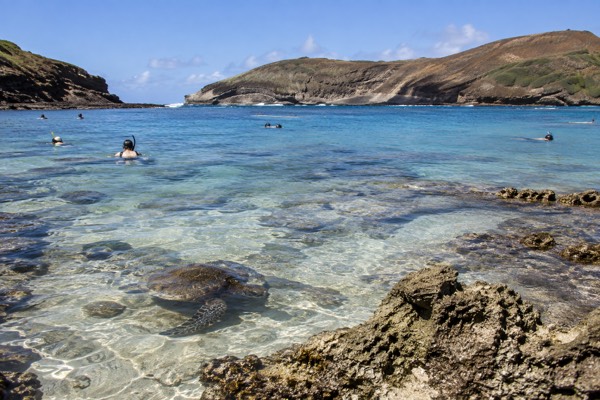
The best snorkeling on Oahu is at Hanauma Bay Nature Preserve on the south shore, Sharks Cove on the North Shore in summer, and the Turtle Canyon reef off Waikiki. Hanauma Bay requires an online reservation for non-residents, costs $25 to enter, and closes Mondays and Tuesdays. North Shore spots are summer-only for most swimmers because winter surf makes them dangerous.
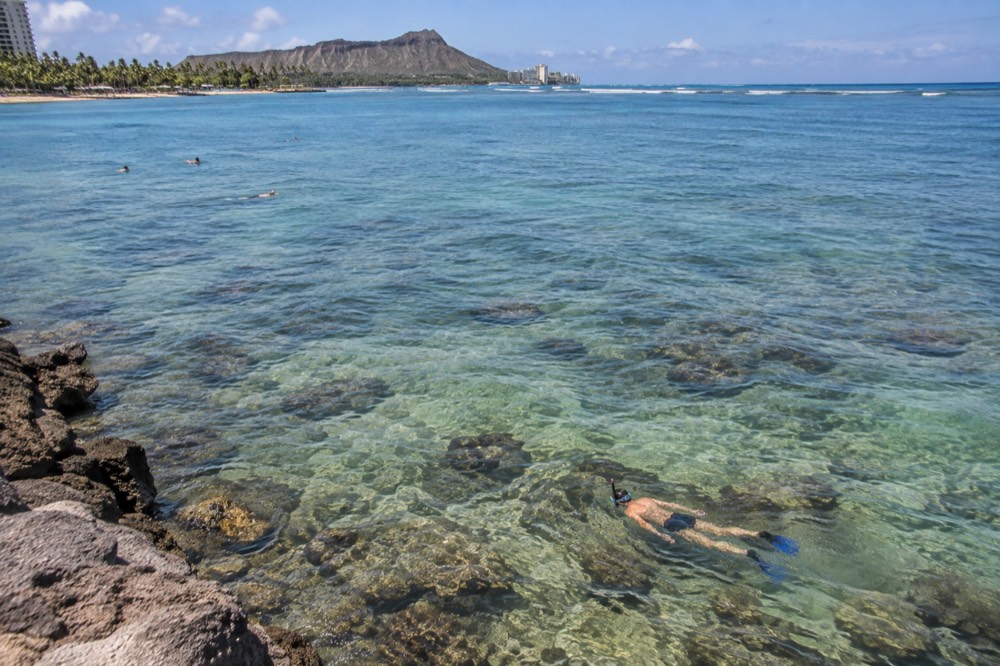
Snorkeling is the activity most Oahu visitors do exactly once, and the difference between the people who love it and the people who never do it again usually comes down to two things: whether they picked a spot suited to the season, and whether they handled the reservation rules. Oahu is not one coastline. The south shore and the North Shore run on different surf calendars, and a bay that is glass-flat in July can be genuinely hazardous in January.
This guide from Oahu Travel Guide covers the whole decision: which spots suit which swimmers, what entry actually costs, which reservations are mandatory, what the water temperature really is month by month, and how the wildlife rules work. Every fee and closure below comes from the official operator or agency pages, checked in September 2026.
Where Are The Best Snorkeling Spots On Oahu?
The three best snorkeling areas on Oahu are Hanauma Bay Nature Preserve on the southeast coast, Sharks Cove and Three Tables on the North Shore, and the Turtle Canyon reef reachable by boat from Waikiki. Hanauma Bay is the island's flagship site, a flooded volcanic crater with the most consistent reef fish, while the North Shore is summer-only for swimming. Turtle Canyon is the one place with a formal turtle sighting guarantee.
Hanauma Bay deserves its reputation, but it is also the most administratively demanding spot on the island. It is a Nature Preserve, not a beach, and the state manages it that way: everyone watches a safety and orientation video before going down to the sand, and the numbers are capped. The payoff is water clarity and fish density that the open coastline rarely matches. Our full page on Hanauma Bay Nature Preserve covers the reservation mechanics in detail.
The North Shore is the opposite trade. Sharks Cove, in Pupukea, is a shallow lava-rock basin that holds remarkable fish in calm conditions, and it costs nothing to enter. The catch is the calendar: from roughly October through March, the same cove sits in the path of the big winter surf, and entering the water is dangerous and often simply not attempted. Between late May and September it is one of the best free snorkels in Hawaii. See Sharks Cove for the full picture.
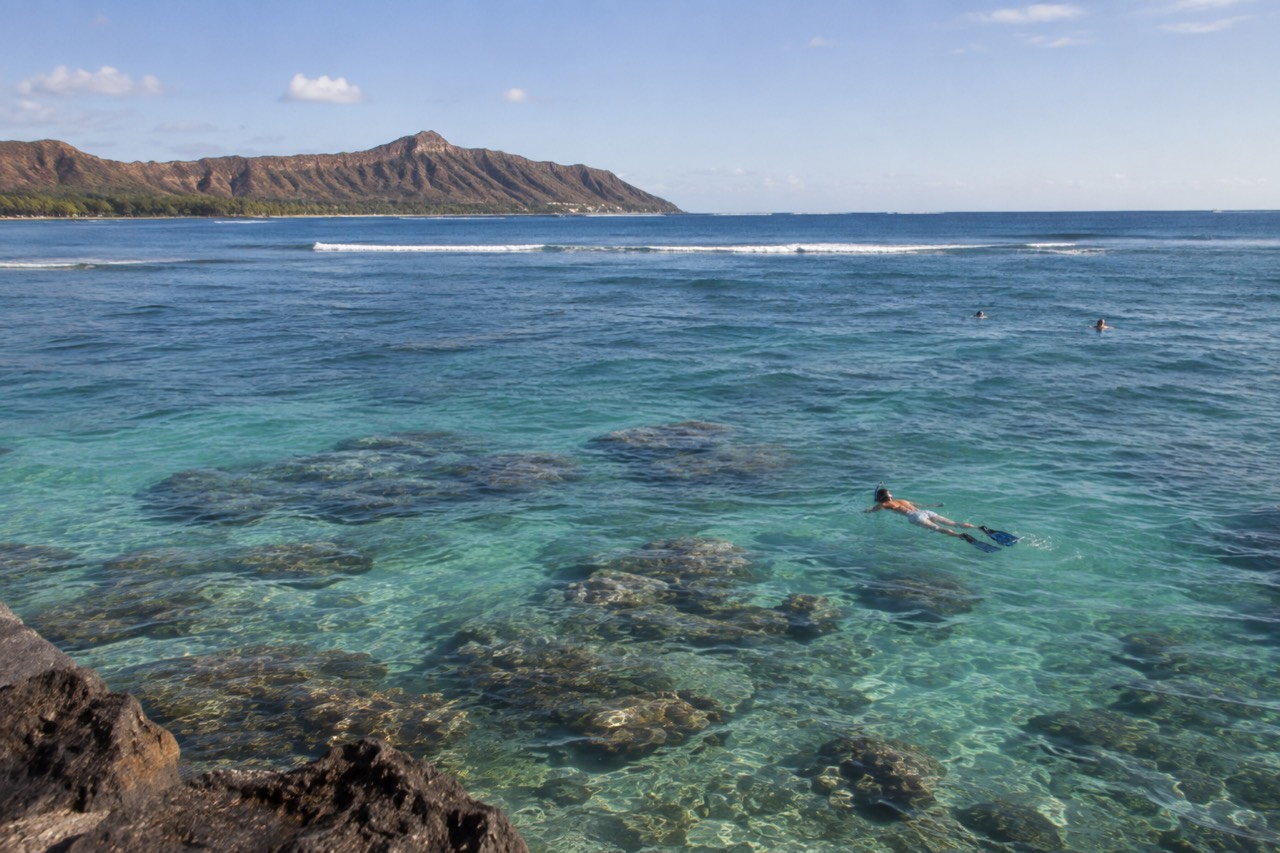
Turtle Canyon, offshore of Waikiki, is the third pillar. It is a reef cleaning station where green sea turtles, called honu, come to have fish pick algae off their shells. You cannot walk to it; it is a boat trip, typically about two hours out of Waikiki, and the operators who run it provide mask, fins and instruction. The reef itself is ordinary; the turtles are the point.
Want to swim with the honu at their cleaning station? Book a guided turtle snorkel tour here.
| Spot | Shore | Swim level | Season | Access | What you see |
|---|---|---|---|---|---|
| Hanauma Bay | Southeast | Beginner to confident | Year-round | Reservation required, entry fee | Reef fish, coral, occasional turtles |
| Sharks Cove | North Shore | Confident, summer only | Roughly May to September | Free, no reservation | Reef fish, lava tidepools |
| Three Tables | North Shore | Confident, summer only | Roughly May to September | Free | Reef fish, table corals |
| Turtle Canyon | South, by boat | Beginner, guided | Year-round | Boat tour from Waikiki | Green sea turtles, reef fish |
| Lanikai and Kailua | Windward | Beginner in calm weather | Year-round, weather dependent | Public beach, no lot at Lanikai | Fish near the Mokulua islets |
A note on Lanikai: the beach is beautiful and the water is often clear, but there is no public parking lot, and the residential streets are restricted and towed. The practical base is the Kailua Beach Park lot, and the Kailua guide covers that logistics.
If you want a guided option that bundles transport, gear and instruction, these are the strongest fits:
How Much Does Snorkeling On Oahu Cost?
Snorkeling on Oahu can cost nothing at all or around $25 per person depending on the spot. Hanauma Bay charges $25 per non-resident aged 13 and up plus a 2.35% online service fee, with children 12 and under free, and parking is $3 for non-residents in cash. Sharks Cove, Three Tables and the windward beaches charge no entry fee at all. Hawaii residents enter Hanauma Bay free with a Hawaii ID and pay $1 to park.
The asymmetry surprises people. The best free snorkeling on the island, Sharks Cove, costs literally nothing, while the most famous one, Hanauma Bay, has a fee structure closer to an attraction. The $25 is an entry fee to a nature preserve, and it funds the reef's management; it is not a beach parking charge you can dodge by walking in.
Gear is the other line item. A mask, snorkel and fin set rents for modest sums from stands around Waikiki and Kailua, and quality varies more than price does. A mask that leaks ruins a $25 bay entry as thoroughly as it ruins a free cove, so test it in the shop: press it to your face without the strap and inhale gently. If it does not hold itself on, it leaks.
| Cost item | Non-resident | Resident / kamaʻāina |
|---|---|---|
| Hanauma Bay entry | $25 + 2.35% online service fee | Free with Hawaii ID, no reservation |
| Hanauma Bay children 12 and under | Free | Free |
| Hanauma Bay parking | $3, cash only | $1, cash only |
| Sharks Cove, Three Tables | Free | Free |
| Lanikai, Kailua, Waimanalo beaches | Free | Free |
| Mask, snorkel and fins rental | Varies by shop, check the counter | Same |
Guided tours sit on top of this, and they solve a different problem than the entry fee: transport, gear and someone who knows where the animals are that day. The Turtle Canyon snorkel from Waikiki is the one most first-time visitors book, because the boat leaves from the beach and the operator guarantees turtle sightings on the trip. Details and current pricing are on the operator's live listing.
Do You Need A Reservation To Snorkel Hanauma Bay?
Yes, if you are not a Hawaii resident you need an online reservation covering entry and parking together, and there are no on-site sales. Reservations open exactly two days ahead at 7:00 a.m. HST, so Monday at 7 a.m. opens Wednesday's slots. The bay closes entirely on Mondays and Tuesdays plus Christmas and New Year's Day, and entry runs 6:45 a.m. to 1:30 p.m., everyone out by 4 p.m.
That two-day window is the single most misunderstood rule on the island. Competing content routinely says 48 hours, three days, or a week, and the official City and County page is explicit: two days ahead, at 7 in the morning, Hawaii time. For visitors from the mainland that means setting an alarm, because 7 a.m. HST is 10 a.m. on the West Coast and 1 p.m. on the East. Slots for a popular Wednesday go fast.
Hawaii residents skip the reservation entirely: entry is free with a current Hawaii driver's licence or State ID, and there is a separate parking lane. US military and dependents also enter free with military ID.
If the reservation system defeats you, or the dates do not line up, a tour is the legitimate workaround. Several operators run a Hanauma Bay snorkeling trip with transport from Waikiki, and those packages include the entry arrangement and the drive, which is why they sell the way they do. A tour does not bypass the closure days; nothing does. Plan around Monday and Tuesday.
The other reservation people ask about is none: Sharks Cove, Three Tables, Lanikai and Kailua require no booking, no ticket and no video. The trade is that you carry your own gear and your own judgement, and on the North Shore the judgement part matters, which is the next section.
When Is The Best Time Of Year To Snorkel On Oahu?
The best months for all-around snorkeling on Oahu are May through September, when the North Shore goes calm and every major spot is workable. Water temperature barely matters: monthly means at Honolulu ran from 78.0 °F in February to 82.7 °F in August in 2025, a range most people swim in without a wetsuit. What actually changes by season is surf, not warmth, and surf runs out of phase by shore.
The surf phase point deserves its own paragraph because almost nobody plans around it. North-facing shores, which includes the entire North Shore, peak in winter. South-facing shores, including Waikiki and Hanauma Bay, peak in summer. A National Weather Service surf forecast in September 2026 showed the south shore running larger than the north shore on the same morning, the exact inversion of January. So the honest calendar is: in summer, do the North Shore and the south shore in whatever order you like; in winter, stay south.
| Month | Mean water temp at Honolulu (°F) | Shore to prefer |
|---|---|---|
| January | 78.2 | South only |
| February | 78.0 | South only |
| March | 78.2 | South only |
| April | 79.3 | South, North improving |
| May | 79.7 | Both shores |
| June | 80.6 | Both shores |
| July | 81.3 | Both shores |
| August | 82.7 | Both shores |
| September | 82.4 | Both shores, watch south swell |
| October | 82.5 | South, North turning risky |
| November | 81.2 | South only |
| December | 80.4 | South only |
One caveat on that table: the readings come from the NOAA tide station inside Honolulu Harbor, which runs slightly warm against open ocean off Waikiki. Treat them as a good approximation, not a precise open-water figure. The practical takeaway survives the caveat: the water never gets cold enough to need a wetsuit for snorkeling, and the annual range across the whole of 2025 was 75.7 to 84.0 °F.
Time of day matters more than most guides say. Hanauma Bay's entry window closes at 1:30 p.m. for a reason: afternoon wind chops the surface and cuts visibility, and the fish go deeper. The best water is almost always before 10 a.m., which conveniently is also when the parking and the crowds are manageable.
What Wildlife Will You See, And How Close Can You Get?
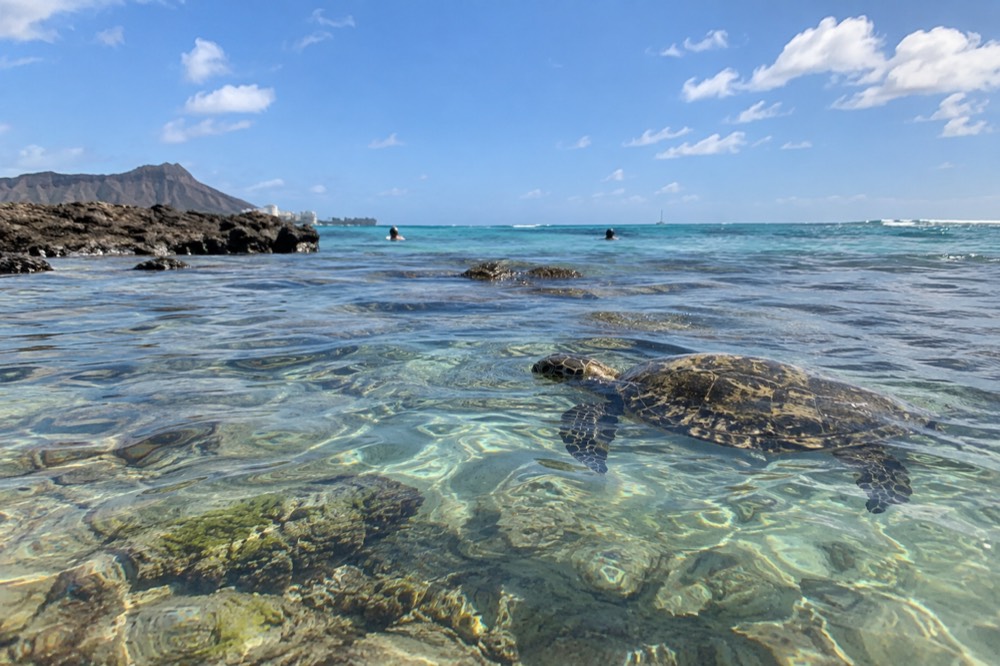
You will most reliably see reef fish everywhere, green sea turtles at Turtle Canyon and along the North Shore, and spinner dolphins occasionally on the west side. The rules differ by animal: for humpback whales, 100 yards is law, and for spinner dolphins, 50 yards with no swimming toward them is law. For green turtles the familiar 10-foot distance is a guideline, but harassing or touching a turtle is itself illegal under state and federal law.
That distinction, law versus guideline, is one most travel content flattens, and it is worth getting right. The whale and dolphin distances come from federal regulation. The turtle and monk seal distances are recommended practice from wildlife agencies, and the legal weight sits behind the prohibition on take and harassment instead. The practical behaviour is identical in every case: look, do not approach, do not touch, and give the animal the exit.
Humpback whales are a seasonal bonus for snorkelers mainly in that you will see them from the boat or the beach rather than in the water. The Hawaiian Islands Humpback Whale National Marine Sanctuary states the season runs November through April, and the sanctuary page does not name a peak, so neither will we. If you are on island in those months, a whale watch is a separate activity; the Oahu whale season guide covers it.
Turtles are the star of most Oahu snorkeling, and the etiquette is simple. A resting turtle on a reef or a beach is not a photo prop; it is an animal that will hold its breath as long as it can to avoid you. If it swims away, you have already been too close. Do not chase, do not block, and do not fly a drone over it, which is separately prohibited in state parks without a written permit.
If snorkeling leaves you wanting to go deeper, a beginner scuba experience requires no certification and runs about ninety minutes with a guide. The most-booked version of that in Honolulu visits similar reef to the snorkel trips, at a depth where the fish are calmer and less spooked by swimmers at the surface.
Is Snorkeling On Oahu Safe?
Snorkeling on Oahu is safe for competent swimmers who respect two rules: match the site to the season, and check the daily conditions before entering. The real hazards are seasonal surf on the North Shore, box jellyfish influxes on the south shore roughly a week after each full moon, and flash flooding in stream-adjacent areas after mountain rain. None of these are hidden; all of them are forecastable, and the state posts the surf forecast by shore every day.
The box jellyfish calendar is the one genuinely local piece of knowledge. Roughly seven to ten days after each full moon, box jellyfish drift toward the south-facing beaches, including Waikiki and Hanauma Bay, and lifeguards post warning signs on the affected days. The influx typically clears within a day or two. If you are flexible on dates, the box jellyfish calendar for Oahu is worth a look before you lock in a snorkeling day.
The flash flood point matters less for bay snorkeling than for the hike-plus-swim itineraries people build. The rainfall contrast on this island is extreme: the official climate normals put Honolulu airport at 16.41 inches of rain a year, while the Lyon Arboretum station in Mānoa, about five miles inland, records 150.96 inches. Every single month at Mānoa is wetter than the airport's wettest month. A sunny morning in Waikiki tells you nothing about the stream in the valley behind the beach, so if your plan involves fresh water, check conditions, not the sky over your hotel.
The everyday safety rules are unglamorous. Never snorkel alone. Enter at a lifeguarded beach when one exists, and Sharks Cove in summer and Kailua both qualify. Wear reef-safe sunscreen; it is required by state law, and it also just works better in the water. If you are not a confident swimmer, a guided trip with flotation is a better first experience than striking out alone, and the ocean safety guide goes deeper on all of this.
For a day that pairs snorkeling with seeing the island, these tours are the ones readers book most:
Common Questions About Snorkeling On Oahu
Most questions about snorkeling on Oahu come down to four things: the Hanauma Bay reservation window, which shore is safe in which month, what gear you actually need, and how close you may get to the animals. The reservation opens two days ahead at 7 a.m. HST and the bay closes Mondays and Tuesdays. The North Shore is a summer-only swim, the water is warm all year, and every wildlife rule boils down to never initiating an approach.
The answers below handle the specifics.
Do you need a reservation to snorkel Hanauma Bay?
Yes, if you are not a Hawaii resident. Reservations open two days ahead at 7:00 a.m. HST, cover entry and parking together, and there are no on-site sales. Hawaii residents enter free with a Hawaii ID and do not need a reservation. The bay is closed Mondays and Tuesdays.
Is Hanauma Bay open every day?
No. Hanauma Bay closes every Monday and Tuesday, plus Christmas Day and New Year's Day. On open days, entry is allowed from 6:45 a.m. to 1:30 p.m. and all visitors must be out by 4 p.m.
Can you snorkel the North Shore in winter?
Not safely as a rule. From roughly October through March the north-facing shore takes the large winter surf, and swimming at Sharks Cove or Three Tables is dangerous. In winter, snorkel on the south shore instead: Hanauma Bay, the Waikiki boat trips, and protected south-facing spots.
Do you need a wetsuit to snorkel on Oahu?
Almost never. Monthly mean water temperatures at Honolulu ranged from 78.0 to 82.7 °F across 2025, and those are harbour readings that run slightly warm. Most people snorkel comfortably without a wetsuit in every month of the year.
Where can you snorkel with turtles on Oahu?
Turtle Canyon, a reef off Waikiki reached by boat, is the reliable spot, and the guided trips there carry a turtle sighting guarantee. Turtles also appear at Sharks Cove, along the North Shore and at Laniakea, though the beach there is for watching from the sand rather than swimming with them. Keep the recommended 10-foot distance and never chase or touch a turtle.
Can you snorkel with dolphins on Oahu?
No, not legally by swimming toward them. Spinner dolphins are protected by a federal rule that prohibits swimming with, approaching or remaining within 50 yards of them. Boat-based dolphin watching on the west side is the compliant way to see them, and the dolphins' presence near the boat on their own terms is their choice, not the operator's.
Pick your shore to match your month, book Hanauma Bay two days out at 7 a.m., and get in the water before the wind does, and Oahu will hand you the best snorkeling of your trip without much further effort.