Sea Life Park Hawaii: What A Visit Actually Involves
Sea Life Park Hawaii sits on a windswept headland between Waimānalo and Hawaiʻi Kai, and it is one of the few Oʻahu attractions that combines a marine park with a genuinely dramatic setting. This guide covers access, timing, cost and the honest question of whether it earns its place in your trip.
Short answer
Sea Life Park is a small marine park on Oʻahu's southeastern coast near Mākapuʻu, reachable by bus from Waikīkī in roughly an hour. Tickets are sold in tiers, with prices on the operator's listing, and most visits last two to three hours. It suits families with young children especially well.
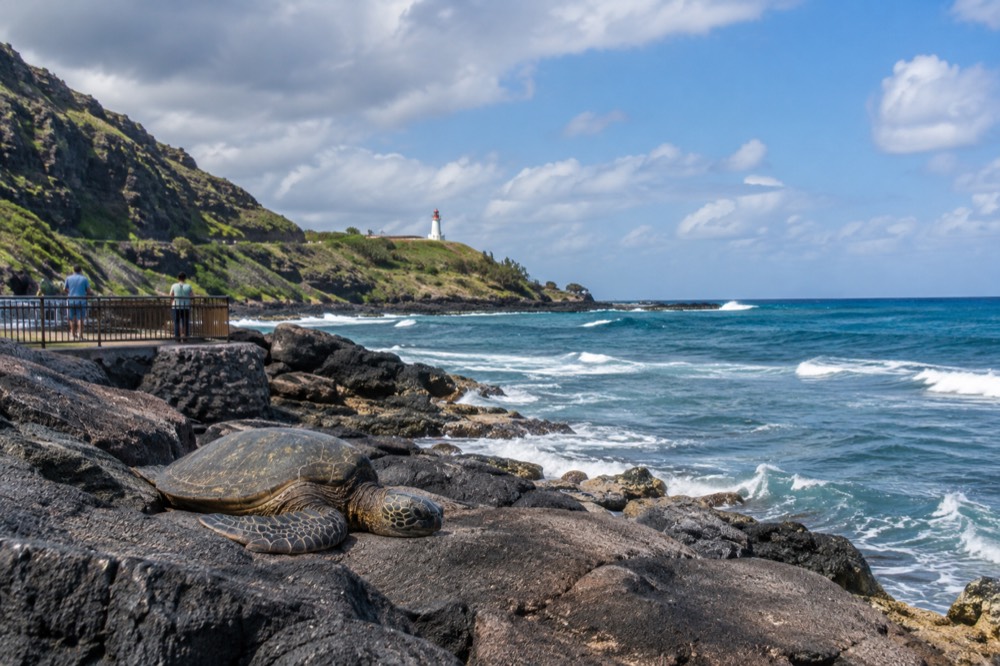
Sea Life Park Hawaii occupies one of the most exposed pieces of coastline on Oʻahu: a headland east of Waimānalo, below the Mākapuʻu lighthouse trail, where the trade winds arrive off open Pacific water. The park is a marine animal facility, not a large theme park, and that distinction drives almost every practical question visitors ask. How long does a visit take? About two to three hours for most families. What does it cost? That depends on the ticket tier, and current prices live on the operator's listing rather than in any guide that stays accurate. Is it worth the drive from Waikīkī? That depends on who is in your group, and this page works through the answer honestly.
The park's identity is built around dolphins, Hawaiian monk seals, sea lions, penguins and reef fish, with shows and feedings scheduled through the day. It sits inside the Hawaiʻi Kai and east coast area, which means a visit pairs naturally with the Mākapuʻu Point Lighthouse Trail and the beaches of Waimānalo. This guide from Oahu Travel Guide covers access without a car, what the ticket tiers involve, the animal experiences and the ethical questions around them, and a plain verdict by traveller type.
What Is Sea Life Park Hawaii?
Sea Life Park Hawaii is a small marine park on Oʻahu's southeastern coast, roughly 24 kilometres from Waikīkī, holding dolphins, sea lions, Hawaiian monk seals, penguins, sharks and reef fish in pools and lagoons on a coastal headland. It runs scheduled shows, feedings and paid animal encounters, and a typical visit runs two to three hours at an unhurried pace. It is not a theme park with rides, and it is not a large aquarium; it is a compact facility whose setting, open to the trade winds and the ocean, is part of the draw.
The park has operated on this headland for decades, and its scale surprises visitors who arrive expecting something the size of a mainland marine park. You can walk the whole grounds in under ten minutes. That smallness cuts both ways: families with toddlers often find the size a relief, because nothing is more than a few minutes' walk from anything else, while adults travelling without children sometimes find the admission price hard to justify against the two hours of content.
The animal collection is where the park's reputation lives. The Hawaiian monk seal habitat matters beyond entertainment, because the monk seal is one of the most endangered marine mammals in the world, and the park participates in rescue and rehabilitation work alongside its display animals. The dolphin and sea lion shows run on a posted daily schedule, and the penguin exhibit is a reliable favourite with younger children.
One framing note before anything else: the wild counterparts of several park animals are protected by law in Hawaiʻi. Humpback whales carry a 100-yard legal approach distance, Hawaiian spinner dolphins carry a 50-yard rule that prohibits swimming with them, and green sea turtles carry a recommended 10-foot distance. A captive facility is a different legal situation, but knowing the wild rules helps you read the park's own messaging about its animals with the right amount of scrutiny.
Where Is Sea Life Park Oahu And How Do You Get There?
Sea Life Park sits on Kalanianaʻole Highway at the eastern end of Oʻahu, between Waimānalo and the Mākapuʻu headland, about a 40-minute drive from Waikīkī in normal traffic. Without a car, TheBus runs along the coastal route and stops at the park entrance; tour shuttles and rideshares also work, and each realistic option takes under an hour from the resort corridor. By public bus you ride TheBus along the coastal route toward Waimānalo or Sea Life Park itself, and the stop sits at the park entrance. There is no rail option worth considering: Skyline stops well short of the east coast, and there is no Waikīkī station anyway, so the realistic choices are bus, rental car, tour shuttle or rideshare, and each takes under an hour from the resort corridor.
The drive itself is one of the better ones on the island. Kalanianaʻole Highway hugs the coast past Hanauma Bay's ridge, Sandy Beach and the Halona Blowhole, and the park's location makes it a natural stop on any east-coast or circle-island day. If you are renting a car, the park has its own parking lot, and parking is included in the standard arrangements; check the operator's listing for the current terms.
Without a car, TheBus is the honest answer. The City and County of Honolulu publishes the fare structure, and it rewards a small amount of planning:
| Fare or pass | Price | What it covers |
|---|---|---|
| Adult cash single ride | $3.25 | One TheBus ride, no transfers, exact fare |
| HOLO card 2-Hour Pass | $3.00 | Two hours of unlimited transfers on TheBus and Skyline |
| 24-Hour Pass | $7.50 | A full day of rides |
| Day cap on a HOLO card | $7.50 | Maximum charged per day, then rides are free |
| 7-Day Pass | $45.00 | 168 hours from first tap |
| Child 5 and under | Free | With a paying rider, not occupying a seat |
The practical read: a HOLO card caps at $7.50 per day, so a round trip to the park plus any other bus riding that day costs no more than that. Load the card at holocard.net before you travel. The coastal run is scenic, but it is a local service with stops along the way, so budget closer to an hour each way from Waikīkī and check the timetable for the route serving the park entrance on the day you travel.
If driving the coast yourself does not appeal, the east side also appears on organised circle-island itineraries, which bundle the headland with the North Shore and the central lookouts in a single booked day.
What Does A Sea Life Park Oahu Ticket Cost?
Sea Life Park sells admission in tiers, and the exact price belongs on the operator's live listing because this park's pricing moves with season and package. A general entry ticket covers the shows, feedings and exhibits, while upgraded packages add animal encounters such as dolphin swims or sea lion experiences. Budget roughly two to three times base admission for an encounter package. Current prices belong on the operator's live listing, because this park's pricing moves with season and package, and any figure printed in a guide goes stale within months. Budget roughly two to three times the base admission for an encounter package, expect the encounter tiers to sell out on busy days, and book those ahead online rather than at the gate, because the park will not hold a slot for a walk-up.
The tier structure is the thing to understand before you buy. General admission gets you the park: the dolphin and sea lion shows on their posted schedule, the monk seal and penguin exhibits, the reef tanks and the seabird areas. The encounter packages add direct contact, and those carry age and height requirements, so families with very young children should read the fine print on the listing before promising a dolphin swim.
One more cost lever worth knowing: the attraction pass market. The Go City Oahu pass sold on the operator's listing bundles a large catalogue of Oʻahu attractions into one multi-day price, and it can beat buying individual tickets if your itinerary is dense. Whether the pass pencils out depends entirely on how many of its attractions you will genuinely visit; count your realistic list first, then compare.
For the pass maths, treat Sea Life Park as one line item among several. A traveller visiting the park plus three or four other paid attractions across a week may come out ahead; a traveller whose itinerary is beaches and hikes will not, and there is no shame in skipping the pass entirely.
A final cost note for the whole east coast: Oʻahu's hotel tax rose on 1 January 2026, when the state Transient Accommodations Tax increased from 10.25% to 11.00%. That affects your accommodation budget, not your park ticket, but it is part of the honest arithmetic of a Hawaiʻi trip in 2026.
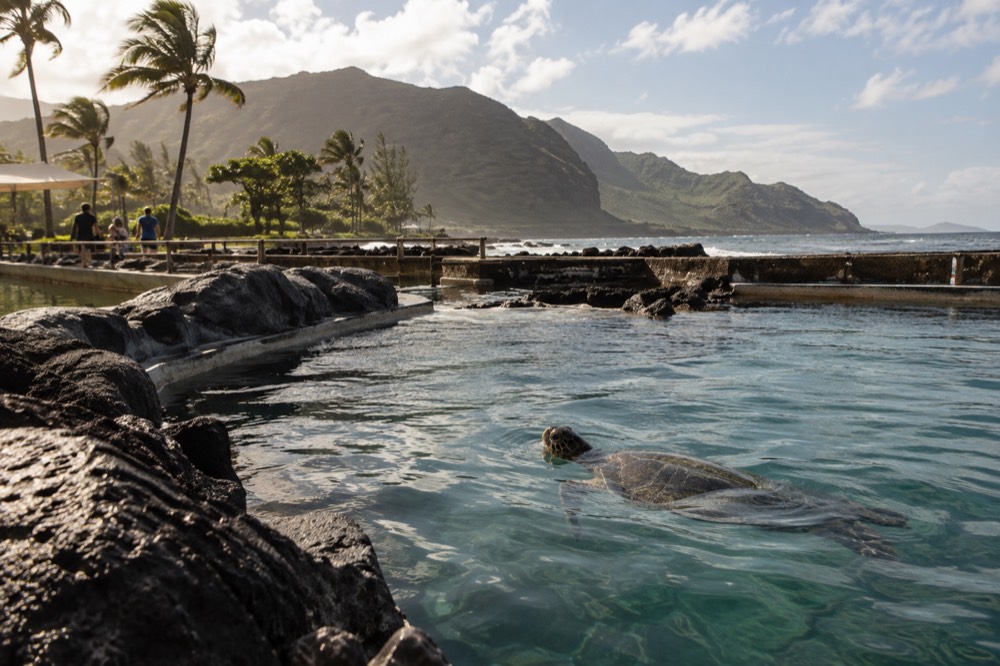
The headland setting is worth a sentence of its own, because it changes what you pack. The exhibits sit in the open, the wind is constant, and the ocean is part of nearly every view inside the fence, so a windbreaker and sun protection matter more here than at any enclosed aquarium on the island.
What Can You Actually See And Do Inside Sea Life Park?
The core of a Sea Life Park visit is the scheduled programming: a dolphin show, a sea lion show, penguin and seabird exhibits, a Hawaiian monk seal habitat, a shark lagoon and a reef aquarium area, all walkable within a few minutes of each other. Shows run at set times, so photograph the daily schedule board when you enter and plan backwards from it. Between shows, the park fills out with feeding sessions and the encounter pools, and most families finish the full loop comfortably in two to three hours without feeling rushed.
The dolphin show is the headline. It runs in an open-air arena with the ocean behind it, and the wind and spray are part of the experience; bring a layer if you are visiting in the morning, because the headland is exposed and the trades blow steadily. The sea lion show is the comedy slot and tends to land best with children.
The Hawaiian monk seal habitat deserves a slower look. The monk seal is endemic to Hawaiʻi and critically endangered, and seeing one at close range, with the park's signage explaining the species' situation, is genuinely educational in a way the shows are not. In the wild you are asked to keep 50 feet from a monk seal, 150 feet if it is a mother with a pup, and those are guidelines backed by law on harassment; a facility habitat is the only place most visitors will ever see one this closely.
The encounter programmes are where opinions divide. A dolphin swim or a sea lion interaction is a memorable, premium-priced experience, and it is also the part of the park that draws ethical debate, because the same species are protected from exactly this kind of contact in the wild. Spinner dolphins in Hawaiian waters have been protected by a federal rule since 2021 that prohibits swimming with them within 50 yards. A visitor can reasonably hold either view: that a well-run captive programme funds rescue work and education, or that close contact with captive marine mammals is not something they want to pay for. The park's own conservation messaging is worth reading on site before you decide.
For planning, here is how the park's main offerings compare:
| Offering | What it involves | Typical audience | Booking approach |
|---|---|---|---|
| General admission | Shows, exhibits, feedings on the daily schedule | Everyone; the baseline visit | Gate or online, flexible |
| Dolphin encounter packages | In-water or poolside contact sessions | Adults, older children; age minimums apply | Book ahead, sells out |
| Sea lion experiences | Interactive sessions with trainers | Families with kids 6 and up | Book ahead |
| Monk seal and seabird viewing | Observation and keeper talks | All ages, no extra ticket | Included in admission |
| Shark lagoon and reef tanks | Walk-up viewing | All ages | Included in admission |
Is Sea Life Park Oahu Worth It?
For families with children roughly between 3 and 12, Sea Life Park is a defensible and often excellent half-day: the scale is manageable, the shows are pitched at kids, and the setting on the Mākapuʻu headland is genuinely beautiful. For adults travelling without children, the verdict is thinner, because two to three hours of shows and exhibits competes badly against the free coastline on the park's doorstep. The honest rule: come for the animals and the kids, or skip it and hike the lighthouse trail next door.
That comparison is not rhetorical. The Mākapuʻu Point Lighthouse Trail begins minutes from the park entrance, is paved the whole way, and delivers one of the best coastal views on Oʻahu for the cost of nothing but your legs. Waimānalo Beach, one of the island's longest and calmest stretches, sits just back down the highway. If your travelling party would rather be in the water than watching animals in it, the east coast outside the park's fence is a strong alternative.
The park earns its clearest recommendation in three situations. First, bad-weather days: the east coast's rain and wind close some beach plans, and the park's shows run regardless. Second, itineraries with young children who need a scheduled, contained activity between beach blocks. Third, visitors with a specific interest in the monk seal programme or a booked encounter they have wanted for years.
For a sense of the crowd pressure on the east coast generally: Oʻahu received 5,679,047 visitors by air in 2025, preliminary state figures show, down roughly 2% on 2024, and the great majority of those visitors stay in the Waikīkī corridor. The east coast parks absorb a real share of that traffic, which is why the park's own parking and the trailhead lots fill earliest on weekends and holiday weeks.
When Is The Best Time To Visit Sea Life Park Oahu?
Mornings are the best time to visit Sea Life Park: the first show block runs before midday, the trade winds are at their steadiest, and both the park and the coastal highway carry less traffic before the late-morning rush. Weekdays beat weekends at every point of the year, and the summer holidays and late December are the busiest windows on the east coast. Humpback season, November through April, adds a genuine bonus, because whales can sometimes be spotted from the headland itself while you are standing in the show arena.
The whale point deserves emphasis. The Hawaiian Islands Humpback Whale National Marine Sanctuary states that from November through April whales can be seen from shore and at sea, and the Mākapuʻu headland is one of Oʻahu's better land-based watching spots. A winter visit to the park can be paired with a slow scan of the water from the trail above, and the sanctuary's 100-yard approach rule is irrelevant from a cliff, which is exactly why shore watching works so well here.
Weather on this coast is steadier than the island's wetter side, but not flat. The verified contrast across Oʻahu is large: Honolulu's airport records an annual normal of 16.41 inches of rain, while the Lyon Arboretum station in Mānoa, about five miles inland, records 150.96 inches, and every single Mānoa month is wetter than the airport's wettest month. The east coast sits between those extremes, leaning dry but taking trade-wind showers that arrive and pass quickly.
A practical sequencing tip: pair the park with one outdoor stop, not three. The classic east-coast day that works is Sea Life Park in the morning, lunch in Waimānalo or Kailua, then either the lighthouse trail or beach time, finishing before the afternoon congestion builds back toward town.
If your day is short and the island is long, a booked circle-island tour is the other way to see this coast, and the Byodo-In route pairs the east side with the windward temples and lookouts in one ticketed day.
For families building a full week around the island rather than one coast, the family travel guide to Oʻahu covers how a park morning fits alongside the itineraries, and the money-page overview of things to do in Oahu ranks the paid attractions against the free ones.
Common Questions About Sea Life Park Oahu
Most questions about Sea Life Park Oahu come down to four things: ticket prices, shown on the operator's live listing; visit length, usually two to three hours; whether the animal encounters are appropriate, given their age limits and the ethical debate; and how to reach the headland without a car, since TheBus serves the coast on a fare that caps at $7.50 per day. Admission is tiered with prices on the operator's live listing, a visit runs two to three hours, the encounter programmes carry both age limits and an ethical debate worth engaging with honestly, and TheBus serves the coast on a fare that caps at $7.50 per day. The answers below take each of those in turn, in the order visitors usually ask them, so you can jump straight to the one holding up your booking decision.
How long should I plan for Sea Life Park Oahu?
Two to three hours covers the shows, exhibits and a relaxed lunch stop for most families. If you have booked an animal encounter, add the session length and arrive early enough to check in, because those programmes run on fixed schedules and the park will not hold a slot.
Can you get to Sea Life Park by public transport?
Yes. TheBus runs the coastal route along Kalanianaʻole Highway with a stop at the park entrance, and a HOLO card caps at $7.50 per day across TheBus and Skyline. The ride from Waikīkī takes on the order of an hour each way, so check the timetable and build the bus time into your day rather than treating it as a quick hop.
Is Sea Life Park Oahu good for toddlers?
It is one of the better paid attractions on the island for very young children, precisely because it is small. Nothing is far from anything else, the shows are short and loud in a way toddlers enjoy, and the penguin and sea lion exhibits hold attention without long walks. Bring sun protection and a layer for the wind; the headland is exposed in every season.
What is near Sea Life Park that I can add to the same day?
The Mākapuʻu Point Lighthouse Trail starts minutes away and is paved end to end. Waimānalo Beach sits back down the highway, and the Halona Blowhole and Sandy Beach sit on the drive in from town. A park morning plus one of those stops is a full and well-shaped east-coast day; trying to add all of them usually means rushing the park.
Are the dolphin encounters ethical?
That is a judgement call each visitor has to make, and the honest framing is this: in the wild, swimming with Hawaiian spinner dolphins is prohibited by federal rule within 50 yards, and humpback whales are protected at 100 yards. A captive facility operates under different law, but the same species are the reason those wild rules exist. Read the park's conservation and rescue messaging on site, weigh it, and spend accordingly.
Does Sea Life Park sell out?
General admission rarely does, but the animal encounter packages do sell out on busy days, particularly in summer and late December. If an encounter is the reason you are going, book it online ahead of time rather than planning to buy at the gate, and check the age and height requirements on the listing before promising it to a child.
Planning Verdict: Fit The Park To The Day, Not The Day To The Park
Sea Life Park rewards visitors who fit it into the east coast's natural shape: a morning of shows and exhibits, one outdoor stop afterwards, and a finish before the highway thickens. It is a strong family half-day and a defensible rainy-day swap, but a thin use of a child-free day, so decide which party you are before you buy the ticket. It is a strong family half-day, a defensible rainy-day swap, and a thin use of a child-free day on an island whose free coastline sits on the same headland. Book encounters ahead, carry the HOLO card if you are riding the bus, and let the operator's live listing, not any guide, be the place where prices are checked before you commit.
The park is not Oʻahu's biggest attraction and does not try to be. What it offers is contained, scheduled, wind-swept and, for the right travelling party, exactly the right size. Decide which party you are before you buy the ticket, and the east coast will hand you a good day either way.