Hawaiʻi Kai Guide: What The East Side's Residential Corner Is Really Like
Hawaiʻi Kai is a residential marina neighborhood on Oʻahu’s southeast side, with shopping centers and access to nearby coastal outings. Compare the actual property, permitted stay and journeys before choosing it as a base.
Short answer
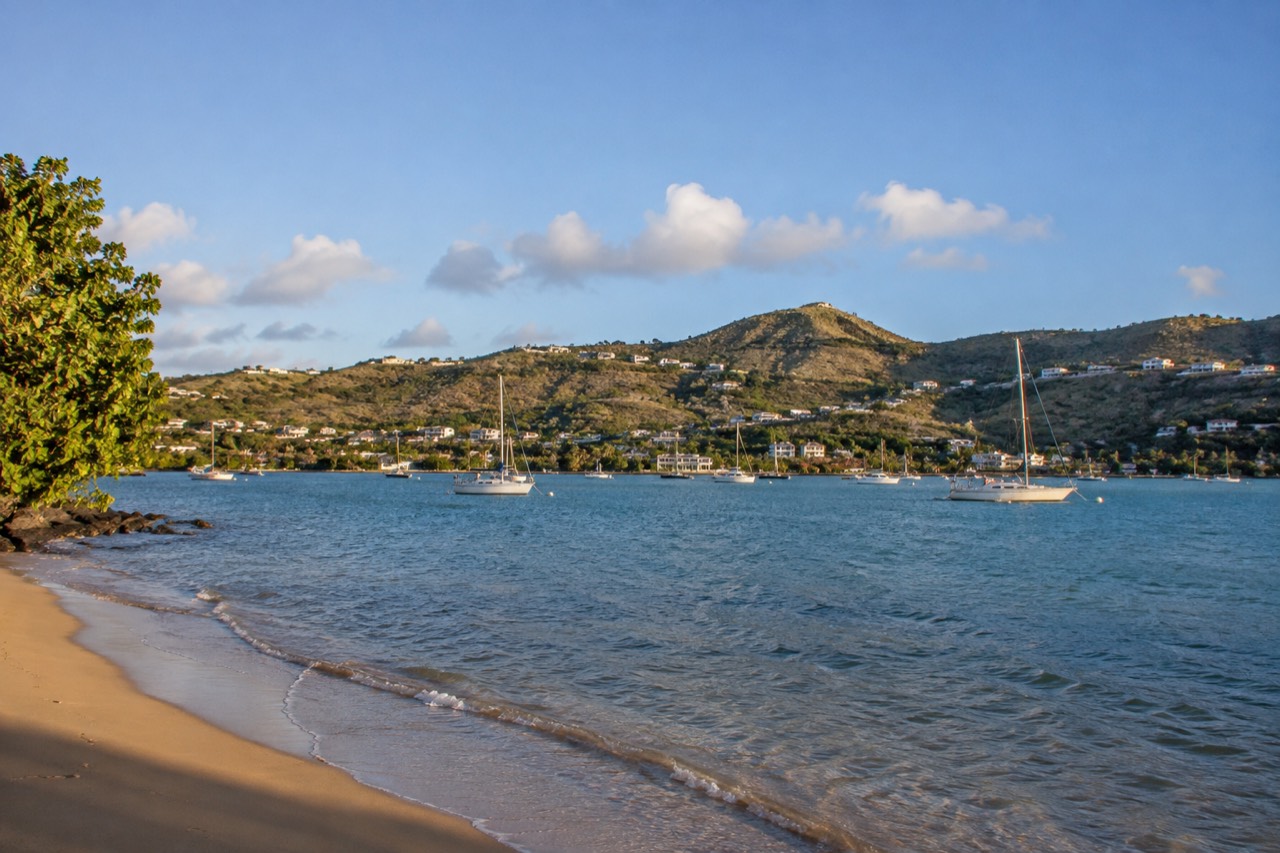
Hawaiʻi Kai is a residential base near Hanauma Bay and Maunalua Bay, with a different setting from Waikiki’s hotel district. Check the actual accommodation’s location and lawful rental use, then plan transport. Local jet ski departures, Hanauma Bay admission and Waikiki-based tours are separate purchases.
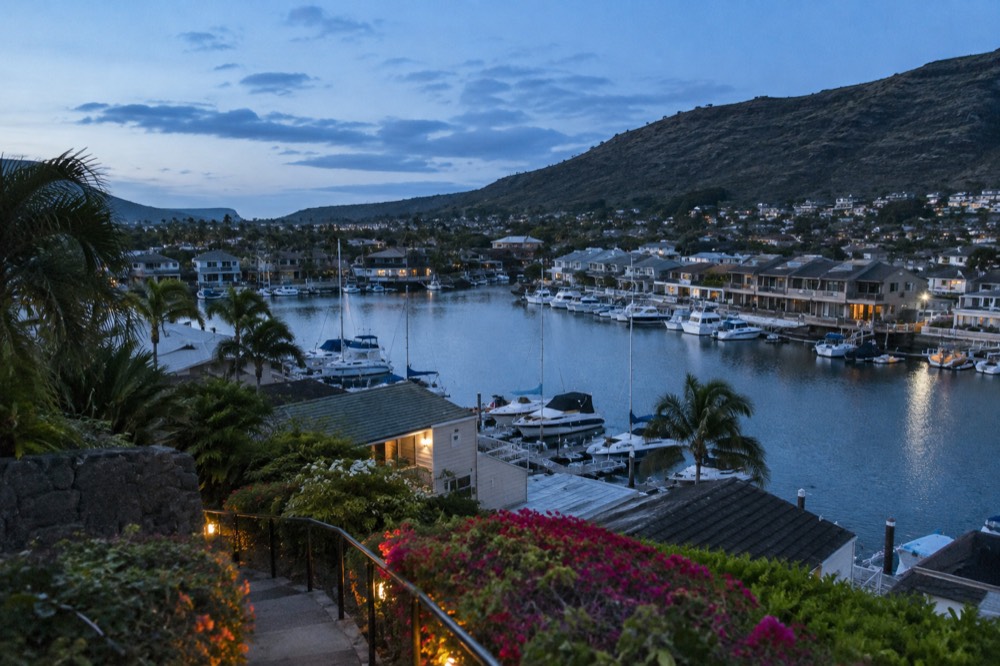
Hawaiʻi Kai is a marina subdivision at the southeastern corner of Oʻahu, where the island's south shore turns the corner and starts facing east. Water is the organising feature: the neighbourhood is built around a flooded river valley, dredged into a marina and a chain of lagoons, with townhouses along the water and houses climbing the dry ridges above.
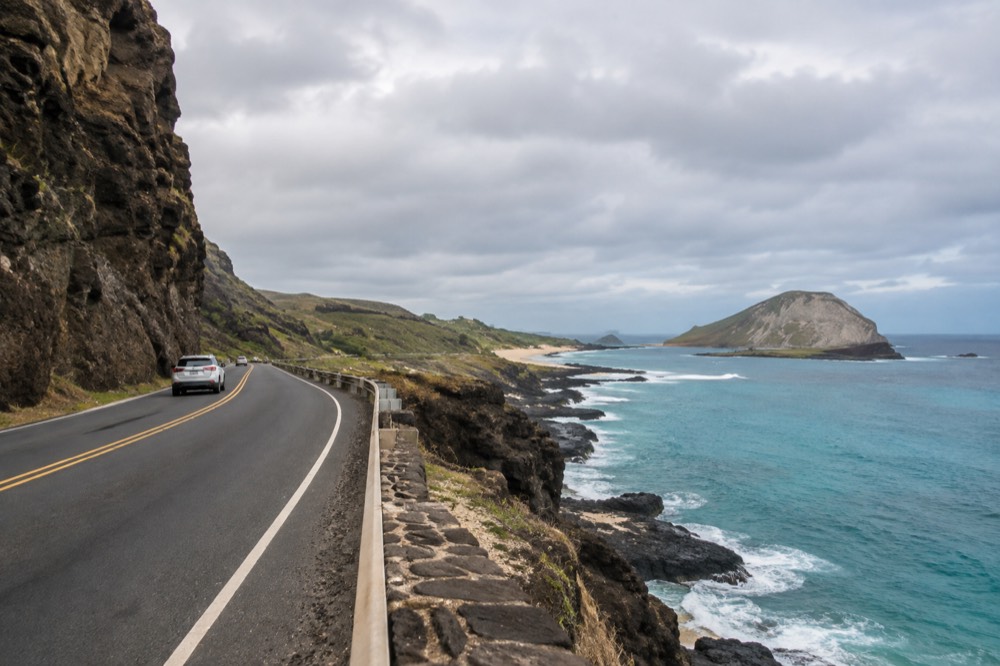
Most visitors encounter it as the last suburban stretch before the road turns scenic. Past the shopping centre at its heart, Kalanianaʻole Highway squeezes between the cliffs and the ocean, and the Hanauma Bay turnoff comes before the Halona Blowhole and Sandy Beach when traveling east from Hawaiʻi Kai. That geography is the reason to understand the area: it is a residential base with a spectacular commute, not a resort.
This guide covers what Hawaiʻi Kai actually is, what there is to do in and around it, whether it works as a place to stay, and how to manage it without a car. For the wider picture of the island, start with our full Oʻahu planning coverage.
Where Is Hawaiʻi Kai And What Kind Of Place Is It?
Hawaiʻi Kai sits on Oʻahu's southeast shore, east of Diamond Head and Kuliouou, at the point where the south coast becomes the east coast. It is a planned residential community built around a marina, not a resort or a town centre. Its practical identity is a shopping hub, a boat harbour, and the last suburb before the highway turns wild toward Hanauma Bay.
The development history matters for what you will find. Henry Kaiser's company dredged the old Kuapā fishpond and wetland and sold waterfront lots, which is why the street pattern, the lagoons and the uniform-ish architecture all date from the same era. The result is a genuinely suburban place: wide roads, cul-de-sacs, a big mall, and a population of locals rather than visitors.
That is not a criticism. It means groceries, pharmacies, hardware stores and markets serve the neighborhood, though your actual address determines the journey. It also means there is very little to "see" in Hawaiʻi Kai itself. You come here to stay, to eat, to launch a boat, or to pass through.
The setting is the draw: the ridges above the marina and the nearby volcanic coastline make this a distinctive part of Honolulu. The southeast can be drier than windward valleys, but conditions vary. A rainfall figure from Honolulu airport or Mānoa cannot forecast a day in Hawaiʻi Kai.
What Are The Best Things To Do In And Around Hawaiʻi Kai?
Nearby outings include Hanauma Bay, the Halona Blowhole lookout, Sandy Beach and paid activities on Maunalua Bay. Choose the exact destination and assess current conditions. Sandy Beach’s shorebreak can cause serious injury, and Maunalua Bay should not be assumed calm or suitable for swimming.
Hanauma Bay needs its own entry plan. It normally opens Wednesday–Sunday, with entry from 6:45 a.m. to 1:30 p.m.; the beach clears at 3:30 p.m. and the preserve closes at 4 p.m. Christmas and New Year’s Day are closures. Non-residents 13+ pay $25, plus a 2.35% online payment fee; children 12 and under enter free. Non-resident parking is $3 cash and is not reserved with admission. Admission-only reservations open two days ahead at 7 a.m. HST. Limited walk-in tickets exist, but are not guaranteed. Hawaiʻi residents with qualifying ID enter free without reservations; military fee exemptions do not automatically waive entry arrangements. Check the official City and County page and our Hanauma Bay Nature Preserve guide before travel.
For visitors starting in Waikiki, the selected Hanauma shuttle includes gear and transport but excludes the admission payment. Confirm how the operator arranges entry before making a duplicate reservation. It is not a local Hawaiʻi Kai pickup or a guided in-water snorkeling lesson.
| Nearby sight | What it is | Planning note |
|---|---|---|
| Hanauma Bay | Marine life conservation district in a volcanic crater bay | Closed Mon and Tue; reserve admission ahead, with limited walk-ins and no reserved parking |
| Halona Blowhole | Ocean spout and lookout where the highway meets the cliffs | Watch from the designated lookout only; waves on the rocks below are dangerous |
| Sandy Beach | Powerful shorebreak beach popular with bodyboarders | Powerful shorebreak and currents; seek lifeguard advice and stay ashore if uncertain |
| Maunalua Bay | Ocean bay with launch ramps and activity operators | Jet ski and other water activities run from here |
| Koko Head district | Crater trailhead area inland of the bay | Check current trail status before you go |
The Halona Blowhole, a few minutes up the highway, is a classic quick stop: a lava tube that erupts in a spray when the swell pushes through. Our Halona Blowhole guide covers the viewing area, and the honest safety note is that people have been killed climbing onto the rocks below it; the lookout is the whole experience.
Sandy Beach, just past Halona, is one of the island's best bodyboarding beaches and one of its most punishing shorebreaks. It is a local beach in the true sense, where residents surf and sunbathe, and it is covered in our Sandy Beach Park guide. If you are not a confident ocean swimmer, treat it as a place to watch, not to swim.
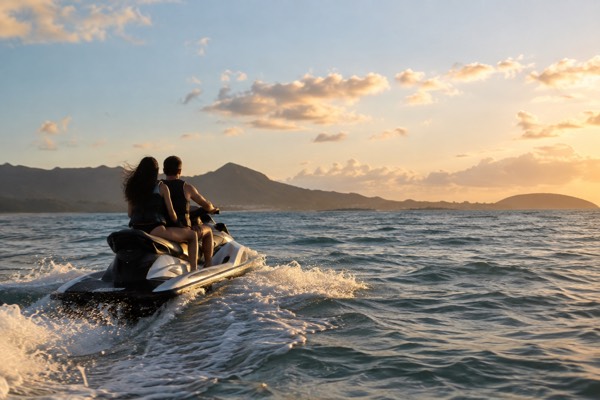
Maunalua Bay is the oceanfront activity area beside Hawaiʻi Kai; the marina was developed from Kuapā fishpond. Conditions vary across the bay. H2O Sports checks in jet ski riders at 377 Keahole Street E103, then transfers them by boat to its platform. The selected product has 30 minutes of riding on a marked course, with about 90 minutes for the full experience. Tandem tickets are priced per rider, and solo riding is a different option. It is not unrestricted coastal cruising, and hotel transport is excluded.
For a wider sightseeing day, compare the actual stops and pickup of any circle-island tour. The circle-island products discussed here use selected Waikiki pickups, so a Hawaiʻi Kai guest needs to arrange the journey there. A Honolulu trolley serves selected city lines; it is not a replacement for local transport along this coast.
Is Hawaiʻi Kai A Good Base For An Oʻahu Trip?
Hawaiʻi Kai can work when a specific property’s permitted stay, facilities and location match your plans. It is a residential community with different transport needs from Waikiki. Do not assume that a listed house is available for a lawful short holiday rental, or that a marina address means beach access.
Compare the exact accommodation rather than assuming neighborhood-wide savings, larger rooms, a pool or included parking. Check lawful rental use, minimum stay, beds, kitchen facilities and the complete price. Area search results may include hotels in Waikiki and other neighborhoods, so inspect the map. Add the journeys your actual itinerary creates.
A southeast-focused itinerary may make the area worth considering. A trip centered on Waikiki evenings and walkable city activities may favor a hotel there. Outrigger Waikiki Beach Resort is a separate Waikiki alternative, not a Hawaiʻi Kai property; compare its actual room and full bill with your chosen base.
Proximity can help with a planned Hanauma Bay visit, but an address in Hawaiʻi Kai does not change the entry rules, guarantee parking or make every journey five minutes. Entry continues until 1:30 p.m., rather than being morning-only. Check your actual route and allow time for arrival and orientation.
A circle-island tour can cover selected stops beyond your base, but the nine-hour full-circle option and shorter Dole/Haleʻiwa option are different purchases. Confirm the advertised route, chosen option and selected Waikiki pickup; travel from Hawaiʻi Kai to that pickup is separate.
Compare the tour with independent driving for the places you actually want to see. It does not replace all transport during a Hawaiʻi Kai stay, and a circle-island label does not mean every part of the island is visited.
How Do You Get Around Hawaiʻi Kai Without A Car?
TheBus serves Hawaiʻi Kai, while Skyline has no station here or in Waikiki. Check the route, walk to the stop and return timetable for your exact address. A rental car, taxi or other hired ride is another option; a tour only solves the journeys explicitly included in its ticket.
The fare structure is the good news. TheBus and Skyline share one fare system: $3.25 for an adult cash single ride with no transfers, a $3.00 two-hour HOLO pass with unlimited transfers, and a $7.50 daily cap, after which the rest of the day's rides are free. A HOLO card costs $2.00 to obtain and can be loaded online or at retail locations. One child under five who does not occupy a seat may ride free with a fare-paying passenger. The full index of guides sits on Oahu Travel Guide.
| Fare option | Price | What it covers |
|---|---|---|
| Adult cash, TheBus only | $3.25 | Single ride, no transfers, exact fare |
| HOLO 2-hour pass | $3.00 | Unlimited transfers on TheBus and Skyline for 2 hours |
| HOLO daily cap | $7.50 | Maximum charged per day, then free |
| HOLO monthly cap | $90.00 | Maximum charged per month |
| One child under five | Free | With a fare-paying rider, not occupying a seat |
The practical caveat is geometry. Hawaiʻi Kai's residential streets loop and cul-de-sac away from the highway, and the useful stops sit on the highway itself. If your rental is deep in the marina streets, the walk to a stop can be long and hot, and the walk home at night longer. Visitors staying here usually rent a car for at least part of the trip, and our car rental on Oʻahu guide covers the trade-offs, while our guide to getting by without one covers the case for the bus.
The Byodo-In circle-island tour is a separate nine-hour itinerary with temple admission and selected Waikiki pickups. Meals are extra, and you must arrange the journey from Hawaiʻi Kai to the confirmed pickup. Compare its stops with the other circle tour rather than treating both as local transport.
The trolley is for selected Honolulu sightseeing and shopping lines after you reach the city independently. It does not cover Pearl Harbor, the airport or a Hawaiʻi Kai-to-Waikiki commute. Compare the pass’s actual lines with the city day you plan.
What About Food, Shopping And Daily Practicalities?
Hawaiʻi Kai has supermarkets, casual restaurants and shopping centers serving a residential community. Check the particular business, market schedule and journey from your accommodation. Do not assume every errand is five minutes away or that every marina frontage is publicly walkable.
The shopping centers supply groceries, pharmacies and casual food for residents and visitors. For produce, the city’s Hawaiʻi Kai People’s Open Market is listed at 300 Keahole Street, Saturday 1–2 p.m. Check its current schedule and location before making a special trip; market schedules and venues can change.
Eating out is casual and local: plate lunch spots, shave ice, poke counters and neighbourhood diners, most of them along Kalanianaʻole Highway. People drive here from elsewhere for a couple of specific local favourites, but nobody plans a food itinerary around the neighbourhood. Our best food on Oʻahu guide puts the area in context.
One practical note worth knowing: this is a residential area carrying real visitor pressure on its coastline, and the same is true of the beaches just up the highway. Park legally, do not treat residential streets near access points as overflow, and keep clear of posted kapu areas. The sites east of here, including the blowhole lookout, are working coastal hazards, and the ocean between Hawaiʻi Kai and Hanauma Bay is not a swimming coast outside the designated spots.
When Is The Best Time Of Year To Stay In Hawaiʻi Kai?
Choose dates around your activities and check current weather and ocean conditions. Seasonal patterns do not guarantee calm water, a dry day or admission availability. Sandy Beach shorebreak can be hazardous throughout the year, and coastal outings need their own conditions check.
The ocean is the real calendar for water activities, but a season is not a safety rating. For whale watching, humpback whales visit Hawaiian waters seasonally; sightings from shore or a boat are never guaranteed. Keep the legally required 100 yards from humpbacks. A selected whale-watch cruise from Ala Wai Harbor is a separate Honolulu departure, with dates set by the operator’s actual calendar.
If dates are flexible, compare the available lodging, activity and entry options. Do not assume a shoulder month guarantees a Hanauma Bay slot or the same weather as another month. Keep an alternative plan for closures or unsuitable conditions.
Rain, wind and storms can change plans even in a generally drier neighborhood. Check the local forecast and warnings for each outing, and avoid flooded roads or trails. Our rainy season guide covers how to plan around a wet day.
Common Questions About Hawaiʻi Kai
The main decisions are the actual accommodation, Hanauma Bay entry and transport to each activity. A residential base does not waive reservations or guarantee local tour pickup. Compare your complete itinerary before choosing where to stay.
Is Hawaiʻi Kai worth visiting if you are not staying there?
As a destination in itself, only briefly. The reasons to pass through are the shopping centre if you need supplies, the scheduled People’s Open Market, and the drive along Kalanianaʻole Highway toward Hanauma Bay, Halona and Sandy Beach, which is one of the island's best short scenic stretches. Treat the neighbourhood as a supply stop and the coast beyond it as the attraction.
How far is Hawaiʻi Kai from Waikīkī?
It is the next district east along the coast from Diamond Head and Kuliouou, a straightforward drive along Kalanianaʻole Highway. Driving times on Oʻahu vary heavily with traffic, so we do not quote a fixed number; bus journey times and frequency depend on the route and current timetable.
Can you swim at the beaches near Hawaiʻi Kai?
Maunalua Bay hosts boating and water activities, but water depth and an apparently sheltered setting do not establish swimming suitability. Sandy Beach up the highway is beautiful and powerful, with a hard shorebreak that suits experienced bodyboarders rather than casual swimmers. For snorkelling, Hanauma Bay is the reason people come to this coast, and non-residents need a reservation or one of the limited walk-in tickets.
Is Hawaiʻi Kai a good area for families?
Yes, for the right kind of family trip. Compare the specific property’s permitted stay, rooms, kitchen and journeys. Supermarkets can help with self-catering, but the bay should not be described as suitable for children simply because it appears calm. Check the complete route to each beach or evening activity instead of assuming it will be walkable.
Do you need a reservation for Hanauma Bay if you are staying nearby?
Admission-only reservations open two days ahead at 7 a.m. HST and are strongly recommended for non-residents; limited walk-in tickets may be available. Staying in Hawaiʻi Kai does not change the entry rules. Arrival time depends on your actual address and route; entry ends at 1:30 p.m. and everyone must leave by 4 p.m. Hawaii residents enter free without a reservation.
Is there nightlife in Hawaiʻi Kai?
No, and that is by design. The neighbourhood is residential, with casual restaurants that close early and no bar district. Evening entertainment means driving to Waikīkī or downtown, so plan accordingly if evenings out matter to your trip.
Plan Hawaiʻi Kai around the place you will actually stay and the outings you want to make. Settle admission and activity requirements, allow time for the full journey, and keep free coastal viewpoints and local errands separate from optional paid experiences.
Plan Your Hawaiʻi Kai Base And Outings
Compare an area accommodation search, a local jet ski outing or independent transport. Waikiki hotel, tour and shuttle alternatives have different locations and pickup arrangements.
Compare Hawaiʻi Kai Area Accommodation
Compare your dates and party, then assess the full accommodation and transport bill against another base.
This is an area search, not a verified individual property. Results may include Waikiki and other neighborhoods. Check the map, lawful rental use, permitted stay, actual room and complete price.
Compare Two Complete Base Costs
Enter USD totals for the same party and dates. Option A combines the full accommodation quote with unbundled transport and parking. Option B is the complete alternative base including equivalent journeys. Include taxes and mandatory fees once. These are your estimates, not live prices.
Enter dates and all guests on the provider website. This is a booking link, not an on-page availability search.