Kāneʻohe And The Windward Coast: Oʻahu's Green Side, Explained
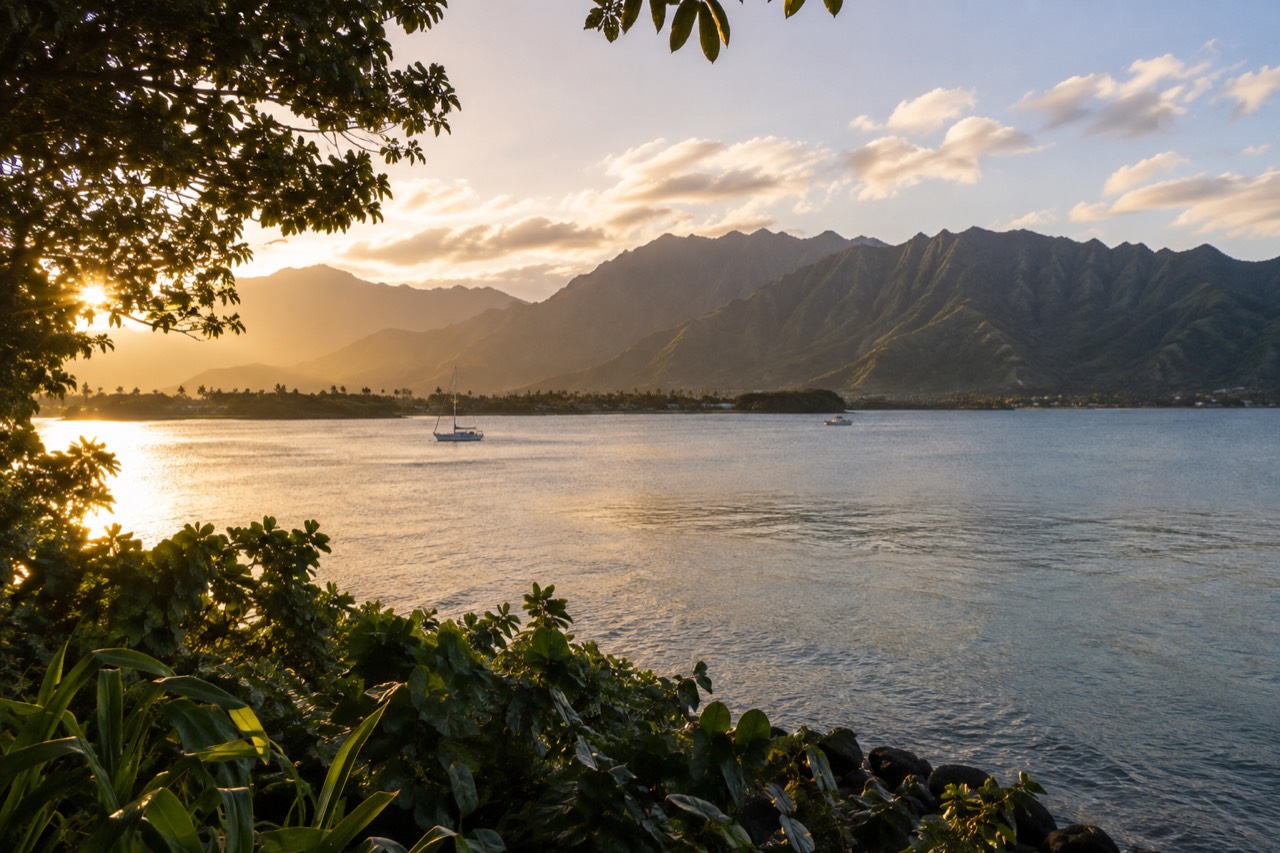
Kāneʻohe and the Windward Coast are where Oʻahu stops looking like the postcard and starts looking like the place the postcard was drawn from: ridged green mountains, a sheltered bay, and the moist, heavy air of the island's windward side.
Short answer
The Windward Coast includes distinct destinations around Kāneʻohe Bay, Kailua, Waimānalo and Kualoa. Choose a specific route, activity or accommodation, then allow for the complete journey. A roadside sightseeing tour does not include a Kualoa valley tour or a bay excursion unless explicitly stated.
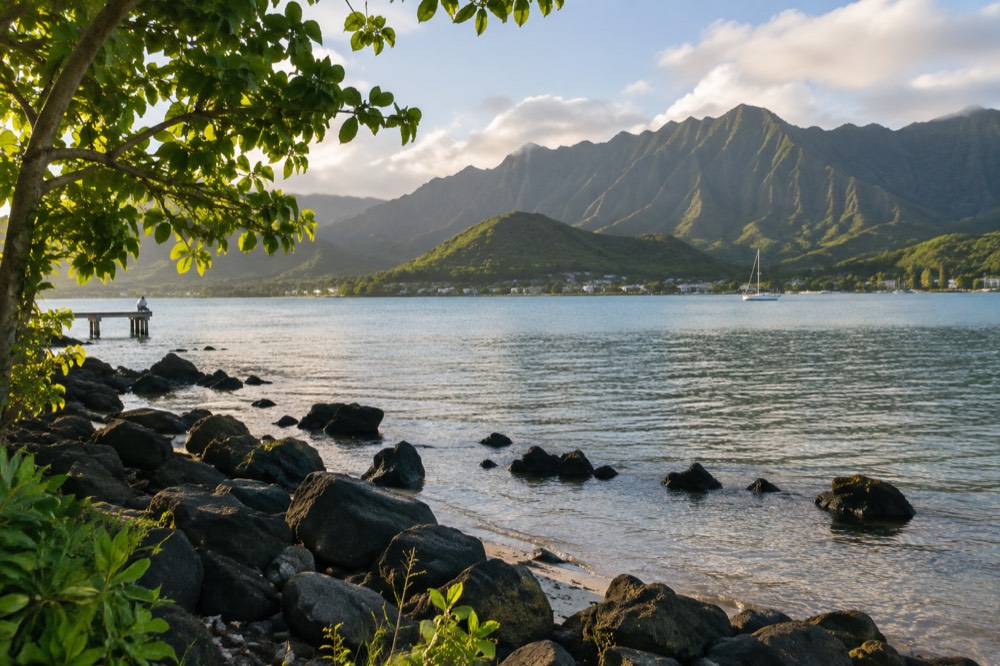
Trade winds hit the Koʻolau range first, drop their rain on the windward side, and leave the leeward coast around Honolulu comparatively dry. That single fact shapes everything about Kāneʻohe and the Windward Coast: the colour of the mountains, the feel of the air, the behaviour of the surf, and the kind of traveller who will love it here. This guide covers what the windward side actually offers, how to do it as a day out from Waikīkī, and whether it makes sense as a base.
Where Is Kāneʻohe And What Is The Windward Coast?
Kāneʻohe is on Oʻahu’s windward side below the Koʻolau mountains. Kailua and Waimānalo are southeast of Kāneʻohe; Kualoa and Lāʻie lie farther north along the coast. These are distinct communities and destinations, not a single beach town or one continuous sightseeing stop.
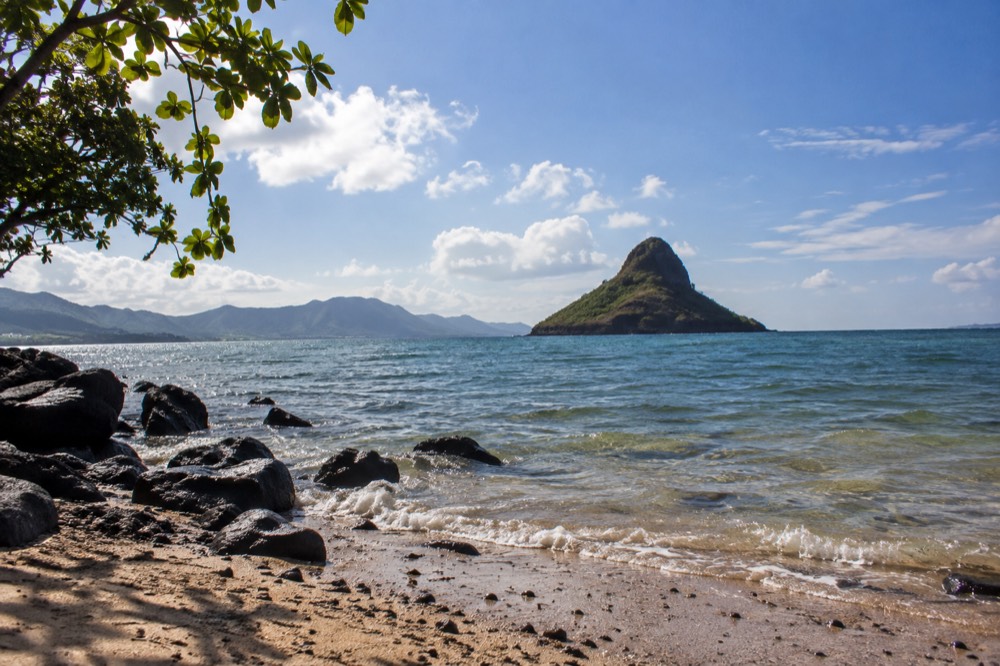
The geography is the story. The Koʻolau range is the eroded remnant of a much larger volcano, and its windward face is a wall of ridges that catches moisture off the Pacific. Kāneʻohe Bay sits below those ridges, a broad, shallow, largely reef-protected bay with Mokoliʻi, the small island off Kualoa, standing at its northern end. The bay's sheltered water is why the windward side reads so differently from the North Shore: the same ocean, on the other side of the mountains, produces some of the planet's most famous winter surf, while Kāneʻohe Bay has its own changing winds, tides, currents and boating conditions. Reef protection is not a guarantee of suitable paddling.
Plan the windward side as actual road connections between destinations. The coastal route north of Kāneʻohe toward Kualoa is different from a detour southeast to Kailua or Waimānalo. Kāneʻohe is a residential town, Kailua has its own town and beach access, Kualoa is a working ranch, and the communities beyond have separate facilities and travel needs.
What Are The Best Things To Do On The Windward Coast Of Oʻahu?
Windward choices include Kualoa’s booked ranch experiences, the Byodo-In Temple, a Kāneʻohe Bay boat trip and public coastal stops. Choose one main activity and build a realistic route around it. A circle-island tour generally offers selected sightseeing stops, not admission to every experience it passes.
Kualoa’s interior valleys are on private ranch land and require an authorized experience; they are not open for independent driving or wandering. Our Kualoa Ranch guide compares the choices. The 90-minute movie tour is a guided vehicle outing; the two-hour UTV tour is a separate purchase with driving and passenger requirements. Arrange arrival at the ranch and check in 45 minutes early for the selected tickets.
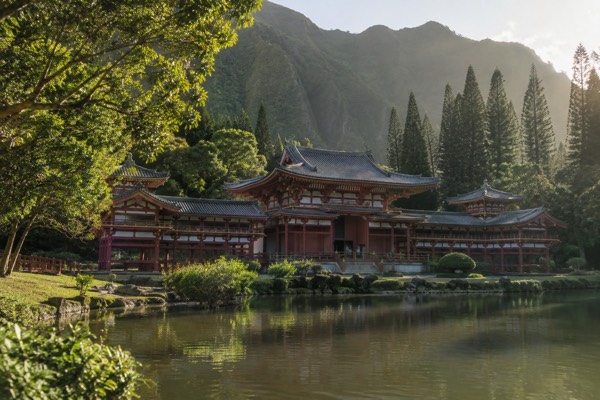
The Byodo-In Temple sits in the Valley of the Temples near Kāneʻohe. Its gardens and religious setting call for quiet, respectful behavior. Independent visits require paid admission and parking; our Byodo-In Temple guide covers the details. The selected nine-hour sightseeing tour includes temple entry and selected Waikiki pickup, with food extra. Its Kualoa-area sightseeing stop does not include a ranch valley tour.
For a Kāneʻohe Bay outing, Captain Bruce’s selected morning sandbar tour departs from Heʻeia Kea Harbor Slip 316. The roughly 2-hour 45-minute experience includes masks, life jackets, snacks and soft drinks; ground transport and lunch are excluded from this ticket. Snorkeling requires swimming 15 meters in a life jacket without fins, and activities are optional. Tide, weather and wildlife affect the experience. Kailua paddling is a separate location and activity.
Seasonal humpback sightings are possible in Hawaiian waters, but never guaranteed. Keep the legally required 100 yards from humpback whales on any water outing.
For a broader day from Waikiki, compare the selected full-circle itinerary with its shorter Dole/Haleʻiwa alternative. They do not make the same stops. Confirm the exact pickup and route before treating the tour as your windward day; a windward accommodation or cruise-pier pickup is not automatically included.
Is Kualoa Ranch Worth The Detour On A Windward Coast Day?
Kualoa makes sense when a specific ranch experience is part of your plan. Public shoreline views near Kualoa are a separate, free choice where access permits. Decide whether you want a movie-site vehicle tour, a UTV outing or simply a coastal stop; the name Kualoa does not make those equivalent.
The public shoreline near Kualoa and views of Mokoliʻi are different from entering the private ranch valleys. For a UTV outing, the selected two-hour product requires a driver 21+ with a license and passengers 5+. The ticket uses a vehicle for 2–6 people; check the actual party configuration and health restrictions. It is not a solo ATV rental.
Book the actual ranch experience and check-in time before placing other stops around it. The selected movie tour is 90 minutes with 45-minute advance check-in and independent arrival. It is listed as non-refundable, so check the terms before committing. A tour time at Kualoa does not reserve admission or parking at the Byodo-In Temple, and a general circle-island excursion does not substitute for the ranch ticket.
What Is The Weather Really Like On The Windward Side?
Windward weather varies between the coast, valleys and mountain ridges. Trade-wind showers help keep the landscape green, but rain can persist and storms can change access. Do not use a Mānoa or airport climate average to promise a brief shower or a suitable day at Kāneʻohe Bay.
Use the forecast for the actual place and activity, with a backup plan for closures or unsuitable conditions. A mountain outing, a bay trip and a roadside stop can face different weather on the same day.
| Planned stop | Check before setting out |
|---|---|
| Kāneʻohe Bay outing | Local marine conditions, operator notice and participant requirements |
| Ranch or valley tour | Operating notice, check-in time and rain provisions |
| Public beach or lookout | Posted access, local warnings and legal parking |
Rain in the hills can raise streams and muddy trails even when the coast looks dry. Check warnings and access notices rather than judging only from the sky above your hotel. Never enter flooded roads or streams.
Is Kāneʻohe A Good Place To Stay On Oʻahu?
A windward stay can work when the actual property and your planned journeys fit. Compare a specific hotel with a Waikiki base instead of assuming every residential listing permits a short holiday stay. The coast, ranch and towns are spread out, and a bayside address is not automatically a swimming beach.
The windward side has fewer conventional hotels than Waikiki. Paradise Bay Resort is a specific bayfront option in Kahaluʻu at 47-039 Lihikai Drive, north of central Kāneʻohe. It has suites and cottages, a pool and resort-fee activity benefits, but no on-site sandy beach, restaurant or airport shuttle. Check the actual room, access needs and full bill including the resort fee and guest parking.
Residential rentals need their own checks for lawful rental use, permitted stay and exact location. The wider guide collection is on Oahu Travel Guide.
| Your priority | Compare |
|---|---|
| A windward base | Specific room and full costs at Paradise Bay, plus daily journeys |
| City evenings and walkable visitor services | A Waikiki hotel and separate windward outings |
| Ranch or water activity | Participant fit, actual departure and complete arrival journey |
| Residential accommodation | Lawful rental use, permitted stay and actual address |
Check food options and daily travel from your actual windward accommodation. Our Kailua guide describes another residential town and beach area nearby. If city evenings lead your plans, compare Outrigger Waikiki Beach Resort as a different base, with its own room total and journeys to windward activities.
How Do You Get To Kāneʻohe Without A Car?
TheBus reaches Kāneʻohe from Honolulu, while Skyline has no windward station. Plan the actual connection and return timetable rather than assuming one bus serves every attraction. A tour includes only its stated route and pickup, and independent driving is another option.
TheBus and Skyline share a fare system. Adult cash on TheBus is $3.25 without transfers; HOLO offers a $3 two-hour fare with transfers and a $7.50 daily cap. The card costs $2. One child under five who does not occupy a seat can ride free with a fare-paying passenger. Skyline runs from East Kapolei through the airport to Kalihi Transit Center, with no Waikiki or windward station. Pearl Harbor needs its own onward connection rather than treating a rail station as the visitor-center entrance.
For car-free outings, choose either the actual bus itinerary or a tour with the destinations and pickup you need. A Waikiki sightseeing tour passing Kualoa does not deliver the ranch’s valley experience. Our car-free Oʻahu itinerary covers the trade-offs; a rental quote should be compared with the complete alternative transport cost, including parking and fuel.
What Should You Re-Check Before You Go?
Recheck park access, weather and ocean conditions for the exact route. The September 12 DLNR update reopened Nuʻuanu Pali State Wayside and the Mokuleʻia vehicle road at Kaʻena. The September 14 update left Keawaʻula partly open while its coastal trail remained closed. These are different locations and approaches.
Pali Lookout’s earlier closure notice has been superseded by its reopening, but future access can still change. Check the current DLNR notice at dlnr.hawaii.gov/dsp before building your route around it. Kaʻena Point is elsewhere on the island and has no coastal through-road between its two approaches.
Ocean conditions vary by location, wind and swell. The National Weather Service provides current forecasts, but a sheltered bay or small predicted surf does not guarantee suitability. Ask lifeguards at staffed beaches, follow operator requirements and stay out when uncertain.
One more naming note that matters here: the small island off Kualoa is Mokoliʻi. You will see an older colonial nickname for it in outdated content. Our Mokoliʻi guide covers the island itself.
Can You See The Windward Coast On A Cruise Ship Day?
A ship-day windward outing depends on your actual disembarkation and all-aboard times. Standard Waikiki tours do not automatically collect or return passengers at the pier. Choose a route and pickup explicitly arranged for the port call, allowing for traffic and the return margin.
The clock matters as much as the route. Aina Explorer’s private Oʻahu product supports Honolulu cruise-terminal pickup and return, with 4-, 6- and 8-hour options covering different itineraries. Agree the windward stops, exact pier, duration and required return time before booking. It takes up to 5 guests, or 3 with luggage; meals, tips and custom-stop admission are extra. Confirm any child-seat cost and access needs. A published tour duration is not a guaranteed ship-return promise.
Our Oʻahu cruise ship day itinerary covers the scheduling trade-offs. Keep the plan smaller if the time ashore does not support the route and a comfortable return margin.
The Byodo-In group tour discussed earlier is a different nine-hour Waikiki itinerary. Do not treat it as a shorter pier excursion or assume a ranch valley tour is included. A private route must explicitly include the stops you want and the admission arrangements.
Common Questions About Kāneʻohe And The Windward Coast
Windward planning starts with the exact stops, current conditions and complete journeys. Rainfall patterns are not daily forecasts, and calm-looking bays are not a guarantee of swimming suitability. Choose a manageable itinerary around any booked activity.
Is Kāneʻohe worth visiting?
Yes, if your interests run to scenery, paddling, Kualoa's valley tours or the Byodo-In Temple. It is not a nightlife or dining destination, and travellers who want those should treat it as a day trip from Waikīkī rather than a base.
How many days do you need on the Windward Coast?
Choose the actual activities first. A ranch tour with check-in, a bay excursion and cross-coast journeys can fill different parts of a day; do not assume all fit together. A second day allows more room for travel and changing conditions.
Does it rain all the time in Kāneʻohe?
No, but neither brief showers nor a dry afternoon are guaranteed. Rain varies between coast and valleys; check the current local forecast and access notices for your outing.
Can you swim at Kāneʻohe Bay?
Suitability depends on the exact place, conditions and swimming ability. Bay boating and snorkeling activities have their own requirements; reef protection does not eliminate hazards. Kailua and Waimānalo are separate beaches requiring their own conditions check.
Is the Windward Coast good for kids?
It can be, when the chosen activity fits the children’s ages, ability and the day’s conditions. Compare the requirements of the actual ranch tour or water activity, and do not assume all windward water is calm or child-suitable.
Do you need a reservation for Kualoa Ranch?
The ranch's own guidance points visitors toward advance booking, and same-day availability is not something to rely on for the popular tour types. Book ahead, then plan the rest of your windward day around the fixed tour time.
The Windward Coast rewards a specific kind of attention. It is the side of Oʻahu where the island's geology is on display, where the rain actually falls, and where the busiest thing on the schedule can legitimately be a kayak or a garden. Plan it as a route, check the closures and the surf forecast before you set out, and give it more than a drive-through if you can, because the coast between Kāneʻohe and the island's northern tip is where many visitors decide their next trip to Oʻahu will be based.
Choose Your Windward Coast Day Or Base
Start with a temple-inclusive sightseeing day from Waikiki, or choose a ranch tour, bay excursion, windward stay, independent transport or private pier pickup. Each has its own location and inclusions.
Circle-Island Tour With Byodo-In Temple
Choose a guided sightseeing route with a temple stop. Compare the listed stops with your priorities; ranch valleys and bay activities are separate bookings.
The listed 9-hour trip includes Waikiki pickup and Byodo-In admission; meals are extra. Wheelchairs must be foldable and guests must be able to board without a ramp.
Compare Two Complete Day Costs
Enter USD estimates for the same party, date and chosen destinations. Option A combines independent transport with unbundled tickets and parking. Option B is the full tour alternative including the journey to pickup and any excluded admissions or food. Compare equivalent inclusions; these are your estimates, not live prices.
Choose dates and your party on the booking page. The booking link is not an on-page availability calendar.