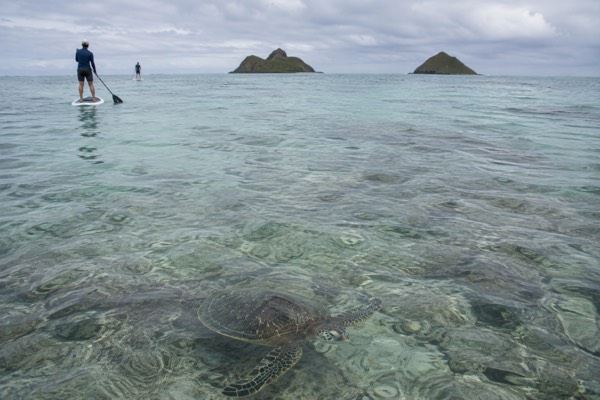
What Is The Prettiest Beach In Oahu?
The honest answer to the prettiest beach in Oahu question, plus the contenders, access, timing and costs, from an editorial desk that checks the official sources.
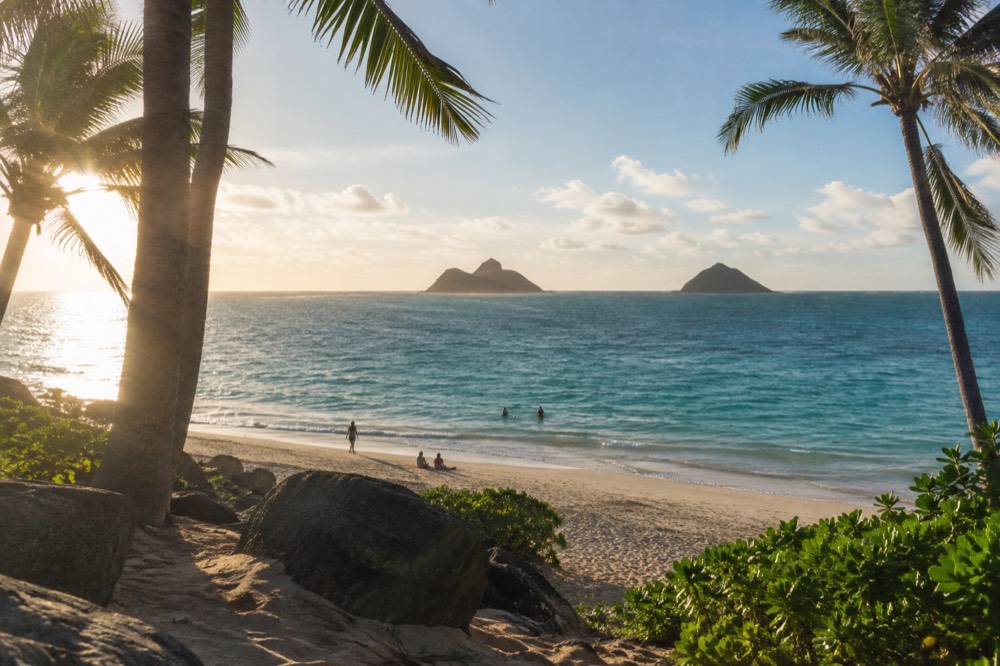
Ask ten Oʻahu residents which beach is the prettiest and you will not get one answer. You will get an argument, and a friendly one. But the beach that keeps winning that argument is Lanikai Beach, the narrow strip of pale sand at Kaʻōhao on the windward coast, looking out over the Mokulua islands. Waimanalo Beach Park runs it close for sheer tropical colour, and Hanauma Bay wins on what is in the water. The honest answer depends on what you mean by pretty, so this page walks through the leading candidates, how you actually reach them, what they cost, and whether they are worth the trip on your particular day.
One thing worth saying up front: the area marketed as Lanikai carries the Hawaiian place name Kaʻōhao, and the two offshore islands everyone photographs are the Mokulua islands, usually shortened to "the Mokes".
What Is The Prettiest Beach In Oahu?
Lanikai Beach at Kaʻōhao is the beach most residents and most photographers name first, a narrow, palm-backed strip of white sand facing the Mokulua islands across water that runs bright turquoise on a calm morning. Waimanalo Beach Park and Hanauma Bay are the two serious rivals, and Kailua Beach Park next door to Lanikai is the more practical choice for families. There is no official prettiest beach, but the windward coast owns the shortlist.
Why does Lanikai keep winning? It is the composition as much as the sand. The beach itself is narrow, sometimes barely a few metres wide at high tide, and it sits at the end of a quiet residential street with no hotel row behind it. What you get is an uncluttered view: powder-fine sand, a fringe of coconut palms and ironwood, and two flat-topped islands sitting offshore like a postcard someone designed on purpose. On a calm morning the water over the reef flats goes a green-blue that looks edited. It is not.
The second reason is the light. The beach faces east, so sunrise hits it first, and the serious photographers are on the sand before 6 a.m. in summer. By mid-morning the tour kayakers are paddling out toward the Mokes and the shoreline has a steady scatter of visitors.
The third reason is what the beach does not have: no car park, no commercial operators running trips from the sand, no concession stands. That is also its problem, and we come to it below, because the absence of a car park is the single fact that shapes every visit.
If prettiest means "the water is the star", the argument moves to Hanauma Bay, a flooded volcanic crater on the island's south shore where the reef begins a few fin-kicks from the beach. If it means "widest, emptiest, most dramatic stretch of sand", Waimanalo Beach Park takes it, backed by the green wall of the Koʻolau range. Lanikai wins on the postcard; the other two win on other definitions, which is why the honest answer is a shortlist rather than a winner.
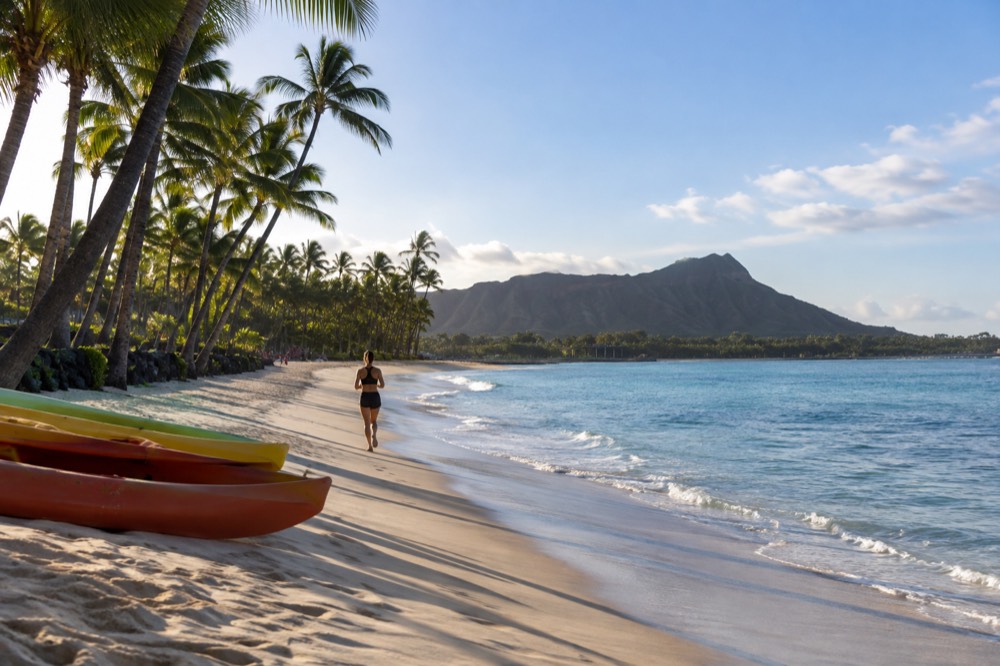
If your version of a beautiful beach day involves being in the water rather than looking at it, the tours below are the ones that pair best with a beach morning on this coast.
Why Is Lanikai Beach The One Everyone Photographs?
Lanikai photographs better than almost any beach on the island because the view is layered: pale sand in the foreground, the Mokulua islands offshore, and the Koʻolau mountains behind you when you turn around. The beach faces east, so the best light is early, and the water is calmest before the trade winds pick up. The trade-off is that none of that beauty comes with a car park or facilities.
The Mokulua islands are seabird sanctuaries, and the nearer one, Moku Nui, is a common kayak target from Kailua Bay. From the sand at Lanikai they sit close enough to read as the picture's subject, which is what every third Instagram post from Oʻahu is trying to capture. The islands are not beaches you can wander at will; landing rules and bird habitat matter, and commercial operators cannot run recreational stops at the adjacent Kailua and Kalama beach parks under a city ordinance. If you want to paddle out, you book through a licensed operator, and we cover the practicalities in our Kailua Beach Park guide.
The colour of the water deserves an honest note. The reef flats off Lanikai are shallow, and on a calm day the sand and the shallow reef combine to produce that famous turquoise. After heavy rain the stream mouths can cloud the nearshore water brown for a day or two, and in winter the trade winds can kick up chop that turns the whole scene a flatter blue. Locals read the forecast before committing, and so should you. The Mānoa valley, five miles from Waikīkī as the crow flies, records an annual normal of 150.96 inches of rain against Honolulu airport's 16.41 inches, and when the mountains dump rain, some of it finds its way to the windward shore.
None of this is a reason to skip it. It is a reason to go early, check the surf and wind forecast the night before, and treat the beach as a morning rather than an all-day base.
What Are The Other Contenders For The Prettiest Beach On Oahu?
Waimanalo Beach Park is the strongest rival, a long, often near-empty stretch of sand backed by the Koʻolau range with deeper, bluer water than Lanikai. Hanauma Bay wins for what is under the surface, a protected reef inside a volcanic crater. Kailua Beach Park is the family pick beside Lanikai, and on the North Shore, Sunset Beach and Waimea Bay take the title in winter when the surf is up.
Here is how the main contenders actually compare, in the categories that decide a visit.
| Beach | What makes it pretty | Best for | Main drawback |
|---|---|---|---|
| Lanikai (Kaʻōhao) | White sand, palms, the Mokulua islands offshore | Sunrise, photography, calm swims | No car park, no facilities, residential streets |
| Waimanalo Beach Park | Long empty sand, mountain backdrop, deep blue water | Space, walking, a quieter day | Fewer facilities than it looks, can be windy |
| Hanauma Bay | Reef inside a crater, fish from the first steps | Snorkelling, marine life | Entry fee, reservation required, closed Mondays and Tuesdays |
| Kailua Beach Park | Wide sand, steady trade-wind breeze, family-friendly | Families, kayaking, an easy day | The view is good, not the island's best |
| Sunset Beach (North Shore) | Wide gold sand, big winter surf | Winter spectacle, summer swims | Winter surf is not for swimming |
Waimanalo deserves the longer pitch, because visitors who skip it are usually skipping it by accident. The beach park sits a few minutes south of Kailua on the same coast, and where Lanikai is a narrow slice, Waimanalo is a broad, continuous run of sand with the mountains immediately behind it. The water is deeper blue rather than reef turquoise, the crowd is thinner, and there is space, which Lanikai never has. Our Waimanalo Beach guide covers the practical detail.
Hanauma Bay is a different category of beautiful. It is the island's most famous snorkelling site, a bay formed inside a volcanic cone, and the reef starts close enough to the sand that you are floating over fish within a minute of walking in. It is also the one beach on this list with a fee and a reservation system: non-resident entry is $25 plus a 2.35% online service fee, children 12 and under enter free, and Hawaii residents enter free with a current Hawaii ID and no reservation. The bay is closed Mondays and Tuesdays, plus Christmas and New Year's Day, and reservations open two days ahead at 7:00 a.m. HST. That is the whole system, and it is why the bay rewards planners. Our Hanauma Bay guide walks through it step by step.
The North Shore enters the argument in winter only. From roughly November the north-facing beaches take on the swell that makes them famous, and watching the surf at Sunset Beach or Waimea Bay is its own kind of beautiful, just not the kind you swim in. In summer the same beaches flatten out and swim fine, but the gold sand and the flat water are a different, less dramatic beauty than the windward coast's.
If you would rather be in the water with turtles than on the sand looking at it, the Turtle Canyon snorkel from Waikiki is the most reliable way to do that, with a turtle guarantee and all gear handled for you.
When Is The Best Time To Visit Lanikai Beach?
Go before 9 a.m., any day, and earlier in summer when sunrise falls close to 5:50 a.m. The water is calmest in the morning before the trade winds build, the light is at its best for the Mokulua view, and the residential streets are only workable before the mid-morning rush. Weekdays beat weekends decisively, and winter brings shorter days, with sunset never later than about 7:17 p.m.
The timing logic on this coast is wind. The trade winds blow from the northeast most of the year, and the windward coast is the shore they hit first. Mornings are typically the calm window; by late morning the whitecaps are out and the turquoise goes choppy. Every local photographer knows this, which is why the good shots are taken before breakfast.
The day length matters more than visitors expect, because Oʻahu does not have long summer evenings. Sunrise at Waikīkī runs from about 5:50 a.m. at the June solstice to about 7:11 a.m. in mid-January, and sunset never gets later than about 7:17 p.m., in early July. By late December the sun is down before 6 p.m. A beach plan that assumes a mainland-style golden hour at 8 p.m. fails here; the whole island runs on a tropical clock, and the windward beaches especially so.
| Season | Windward coast character | What it means for Lanikai |
|---|---|---|
| Summer (roughly May to September) | Calmer mornings, steady trades, south shores see more surf | Best water colour; go very early |
| Winter (roughly October to April) | Stronger, wetter systems, occasional big windward swell | Fewer guarantees; check surf and rain |
| Any day, before 9 a.m. | Calmest water, best light, workable parking | The window that never fails |
| Any day, midday onward | Wind-chopped water, full streets | Swim elsewhere, come back for a walk |
The surf seasonality is worth understanding because it is counterintuitive. The National Weather Service's Oʻahu surf forecast publishes by shore aspect, and the shores run out of phase: north-facing beaches peak in winter, south-facing beaches peak in summer, and on a September day the south shore can be running larger surf than the north. The windward coast sits in between, and its condition depends more on the trades and on any passing swell than on the calendar. The practical version: check the surf and wind forecast the evening before, not the tide app alone.
How Do You Actually Get To Lanikai Beach?
There is no public car park at Lanikai, and that single fact defines the visit. The beach is reached on foot from residential streets where parking is restricted, "No Parking Any Time" applies on the two main shore roads, and the nearest legal parking is the Kailua Beach Park lot, from which the beach is a walk. Many visitors take TheBus to Kailua town or book a licensed operator and skip driving altogether.
This is the part of the Lanikai story that the photos leave out. The beach sits at the end of a residential neighbourhood that was never built to carry the visitor numbers it now gets, and the city has responded with parking restrictions and enforcement, including towing. The streets are narrow, residents' driveways are not overflow parking, and the beach itself has no restrooms, no showers and no lifeguards. Everything you bring, you carry, and everything you take away, you take away.
The practical plan most residents recommend: park at Kailua Beach Park, where the public lot sits beside a lifeguarded, family-friendly beach with facilities, and walk to Lanikai from there. Kailua is the better beach for an actual day at the beach anyway, with wider sand and easier water entry, and our Kailua guide covers the town side, including food and rental shops.
Public transport works. TheBus serves Kailua town from Honolulu, and a HOLO card makes the whole network cheap: $3.00 buys a two-hour pass with transfers, and the day cap is $7.50, meaning you can ride all day for no more than that. A child five and under rides free with a paying rider. The Skyline rail line now reaches the airport, but there is no Waikīkī station, so rail is not part of a beach trip from the resort strip; the bus or a shuttle is.
If you are staying in Waikīkī and the logistics of buses, parking and gear are more than you want, a guided water tour solves several problems at once, and the two below run from the Waikīkī side.
If a Waikīkī base would make these beach mornings easier, book a hotel stay here.
What Does It Cost To Visit Oahu's Prettiest Beaches?
The beaches themselves cost nothing to walk on; the money is in the exceptions and the extras. Hanauma Bay is the one that charges: $25 per non-resident plus a 2.35% online service fee, free for children 12 and under and for Hawaii residents with ID. Everywhere else on the shortlist is free to enter, and the real costs are transport, gear rental and food.
The honest budget picture for a beach day on the windward coast looks like this.
| Item | Typical cost | Notes |
|---|---|---|
| Lanikai, Waimanalo, Kailua, Sunset entry | Free | No entry fee at any of these beaches |
| Hanauma Bay entry | $25 + 2.35% service fee | Non-resident; children 12 and under free; closed Mondays and Tuesdays |
| Hanauma Bay parking | $3 for non-residents | Cash only, at the preserve |
| TheBus / HOLO day of travel | $7.50 day cap | Two-hour pass $3.00; child five and under free |
| Snorkel gear rental | Varies by shop | Check the shop's current rates; this site does not quote them |
Two warnings about money on this island. First, the "green fee" you may have read about is not a fee you pay at a beach or an airport: it is an increase to the existing Transient Accommodations Tax, raised from 10.25% to 11.00% as of 1 January 2026, and it applies to accommodation, not to sand. Second, do not budget by copying prices from older articles. Hanauma Bay's fee structure and reservation window are current and verified, but gear rental rates, shuttle prices and food move constantly, and any site that quotes them as fixed numbers is guessing.
Is The Prettiest Beach In Oahu Worth The Trip?
Yes, with conditions. Lanikai is worth an early morning of your trip because the view genuinely is the island's best postcard, but it is not worth a stressful midday hunt for parking or a long day hauling gear with nowhere to shower. Waimanalo and Kailua deliver most of the same beauty with far less friction, and Hanauma Bay is worth the reservation effort if you want the water itself.
The visitors who regret the windward trip almost always arrived at noon.
The pattern that works is simple. Pick one windward morning, not a whole windward day. Go early, before the wind and the parking problem. Swim at Kailua or Waimanalo where there is space and a lifeguard, walk the Lanikai stretch for the view and the photographs, and be somewhere with food by lunchtime. Kailua town has the coffee and plate lunch end of that plan covered.
Respect the place while you are in it. The honu, the green sea turtles that feed on the nearshore reefs, are protected, and the recommended viewing distance is 10 feet; the law behind that is the prohibition on touching or harassing them, which is serious. Do not chase a turtle for a photo. Do not take sand, coral or rock from any shoreline; removing them is illegal, and the folk explanation you may have heard involving a volcano goddess's curse is a twentieth-century invention, not a Hawaiian tradition. The legal reason is the real reason.
And a word about the word "prettiest". This coast is not a backdrop that exists for visitors. It is a working neighbourhood with a housing crisis and a two-lane road carrying far more traffic than it was built for. Going early, parking legally, carrying out what you carry in and keeping your distance from the wildlife are not just etiquette here, they are the things that keep the prettiest beach on Oʻahu open and beautiful for the people who live beside it. This Oahu Travel Guide exists to help you see the island well, and seeing it well means seeing it the way residents would want you to.
If your trip has room for one more water experience after the beach mornings, a first surf lesson at Waikīkī is the classic Oʻahu addition, and a stand-up paddleboard yoga class on flat water is the calmer alternative.
Common Questions About The Prettiest Beach In Oahu
Most questions about the prettiest beach on Oʻahu come down to three things: which beach to pick, how to handle the parking, and what the water will actually be like on the day. Lanikai answers the first for most people, the Kailua Beach Park lot answers the second, and the morning window answers the third. The questions below cover the details, including the fee at Hanauma Bay and the honest ranking of the runners-up.
What is the prettiest beach in Oahu?
Lanikai Beach at Kaʻōhao, on the windward coast, is the beach most often named as the island's prettiest: narrow white sand, palms, and the Mokulua islands offshore. Waimanalo Beach Park and Hanauma Bay are the strongest alternatives depending on whether you want empty sand or a reef full of fish.
Is Lanikai Beach worth visiting?
Yes, early in the morning. The view of the Mokulua islands is the island's best postcard, but the beach has no car park, no facilities and no lifeguards, and the residential streets fill fast. Park at Kailua Beach Park and walk, or arrive before 9 a.m.
Which Oahu beach has the clearest water?
On a calm morning, the shallow reef flats at Lanikai and Kailua produce the brightest turquoise. Hanauma Bay has the clearest water for snorkelling because the bay is sheltered and the reef is protected, though it requires a reservation and closes Mondays and Tuesdays.
Can you swim at Lanikai Beach?
Yes, and the water is calmest before the trade winds build, typically in the morning. There is no lifeguard, so swim within your ability, keep an eye on conditions, and remember the beach has no facilities of any kind.
Is Hanauma Bay prettier than Lanikai?
They are beautiful in different ways. Hanauma Bay is a reef inside a volcanic crater, so its beauty is in the water: fish and coral close to shore. Lanikai's beauty is the view: sand, palms and islands. Hanauma Bay charges $25 for non-residents and requires a reservation; Lanikai is free but has no parking.
What is the best time of day for beach photos on Oahu?
Early morning. Sunrise at Waikīkī falls around 5:50 a.m. in June and about 7:11 a.m. in mid-January, and sunset never runs later than about 7:17 p.m. The windward beaches also get their calmest, clearest water before the trade winds arrive late in the morning.