What Is The Cheapest Thing To Do In Oahu?
The cheapest things to do in Oahu range from genuinely free beaches and rainforest trails to a five-dollar Diamond Head entry. Here is what the official fees actually say.
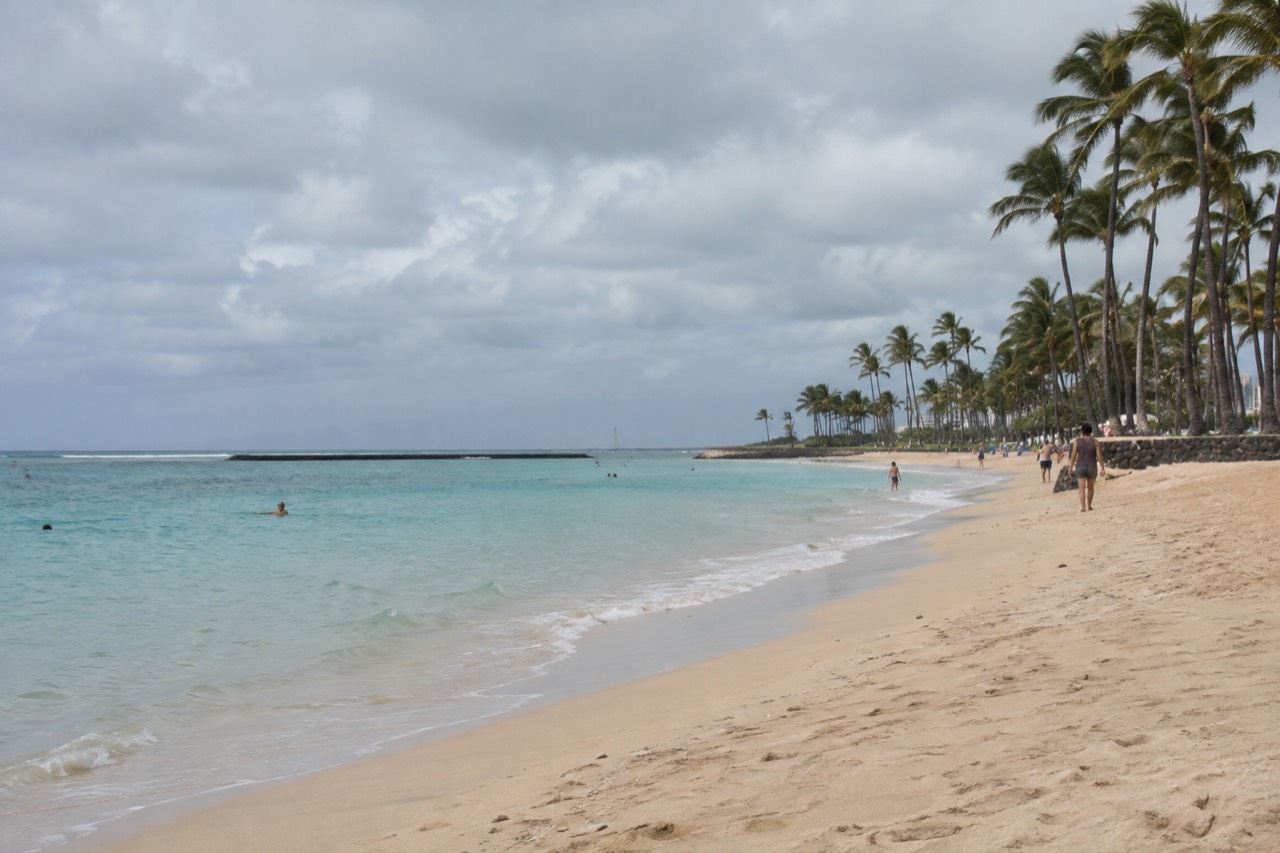
The cheapest thing to do in Oahu costs nothing. Waikīkī Beach, Kailua Beach Park, Waimānalo Beach and the Mānoa Falls trail are all free to enter, and TheBus will get you to most of them for a few dollars. If the question means the cheapest paid activity, the answer is Diamond Head State Monument: five dollars per non-resident, credit card only, reservation required.
That is the short version. The longer version is that Oahu splits into two price tiers that most first-time visitors never see coming, and the dividing line is not between tourist traps and local spots. It is between places the state or city runs, which are cheap or free, and places that sit on private land or run as commercial operations, which are not. Kualoa Ranch's valleys, for example, cannot be visited at all without a paid guided tour because the land is private. A beach next door costs nothing.
This page works through the numbers from the bottom up: what is genuinely free, what the cheapest paid entries cost, how little you can spend getting around, and when a multi-attraction pass stops being a gimmick and starts being the budget option. Every figure below comes from an official source or a live operator listing, and where a number is not confirmed, we say so rather than guess.
What Is The Cheapest Thing To Do In Oahu?
The cheapest thing to do in Oahu is free: the beaches and the non-ticketed hiking trails cost nothing to enter, and the cheapest paid activity is Diamond Head State Monument at five dollars per non-resident, plus ten dollars if you drive in and park. Hawaii residents enter free with state ID, entry is credit card only, and non-residents must book a reservation in advance, a rule in force since May 2022 with no on-site sales.
So the honest answer has two layers. The free layer is enormous and includes some of the island's best experiences: swimming at Kailua, watching turtles surface at Laniakea from a legal parking spot, walking the Mānoa Falls trail through rainforest, or simply setting up on the sand at Ala Moana Beach Park. None of that requires a ticket, a tour or a guide.
The paid layer starts lower than most people expect. Five dollars is less than a shave ice, and it buys a hike up the inside of a volcanic crater with a panorama over the south shore. Below that, the only things that cost money are the practical ones: getting there, parking, and eating.
The trap is the middle of the market. Oahu's famous paid experiences, luaus, helicopter flights, submarine dives, ranch tours, run from roughly a hundred dollars into the hundreds. Visitors who assume everything on the island is priced like that often overpay for things that have a free or near-free equivalent, and skip the cheap state-run entries because they assume anything worthwhile needs a booking platform. It does not. Our free things to do in Oahu guide lists the full set, and the rest of this page prices the floor of everything else.
What Can You Do On Oahu Completely Free?
Oahu's free tier covers its best beaches, its non-ticketed trails, and several of its lookouts and botanical gardens: Waikīkī Beach, Kailua Beach Park, Waimānalo Beach, the Mānoa Falls trail, Laniakea Beach, Hoʻomaluhia Botanical Garden and Ala Moana Beach Park all cost nothing to enter. The catch is rarely the entry fee, it is parking and access, which is where a free morning can quietly acquire costs.
Beaches are the obvious one and they are genuinely the island's headline attraction. The sand and the water at Waikīkī are public, and the city beach parks along the south and windward coasts have showers, restrooms and lifeguards. What you save on entry you can spend on a rental umbrella or a plate lunch, but nothing forces you to.
Trails are the second free tier, with one caveat worth knowing. The Mānoa Falls trail itself is free, but the practical parking next to it is a private lot that charges by the vehicle, and the widely repeated figure for that lot is not one we can confirm, so budget for parking rather than assuming free. Arriving by bus sidesteps the question entirely.
The third free tier is the set of lookouts and gardens run by the city and state. Hoʻomaluhia Botanical Garden in Kāneʻohe is the standout, a rainforest garden against the Koʻolau mountains where the cost of a visit is the fare to get there. One caution that matters as of this writing: Nuʻuanu Pali Lookout and Kaʻena Point State Park are both closed for storm repairs following the September 2026 hurricane damage, per the DLNR notices, so neither belongs on a free-itinerary list right now.
| Free activity | What it is | The real cost |
|---|---|---|
| Waikīkī Beach | Public sand and calm water along the main resort strip | Optional gear rentals along the boardwalk |
| Kailua Beach Park | Windward sand with a public lot, lifeguards, facilities | Parking lot fills early on weekends |
| Mānoa Falls trail | Rainforest hike to a waterfall, trail itself free | Private lot next to the trailhead charges for parking |
| Hoʻomaluhia Botanical Garden | City-run rainforest garden in Kāneʻohe | Getting there without a car takes some planning |
| Laniakea Beach | Shoreline where honu often feed in the shallows | Park only in designated areas; the roadside arrangement keeps changing with a highway project |
| Ala Moana Beach Park | Calm, protected swimming a short walk from Waikīkī | Free parking is limited and contested |
One cultural note that costs nothing and is worth more than any of the above: the honu, the green sea turtles, are protected, and ten feet is the recommended viewing distance. Watching one surface from the sand at Laniakea is free. Chasing one for a photo is both rude and, in the legal sense of harassment, against the law.
What Is The Cheapest Paid Attraction On Oahu?
Diamond Head State Monument is the cheapest paid attraction on Oahu at five dollars per non-resident, charged per person and separately from the ten-dollar non-resident parking fee, with children three and under free and Hawaii residents entering free with ID. Payment is credit card only, and non-residents must hold a reservation covering both entry and parking before arriving, because the monument sells nothing at the gate.
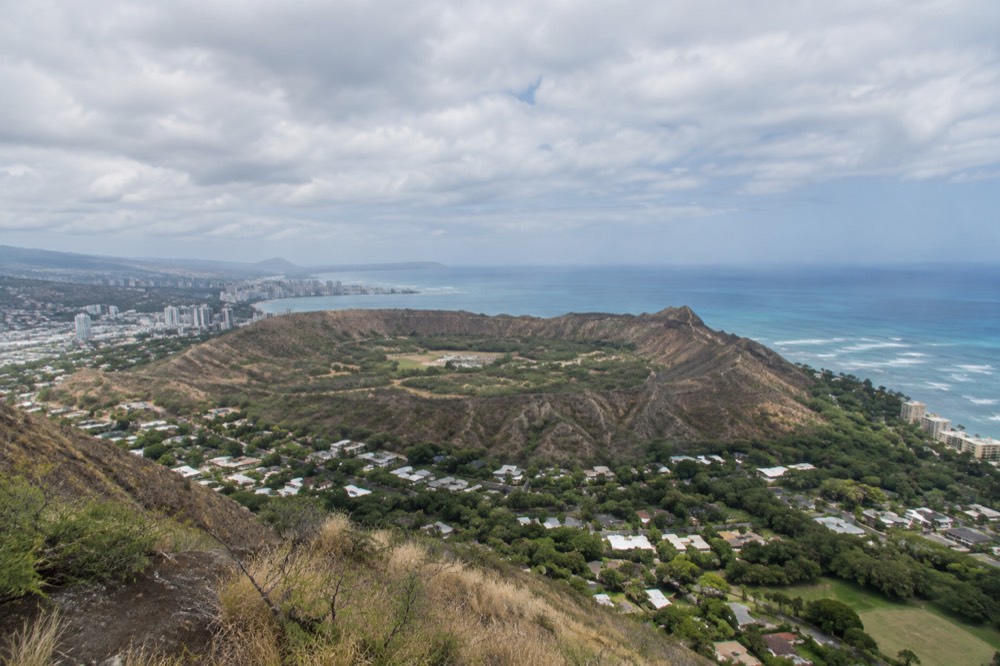
Five dollars is the floor of Oahu's paid tier, and it buys one of the island's defining views. The trail climbs the inside of Lēʻahi, the crater signposted as Diamond Head, and ends at a lookout over the south shore and Waikīkī. The monument is open daily from 6 a.m. to 6 p.m., with the last reservation at 4 p.m. and last entry at 4:30 p.m., closed only Christmas and New Year's.
The reservation rule trips up a lot of visitors because a large share of competing content predates it. Since 12 May 2022, non-residents cannot simply turn up and pay. You book ahead, up to thirty days out per the state parks FAQ, and the reservation covers entry and, if you drive, the parking slot as well. Residents skip all of it with a Hawaii driver's licence or state ID.
For comparison, the next rung up the paid ladder is Hanauma Bay at twenty-five dollars per non-resident plus an online service fee, closed Mondays and Tuesdays, with reservations opening two days ahead at 7 a.m. HST. Waimea Valley charges twenty-six dollars for an adult. So the jump from the cheapest paid attraction to the second cheapest is small, and everything above that climbs fast. Our Diamond Head State Monument guide covers the hike itself in detail.
If the reservation system or the early start puts you off, a shuttle-and-ticket tour handles both, and the price of the entry is inside the tour price. Whether that is cheaper than doing it yourself depends on whether you were going to spend on transport anyway.
How Cheap Is Getting Around Oahu Without A Rental Car?
A single ride on TheBus costs $3.25 in cash with no transfers, but a HOLO card caps a full day of unlimited bus and Skyline rail travel at $7.50, with a monthly cap at $90, and a child five and under rides free with a paying adult. Skyline now reaches the airport station, but there is no station in Waikīkī, so a transfer is always required to reach the resort strip by rail.
This is the part of the budget that decides whether a free day out is actually free. The bus system on Oahu is good, extensive and flat-fared, and the HOLO card's daily cap means a day of hopping between beaches costs less than a single cocktail on Kalākaua Avenue. The card itself costs two dollars to buy, then you load it. The wider set of guides lives on Oahu Travel Guide.
The structure, straight from the city's transit fares page: a two-hour pass with transfers is $3.00, cheaper than the $3.25 cash single because cash buys no transfers. The 24-hour pass is $7.50, the three-day pass is $20, the seven-day pass is $45, and the monthly cap sits at $90. TheBus and Skyline share the same fare structure, so a tap works on both.
| Fare | Price | What it covers |
|---|---|---|
| Adult cash single ride | $3.25 | One TheBus ride, no transfers, exact fare |
| HOLO 2-hour pass | $3.00 | Two hours of unlimited transfers on bus and rail |
| 24-hour pass / daily cap | $7.50 | A full day, charged as a cap not a flat buy |
| 7-day pass | $45.00 | 168 hours from first tap |
| Monthly cap | $90.00 | The most a rider pays in a month |
| Child 5 and under | Free | With a paying adult, not occupying a seat |
The practical wrinkle is geography. Skyline, the elevated rail line, runs from the airport side of the city with a station at Hālawa serving the Pearl Harbor memorial, but the line does not touch Waikīkī, so a rail journey from the airport ends with a bus transfer on the W line. For most visitors staying in Waikīkī, the plain bus is the simpler tool, and the do you need a car on Oahu question has a more nuanced answer than the fares alone suggest. The TheBus on Oahu guide maps the routes worth knowing.
Where Does Weather Change The Cheap-Oahu Math?
Oahu's weather barely changes the cheap-day math, because the island's annual temperature swing is small and its rainfall is wildly localised: Honolulu airport records 16.41 inches of rain a year while Mānoa, five miles inland, records 150.96 inches, so a wet morning in the rainforest often coincides with dry sand in Waikīkī. The budget move is not cancelling a free day, it is moving it to the other side of the island.
This is the single most useful piece of planning data on the island and almost no guide carries it. The contrast comes from the NOAA 1991 to 2020 climate normals: the leeward south shore where the airport and Waikīkī sit is one of the driest places in Hawaii, while the windward valleys a few miles away are among the wettest. Every single month at the Lyon Arboretum station in Mānoa is wetter than the airport's wettest month.
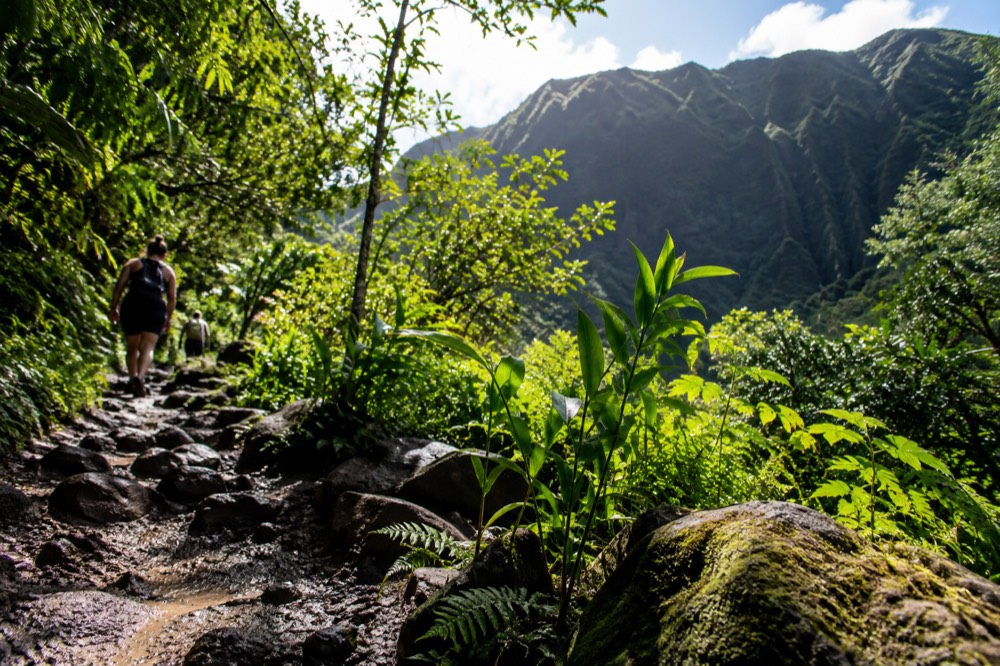
What that means for a budget is simple. A rainy forecast does not mean a wasted day, it means the free outdoor plan should slide from the windward side to the leeward side, or vice versa. Kailua and Lānīkai sit windward and cloud up first. Waikīkī, Ala Moana and the leeward coast hold sun longer. The bus fare to switch sides costs less than the parking you were going to pay anyway.
The other weather fact that helps: day length on Oahu varies by only about two hours and thirty-five minutes across the year, and sunset never gets later than about 7:17 p.m. There are no long summer evenings here, so a cheap day does not stretch for free. Plan the outdoor things for morning, when the trade winds are gentler and the beaches are emptier, and let the afternoon handle the eating and the resting.
When Is An Attraction Pass Actually The Cheapest Option?
An attraction pass becomes the cheapest option when your plan stacks three or more paid entries into a short window, because one pass covers more than forty Oahu attractions for a single price. Below that threshold it costs more than paying as you go. The honest budget answer for most visitors is a mix: free mornings, one paid anchor per day, and a pass only on the activity-heavy days.
The pass in question is the Go City Oahu All-Inclusive Pass, and naming it matters because an unnamed "attraction pass" is useless to a reader trying to price a trip. It is a product, not a booking platform, and it sits in exactly the same category as any named operator on this site. Whether it is cheap depends entirely on your day plan, which is why it belongs in a conversation about the cheapest thing to do rather than in a list of premium upgrades.
The mental model: Oahu's paid attractions cluster between roughly fifty and two hundred dollars each. A pass amortises that into a flat rate, so a slow plan of one paid thing a day loses money on it, while a compressed plan of a zipline, a luau and a submarine ride inside the same window can come out well ahead. Families with teenagers stacking adventures tend to win; couples planning beach mornings tend not to.
The same logic applies to the hop-on hop-off trolley, which is priced as a day pass rather than a per-ride fare, and to shuttle-plus-ticket bundles for Diamond Head. Each of these is a bet that you will use it enough times to beat the individual prices, and each is cheaper than its alternative only under specific conditions. Our Oahu on a budget guide runs the full trip-level arithmetic.
Before you buy any pass, price your actual plan line by line against the individual tickets. A pass bought for a vague intention to "do a lot" is the single most common way a budget Oahu trip quietly stops being one, and the arithmetic takes ten minutes with the operator listings open in another tab.
Common Questions About The Cheapest Things To Do In Oahu
Most questions about cheap things to do on Oahu come down to three things: what is genuinely free, what the cheapest paid entries cost, and how little you can spend on transport. The free tier covers the beaches and the non-ticketed trails, the paid floor is the five-dollar Diamond Head entry, and the transit system caps a full day of bus and rail travel at $7.50 on a HOLO card.
What is the cheapest thing to do in Oahu?
The cheapest thing to do in Oahu is free: the public beaches, the non-ticketed trails and the city botanical gardens all cost nothing to enter. If you want the cheapest paid activity, Diamond Head State Monument charges non-residents five dollars per person, credit card only, with a mandatory advance reservation.
Is Diamond Head really only five dollars?
Yes, five dollars per non-resident, and separately ten dollars per non-resident vehicle if you drive in and park inside the crater. Hawaii residents enter free with a Hawaii ID, children three and under are free, and the monument takes credit cards only. Non-residents need a reservation booked in advance; there are no on-site sales.
Can you do Oahu without spending money on attractions?
You can. Between Waikīkī, Kailua, Waimānalo and Ala Moana on the beach side, and the Mānoa Falls trail and Hoʻomaluhia Botanical Garden on the green side, several full days on Oahu can be built entirely from free entries. The costs that remain are food and getting around, and the bus system caps a day of travel at $7.50 on a HOLO card.
Is Hanauma Bay cheap?
Not by Oahu state-park standards. Hanauma Bay charges non-residents twenty-five dollars plus a 2.35% online service fee, and it is closed Mondays and Tuesdays. Hawaii residents enter free without a reservation, and children twelve and under are free. Reservations open two days ahead at 7 a.m. HST.
Are the free hikes on Oahu actually free?
The trails are, but the trailhead sometimes is not. The Mānoa Falls trail charges no entry fee, yet the practical parking next to it is a private lot that charges per vehicle, and the commonly quoted price for that lot is not officially confirmed, so treat parking as a real cost. Arriving by bus avoids it.
Is the trolley a cheap way to get around?
The hop-on hop-off trolley is priced as a sightseeing product rather than a commuter fare, so it is cheaper than a bus pass only if you value the routing and the commentary. For pure transport, TheBus with its $7.50 daily HOLO cap costs less and reaches more of the island.
The cheapest day on Oahu, assembled from the pieces above, looks something like this: a morning swim at a free beach, a bus tap or two, an afternoon hike up Lēʻahi for five dollars, and dinner from a food truck or a plate lunch counter. Under fifteen dollars a person, before you eat, and none of it feels like a compromise version of the island.