What Is The Best Mexican Restaurant On Oahu?
An honest, sourced answer to which Mexican restaurant is the best on Oahu, why no single winner can be crowned from the data, and how to find the strongest tacos outside Waikiki.
What Is The Best Mexican Restaurant On Oahu?
No single Mexican restaurant on Oahu can honestly be crowned the island's best from published data, because no verified ranking of Oahu's Mexican kitchens exists anywhere in this site's research. What the evidence does support is narrower but more useful: the strongest Mexican cooking tends to sit outside Waikīkī, in the neighbourhoods where residents actually eat, and the reliable way to find it is to judge each candidate on its tortillas, its salsa and the composition of its crowd rather than on one review score.
That answer will disappoint anyone hoping for a name and a map pin. It is still the truthful one, and this site's whole premise, laid out on the Oahu Travel Guide homepage, is that a direct answer beats a confident invention. A restaurant recommendation is a factual claim. Naming a winner requires evidence: consistent ratings across a large review base, a stable menu, and some reason to believe the food is what the reviews say. None of the widely repeated "best Mexican on Oahu" lists publish their method, and several of them are thinly rewritten versions of each other.
So this page does something different. It explains why the crown cannot be awarded honestly, then gives you the tools to award it yourself on the day you are standing on a sidewalk in Honolulu smelling something good. That process takes about ten minutes per candidate and it works. It costs nothing, it requires no app, and unlike a published list it cannot go stale between the day it was written and the day you land.
Why Can No Single Winner Be Crowned?
Every "best Mexican restaurant on Oahu" list you will find online is an opinion without a published method, and most recycle the same handful of names without saying who ate there, when, or against what standard. Review scores cannot settle the question either, because a small kitchen with two hundred reviews and a big one with five thousand are not comparable numbers.
Think about what a real ranking would require. Someone would need to eat at every serious Mexican kitchen on the island, which means everywhere from Downtown Honolulu to Kailua to Wahiawā, under the same standard, within the same few months. Menus change. Cooks move. A taqueria that was excellent in spring can be ordinary by autumn if one person leaves the kitchen. No publication on the island does that work, and the aggregate review platforms do not either, because their scores mix a dinner visit with a takeaway order with someone angry about parking.
There is also a scale problem. Oʻahu took 5,679,047 visitors by air in 2025, preliminary figures from Hawaii DBEDT show, and a large share of them eat most of their meals within a few blocks of their hotel. That concentration distorts every review platform: restaurants near Waikīkī accumulate enormous review counts from people eating one meal on the island, while a kitchen in, say, Waipahu lives or dies on the opinion of people who eat there weekly. Which pool would you trust to know whether the carnitas are good?
The practical consequence is simple. Treat any list that names one winner as entertainment, not guidance. Treat your own eyes, nose and one ordered plate as the actual instrument of measurement.
Where Should You Look For Great Mexican Food On Oahu?
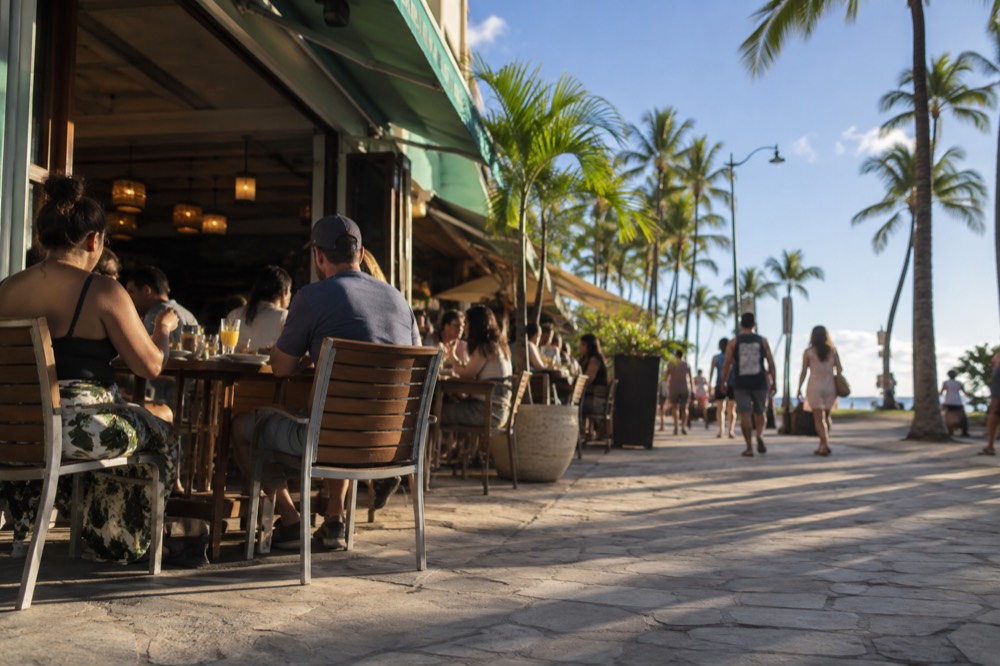
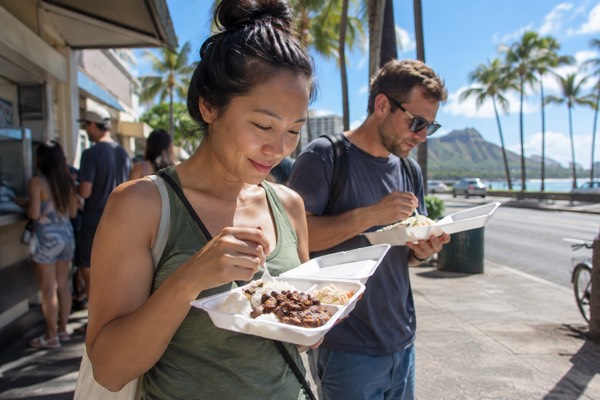
Start outside Waikīkī. The neighbourhoods with the strongest food reputations are Chinatown and Downtown Honolulu, where working lunches keep kitchens honest, and the residential stretches of Kailua, Kāneʻohe and the leeward side, where a Mexican kitchen survives only if families come back weekly. Waikīkī has competent Mexican food, but its customers mostly eat there once, and a kitchen never has to see any of them again.
Looking for a place to stay near those neighbourhood kitchens? Book a hotel in Oahu here.
The logic is not snobbery, it is incentives. A taqueria whose customers are regulars cannot survive an off week, because regulars notice immediately and simply stop coming. A restaurant whose customers are one-time visitors can coast for years on location and a good photo of a margarita glass. This is true of every cuisine on every tourist island on earth, and Oʻahu is no exception.
| Area on Oʻahu | What to expect | Why it matters for food quality |
|---|---|---|
| Waikīkī | Convenient, pricier, tourist-heavy review pool | High volume, low repeat business; a kitchen can survive on location alone |
| Downtown Honolulu and Chinatown | Weekday lunch crowds, working kitchens | Restaurants live or die on regulars who eat there weekly |
| Kailua and Kāneʻohe | Residential windward towns, fewer visitors | Survival depends entirely on local repeat customers |
| Leeward side (Waiʻanae, ʻEwa, Kapolei) | Where many residents actually live and eat | Little visitor traffic means reviews come almost entirely from locals |
| North Shore (Haleʻiwa) | Small kitchens, seasonal crowds | Mixed pool; judge each on the day |
Two of those rows deserve a walk. Chinatown Honolulu is the island's densest concentration of small, cheap, serious food operations of every kind, and Downtown Honolulu around it adds the weekday lunch trade that keeps prices honest and turnover fast. A Mexican kitchen in that grid is being tested by thousands of office workers every week, which is the closest thing Oʻahu has to a quality-control mechanism. If you have a spare afternoon, walk the grid yourself before you commit to any single kitchen, and note which doorways smell like lunch.
How Do You Judge A Mexican Restaurant On Oahu?
Judge a Mexican kitchen on five things you can verify from the sidewalk and the first plate: whether the tortillas are fresh, whether the salsa has character, whether the menu is short, whether the customers look local, and whether the kitchen cooks to order. Any Oahu restaurant that passes all five is serving better Mexican food than most named winners on the recycled lists, and you will have found it yourself rather than taken a stranger's word.
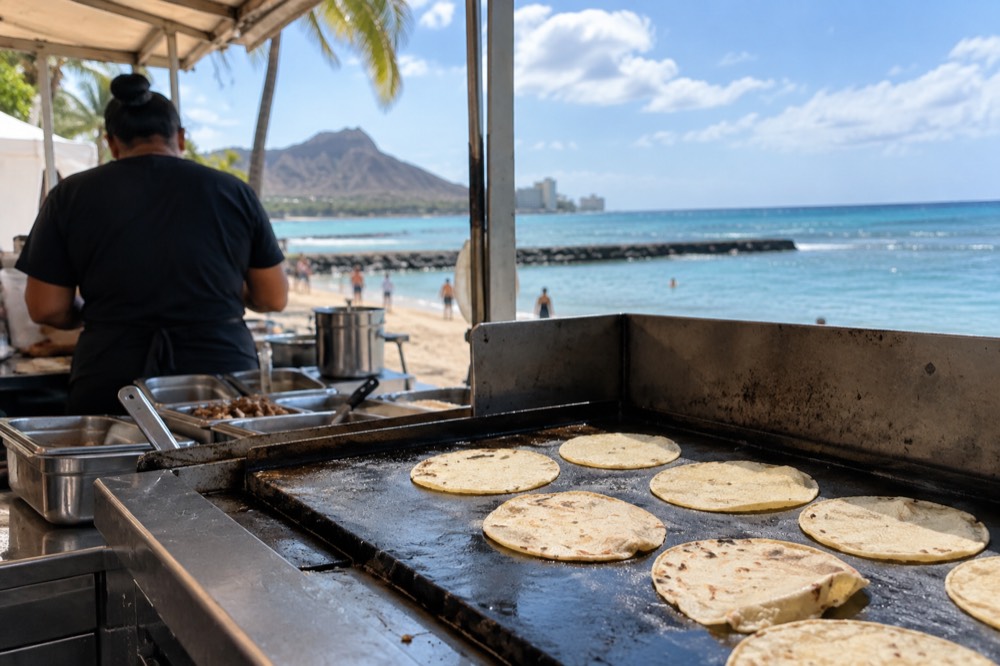
Each test takes seconds. Fresh tortillas smell like toasted corn and arrive warm; mass-produced ones arrive limp and taste of nothing. Salsa should have actual flavour, heat, acidity, salt, something, not just tomato texture. A short menu means the kitchen buys few ingredients and turns them over fast, which is the single best predictor of freshness in any cuisine. A dining room full of Hawaii residents at one in the afternoon is worth more than any star rating. And food cooked after you order it, rather than ladled from a steam tray, is the difference between a restaurant and a cafeteria.
| Test | What good looks like | What bad looks like |
|---|---|---|
| Tortillas | Warm, soft, smell of toasted corn | Limp, cool, from a supermarket pack |
| Salsa | Distinct flavour, some heat or acidity | Flat tomato paste, no character |
| Menu length | Short, a dozen things done well | Pages of everything, nothing fresh |
| Crowd | Locals at lunchtime, workers, families | Almost entirely one-time visitors |
| Cooking | Made to order, visible kitchen activity | Steam trays, pre-cooked protein |
One more signal, specific to this island: check whether the kitchen makes its own salsa fresca daily and whether it offers al pastor from a proper trompo, the vertical spit. Neither is guaranteed anywhere, but on Oʻahu the kitchens that bother with a trompo are almost always the ones that bothered with everything else too. Ask. Cooks are generally delighted that someone noticed.
Can A Food Tour Help You Find The Best Mexican Food?
Yes, indirectly. A guided food tour will not crown a best Mexican restaurant, but it solves the harder problem behind the question, which is knowing which neighbourhoods and which kind of kitchen to trust when you have limited time. A good guide eats locally, knows which blocks reward a detour and which do not, and turns an evening of guesswork into a structured tasting walk, which is worth more to a short-stay visitor than any list.
The tour this site carries in that space is the Off The Beaten Path Food Tour, a three-hour guided walk through the Honolulu neighbourhoods where residents actually eat, run by Hawaii Free Tours. It is rated highly by a large review base, and its whole premise, off the beaten path, is the same argument this page has been making: the food worth finding sits away from the hotel blocks. You can read the full write-up on the Off The Beaten Path food tour page, or Check availability if the dates line up with your trip.
A tour is also a calibration exercise. Eat what the guide serves, note what makes it good, and you now carry a working standard you can apply to any Mexican kitchen you walk past for the rest of the trip. That standard travels better than a name, because names close and move and change cooks, while the ability to recognise a fresh tortilla never expires.
What Should You Order To Test A Mexican Kitchen?
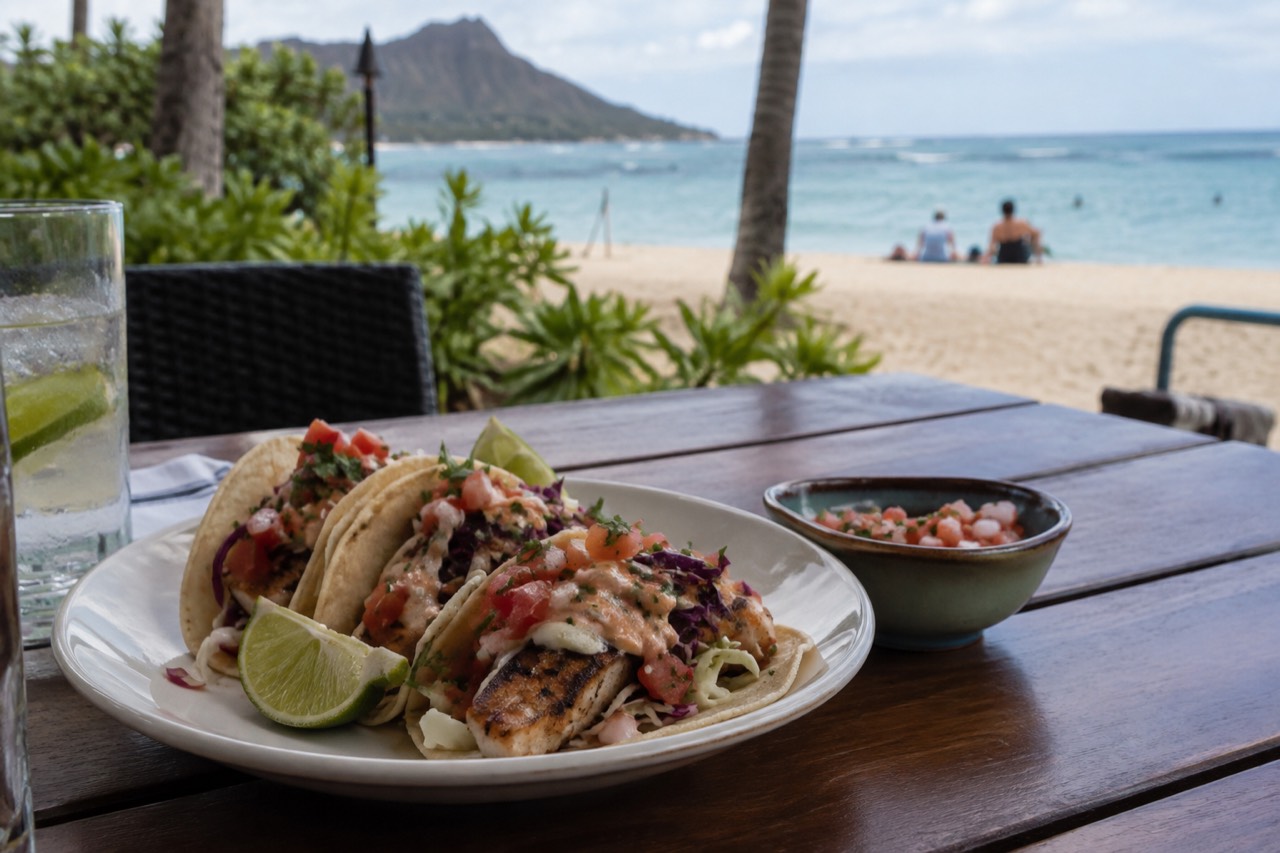
Order one taco plate and watch what arrives. A kitchen that hands you a warm corn tortilla, a scoop of meat cut to order, a bowl of salsa with real flavour and a wedge of lime has told you everything a review score cannot.
If you want a second data point, order the carnitas, because slow-cooked pork that sits in a steam tray all day is obvious, while carnitas served crisp at the edges came out of the pot recently.
| Order | What it tests | The pass mark |
|---|---|---|
| One al pastor taco | Whether the kitchen runs a real spit and makes its own marinade | Pineapple char, moist meat, warm tortilla |
| Carnitas plate | Whether protein is cooked fresh or held in trays | Crisp edges, seasoned through, not steamed grey |
| Salsa fresca | Daily prep discipline | Bright, made today, some heat |
| Horchata or agua fresca | Whether the house makes drinks or opens cartons | Not from a commercial carton |
Keep the first order small. The point of the test plate is information, not a meal, and a taco costs a fraction of a combination platter. If the first plate passes, order the rest of the meal on the spot; if it fails, you have spent very little learning that this kitchen is not your answer, and the next candidate is probably a few blocks away.
One Oahu-specific note: portions on this island run large across the board, and Mexican kitchens here are no exception. Two people can often test three items and still not finish. Order less than you think you want, then reorder if the kitchen earns it.
Should You Hunt For Mexican Food While Touring The Island?
Yes, and it is the most efficient way to run the test. A circle-island day puts you through Haleʻiwa, the windward coast and the leeward side in a single loop, and each stretch carries small kitchens you would never find from a Waikīkī base. Build the day around a booked tour with a lunch stop in a real town, then apply the sidewalk tests from this page to whatever you find near the stop.
The two tours this site carries for that shape of day are the Grand Circle Island Tour, a long-running half or full day loop that reaches Haleʻiwa town on the North Shore, and the Hidden Gems Circle Island Tour with Byodo-In Temple, a fuller nine-hour version that adds the temple at Kāneʻohe. Both are among the most-reviewed products on the island, and both put you in towns where a lunch stop is a real decision rather than a captive one. Details for each are on the Grand Circle Island tour and Hidden Gems circle island tour pages.
The honest caveat: a tour stops where the tour stops. You cannot chase a specific kitchen from a coach seat. What a circle-island day gives you instead is exposure, a fast pass through four or five towns so that on a later day, with a rental car or TheBus, you know exactly which stretch of coast smelled like lunch worth returning for. Plenty of visitors treat the circle-island day as a sightseeing trip and eat whatever is nearest at the stop; you will be doing the same drive but eating with a purpose.
Common Questions About The Best Mexican Restaurant On Oahu
Most questions about finding the best Mexican food on Oahu come down to three things: where to look, how to judge a kitchen without a trustworthy ranking, and whether Waikīkī is a waste of time. The short answers are outside Waikīkī, judge on tortillas, salsa, menu length and the local share of the crowd, and no, Waikīkī has competent options but weaker incentives.
The questions below cover the details, including the verbatim question this page was built to answer.
What is the best Mexican restaurant on Oahu?
There is no single verified answer. No published ranking of Oahu's Mexican restaurants uses a stated, repeatable method, and review scores compare kitchens with wildly different customer bases. The honest method is to look outside Waikīkī, in Chinatown, Downtown, the windward towns and the leeward side, and judge each candidate on fresh tortillas, real salsa, a short menu, a local crowd and food cooked to order.
Does Waikīkī have good Mexican food?
Waikīkī has competent Mexican kitchens, but the district's economics reward location over cooking: most customers eat there exactly once. Kitchens outside the hotel zone, serving residents who return weekly, face stronger pressure to be genuinely good. If you are staying in Waikīkī and do not want to travel, use the five sidewalk tests on this page rather than review counts.
Is Mexican food on Oahu authentic?
"Authentic" is a word this site avoids, because nobody can verify it and it flattens a real cuisine into a costume. The useful question is whether the kitchen makes its own tortillas, salsas and marinades and cooks to order. Plenty of kitchens on Oahu clear that bar, and plenty do not, and the plate in front of you answers the question faster than any label.
How much does Mexican food cost on Oahu?
This site does not print unsourced prices, and no verified price survey of Oahu's Mexican kitchens exists in its research. As a general rule for the island, casual counter service runs cheaper than table service everywhere, and portions run large, so ordering one test plate first and reordering works in your favour at any price point.
Can a food tour find the best Mexican restaurant for me?
Not by name, but it solves the underlying problem. A guided food tour through the neighbourhoods where locals eat, such as the Off The Beaten Path Food Tour in Honolulu, shows you which blocks reward a detour and calibrates your own standard for what good looks like, which you can then apply to any Mexican kitchen you encounter.
Where do locals eat Mexican food on Oahu?
Residents eat where the incentives are honest: Chinatown and Downtown at lunchtime, and the residential towns across the island, Kailua, Kāneʻohe, the leeward side and the North Shore, where a kitchen survives only on repeat customers. A dining room full of Hawaii residents at midday is the single strongest quality signal available on the sidewalk.
The Honest Bottom Line
The best Mexican restaurant on Oahu is the one that passes five tests on the day you are standing in front of it: warm tortillas, salsa with character, a short menu, a local crowd and food cooked to order. No published list can hand you that answer, because no list did the work, and any site that names one winner without a method is selling confidence it does not have.
That is a less tidy conclusion than a name and an address, but it has one advantage the tidy version lacks: it is true on the day you use it. Restaurants change, lists go stale within months of publication, and a kitchen that was the island's best last spring may have a new owner by your trip. The five tests do not go stale, and neither does the instinct to eat where the regulars eat. Bring both to Oʻahu, order one small plate first, and you will eat better Mexican food than most visitors on the island ever find.