How Much Does It Cost To Go To Urgent Care On Oahu?
A direct, sourced answer on how much it costs to go to urgent care on Oahu, what changes the bill, and how to reach a clinic without a car.

Oʻahu took 5,679,047 visitors by air in 2025, and a share of them will twist an ankle on the Mānoa Falls trail, catch a box jellyfish sting, or wake up with an ear infection. The question that follows is almost always the same one, asked out loud: how much does it cost to go to urgent care on Oahu? The honest answer is that there is no island-wide price list. Every clinic sets its own visit fee, your insurance status changes what you actually pay, and the number you find online for a mainland clinic tells you nothing about a Waikīkī walk-in.
What we can do is give you the structure of the bill, tell you exactly what to ask and when, and show you how to get to a clinic without a rental car, which is the part of the equation most visitors forget until they are standing on a sidewalk holding their wrist. This page is written by the Oahu Travel Guide desk, and every figure we print is one we can source; where a number depends on the individual clinic, we say so rather than invent a figure.
How Much Does It Cost To Go To Urgent Care On Oahu?
There is no single urgent care price on Oahu. Each clinic sets its own visit fee, and what you pay depends on whether you have insurance, what that insurance covers away from home, and whether the visit involves X-rays, stitches, or prescriptions. The one reliable rule is to ask the front desk for the self-pay rate before you register, because that number is set by the clinic and they will tell you it directly.
That is not a dodge. It is the actual state of things. Walk-in clinics in and around Waikīkī, in Kailua, in Kāneʻohe and on the North Shore are private businesses or hospital-affiliated operations, and their published rates differ from each other. A basic visit, a visit that needs imaging, and a visit that ends with a specialist referral are three different invoices even inside the same clinic.
What we can tell you with confidence is the shape of the decision. Urgent care is for problems that need attention within a day or two but are not life threatening: a suspected sprain or fracture, a bad cut, a fever, a sunburn that blistered, an ear or urinary infection, a coral scrape that is going red. If the problem is chest pain, stroke symptoms, severe bleeding or difficulty breathing, that is an emergency department, and cost comparison should never delay that call. For everything in between, urgent care is the right door, and it is dramatically cheaper than an emergency room for the same problem in the overwhelming majority of American cases.
One more structural point worth knowing before the details: Hawaii's tax environment changed on 1 January 2026, when the Transient Accommodations Tax rose from 10.25% to 11.00% under Act 96. That has nothing to do with a clinic's bill, but it is part of the same "what will Oahu actually cost me" budget that a health scare lands in, and we cover it in our Oahu vacation cost breakdown.
What Determines The Price You Actually Pay?
Four things move the number on your urgent care invoice: the clinic's own base visit fee, your insurance status and network, what happens during the visit, and add-ons such as imaging, lab work or procedures. The base fee is fixed by the clinic; the rest is where two people with the same ankle injury can walk out having paid very different amounts. Ask for the self-pay price before treatment starts.
Insurance is the biggest variable. A domestic visitor whose plan has a national network may owe only a copay, or may owe the full visit fee if the clinic is out of network and the plan reimburses later. A visitor from outside the United States with travel insurance typically pays up front and claims it back, which makes the self-pay question even more important. A resident with local coverage is in a different situation again. None of these outcomes is predictable from a search result, which is why the front desk conversation matters more than any figure a website can print.
What happens during the visit is the second variable. A clinician looking at a sprain and sending you out with a compression wrap is one bill. The same sprain sent for an X-ray is a different bill. Stitches, splint removal, a rapid strep test, a prescription written against a formulary, each of these can attach its own charge, and the clinic can tell you which ones apply.
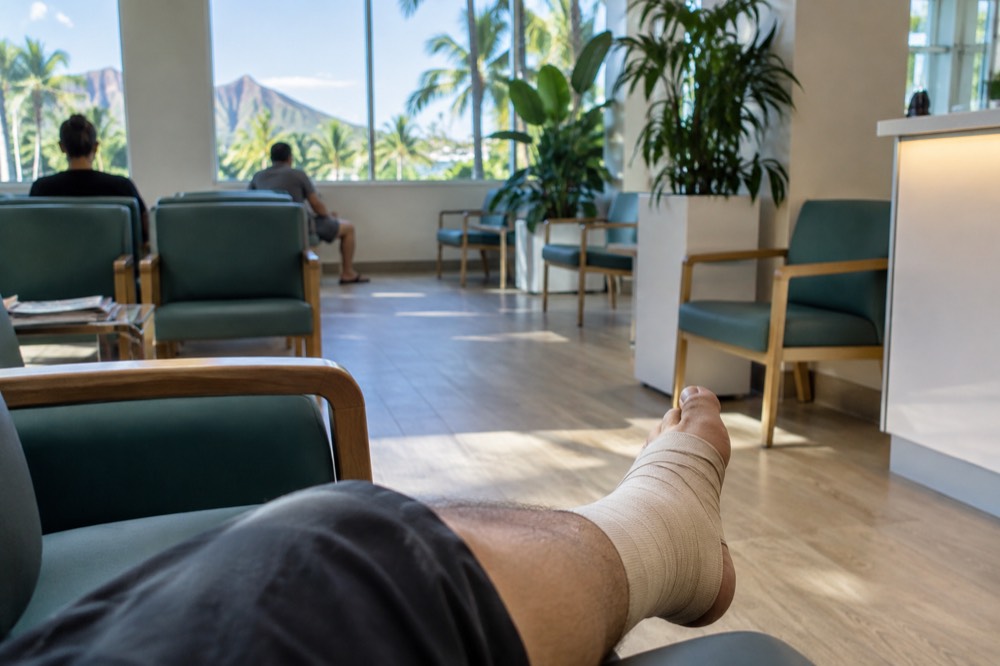
The third variable is simply which door you walk through. Here is the honest comparison, with no invented dollar figures, only what each option is and who sets its price:
| Care option | What it is for | Who sets the price | What to ask up front |
|---|---|---|---|
| Urgent care walk-in clinic | Same-day non-emergency problems | The clinic | The self-pay visit fee, and what triggers extra charges |
| Hospital emergency department | Life-threatening or severe symptoms | The hospital, plus facility and physician billing | Nothing, if it is an emergency; go |
| Retail clinic inside a pharmacy | Minor infections, minor skin problems | The operator | Whether they take your insurance at all |
| Telehealth visit from your hotel | Reassurance, prescriptions where appropriate | The telehealth provider | The per-visit fee before you connect |
One planning note that belongs here rather than anywhere else: if a minor injury costs you one paid activity, check the cancellation terms on everything you have already booked. Many Oahu tour products can be rebooked, and our Oahu travel safety guide covers which kinds of outings are worth rearranging rather than skipping when you are moving slowly for a few days.
Where Can You Get Urgent Care On Oahu?
Urgent care clinics on Oahu cluster where the people are: in and around Waikīkī, across urban Honolulu, in the Kailua and Kāneʻohe windward towns, around Kapolei on the west side, and in Haleʻiwa country on the North Shore. Waikīkī has walk-in options reachable on foot or a short bus ride from most hotels. Hours vary by clinic, so check the operator's own listing before you set out.
The practical geography matters more than the brand names. If you are staying in Waikīkī, you are in the best-served part of the island, and a clinic visit does not need to consume a whole day. If you are staying in Kailua or on the North Shore, the nearest clinic may be a real drive, which changes the calculus for something like a suspected fracture on a Sunday afternoon.
Two things to check before you go, and both take under five minutes. First, whether the clinic is currently open and taking walk-ins, since hours change and some locations take online check-ins that shorten your wait. Second, whether they bill your insurance directly or expect payment up front, because that single answer determines whether you need a card with room on it or just your policy number.
A note on ocean injuries specifically, because they are the most common reason a visitor ends up in a clinic here. Coral cuts, urchin spines, and stings are frequent on this island, and our Oahu ocean safety guide explains when a sting or scrape is a clinic matter and when it is not. Box jellyfish arrive on windward and south shores on a predictable monthly cycle, and the box jellyfish calendar for Oahu tells you which days carry the elevated risk.
Does Insurance Change The Bill?
Yes, and more than any other single factor. A clinic visit with in-network domestic coverage can cost you a small copay, while the identical visit paid in cash and claimed back through travel insurance later can run to several times that. Out-of-network domestic plans often mean you pay up front and submit for reimbursement yourself. Call the number on your card and ask about urgent care coverage outside your home state or country before you need it.
That call is worth making before your trip, not from the waiting room. Three questions cover it: does the plan cover urgent care visits anywhere in the United States, does it require you to use an in-network provider to be reimbursed, and does it want any documentation from the clinic, such as an itemised receipt or a diagnosis code. Write the answers in your phone notes. The five minutes it takes on your sofa at home is the cheapest medical planning you will ever do.
Visitors from abroad should add one more step: check whether your travel insurer has a 24-hour assistance line that can direct you to a clinic they work with. Some insurers have relationships with specific providers, and using them can mean the bill never touches your card at all. Others operate purely on reimbursement, in which case keep every receipt, take a photo of every page, and expect the claim to take weeks rather than days.
Hawaii residents, kamaʻāina, and military families have their own coverage paths, and this page is written primarily for the visitor. If you live here, your insurer's directory is the authoritative list of which clinics are in network, and it is more current than anything published in an article.
What Should You Do Before You Leave For Oahu?
Three preparations cover most of the risk: confirm your insurance covers urgent care in Hawaii and note what documentation it wants, pack a small first-aid kit so minor problems never become clinic visits, and know your transport plan for getting to a clinic without a car. None of these costs much, and together they turn a mid-trip medical surprise from a crisis into an errand.
The kit is the underrated one. Reef-safe sunscreen applied properly prevents the sunburn that becomes a blistered infection. Tweezers and antiseptic handle most splinters and small coral scrapes. Motion-sickness tablets prevent the misery that ends in dehydration. A blister kit prevents the limp that ends in an infected heel. Most clinic visits by visitors trace back to something a ten-dollar kit would have neutralised on the beach.
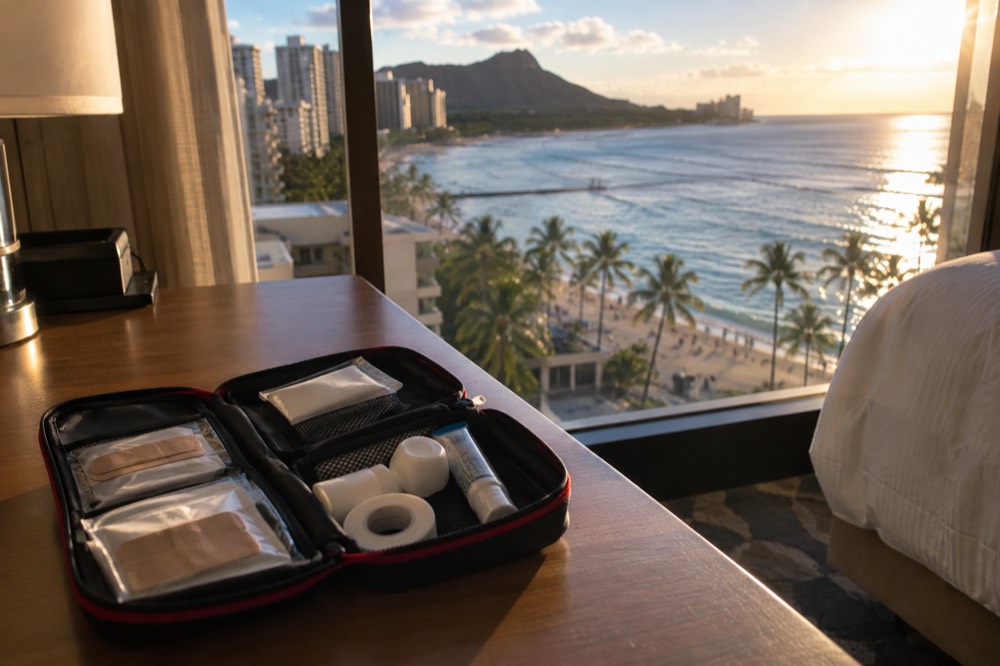
The transport plan matters because most Oahu visitors do not rent a car, and an injured person is exactly the person who should not be improvising a route. This is where the island's transit system is genuinely useful, and it is one of the most under-used facts in visitor planning:
| Fare | Price | Notes |
|---|---|---|
| Adult single ride, TheBus, cash | $3.25 | Exact fare, no transfers |
| HOLO card 2-hour pass | $3.00 | Includes transfers on TheBus and Skyline |
| 24-hour pass | $7.50 | Also the daily cap on a HOLO card |
| 3-day pass | $20.00 | 72 hours from first tap |
| 7-day pass | $45.00 | 168 hours from first tap |
| Monthly pass | $90.00 | Also the monthly cap |
| Child 5 and under | Free | With a paying rider, not occupying a seat |
Those fares come from the City & County of Honolulu's transit fares page, which states that TheBus and Skyline share one fare structure, and the practical consequence is simple: with a HOLO card, you never pay more than $7.50 in a day no matter how many rides a bad ankle requires. The card itself costs $2.00 and loads online at the official transit fares page.
How Do You Get To A Clinic Without A Car?
TheBus reaches every urgent care cluster on Oahu, a HOLO card caps your daily spend at $7.50, and Skyline connects the airport corridor to Downtown with bus transfers onward. From Waikīkī you are usually one bus away from a clinic; from Kailua or the North Shore you are on a longer but regular route. The one gap to know in advance is that Skyline has no Waikīkī station.
The daily cap is the detail that surprises people. If a clinic visit means three buses there, a pharmacy stop, and a slow ride back, that is still $7.50 total on a HOLO card, the same as the 24-hour pass. For a visitor with a strapped wrist, that is the difference between going to the clinic and hoping it heals.
For getting around the rest of your trip once you are mobile again, the hop-on hop-off trolley is the gentlest option, and it is one of the products we compare in the trio below. If you are recalculating your whole budget after an unexpected bill, our cost of a trip to Oahu guide is the page to read next.
If the injury cost you a hiking day, remember that Diamond Head requires a reservation for non-residents, booked up to 30 days ahead, with entry at $5 per person and $10 per vehicle for non-residents, credit card only. A tour that includes the ticket and transport removes the rebooking problem entirely.
Common Questions About Urgent Care Costs On Oahu
Most questions about urgent care costs on Oahu come down to three things: there is no island-wide price, so ask the clinic's self-pay rate before registering; insurance status moves the bill more than anything else, so confirm coverage before your trip; and transport is solved by TheBus with a $7.50 daily HOLO cap if you cannot drive. Emergency symptoms always belong in a hospital emergency department.
How much does it cost to go to urgent care on Oahu?
There is no single price. Each clinic sets its own visit fee, and what you pay depends on your insurance, the network status of the clinic, and whether the visit involves extras like X-rays or stitches. Ask the front desk for the self-pay rate before you register, and ask what triggers additional charges during the visit.
Is urgent care cheaper than the emergency room on Oahu?
For the same non-life-threatening problem, an urgent care visit is almost always the lower-cost option, and it is usually faster as well. But if symptoms suggest a heart attack, stroke, severe bleeding or difficulty breathing, go to the emergency department or call emergency services immediately. No cost comparison is worth a delay in that situation.
Will a US insurance plan cover urgent care in Hawaii?
Many national plans cover urgent care anywhere in the United States, but the copay, the network rules and the reimbursement paperwork vary by plan. Call the number on your card before your trip and ask specifically about urgent care coverage outside your home state, and whether the plan needs an itemised receipt for reimbursement.
Can I use travel insurance at an Oahu urgent care clinic?
Usually you pay up front and claim it back, so keep every receipt and photograph every page. Some travel insurers have assistance lines that direct you to clinics they work with, which can sometimes mean the bill is settled directly. Call your insurer's assistance number before choosing a clinic if you are unsure.
How do I get to an urgent care clinic without a rental car?
TheBus reaches every clinic cluster on the island, and a HOLO card caps your daily fare at $7.50 with transfers included. From Waikīkī, most clinics are one bus ride away. Skyline serves the airport and Downtown corridors, but there is no Waikīkī station, so from a Waikīkī hotel the bus is the direct route.
What should I do before my trip to prepare for a medical issue on Oahu?
Confirm your insurance covers urgent care in Hawaii and note the documentation it wants, pack a small first-aid kit for coral scrapes, blisters and sunburn, and save the transit information so you know how to reach a clinic without a car. Those three preparations cost very little and remove most of the stress from a mid-trip medical surprise.
A final word on perspective. The overwhelming majority of Oahu visits end without a clinic bill at all, and the injuries that do occur are usually the preventable kind: unreef-safe sunburn, coral walked on in cheap fins, blisters from new sandals on a hot hike. Prepare the kit, confirm the coverage, and enjoy the island; the clinic will still be there if you need it, and now you know exactly what to ask when you walk in.