Honolulu Zoo: What A Visit Actually Involves, From Cost To Timing
The Honolulu Zoo sits at the Diamond Head end of Waikīkī, inside Kapiʻolani Regional Park, and it is the easiest major family attraction on Oʻahu to reach without a car. This guide covers access, timing, cost and the honest case for and against spending part of a day there.
Short answer
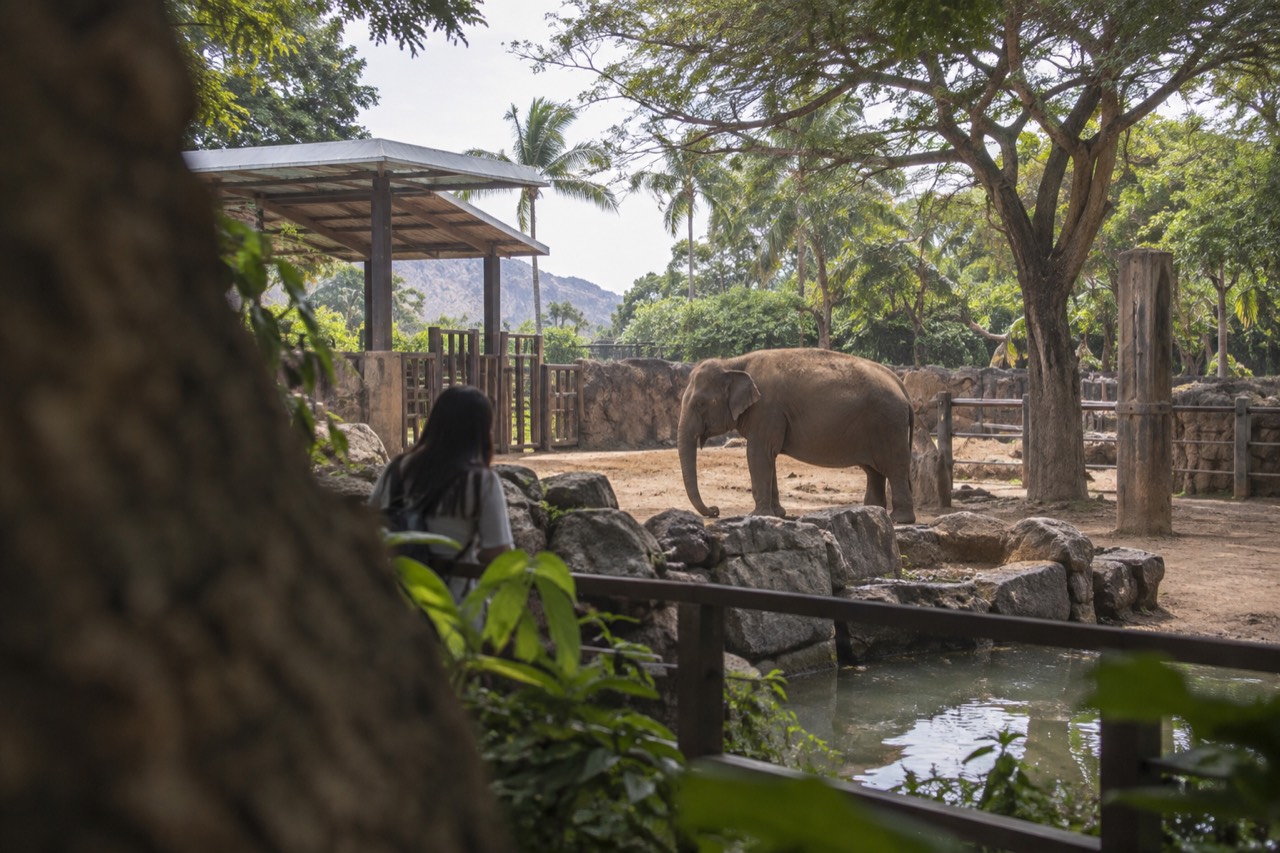
The Honolulu Zoo is a walkable mid-sized zoo at the edge of Waikīkī, reachable on foot from most hotels and by TheBus or the Waikīkī trolley. Admission is set by the zoo and should be checked on its official site before you go; a typical visit runs two to three hours, and it works best as a morning activity before the midday heat.
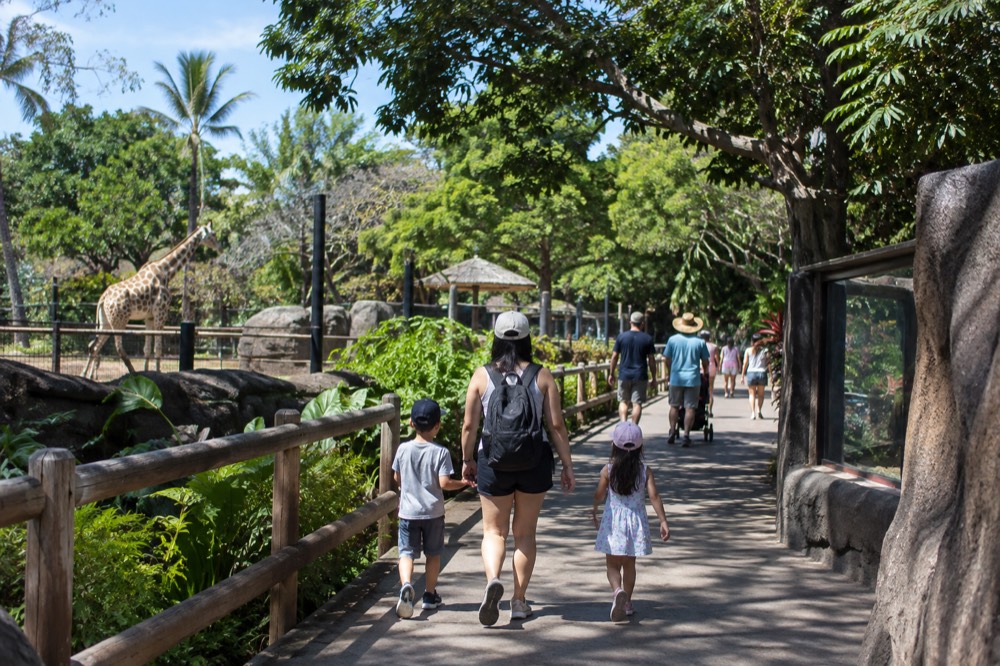
The Honolulu Zoo occupies a corner of Kapiʻolani Regional Park at the Diamond Head end of Waikīkī, which makes it one of the few major Oʻahu attractions you can genuinely walk to from your hotel. Most visitors staying anywhere along Kalākaua Avenue are within a pleasant stroll, and the zoo's location inside a park means the approach is through green space rather than a parking garage. That single fact shapes the whole visit: it is the rare island attraction that does not require a car, a tour bus or a reservation battle.
This guide from Oahu Travel Guide covers what a zoo visit actually involves: how to get there, what admission and timing look like, how long to budget, and whether it deserves a slot in a trip that also includes beaches, Pearl Harbor and the North Shore. Where a figure is not grounded in a verified source, we say so and point you to the official page rather than guessing.
What Is The Honolulu Zoo?
The Honolulu Zoo is a mid-sized municipal zoo set inside Kapiʻolani Regional Park at the eastern, Diamond Head end of Waikīkī, roughly a 42-acre site bordered by Kalākaua Avenue, Monsarrat Avenue and Kapahulu Avenue. It is owned and run by the City and County of Honolulu, not a private operator, and it sits directly across the park from the Waikīkī Aquarium. Its position makes it the most walkable major attraction on the island.
The scale matters more than first-time visitors expect. This is not a full-day, drive-between-zones zoo of the kind found on the mainland; it is a compact, mostly shaded collection of exhibits that a family with young children can cover comfortably in a morning. That compactness is the zoo's best asset on a hot day and its main limitation for visitors who want a marathon experience.
The zoo's placement inside a regional park also means the surrounding grounds are part of the visit in practice. Kapiʻolani Park has open lawn, banyan trees, the bandstand and, a short walk further, the beginning of the route toward Lēʻahi, the crater signposted as Diamond Head. Plenty of visitors combine the zoo in the morning with a park walk or an afternoon at the nearby beach without ever moving their car, because they never had one to move.
Where Is The Honolulu Zoo And How Do You Get There?
The zoo's main entrance faces Kalākaua Avenue at the Diamond Head end of Waikīkī, inside Kapiʻolani Regional Park, so most Waikīkī hotel guests can walk there in under half an hour along the beachfront. Visitors coming from outside Waikīkī arrive on TheBus, on the Waikīkī trolley, or by car using the lot on Kapahulu Avenue. Transit is cheap: a single adult bus ride is $3.25 cash or $3.00 on a HOLO card.
To stay within walking distance of the zoo, book a hotel room here.
Walking is genuinely the best option for most readers of this guide. The stretch of Kalākaua Avenue between the central Waikīkī hotels and the zoo runs past the beach, the park's banyan canopy and the Honolulu Zoo's own fence line, and it is flat the entire way. Coming from further afield, the practical choices are TheBus, the Skyline rail with a bus transfer, or the hop-on hop-off trolley, which has a stop pattern built around exactly this kind of attraction.
| Transport option | What it costs | What to know |
|---|---|---|
| On foot from Waikīkī | Free | Flat walk along Kalākaua Avenue; most central hotels are within reach |
| TheBus, adult cash fare | $3.25 | Exact fare, no transfers on a cash ticket |
| TheBus, HOLO card 2-Hour Pass | $3.00 | Includes unlimited transfers for two hours on bus and rail |
| HOLO 24-Hour Pass | $7.50 | Also the daily cap; nothing more is charged after it |
| Skyline rail | Same fares as TheBus | Reaches the airport and downtown; there is no Waikīkī station, so a bus transfer is required |
| Waikīkī trolley | Day pass, price on the operator's listing | Hop-on hop-off loop serving Waikīkī attractions including the zoo area |
Those fares come straight from the City and County of Honolulu's published transit fare structure, where TheBus and Skyline share one system: $3.25 cash, a $3.00 two-hour HOLO pass, and a hard daily cap of $7.50 after which the rest of the day's rides are free. A family of four arriving by bus and doing anything else transit-based that day will hit the cap quickly, which is worth knowing before you assume a taxi is cheaper.
If you are planning several paid attractions around the island rather than just the zoo, a pass or a loop tour can change the arithmetic, so it is worth comparing before you buy individual tickets.
The trolley deserves a specific mention for zoo visitors because the zoo is precisely the kind of stop the hop-on loop serves well: you ride out along Kalākaua Avenue, spend the morning at the zoo, and ride back or continue to another stop. For a longer view of the island beyond Waikīkī, the circle-island day tours cover the North Shore, the windward coast and Haleʻiwa in one guided loop, which pairs naturally with a zoo morning on a different day of the week.
How Much Does The Honolulu Zoo Cost?
Admission to the Honolulu Zoo is set by the City and County of Honolulu, and the current rates should be read off the zoo's official site before you plan, because we only publish figures verified against a primary source. What can be said with confidence is the structure: adults, children and kamaʻāina pay different rates, young children enter free, and parking in the zoo lot is charged separately from admission. Annual memberships exist for residents.
The reason we handle pricing this way deserves a sentence of explanation. Zoo admission rates on Oʻahu have changed repeatedly over recent years, and a large amount of competing content still quotes retired prices. Rather than add another stale number to the internet, we point you at the official Honolulu Zoo page, which carries the live rate card, and note the structural facts that do not move: separate child pricing, a resident discount, and a parking fee that is not included in your ticket.
Two cost angles are worth thinking about before you buy. First, if the zoo is one of several paid attractions on your trip, a multi-attraction pass can undercut buying every ticket individually, and the zoo is exactly the sort of mainstream family stop those passes are built around. Second, if you are arriving by bus or on foot, you skip the parking charge entirely, which quietly changes the per-family cost of the morning.
The pass question is a genuine one for families. A zoo morning, an aquarium afternoon across the park, and a luau or a lookout tour later in the week is a common Oʻahu pattern, and buying those experiences one at a time is not always the cheapest route. Check the pass's current inclusion list on the operator's live listing before committing, because what a pass covers changes, and the zoo's participation should be confirmed rather than assumed.
How Long Should You Spend At The Honolulu Zoo, And When Should You Go?
Two to three hours is the realistic budget for a Honolulu Zoo visit, longer with small children or a lunch stop, and mornings are the better window on almost every count: animals are more active before the midday heat, the shaded paths are cooler, and Waikīkī's afternoon crowds thin out the experience in reverse. Check the official site for the current schedule before you set out.
The morning advice is not generic travel filler; it is a function of the zoo's physical setting. Waikīkī sits on the leeward side of Oʻahu, the dry side, and the climate data bears this out in a way most guides never ground: the official 1991 to 2020 climate normals put Honolulu's airport station at 16.41 inches of rain per year, while the Lyon Arboretum station in Mānoa, five miles away, records 150.96 inches. Every single month in Mānoa is wetter than the airport's wettest month.
That cuts both ways for a zoo visit. Waikīkī's dryness means rain rarely ruins your plan, and the zoo's mature tree canopy keeps the paths comfortable well into the morning. But the same leeward sun makes midday genuinely hot on unshaded stretches, and animals respond to heat the way people do, by going still and finding shade. An opening-time arrival gives you the active animals and the cooler walk.
Timing within the week matters less than timing within the day, with one exception: local school holidays and weekends bring more families, and the zoo's walkable location means it absorbs a lot of spontaneous visits from the surrounding hotels. A weekday morning in the opening hour is the quiet version of the zoo; a weekend afternoon is the busy one. Neither is a bad visit, but they are different experiences.
What Will You Actually See At The Honolulu Zoo?
The zoo's exhibits are organized into regional zones spanning African savanna species, Asian and Pacific animals, and a children's zoo area designed for close-up viewing, arranged along a loop of mostly shaded paths. Rather than repeat a specific animal inventory here, which changes as collections change, we recommend reading the zoo's own current map and exhibit pages, the only source that reflects what is on the ground during your visit.
That recommendation is deliberate. Zoo collections shift: animals move between facilities, exhibits close for renovation, and new arrivals change the highlights. A guide that lists specific animals as a promise is writing a check the zoo has to cash, and the honest version is to describe the structure, which is stable, and point you to the live inventory, which is not.
What we can describe reliably is the shape of the visit. The paths loop rather than dead-end, so a family can walk a circuit and end near the entrance without backtracking. The canopy cover is genuinely good for a zoo in the tropics, which matters in the hours before noon. And the scale means you will pass the same central area more than once, which parents of small children tend to appreciate, because wandering is low-risk and the exit is never far.
The Keiki Zoo, the children's section, is the part most worth planning around if you have toddlers or early-elementary kids. It is built for close viewing and short legs, and it anchors the youngest visitors' attention in a way the larger zones do not. Families with teenagers tend to move faster through the whole property and treat the visit as a pleasant couple of hours rather than the event of the day, and both patterns work.
Is The Honolulu Zoo Worth It With Kids?
For families with children under about ten, the Honolulu Zoo is one of the highest-value stops on Oʻahu, because it is walkable from Waikīkī, sized for short attention spans, and shaded, and it fills a morning without a car, a reservation or a long drive. For adults traveling without children, it is a pleasant but optional stop that competes against beaches, snorkeling and Pearl Harbor for limited trip time.
The zoo solves problems other Oʻahu attractions create. A day at Hanauma Bay requires a reservation booked two days ahead at 7:00 a.m. HST and a closed Monday and Tuesday schedule. A North Shore day means a long drive on a busy two-lane highway. The zoo, by contrast, is walkable, needs no advance booking, and can be decided on over breakfast. On the third day of a family trip, when the kids are sunburned and the adults are tired of logistics, that frictionlessness is worth real money.
For a fuller family plan, our Oʻahu itinerary with kids places the zoo in context against the island's other child-friendly stops, and the master list of Things to Do in Oahu covers the whole island if you are still sketching the week.
For adult-only trips, the calculus is different. Oʻahu is rich in experiences a zoo cannot compete with: snorkeling, hiking, history and the ocean itself. A child-free visitor with five days will almost always rank the zoo below Pearl Harbor, a windward coast drive or a morning in the water. The exception is the visitor who loves zoos as a category, or a rainy-hour gap in an otherwise full plan, and the zoo serves both well.
What Else Is Near The Honolulu Zoo?
The zoo's location inside Kapiʻolani Regional Park puts the Waikīkī Aquarium, the Kapiʻolani Bandstand, Queen's Beach and the start of the Diamond Head direction all within a short walk, making the area around the zoo the densest cluster of walkable attractions on Oʻahu. The aquarium sits directly across the park, the open lawn and banyan trees surround the zoo on three sides, and the Waikīkī shoreline begins a few blocks west.
This clustering is the practical argument for the zoo even at full price. A family can park once, or never park at all, and assemble a full day: zoo in the morning, lunch from the vendors and shops along Kalākaua Avenue, the aquarium in the early afternoon, and the beach after that. The Waikīkī Aquarium is a genuine companion attraction rather than an alternative, and it shares the zoo's compact scale and walk-in accessibility.
| Nearby stop | What it is | How it pairs with the zoo |
|---|---|---|
| Waikīkī Aquarium | Small marine aquarium across Kapiʻolani Park | Same-day pairing; morning zoo, early-afternoon aquarium |
| Kapiʻolani Bandstand and park lawn | Open green space, picnic spots | Free buffer between the two ticketed stops |
| Queen's Beach and the Waikīkī shoreline | Calm swimming beach west of the park | Afternoon cool-down after a hot walk |
| Diamond Head direction | Trailhead area beyond the park's east end | Separate half-day; requires its own reservation for non-residents |
One note on that last row: Lēʻahi, the crater marketed as Diamond Head, requires out-of-state visitors to hold an advance reservation covering both entry and parking, a rule in force since May 2022, and it is not a spontaneous add-on the way the zoo is. If you were hoping to stack the zoo and the crater hike into one morning, the crater's reservation system, not the distance, is what decides whether that works. Our Diamond Head State Monument guide covers the reservation mechanics in detail.
For visitors based outside Waikīkī, the area is also where the Waikīkī neighborhood guide earns its keep, because the zoo, aquarium, park and beach together form the walkable core that gives the neighborhood its reputation.
If the zoo and its surroundings fill one morning, the rest of the island fills the other days, and a few products solve that transition efficiently.
The pairing logic is straightforward. The multi-attraction pass suits a family planning several paid stops across a week. The trolley day pass suits a visitor without a car who wants Waikīkī and its surroundings on a loop. The circle-island tour suits the day you want the North Shore, the windward coast and Haleʻiwa without driving yourself. The zoo morning slots into all three plans without conflict.
Common Questions About The Honolulu Zoo
Most questions about the Honolulu Zoo come down to four things: whether it is walkable, what it costs, how long it takes, and whether it beats the alternatives for your trip. The short answers are that it is walkable from Waikīkī, that current prices live on the zoo's official site, that two to three hours is the realistic budget, and that families with young children get far more from it than child-free visitors do.
How do I get to the Honolulu Zoo from Waikīkī?
Walk. The zoo's entrance faces Kalākaua Avenue at the Diamond Head end of Waikīkī, and most central Waikīkī hotels are within a flat stroll of half an hour or less along the beachfront. From outside Waikīkī, take TheBus ($3.25 cash, or $3.00 on a HOLO card with transfers), the Waikīkī trolley, or drive and use the Kapahulu Avenue lot, where parking is charged separately from admission.
How much does the Honolulu Zoo cost?
Admission is set by the City and County of Honolulu, with separate adult, child and kamaʻāina rates and free entry for children under a stated age. Because rates have changed in recent years and much competing content quotes stale prices, check the zoo's official site for the live rate card before you go. Parking in the zoo lot is charged separately, so arriving on foot or by bus avoids that cost entirely.
How long should I spend at the Honolulu Zoo?
Two to three hours covers the zoo comfortably for most visitors, with longer visits for families with small children or anyone stopping for lunch. Go in the morning: animals are more active before the midday heat, the shaded paths are cooler, and the walkable location means an early start costs you nothing in logistics.
Is the Honolulu Zoo worth visiting for adults?
It depends on the trip. For adults who enjoy zoos as a category, or who want a shaded, low-effort couple of hours near the hotel, it is a pleasant stop. For child-free visitors with limited days, most will rank it below Pearl Harbor, snorkeling, hiking or a North Shore drive, and it is best treated as an optional extra rather than a must-do.
Can you combine the Honolulu Zoo with other attractions?
Yes, easily. The Waikīkī Aquarium sits directly across Kapiʻolani Park, the park's lawn and bandstand surround the zoo, and the Waikīkī shoreline is a few blocks west, so a zoo morning, an aquarium afternoon and a beach finish is a realistic single day without a car. Diamond Head is also nearby but requires its own advance reservation for out-of-state visitors, so it needs separate planning.
Do I need a reservation for the Honolulu Zoo?
No reservation system applies to general zoo entry, which is one of its practical advantages over Oʻahu's harder-to-book sites like Hanauma Bay and Diamond Head. You can decide on the morning itself. Do check the zoo's official site for current opening days and hours before you set out, since schedules change seasonally and around holidays.
The Honolulu Zoo will never be the reason you fly to Oʻahu, and it does not need to be. Its value is in what it removes from your day: no car, no reservation, no drive, no crowds at the scale of the island's headline sites. For a family on day three of a sun-heavy itinerary, a shaded two-hour loop at the end of your own street is exactly the right speed, and for everyone else it is a pleasant option to keep in your back pocket for the morning you need one.