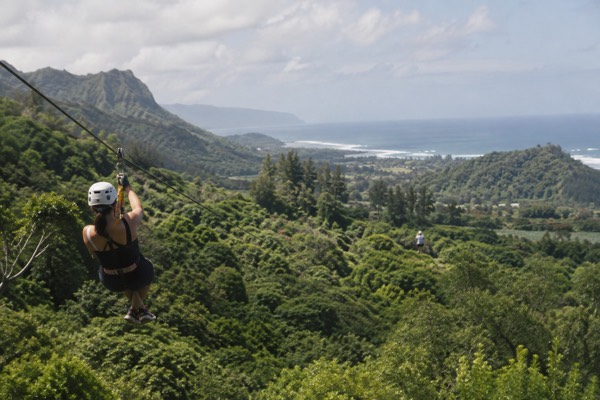
What Not To Miss On North Shore, Oahu?
A practical guide to the North Shore of Oʻahu: the stops worth making, the food worth queueing for, what the water is actually doing, and the closures and etiquette to know before you drive up.
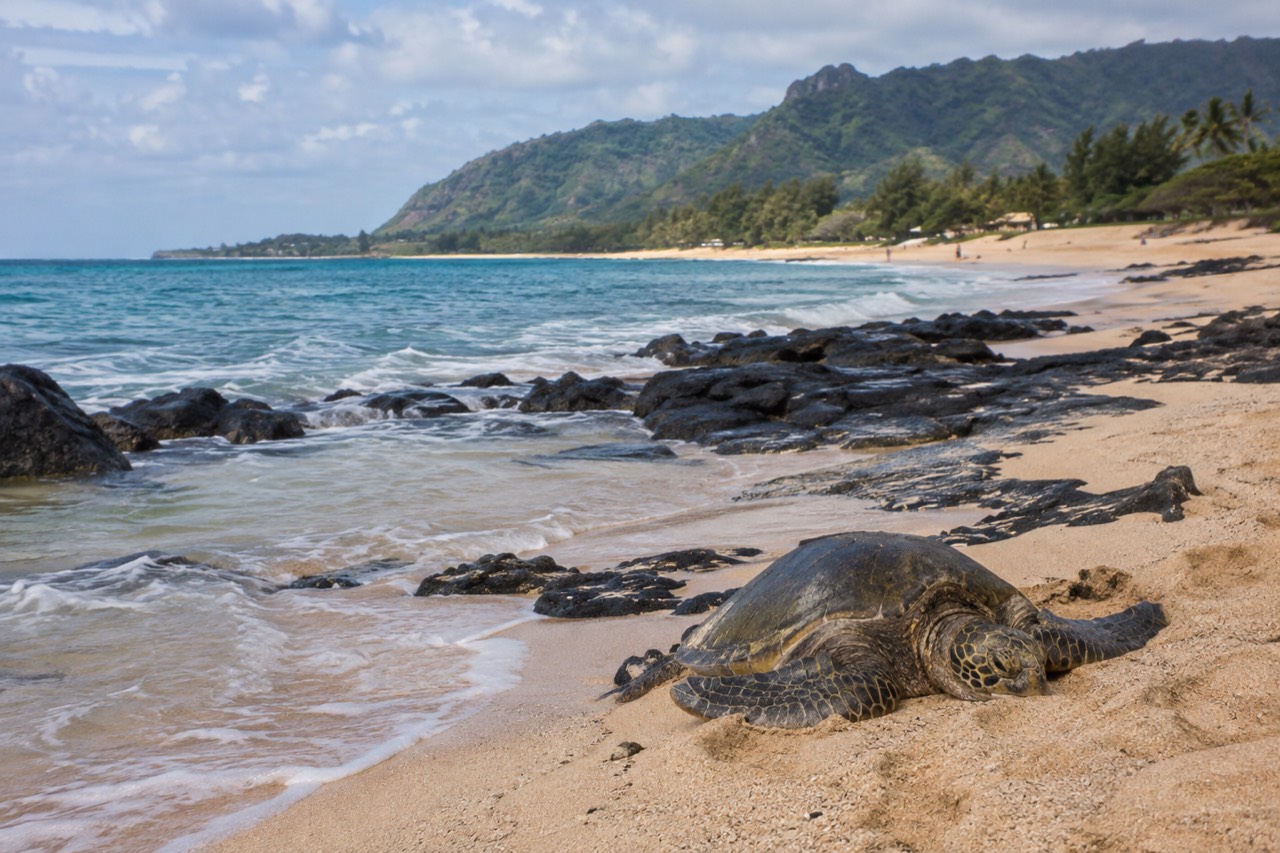
The North Shore of Oʻahu is the roughly 20-mile stretch of coast between Kaʻena Point and Kahuku where the island stops performing for tourists and starts going about its business. It is where the big-wave season genuinely closes beaches, where the food is served from trucks, and where the two-lane Kamehameha Highway is the only road. What not to miss here is less a list of attractions and more a matter of timing, because the same bay that is a swimming hole in July is closed to everyone in January.
This guide lays out the stops that consistently earn their place on a North Shore day, the food that people actually queue for, what the water is doing in each season, and the closures and etiquette that a first page of search results will not tell you. For the wider picture of the area, the North Shore Oahu guide covers where to stay and how the towns connect, and the Haleʻiwa town guide goes deeper on the island's most likeable little town.
What Makes The North Shore Different From Waikīkī?
The North Shore is a rural coastline of small towns on a single two-lane highway, and its character flips completely between seasons. In summer the water calms and the bays become swimming and snorkelling spots. In winter the same bays carry some of the most famous, and most dangerous, surf in the world. There is no resort strip and no second road, so what you plan around is the season and the traffic.
That seasonal flip is the single most useful thing to understand, and it is grounded in how the ocean actually behaves here. The National Weather Service surf forecasts publish Oʻahu's shores separately, and they run out of phase: north-facing shores peak in winter, south-facing shores peak in summer. On a sample September day the south shore was running four to six feet while the north shore sat at one to three, the exact inversion of the winter pattern. So a July or August visit finds Waimea Bay and Sunset Beach calm and swimmable, while a December visit finds them the domain of tow-in surfers and closed to swimming on the biggest days.
The second difference is scale. Waikīkī concentrates roughly the whole visitor economy into a walkable strip; the North Shore spreads a handful of small towns, Haleʻiwa, Waialua, Mokulēʻia, across miles of highway with no bypass. Locals live here, work here, and sit in the same traffic you do. The Kamehameha Highway is residential, agricultural and freight corridor all at once, which is why the etiquette section later in this guide is not decoration.
Third, the North Shore holds some of the island's most culturally sensitive ground. Waimea Valley is a living Hawaiian cultural site, not a theme park. The heiau above Waimea Bay is a temple. And the coastline carries enormous visitor pressure on infrastructure built for a fraction of the traffic, which is why this guide will not send you hunting for a "secret spot". The good news is that the well-known places are genuinely excellent, and going to them well beats going somewhere obscure badly.
What Are The Must-See Stops On A North Shore Day?
The five stops that consistently justify the drive are Haleʻiwa town, Laniakea Beach, Waimea Valley, Sunset Beach and the food truck stretch around Kahuku. Haleʻiwa is the base town with shave ice and galleries. Laniakea is where honu rest on the sand. Waimea Valley pairs a botanical garden with a waterfall walk. Sunset Beach is the wide-open classic. The Kahuku trucks are the lunch plan. A realistic day fits three or four, not all five.
Here is how the stops compare for planning purposes:
| Stop | What it is | Best for | Time needed | Watch out for |
|---|---|---|---|---|
| Haleʻiwa town | Historic plantation-era town, shave ice, shops | Everyone, first stop | 1–2 hours | Parking fills by mid-morning |
| Laniakea Beach | Honu (green turtles) resting on sand | Wildlife watchers | 30–60 minutes | Parking rules change often; never block the highway |
| Waimea Valley | Botanical garden and waterfall trail | Families, culture, shade | 2–3 hours | Closed Mondays |
| Sunset Beach | Classic wide North Shore beach | Beach time, winter surf watching | As long as you like | Winter waves, strong currents |
| Waimea Bay | Summer swimming, winter big-wave watching | Swimmers in summer only | 1–2 hours | Do not swim here in winter swell |
A note on each. Haleʻiwa is the natural first stop coming from the south or west, and the Haleʻiwa town guide covers it properly. Matsumoto Shave Ice is the famous one; expect the queue to be part of the experience in high season.
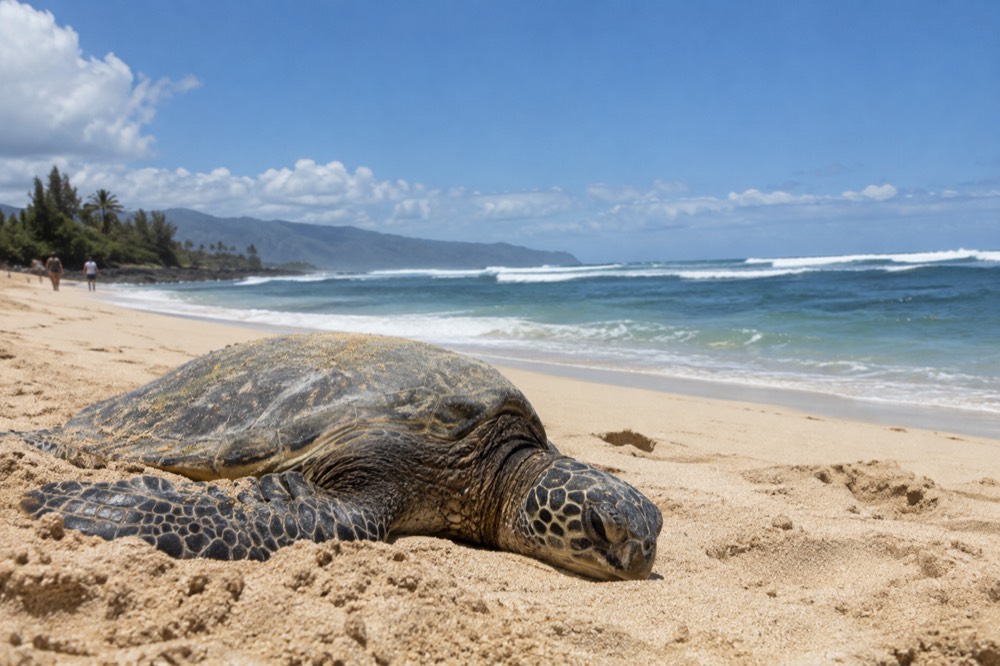
Laniakea Beach is where Hawaiian green sea turtles, honu, haul out to rest, and it is one of the most reliable places on the island to see them from land. The etiquette matters: stay back from resting turtles, never touch or chase them, and give basking animals room. The recommended viewing distance is about ten feet, and while that figure is a guideline rather than a statutory distance, harassing a protected turtle is illegal under both federal and Hawaii state law. The parking situation at Laniakea has been in flux because of an ongoing state highway drainage and safety project, so plan to arrive early and only park where it is legal. Stopping in the travel lane is dangerous and cited constantly by residents for a reason.
Waimea Valley is the stop most first-time visitors underestimate. It is a properly curated botanical garden with a paved walk through collections of Pacific plants to a waterfall, and it operates as a living Hawaiian cultural site. It is open Tuesday through Sunday and closed Mondays, hours vary seasonally, and admission is charged per person with kamaʻāina and military rates available. Whether you can swim at the waterfall is decided day by day by the lifeguard on duty, so treat swimming as a possibility rather than a promise. The Waimea Valley and Waimea Falls guide has the detail.
If you want the valley visit to end with food and performance, book a luau tickets here.
Sunset Beach and Waimea Bay are the two names to know for the water itself. In summer both are calm enough for swimming, and Waimea Bay in particular becomes one of the best swimming spots on the island. In winter, watch from the sand. The waves that make these breaks famous are not a spectator sport you wade into.
If your North Shore day is part of a wider trip, the 1 day Oahu itinerary shows how a North Shore loop fits with a morning elsewhere on the island.
Wondering whether to build the day around a tour instead of driving yourself? A guided option removes the parking and timing decisions entirely.
Where Should You Eat On The North Shore?
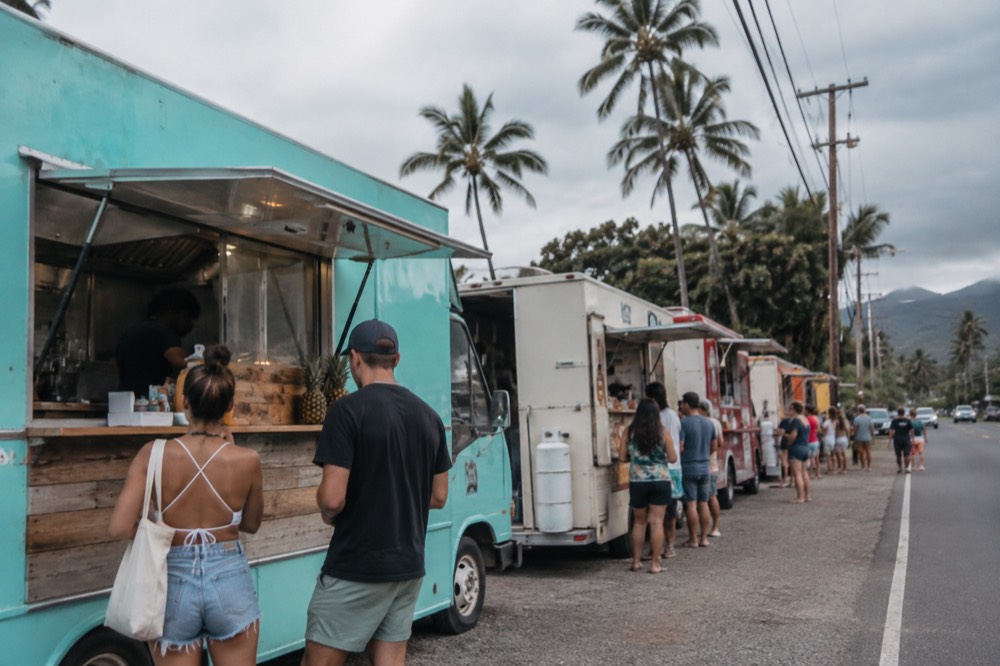
The North Shore's food identity is trucks and stands, not restaurants, and the two anchor experiences are the shrimp trucks and Haleʻiwa's shave ice. The shrimp trucks cluster around Kahuku and Haleʻiwa, serving garlic and butter shrimp plates from roadside windows. Matsumoto Shave Ice in Haleʻiwa is the historic original. Cash is worth carrying, queues are normal, and the food is the reason many people make the drive at all.
The classic move is the North Shore shrimp truck: plates of garlic shrimp or spicy butter shrimp, shell-on, with rice and a paper towel. The famous trucks sit along the highway between Haleʻiwa and Kahuku, and the honest advice is that the differences between the big names are smaller than their reputations suggest. Pick the one with a queue you can tolerate.
| Food | Where | What to expect | Good to know |
|---|---|---|---|
| Shrimp plates | Trucks along Kamehameha Highway | Shell-on garlic or butter shrimp, rice | Cash handy; picnic tables |
| Shave ice | Haleʻiwa | Flavoured shaved ice, often with ice cream underneath | The queue moves faster than it looks |
| Plate lunch | Haleʻiwa and Kahuku | Two scoops rice, mac salad, a hot entrée | The local default meal |
| Food trucks | Scattered, growing fast | Everything from poke to tacos | Follow what is open on the day |
| Fruit stands | Highway shoulder stands | Local fruit, coconut, snacks | Cheap and excellent in summer |
The North Shore shrimp trucks guide names the individual trucks and where they sit, and the best food on Oahu page puts the North Shore in island-wide context. The general rule for eating up here: build lunch into the plan rather than treating it as a gap, because options thin out fast once you leave the main towns, and the best stops close mid-afternoon.
One thing worth saying plainly: the country towns up here are working communities, not a food court. Park legally, use a bin, and do not treat a residential driveway as overflow parking because the shrimp truck was full.
What Can You Actually Do In The Water On The North Shore?
In summer, the north-facing bays go calm enough for swimming and snorkelling, and Waimea Bay becomes one of the best swims on the island. In winter, the same bays are closed or effectively closed to swimming on big days, and the activity shifts to watching. The honest rule is that the North Shore is a summer-water destination and a winter-spectator one, and any water plan should be checked against the day's surf forecast.
The reason is the swell pattern described earlier: north-facing shores take their biggest surf in winter, and the National Weather Service forecast for the north shore is published daily by shore aspect. Check it the morning you go. On flat summer days the snorkelling off the right beaches is genuinely good, turtles are regular visitors, and the water is warm; the harbour station at Honolulu recorded monthly means in the low 80s Fahrenheit through late summer, and open-ocean readings off the North Shore run slightly cooler than that harbour figure, so think warm, not bathtub. Everything else covered here is indexed on Oahu Travel Guide.
For visitors whose water confidence is limited, or families with kids, the North Shore in winter is not the place to learn. Beginner surf lessons and calm-water tours run out of Waikīkī and the south shore instead, where the seasonal pattern is inverted.
If seeing turtles is the priority, the guided snorkel above guarantees sightings and boards from Waikīkī, while Laniakea on the North Shore offers the from-the-sand version with no boat at all. Doing both is not redundant: resting turtles on a beach and swimming turtles over a reef are different experiences.
For a first surf lesson, the south shore's gentle rolls are the standard starting point.
The North Shore's own surf culture is spectator culture for most visitors, and that is fine. In winter, watching the breaks from the sand at Sunset or Waimea Bay is one of the island's genuinely great free afternoons. Keep well back from the waterline on big days; the sweep along those beaches is stronger than it looks.
When Is The Best Time To Visit The North Shore?
Summer, roughly May through September, is the best time for a visit built around swimming, snorkelling and calm water, while winter, November through March, is the time for big-wave spectacle. The shoulder months of April and October split the difference with smaller crowds. Rainfall on the leeward side is modest year-round, so the deciding factor is the surf, not the weather. Arrive early in the day whatever the season, because the highway slows by late morning.
The surf calendar drives everything. North-facing shores peak in winter, which is exactly why the famous breaks are famous. Summer inverts it: the same bays flatten out, and the swimming is superb.
| Season | North shore surf | Best for | Trade-off |
|---|---|---|---|
| Summer (May–Sep) | Small, calm | Swimming, snorkelling, families | Busiest beaches, hottest days |
| Winter (Nov–Mar) | Large, dangerous at times | Surf watching, dramatic scenery | Swimming often off the table |
| Shoulder (Apr, Oct) | Variable | Quieter roads, mixed conditions | Less predictable water |
Two planning facts worth carrying. First, the island's rainfall is wildly uneven by location: the official climate normals put Honolulu airport at about 16 inches a year, while the Lyon Arboretum station in Mānoa, five miles from Waikīkī, records over 150 inches. The North Shore sits on the wetter windward-influenced side of that divide, so a passing shower is normal and rarely a day-ruiner. Second, Oʻahu's day length barely changes across the year, roughly ten and three-quarter hours in December against thirteen and a half in June, and sunset never gets later than about 7:17 p.m. There are no long summer evenings here, so a North Shore sunset plan means leaving the shore by early evening, not lingering until nine.
Timing within the day matters more than timing within the year for the drive itself. The highway is the island's only route for the whole region, and it carries local traffic, tour buses and freight. Going up early and coming back before the late-afternoon rush is the single best traffic decision available.
What Should You Know Before You Go?
Three closures and a handful of etiquette rules shape any current North Shore plan. Kaʻena Point State Park's Mokuleʻia and Keawaʻula sections are closed until further notice for storm repairs, as is Wahiawā Freshwater State Recreation Area, per the state parks notice issued in September 2026 after Hurricane Lowell. Turtles and monk seals are protected by law, with recommended distances of ten feet for honu and fifty feet for seals.
Parking legally, staying off heiau stones and packing out rubbish are the baseline of being welcome here.
The Kaʻena closure matters because the point is often pitched as a hiking destination, and right now it is not one. It is also a leina a ka ʻuhane, a place where souls depart in Hawaiian tradition, and a protected seabird area, so even when it reopens it deserves restraint rather than a photo-stop framing. Check the state parks notices the week you travel, because storm repair timelines move.
The wildlife rules deserve precision because most guides blur them. For humpback whales, 100 yards is law. For Hawaiian spinner dolphins, 50 yards is law. For monk seals and honu, the ten and fifty foot figures are guidelines, but harassing, touching or taking either animal is illegal regardless of distance, and taking a monk seal is a felony under state law. The practical version: look, give room, never touch, never chase, and let a basking turtle have its rest.
A few more things that make the difference between a good visit and a careless one. Heiau above Waimea Bay and elsewhere are temples: stay on marked paths, do not climb or move stones, and do not leave offerings. Removing sand, coral or rock from the shoreline is prohibited by state law. Stacked rock cairns are not a Hawaiian tradition and disturb both habitat and archaeological surfaces, so leave the stones where they lie. Drones are prohibited in state parks without a written permit. And the highway etiquette bears repeating: no stopping in travel lanes at Laniakea, no residential driveways as overflow parking, and no treating a two-lane country road like a scenic parkway.
If the driving, parking and timing feel like more decisions than you want, a guided day puts all of it in someone else's hands.
Common Questions About The North Shore, Oahu
Most questions about the North Shore come down to three things: the season, the parking and the water. Summer calms the bays for swimming, winter fills them with the surf that made the coast famous. Parking is scarce and strictly enforced in the towns and at the beaches, so early arrival solves half of every problem. And the water decision, swim, snorkel or watch, should always be made against the day's surf forecast rather than a general impression.
The specific questions visitors ask most are below.
What not to miss on North Shore, Oahu?
Haleʻiwa town, Laniakea Beach for the turtles, Waimea Valley for the garden and waterfall walk, Sunset Beach or Waimea Bay for the water, and the shrimp trucks around Kahuku for lunch. A realistic day fits three or four of these comfortably rather than all five.
Can you swim at North Shore beaches in winter?
Often not. The north-facing bays take their biggest surf from roughly November through March, and on large days swimming is closed or plainly unsafe. Watch from the sand instead, and save the swimming for summer or for sheltered south shore beaches.
Is Kaʻena Point open?
No. The Mokuleʻia and Keawaʻula sections of Kaʻena Point State Park are closed until further notice for storm repairs following Hurricane Lowell, per the state parks notice of September 2026. Recheck the DLNR notices before you plan a hike there.
Where can you see turtles on the North Shore?
Laniakea Beach is the reliable from-shore spot, where honu rest on the sand. Give them at least ten feet of room, never touch or chase them, and park only where it is legal. Guided snorkel tours with turtle guarantees run from Waikīkī if you want to see them in the water.
How long should you spend on the North Shore?
A full day is the standard and it is enough for the main stops at an unhurried pace. Two days, with an overnight in Haleʻiwa, suits visitors who want sunset, early morning and a slower rhythm, and it is the better plan in winter when the best surf watching happens at midday.
Do you need a car for the North Shore?
For a self-driven day, yes; the coast is strung along a two-lane highway with limited public transport. Guided circle-island tours cover the highlights without a rental, and the trade-off is less freedom in the towns and at the food stops.
The North Shore rewards visitors who match their plans to the season, arrive early, and treat the coast as the living place it is rather than a circuit of photo stops. Swim it in summer, watch it in winter, eat from the trucks, and check the closures before you drive. That is the whole secret, and it is enough to fill the best day most visitors have on Oʻahu.