2 Days In Oahu: A Realistic Itinerary That Actually Fits
Two days is enough for Oahu's headline sights if you book the reservations before you fly and accept that you cannot do everything.
Short answer
Two days in Oahu is enough for Pearl Harbor, Waikiki and Diamond Head on day one and a windward and North Shore loop on day two, provided you reserve Diamond Head and any Arizona Memorial tickets in advance and skip trying to circle the island on your own in the same trip.
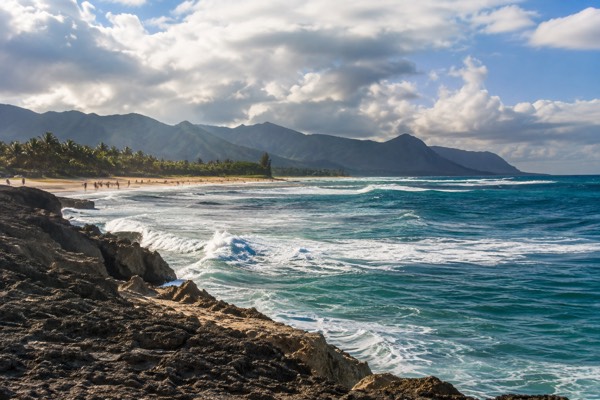
Oahu took 5,679,047 visitors by air in 2025, and a meaningful share of them tried to compress the island into a weekend. Two days is a real constraint, not a failure, and it is long enough for the memorial at Pearl Harbor, a sunrise crater hike, and a full windward and North Shore loop, as long as you make three reservations before the plane lands and refuse to over-schedule any single day.
This itinerary is paced to the time you actually have. It assumes you are sleeping in or near Waikiki, that you have a rental car or are willing to book a guided day for the far side of the island, and that you would rather see five things properly than drive past twelve. If you want the full menu of options instead, the things to do in Oahu page is the site's master list, and this Oahu Travel Guide desk keeps every page here grounded in official sources.
What Can You Realistically See In 2 Days In Oahu?
Two days covers Pearl Harbor and the Arizona Memorial program, Waikiki and Diamond Head, then one loop through the windward coast and the North Shore. It does not cover everything, and the plan only works if three reservations are made before you fly. Choose one snorkel or one beach day, not both.
The honest arithmetic first. Oahu is not a small island you can see in an afternoon, and the things first-time visitors most want are spread across three different shores. The Pearl Harbor National Memorial sits west of downtown, Diamond Head anchors the east end of Waikiki, and the North Shore is a different world up the Kamehameha Highway. Trying to hit all three in one day is how people end up eating lunch in a parking lot.
So the split is simple. Day one stays close: the memorial in the morning, Waikiki and Diamond Head in the afternoon. Day two goes far: the windward coast, Kailua or Lāʻie, and the North Shore on the way back. If that second day of driving sounds like more than you want, a guided circle-island tour is the legitimate alternative, and this page recommends one below.
One more constraint that most itineraries ignore: the USS Arizona Memorial is a war grave, not an attraction. The program is free, the tone at the site is quiet and deliberate, and planning it for a morning slot respects both the site and your schedule.
| Day | Morning | Afternoon | Evening |
|---|---|---|---|
| Day 1 | Pearl Harbor and the Arizona Memorial program | Waikiki, then Diamond Head with a reservation | Dinner in Waikiki, sunset from the beach |
| Day 2 | Windward coast: Hanauma Bay if reserved, or Kailua | North Shore: Waimea Valley or the beaches | Haleʻiwa town, dinner back in Waikiki |
How Should You Plan Day 1 Around Pearl Harbor And Waikiki?
Start at Pearl Harbor in the morning, because the Arizona Memorial program runs on timed tickets that are free but reserved in advance through the federal reservation site, which charges a one-dollar fee per ticket. Parking costs seven dollars a day. Bags are prohibited, so travel light. Spend the afternoon in Waikiki and hike Diamond Head with a reservation.
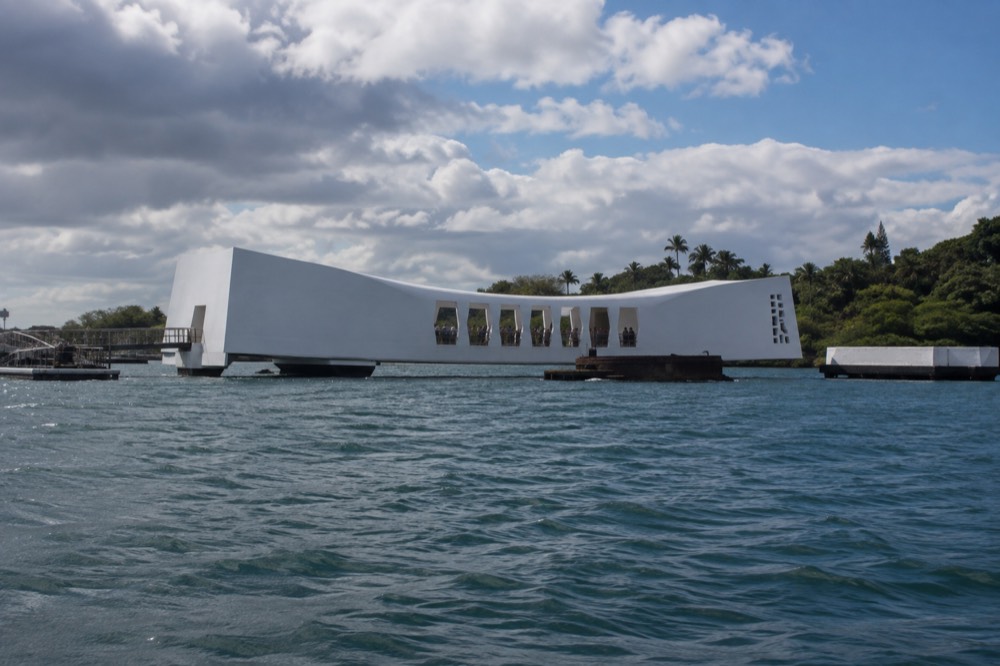
The Pearl Harbor visit deserves the first slot of your trip for one practical reason: the memorial program is timed, and morning slots leave your afternoon free. The park itself is fee-free, and the 45-minute Arizona Memorial program includes a boat ride to the white structure spanning the sunken battleship. Reserve before you travel. Walk-up tickets are not the plan; the release schedule is not something this site will quote because the official pages do not state it plainly, so book what you can get and build the day around it.
Two rules shape the visit. Bags, including backpacks, purses and camera bags, are prohibited, and storage near the entrance carries a small fee whose amount the park does not publish, so the cheapest move is to bring nothing you cannot hold in a pocket. And the shrine room is a place of silence; 1,102 sailors and Marines remain in the ship. Give it the hour it asks for.
If you have more time after the memorial, the battleship Missouri and the submarine museum sit in the same harbour area, and the site's dedicated pages cover both: see the Pearl Harbor day trip planner for how the pieces fit together in half a day or a full one.
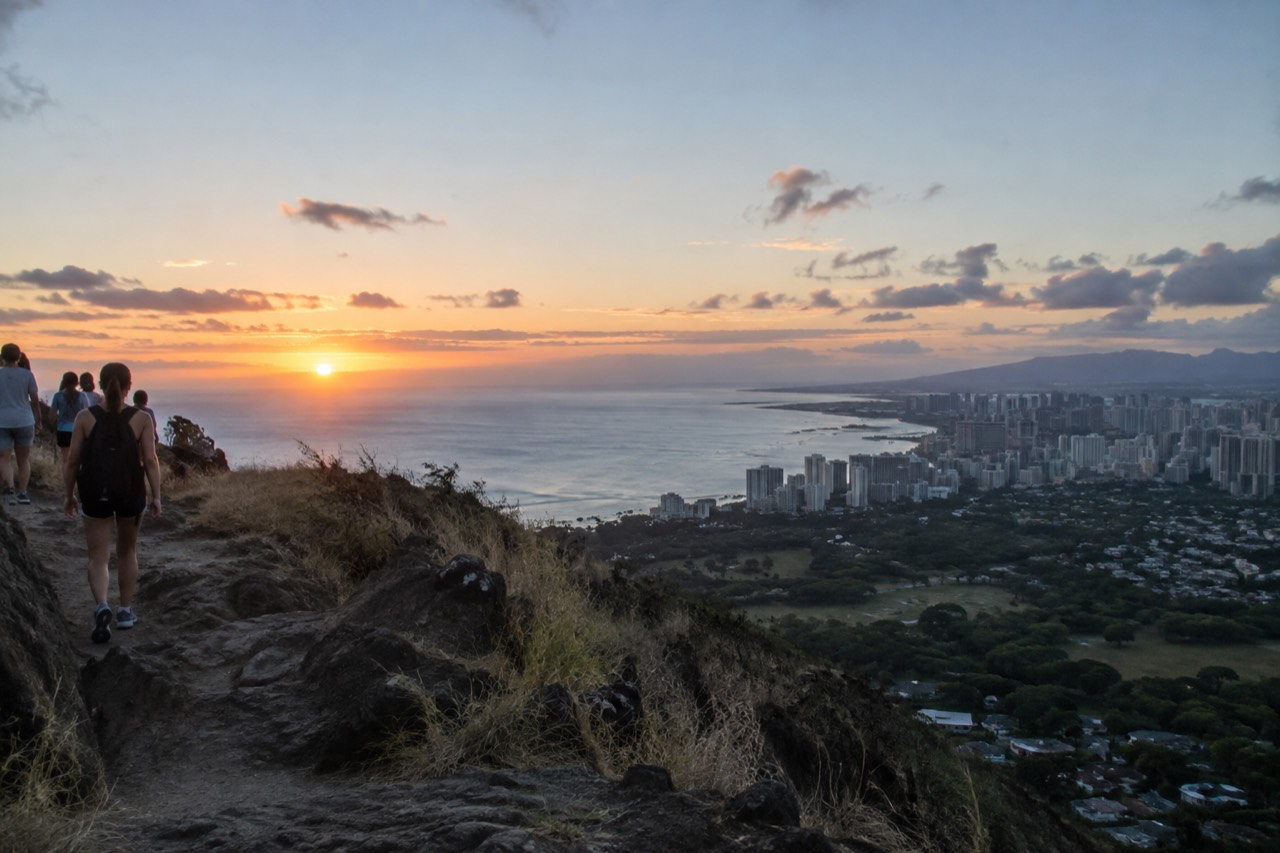
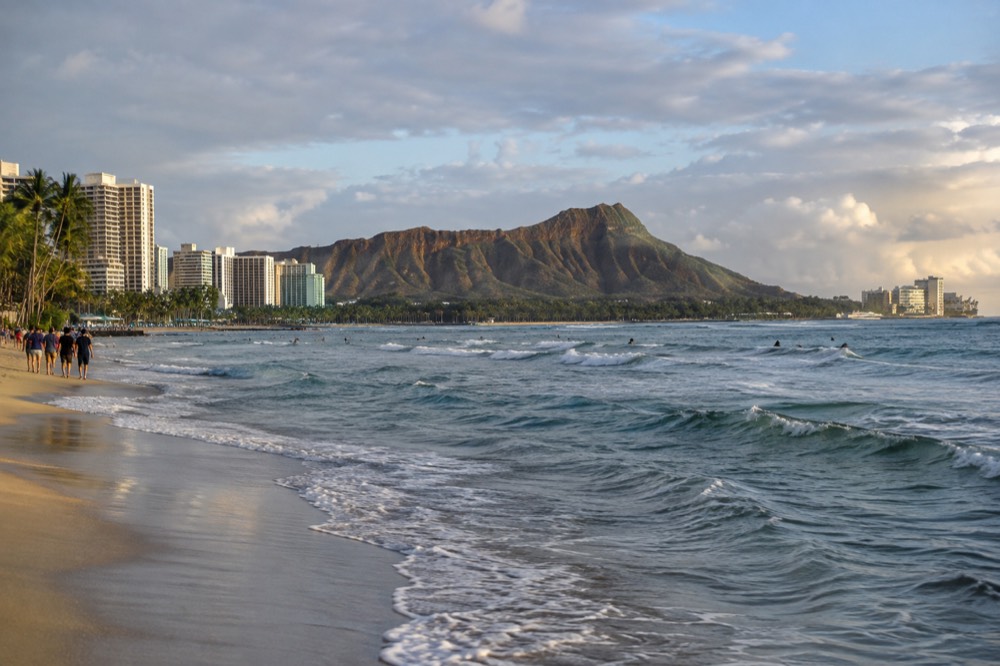
The afternoon belongs to Waikiki and Diamond Head. Diamond Head State Monument, Lēʻahi in Hawaiian, charges five dollars per non-resident person plus ten dollars per non-resident vehicle, credit card only, and reservations have been mandatory for non-residents since May 2022, covering both entry and parking. Hawaii residents enter free with ID. Book your slot up to thirty days ahead, pick a late-afternoon time, and the trail is cooler and the light is better for photos anyway.
If you would rather not manage the memorial logistics yourself, a guided half-day takes the reservation and the transport off your plate:
How Should You Plan Day 2 On The Windward Coast And North Shore?
Drive the windward coast in the morning and the North Shore in the afternoon, choosing either Hanauma Bay or the Kailua beaches rather than both. Hanauma Bay is closed Mondays and Tuesdays, and its reservation system opens only two days ahead at 7 a.m. HST, which means you book it from your hotel on day one for day two. Waimea Valley is closed Mondays.
Day two is the loop day, and the single most important booking decision is the snorkel. Hanauma Bay Nature Preserve charges 25 dollars per non-resident plus a 2.35 percent online service fee, children 12 and under are free, and entry is allowed from 6:45 a.m. to 1:30 p.m. with everyone out by 4 p.m. The reservation window is the catch: slots open exactly two days ahead at 7 a.m. Hawaii time. On a two-day trip you set an alarm for the morning of day one and book for the morning of day two. Residents enter free with a Hawaii ID and do not need a reservation.
If the timing does not work, or you would rather not fight the system at all, the Kailua side is the alternative. Kailua Beach Park has a real parking lot, and Lanikai Beach has none: it is residential streets only, with no-parking zones enforced and towing active, so park at Kailua and walk. The Kailua guide covers the practical details.
The drive north from the windward side passes some of the island's best lookouts, with one large caveat. Nuʻuanu Pali Lookout, the classic cliff-edge stop above Kāneʻohe, is closed until further notice as of the September 2026 state parks notice, along with Kaʻena Point and Wahiawā Freshwater, after storm damage. Do not plan on it; check the state parks site the week you travel, because these closures move.
On the North Shore itself, Waimea Valley is the reliable all-ages stop: an adult ticket is 26 dollars, kamaʻāina and military adults pay 10, and it is closed Mondays. The paved walk to the falls is under two miles and shaded. If beaches are the priority instead, Sunset Beach and Sharks Cove sit minutes apart, and the North Shore day trip from Waikiki page has the full rundown.
End in Haleʻiwa for shave ice and the drive back, and be realistic about the return: the two-lane highway through the country towns is a working road for residents, so park legally, skip the shoulder stops, and leave before dark if you can.
The honest alternative to all of this driving is a seat on a guided circle-island day. The most-booked option on the island runs about six and a half hours and covers Haleʻiwa and the windward side in one booked seat, which converts your entire day two into a no-decisions proposition:
What Should You Do About A Luau On A 2-Day Trip?
Book one luau, on either evening, and choose it by location and story rather than by price alone, because on a two-day trip the luau is your one evening commitment and moving it around wastes more time than it saves. The strongest-reviewed options include a luau inside Waimea Valley and a fire-knife show inland of Waikiki.
If an evening luau sounds like the right fit, book a luau admission ticket here.
A luau eats an entire evening, roughly three to four hours including the show, so on a two-day trip it has to replace something, not add to everything. The practical choice is to put it on whichever evening you are not already driving back from the North Shore, which usually means day one.
The comparison the site publishes in full is at the best luau on Oahu page, but the short version for a short trip: if day two includes Waimea Valley anyway, the luau held inside the valley pairs the admission and the evening into one location, and if you want the shortest transfer from Waikiki, the big-stage options near the resort strip win on convenience.
Where Should You Eat On A 2-Day Oahu Trip?
Eat plate lunches and food trucks, not resort dinners twice a day, because the island's best-known food is served fast and cheap, and a two-day trip is exactly long enough to hit the highlights: shave ice in Haleʻiwa, shrimp trucks on the North Shore, and a local food tour if you want the neighbourhood spots without the guesswork.
Two days does not give you time to research restaurants, so lean on formats. Plate lunch spots and food trucks are the island's default fast food, and the North Shore shrimp trucks are a stop that fits naturally into day two's route. The site's North Shore shrimp trucks guide covers which are worth the queue.
In Waikiki, dinner is a walking-distance problem, and the best restaurants in Waikiki page sorts it. If you want neighbourhood food beyond the resort strip and only have one free evening, a guided food walk off the beaten path buys you three or four neighbourhood stops in three hours that would take two days to find alone.
How Much Does 2 Days In Oahu Cost?
Budget roughly 25 dollars per person for Hanauma Bay, five dollars per person plus ten per vehicle for Diamond Head, 26 dollars for Waimea Valley, and seven dollars a day to park at Pearl Harbor, with the Arizona Memorial program itself free apart from a one-dollar reservation fee. The sightseeing costs are modest; the real money goes to the hotel, the car and the meals.
Hotel tax rose at the start of 2026: Act 96 increased the state Transient Accommodations Tax from 10.25 to 11.00 percent, and it is charged on accommodations, not collected at the airport, despite the "green fee" nickname it picked up in coverage. The site's full cost breakdown, including what a realistic two-day budget looks like end to end, is at the cost of a trip to Oahu.
Here is the verified fee schedule for everything this itinerary names:
| Sight | Non-resident cost | Reservation rule |
|---|---|---|
| Pearl Harbor visitor centre and Arizona Memorial program | Free, one dollar reservation fee per ticket | Timed tickets through the federal reservation site |
| Pearl Harbor parking | Seven dollars per day | Paid by mobile app or QR code |
| Diamond Head State Monument | Five dollars per person, ten per vehicle, card only | Required for non-residents, up to 30 days ahead |
| Hanauma Bay | 25 dollars plus 2.35 percent service fee, children 12 and under free | Opens 2 days ahead at 7 a.m. HST; closed Mondays and Tuesdays |
| Waimea Valley | 26 dollars adult, 18 dollars child 4 to 12 | Closed Mondays |
Transport is the other lever. If you skip the rental car, TheBus and the Skyline rail share one fare system: 3.25 dollars cash for a single bus ride with no transfers, but a HOLO card costs 3 dollars for two hours of unlimited transfers and caps at 7.50 dollars per day no matter how much you ride. The rail reaches the airport but has no Waikiki station, so a transfer is always part of that plan.
What If Something Goes Wrong: Weather, Closures And Crowds?
Rain on Oahu is wildly local, so a wet morning in Waikiki does not mean a wet afternoon anywhere else: Honolulu airport averages 16.41 inches of rain a year while the Mānoa valley, five miles inland, averages 150.96 inches. The fix for rain is usually to drive to the other side of the island, and the fix for a closure is to check the state parks notices the week you travel.
The rainfall contrast is the single most useful planning fact on the island, and almost no competing guide grounds it. Every single month at the Lyon Arboretum station in Mānoa is wetter than the airport's wettest month. Practically, this means the leeward side, Waikiki through ʻEwa and Ko Olina, is your dry-weather bet, and the windward valleys are where the rain lives. A shower in Kailua very often coexists with full sun in Waikiki.
Closures are the second failure mode. Beyond the Pali and Kaʻena Point closures, the schedule-level traps are the closed days: Hanauma Bay on Mondays and Tuesdays, Waimea Valley on Mondays, the Polynesian Cultural Center on Sundays and Wednesdays. If your two days land on a Monday, both the bay and the valley are out, and the plan needs the Kailua beaches and the North Shore instead.
Crowds you manage with the clock, not with money. The memorial's morning slots, the 6:45 a.m. Hanauma Bay entry window and a sunrise Diamond Head reservation all dodge the peak. On a two-day trip you cannot afford a mid-morning start anywhere.
Should You Take A Tour Instead Of Driving Day 2 Yourself?
Take a guided circle-island day if you would rather not drive the loop, if you are travelling with people who do not want two hours in a car each way, or if your two days fall on a Monday when several self-guided options are closed. A booked seat converts the whole far side of the island into one decision, and the most-booked circle-island tour runs about six and a half hours.
The trade is honest. Driving yourself buys flexibility: you stop where you want, stay as long as you want, and spend less. A guided day buys certainty: no navigation, no parking anxiety on the country highway, and a driver who already knows which lookouts are open this week.
For a two-day trip specifically, the guided option has one more advantage. When the second day is your only chance to see the windward coast and the North Shore, handing it to a tour removes the single largest way the day goes wrong, which is running out of daylight halfway up the coast. A longer variant that adds the Byodo-In Temple on the windward side suits travellers who want the cultural stop included:
For the wider question of how long you need, see how many days do you need in Oahu, which compares this two-day plan against three, five and seven-day versions.
Common Questions About 2 Days In Oahu
Most questions about a two-day Oahu trip come down to three things: whether the reservations are booked, whether the closed days line up with the calendar, and whether day two is driven or guided. Get the Diamond Head reservation, the Hanauma Bay slot and the Arizona Memorial tickets sorted before you fly, and pick one loop strategy for the far side of the island.
Is 2 days in Oahu enough?
Two days is enough for Pearl Harbor, Waikiki, Diamond Head and one windward or North Shore loop, which is the core of what most visitors come to see. It is not enough to add a second beach day, a lazy island day, or both luaus. Book the reservations ahead and the two days hold together.
What should I book before I fly to Oahu?
Three things: the Arizona Memorial program through the federal reservation site, a Diamond Head non-resident reservation covering entry and parking, and your luau seating. Hanauma Bay cannot be booked far ahead at all; its slots open two days before your visit at 7 a.m. HST, so that one gets booked from your hotel.
Can you circle Oahu in one day on your own?
Yes, the loop is a standard drive, but on a two-day trip it consumes the entire second day and leaves no slack for a hike or a long beach stop. If circling the island is the priority, a guided circle-island tour does it in one booked seat and returns you to Waikiki in the evening.
What is closed on Mondays on Oahu?
Hanauma Bay is closed Mondays and Tuesdays, Waimea Valley is closed Mondays, and the Polynesian Cultural Center closes Sundays and Wednesdays. Nuʻuanu Pali Lookout and Kaʻena Point are closed until further notice for storm repairs as of the September 2026 state parks notice, on any day of the week.
Do I need a car for 2 days in Oahu?
You need wheels for day two, but not necessarily your own. TheBus and Skyline cover the urban side well on a shared HOLO fare capped at 7.50 dollars a day, though the rail has no Waikiki station. For the windward and North Shore loop, either rent a car for the one day or take a guided circle-island tour.
What if it rains during my 2 days in Oahu?
Check the other side of the island before you change plans. The airport side averages 16.41 inches of rain a year while the Mānoa valley five miles inland averages 150.96, so rain on Oahu is extremely local. A wet windward morning often means a dry leeward afternoon, and the site keeps a full rainy-day list for the days when the whole island is grey.
Two days in Oahu rewards the traveller who books early and drives less. Sort the three reservations, keep day one close to town, hand day two to the road or a guide, and the island's headline sights fit inside a weekend without ever feeling like a checklist being survived.