Polynesian Cultural Center On Oahu: Tickets, Timing And Whether It's Worth The Trip
The Polynesian Cultural Center is a ticketed cultural park with daytime and optional evening programs in Lāʻie on Oahu's windward coast. Here is what a visit actually involves, what each ticket tier buys, and how to decide whether it earns a place in your itinerary.

Short answer
The Polynesian Cultural Center in Laie presents six Polynesian island cultures through village demonstrations and activities. Choose daytime admission, Aliʻi Lūʻau with guided villages and gold HĀ seating, or a Gateway Buffet package. The tickets compared here exclude hotel transport; plan the journey and the late return separately.

What Is The Polynesian Cultural Center?
The Polynesian Cultural Center is a large, ticketed cultural park in Lāʻie, on Oahu's north-east shore, where staff and students demonstrate the food, crafts, dances and games of cultures from across Polynesia, including Hawaiʻi, Samoa, Tonga, Tahiti, Fiji and Aotearoa. An evening show closes the day. A village visit needs an afternoon; a ticket including dinner and HĀ extends into the evening.
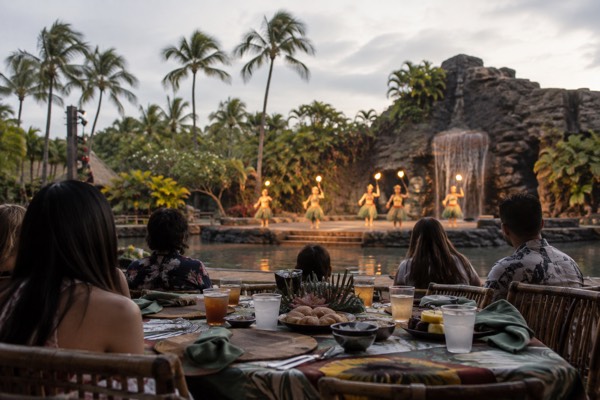
The idea behind the center is simple and unusual among Oahu attractions: instead of a single show or a single historic building, you walk through a series of village areas arranged around a lagoon, each staffed by performers who cook, weave, drum, dance and explain where their traditions come from. The demonstrations are interactive in a way most museum exhibits are not. You are invited to try the drumming, taste the food, climb into a canoe, join the games. Over the course of an afternoon the villages build toward a shared evening, either a lūʻau dinner, the large-scale evening show, or both, depending on the ticket you hold.
It helps to set expectations honestly before you go. This is a produced experience, built to be visited, and it does not pretend otherwise. The villages are carefully maintained representations rather than working settlements, and many of the performers are students at the nearby university campus in Lāʻie, for whom the center is also a source of tuition support. That does not make the demonstrations less real: the drumming is genuinely drumming, the cooking is genuinely cooking, and the HĀ show is a substantial stage production. But a visitor who arrives expecting an unmediated encounter with everyday Polynesian life will be disappointed, and deserves to know that in advance.
For trip planning, the practical takeaway is that the center is a destination in itself, not a stop you fold into a busy day. People who enjoy it most treat it the way they would treat a day at a major museum or a long evening at the theatre: they arrive with time, they pick their tier deliberately, and they stay for the parts their ticket includes. If you want a broader view of how a lūʻau evening on Oahu compares across venues, our best luau on Oahu guide breaks the whole island down, and this site's Oahu Travel Guide coverage places the center against everything else you might do with the same day.
Where Is The Polynesian Cultural Center And How Do You Get There?
The center is in Laie at 55-370 Kamehameha Highway. You can drive, arrange a shuttle or use TheBus with a carefully checked return plan. The selected tickets exclude transport. A circle-island sightseeing stop is not a substitute for admission to the villages and the evening show.
Geography is the first thing to understand, because it drives every other decision. Lāʻie sits on the stretch of coast between Kāneʻohe Bay and the North Shore towns, which means the center is not close to Waikīkī in any sense that matters for a day trip. The drive is a commitment in both directions, and the coastal highway is a two-lane road for much of it. Skyline does not serve Laie; any public-transport journey still needs the appropriate bus connections. If you are renting a car, plan the drive as part of the day rather than a chore to be minimized, because the windward coast is one of the prettiest stretches of shoreline on the island and the center is a natural anchor for a loop.
If you would rather not drive, the Cultural Center offers a Waikīkī shuttle as a separately purchased addition through its own booking process. The tickets linked here exclude that journey, so confirm whether and how transport can be arranged for your particular booking. Check the pickup and return time, accessibility and child arrangements before paying. A general reference to “transportation available” is not proof it is included.
A circle-island tour can visit the Laie area without providing a full Cultural Center visit. Do not assume a photo stop includes village admission, dinner or HĀ, or that a sightseeing itinerary will wait for the evening show. Our North Shore of Oahu guide covers the surrounding coast if you want independent stops around your visit.
Route 60 links Ala Moana and Downtown Honolulu with the Cultural Center; a Waikīkī stay normally needs a feeder connection. Public transport is possible, but it takes time. Check the current timetable and service alerts in both directions, especially for the late return after HĀ, and have a workable alternative if you cannot make the connection. On-site parking is free; a car still needs an appropriate pickup and return plan.
How Much Does A Polynesian Cultural Center Visit Cost?
Compare current full-party quotes for the exact ticket: daytime villages, Aliʻi Lūʻau or Gateway Buffet. They include different meals, guiding and show seating, so there is no reliable fixed multiplier between them. Add transport and any unbundled food to compare the whole visit.
The tier system is the whole cost story. A villages-only ticket buys the afternoon: entry to the village areas, the cultural demonstrations, and typically the canoe rides and afternoon activities that happen around the lagoon. The next tiers add the evening, either a lūʻau dinner or the evening show, and the top packages combine both with better seating for the show. The total depends on the date, ages and selected package. Compare actual quotes for your group and add only costs that are not already included.
| Ticket tier | What it covers | Time to allow | Journey |
|---|---|---|---|
| Islands of Polynesia | Self-guided villages and daytime activities | Afternoon; current village hours 12:15–17:30 | Hotel transport excluded |
| Aliʻi Lūʻau | Guided villages, Aliʻi buffet and gold HĀ seating | Afternoon and evening; current HĀ ends 20:45 | Hotel transport excluded |
| Gateway Buffet | Self-guided villages, Gateway dinner and selected HĀ seating | Afternoon and evening | Guide and hotel transport excluded |
Two honest notes on value. First, the villages-only ticket is not a consolation prize: the interactive demonstrations are the heart of the place, and a visitor who gives them a full afternoon gets most of what the center is. Second, the dinner-and-show packages are where the center earns its reputation, and if you are going to make the long trip to Lāʻie at all, there is a real argument for doing the whole evening once rather than the half-day twice. Compare the actual inclusions before choosing a package.
One more cost that catches people: transport. If your ticket does not include coach transfer and you are not driving, factor a transfer or tour into the total rather than discovering the gap on the day. And if you are weighing the center against other big-ticket Oahu experiences, our Things to Do in Oahu roundup puts it in context against the island's other full-day commitments.
The selected tickets currently allow a full refund when cancelled at least 24 hours before the scheduled start. Review the exact terms before paying; do not assume pay-later is available or that a late cancellation is free.
Which Package Should You Choose: Villages Only Or The Aliʻi Lūʻau?
Choose Aliʻi Lūʻau for a guided village visit, Aliʻi buffet dinner and gold-level HĀ seating. Choose daytime Islands admission for self-guided villages without dinner or HĀ. Gateway Buffet is a third option: self-guided villages, a different buffet and the chosen evening-show seat tier. None of these selected listings includes hotel transport.
The decision usually comes down to three questions. How long can you honestly give the day? A villages-only visit lets you leave when the afternoon winds down; a full package keeps you into the evening, which matters if you have children who melt down after dark or a drive back you would rather not do late. Do you want a lūʻau at all? If a lūʻau dinner is already on your Oahu list, the Aliʻi package combines the villages, its lūʻau and HĀ in one visit. And are you eating on the coast anyway? The North Shore food scene is excellent, and a family that plans a shrimp-truck dinner in Haleʻiwa may prefer the villages-only ticket on pure budget grounds.
| Consideration | Villages-only admission | Aliʻi Lūʻau package |
|---|---|---|
| Main distinction | Self-guided daytime cultures and activities | Guided villages, dinner and HĀ |
| Evening program | Not included | Aliʻi dinner plus gold HĀ seating |
| Leaving earlier | Afternoon visit at your own pace | Leaving before HĀ means missing an included element |
| Current program hours | Villages 12:15–17:30 | Villages plus HĀ 19:30–20:45 |
| Transport | Separate arrangement | Separate arrangement |
Gold is not the highest HĀ seat category: the center’s separate VIP offering has platinum seating and other features.
An afternoon visit leaves dinner and the evening free for other plans. Include that separate meal when comparing your total spend.
How Should You Plan Your Day At The Center?
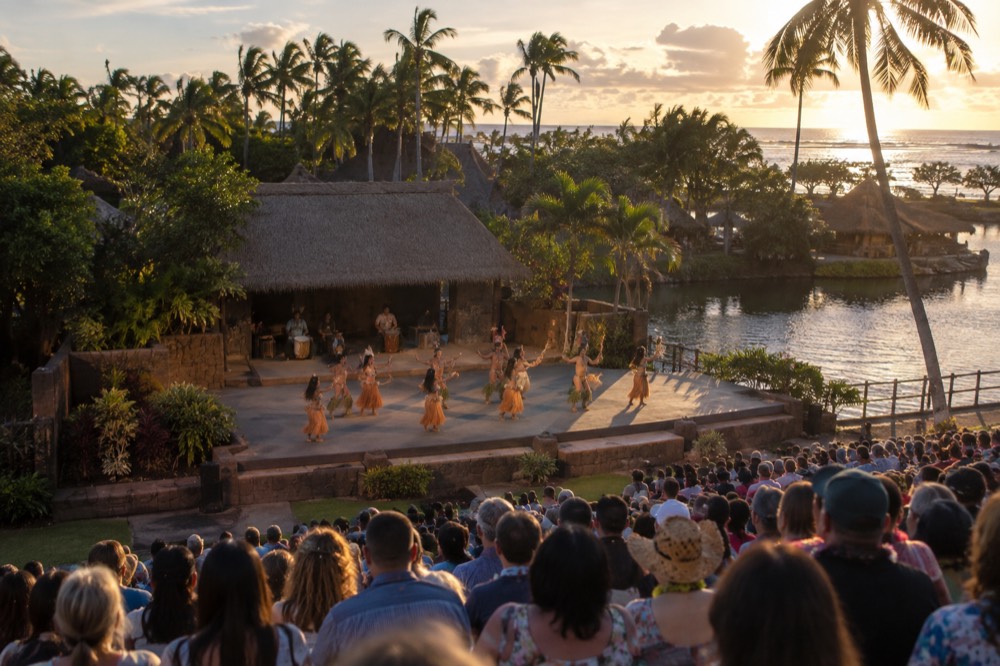
Arrive early enough to see the villages while the cultural demonstrations are running, because that interactive half, the canoe rides, drumming, weaving, cooking and games, is what you are actually paying for. Follow the current demonstration schedule or your village guide, then the assigned dinner and show arrangements. Check the center's hours page before you lock the day.
The single biggest mistake visitors make is treating the afternoon as filler before the show. It is the opposite: the villages are the substance, and the show is the capstone. The demonstrations run on a loose schedule across the village areas, and each one rewards participation. The drumming sessions teach you a rhythm and then hand you a drum. The cooking demonstrations end with something to taste. The canoe ride across the lagoon is short but it is the view most people photograph. Give the afternoon three unhurried hours at minimum and you will leave with more than you would from twice that time spent rushing.
| Part of the visit | What it involves | Planning note |
|---|---|---|
| Arrival and entry | Ticket check, orientation, first village | Arrive ahead of the first demonstrations, not after |
| Village circuit | Interactive demos across six island cultures | Follow the current schedule or your guide |
| Canoe rides | Lagoon activity | Check the day’s operating arrangements |
| Lūʻau dinner (if included) | Seated dinner with performance | Held before the evening show, eat on schedule |
| Evening show | HĀ stage production | Confirm the seat category in your ticket |
Timing discipline matters at the edges of the day. If your ticket includes the lūʻau, that dinner runs on the center's clock, not yours, and straggling in late means a rushed plate before the show. If you are driving, note that the evening show ends after dark, and the coastal highway back south is a road to take calmly. Check the center's own hours and opening days page before you commit to a date, because the schedule varies through the year and you should recheck these planning hours for your particular date.
Is The Polynesian Cultural Center Worth It?
It can be worthwhile if you want a substantial afternoon of cultural demonstrations, with an optional dinner and staged evening show. It is a produced attraction rather than an everyday working village. Choose it for the activities and program you want, not a promise that every visitor will find it the best use of a day.
Worth-it questions are really audience questions, so here is the breakdown we give people. If your Oahu trip is short and you will never make it to Samoa, Tonga, Tahiti or Aotearoa, the center offers an introduction to six island cultures in one venue, and that breadth is its real product. If you have children, the interactive format is close to ideal: there is very little here that requires standing still and being quiet. If you have already been to multiple islands or you have deep familiarity with Polynesian cultures, the produced quality will be more visible and the value less obvious.
| Visitor type | Verdict | Why |
|---|---|---|
| First-time Oahu visitors | Consider the program | Six island cultures represented in one venue |
| Families with kids | Depends on interests and stamina | Interactive demos; full packages finish late |
| Repeat visitors to Hawaiʻi | Depends | The villages may feel familiar, the show still lands |
| Travelers without a car | Plan transport first | Selected tickets exclude the journey |
| Budget travelers | Villages-only tier | The afternoon is the substance, skip the dinner |
Visitor totals alone do not establish whether this ticket fits your trip. Compare the program with what you would otherwise do that afternoon and evening.
The center offers a curated introduction, not a substitute for visiting or understanding the whole Polynesian world. Give the village activities enough time and choose the evening only if its program and late finish fit your trip.
What Should You Know Before You Go?
Three things shape the day more than anything else: which tier you bought, whether your ticket includes transport, and how early you arrive. Hours and opening days vary, so check the center's own site before booking, and check the actual show and ticket availability for your date. Bring sun protection and water for the outdoor villages, and plan dinner logistics in advance if your ticket does not include the lūʻau.
The practicalities are ordinary but they matter. The village circuit is outdoors and mostly unshaded, so sun protection is not optional on a bright day, and the windward coast can be humid even when Waikīkī feels dry. Comfortable shoes matter more than they do at a show-only venue. Bags and strollers are normal here, unlike at some Oahu sites with strict policies, but check your tier's details on the listing for anything specific. If you are driving, the coastal highway means building buffer time into both legs, and the return after the evening show is a drive to take steadily.
Confirm the package, date, transport and current cancellation terms before paying. The selected listings currently have a 24-hour cancellation cutoff; that does not guarantee a free last-minute change. For a fuller comparison of lūʻau evenings, read our best luau on Oahu guide, and use Things to Do in Oahu to compare the rest of your itinerary.
Common Questions About The Polynesian Cultural Center
Most questions about the Polynesian Cultural Center come down to four things: which ticket tier fits your day, how you get to Lāʻie and back, what the lūʻau dinner actually includes, and whether the evening show justifies the higher packages. The answers below cover each in brief, and the cost and planning sections above go deeper on all four.
Is the Polynesian Cultural Center worth it without the lūʻau?
For many visitors, yes. The interactive village demonstrations are the substance of the visit, and a villages-only ticket gives them a full afternoon. The lūʻau and show add a produced evening on top, with a different ticket price and later finish. If you would rather eat on the North Shore or you have a short day, skip the dinner without guilt.
How long does a visit take?
Allow an afternoon for the villages, currently 12:15–17:30. A full package continues through dinner and HĀ, currently 19:30–20:45. Add travel and check-in, and recheck the schedule for your date.
Can you visit without a tour?
Yes. Daytime admission is self-guided, and you can arrange your own journey by car, a separately booked shuttle or public bus. Route 60 serves the Cultural Center from Ala Moana and Downtown; check your feeder and return connections. The ticket options linked here exclude hotel transport.
Is the Polynesian Cultural Center good for kids?
It is one of the more kid-friendly full-day venues on Oahu. The demonstrations invite participation, the canoe rides are a reliable hit, and the pace lets families move at their own speed. The main caution is the late finish on dinner-and-show packages, which can be a long day for young children.
Do you need to book in advance?
Check and reserve the exact package when your date and journey are clear. Confirm your current cancellation deadline and any separately arranged shuttle; no particular date or seat tier is promised available.
What should you bring?
Sun protection, water, comfortable walking shoes and a light layer for the evening. The village circuit is outdoors and mostly unshaded, and the windward coast stays warm and humid. Check the weather for the Lāʻie area rather than the Waikīkī forecast, because the coasts do not always agree.
Deciding is easier once you accept the shape of the thing: the Polynesian Cultural Center offers a daytime village visit and optional evening programs, and it rewards visitors who pick their tier deliberately and give the villages the time they deserve. Choose the package that matches your energy and your budget, sort your transport at the same time, and the day tends to take care of itself.
Choose Your Cultural Center Visit
Compare daytime villages, Aliʻi Lūʻau with a guided village visit, or Gateway Buffet with self-guided villages. The selected tickets exclude transport, so plan your journey separately.
Polynesian Cultural Center Aliʻi Lūʻau Package
Confirm the afternoon-to-evening program, gold seating and separate transport before reserving.
Guided six-village visit, Aliʻi Lūʻau buffet and gold-level HĀ evening-show seating in Laie. Plan an afternoon-to-evening visit, plus your journey. This listing excludes transport. Confirm arrangements at least 48 hours ahead; review current opening days and accessibility needs.
Compare Two Cultural Center Plans
Enter USD totals for the same party and date. Option A tickets should include its bundled dinner or show; add only unbundled travel, food and extras. Option B is its complete ticket-and-travel total. These are your estimates, not live quotes.
Choose dates and your party on the booking page. The booking link is not an on-page availability calendar.