National Memorial Cemetery Of The Pacific (Punchbowl): What A Visit Actually Involves
The National Memorial Cemetery of the Pacific sits inside an extinct volcanic crater the Hawaiian language calls Pūowaina, minutes from downtown Honolulu. This guide covers what a visit involves, how to get there, what it costs and how to treat the place properly.
Short answer
The National Memorial Cemetery of the Pacific at Punchbowl is a working national cemetery inside an extinct crater above downtown Honolulu. There is no ticket and no tour required; you drive or walk in during opening hours. Plan 45 minutes to an hour, keep voices low, and check the cemetery's official page for current hours before you go.
The National Memorial Cemetery of the Pacific occupies the floor and inner slopes of an extinct volcanic crater that Hawaiian names call Pūowaina, rising directly above the towers of downtown Honolulu. It is one of the most striking settings of any military cemetery in the United States, and one of the most quietly demanding places to visit on Oʻahu. It is a burial ground first and a viewpoint second, and the order of those two things shapes everything about how a visit works.
This guide, from the Oahu Travel Guide editorial desk, covers the practical questions: how you get up there, what it costs, how long to stay, what the rules are, and whether it deserves space in an itinerary that might otherwise be spent at the beach. The short version: it costs nothing, it takes under an hour to see properly, and it is worth the trip for reasons that have very little to do with photography.
What Is The National Memorial Cemetery Of The Pacific?
The National Memorial Cemetery of the Pacific is a United States national cemetery, administered by the Department of Veterans Affairs, laid out inside the Pūowaina crater above downtown Honolulu. It buries American service members and veterans, including casualties of the Pacific theatre of the Second World War, and it remains an active burial ground. It is not a park or a photo backdrop; it is a working cemetery that welcomes respectful visitors.
The crater's Hawaiian name, Pūowaina, appears in the site's own materials and in the cultural record of Honolulu, and this site uses it alongside the English name. The nickname "Punchbowl" is the one most visitors arrive with, and it describes exactly what the crater looks like from the harbour: a round bowl punched into the ridge behind the city.
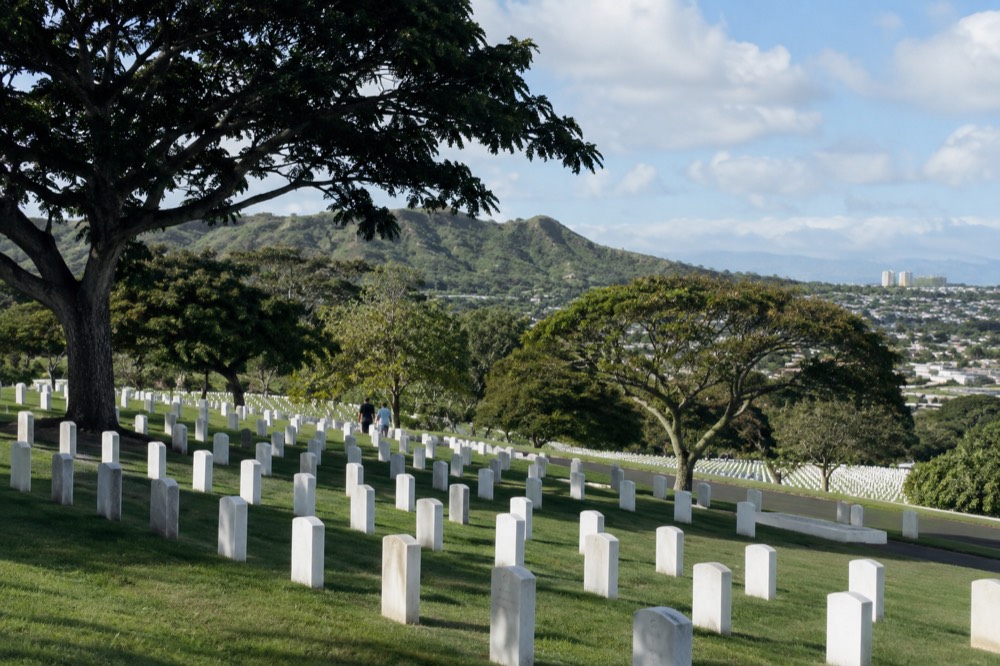
Two things define the experience of standing inside it. The first is the geometry, rows of uniform white markers sweeping up the crater walls in long arcs, with the Koʻolau mountains behind. The second is the silence. Honolulu traffic hums below the rim, but inside the bowl the sound drops away, and the cemetery's own conduct expectations ask visitors to keep it that way.
Because it is a cemetery, this guide deliberately does not treat it the way a listing of things to do in Oahu treats a beach or a luau. There is no "don't miss it", no urgency, no pairing it with a discount. There is a place to visit, a set of rules that matter, and a decision about whether it fits your trip.
Where Is Punchbowl And How Do You Get There?
Punchbowl sits immediately north of downtown Honolulu, a short drive from the city centre and a longer walk. Most visitors arrive by rental car, rideshare or tour bus; the public bus option uses TheBus, at $3.25 for an adult cash single ride or a $7.50 daily cap on a HOLO card. The crater has no rail station, and walking up from downtown means a sustained climb on residential streets.
The practical reality is that this is a hill. The crater floor sits well above street level in Honolulu, and every approach involves gaining that elevation by car, bus or on foot. Driving is the most common choice: the route up runs through a quiet residential neighbourhood, the roads are ordinary two-lane city streets, and drivers should expect cemetery traffic and pedestrian movement near the entrance.
For transit riders, the fare structure is genuinely useful to know: TheBus and Skyline share the same fare system, an adult cash single ride on TheBus is $3.25 with no transfers, while a HOLO card taps in at $3.00 for two hours of unlimited transfers and caps at $7.50 per day. A visitor doing Punchbowl and downtown Honolulu in one day on the bus will hit the daily cap and ride free after it. Skyline itself has no Waikīkī station, so visitors staying in Waikīkī start with a bus regardless.
Many visitors instead fold Punchbowl into a broader sightseeing day, which is where tours and passes earn their place. A hop-on trolley or a circle-island tour that includes the crater removes the parking and navigation question entirely.
If you would rather compare the full set of sightseeing options, the Waikīkī neighbourhood guide covers where most tours depart from, and our downtown Honolulu guide covers what to pair with the crater on the same morning.
Does It Cost Anything To Visit The Punchbowl Cemetery On Oʻahu?
No. There is no admission charge, no ticket and no booking requirement to enter the National Memorial Cemetery of the Pacific during its public opening hours. Unlike almost everything else on a Hawaii itinerary, this stop adds zero dollars to a trip budget. The only costs are getting there: a bus fare, a rideshare or, if you drove, the fuel and time of the climb up from downtown.
That makes Punchbowl one of the genuinely free things to do in Oahu, and it belongs on the same budget list as the island's free beaches and lookouts. The contrast with its neighbours is worth noting. Diamond Head State Monument charges $5 per non-resident person plus $10 per non-resident vehicle, with a mandatory reservation for non-residents. Hanauma Bay charges $25 per non-resident adult. Punchbowl charges nothing and reserves nothing.
The money question therefore inverts: the visit is free, so the only real cost is time, and the honest answer is that it takes less time than most visitors expect. If you are building a budget, put the savings toward something else in the crater's shadow, a meal downtown or a paid stop elsewhere in the city.
| Stop on a Honolulu morning | Admission cost | Reservation needed | Notes |
|---|---|---|---|
| National Memorial Cemetery of the Pacific | None | No | Respectful conduct expected; check official hours |
| Diamond Head State Monument | $5 per person, $10 per vehicle (non-residents) | Yes, for non-residents, entry and parking | Card only; residents free with Hawaii ID |
| Hanauma Bay Nature Preserve | $25 per non-resident adult | Yes, opens 2 days ahead at 7:00 a.m. HST | Closed Mondays and Tuesdays |
| ʻIolani Palace grounds | Check the palace's own listing | Tours book separately | See the ʻIolani Palace guide |
For visitors stacking several paid sights around the island, a sightseeing pass can make sense, and Punchbowl slots neatly into a pass day because it costs nothing itself.
What Can You Actually See Inside The Crater?
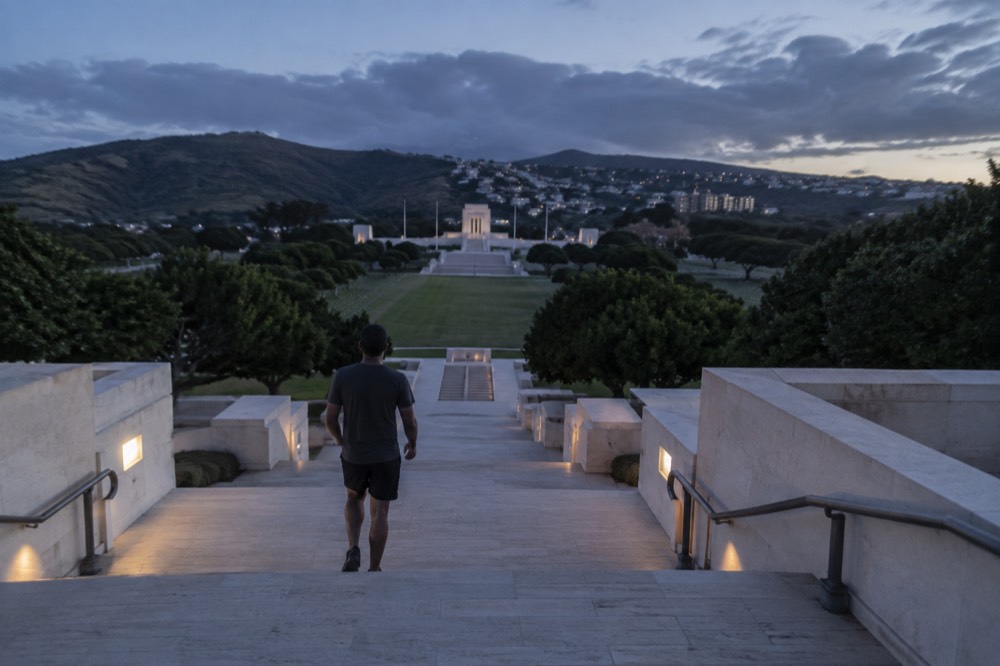
The cemetery's central features are the memorial structure at the crater's head wall, with its maps and galleries commemorating Pacific campaigns and those lost in them, and the terraced rows of grave markers sweeping up the bowl's inner slopes. From the upper drives there are views across the cemetery to the Koʻolau range. Expect a quiet, walkable site rather than a museum.
The memorial itself carries commemorative maps of the Pacific theatre, and the names and campaigns it records are the reason many visitors come: families tracing relatives, veterans, and travellers who want to understand what the Pacific war cost. The cemetery buries service members and veterans across several generations of American conflicts, and the arrangement of the graves up the crater walls is the visual signature of the place.
Walk the main drive slowly. The scale becomes clear only from the middle of the bowl, where the rows curve away in both directions and the crater rim closes the sky. The Honolulu side of the rim frames the city below, which is the source of the "viewpoint" reputation, and it is a fine view, but the cemetery is not a lookout and should not be treated as one.
Photography deserves a specific word. Personal, quiet photography of the grounds is a normal part of a visit, but the site is a burial ground with funeral activity on any given day, and the rule that matters is simple: photograph places, not people, and never photograph a service or a grieving family. If a funeral is underway, keep your distance or come back later.
How Long Should You Plan For, And When Should You Go?
Most visitors spend 45 minutes to an hour at Punchbowl, which covers the memorial, the main drives and a slow loop of the lower cemetery. Add another 30 minutes if you want to walk to the upper terraces or trace a specific grave. Mornings are the standard choice for cooler air and clearer views, and the crater is a short detour from downtown Honolulu, so it slots easily before or after a Pearl Harbor morning or a city walk.
Timing on Oʻahu is usually a weather question, and here the island's rainfall geography matters. The crater sits just inland of the leeward Honolulu side, where the airport weather station records an annual normal of 16.41 inches of rain, the driest measurement on the island. Five miles away in Mānoa, the Lyon Arboretum station records 150.96 inches. Punchbowl lives on the dry side of that divide, so rain is a smaller risk here than for a Mānoa Falls hike, though the Koʻolau slopes behind the crater catch their own weather.
The other timing factor is heat. The crater floor has limited shade, the climb from the lower drives to the upper terraces is steady rather than brutal, and Honolulu's midday sun is the real obstacle. Go early, bring water, and treat the walk as a gentle one.
What Are The Rules And Etiquette At Punchbowl?
The cemetery expects quiet behaviour, modest dress appropriate to a place of burial, pets kept out of the burial areas, and no picnicking, lounging or recreational activity on the grounds. Drones are prohibited, and photography must not disturb services or visitors. It is an active national cemetery, so funerals occur on ordinary weekdays, and the respectful response is to keep your distance and lower your voice. None of this is onerous; it is ordinary cemetery conduct.
A few of these deserve expansion because they catch visitors out. Drones are prohibited at Hawaii state parks without a written permit and are prohibited at federal memorial sites, and the view from the rim is exactly the shot drone operators want, so the rule is worth stating plainly: do not fly one here. The cemetery's setting is spectacular, and that is precisely why the conduct rules exist.
Children are welcome and families do visit, but this is a place for walking and talking quietly, not running. If you are travelling with kids, frame it before you arrive as a place where people are buried and quiet voices are the expectation. Many families find the crater's story a meaningful part of a Hawaii trip that also includes Pearl Harbor.
The site's own published visitor information is the authority on current hours and any temporary closures, and this guide points you there rather than restating details that change. Check the official cemetery page the week you travel, the same habit this site recommends for any Oʻahu stop.
Is The Punchbowl Cemetery Worth The Trip?
For most visitors with half a day in Honolulu, yes. The crater is free, quick to visit, unlike anything else on the island, and it puts the cost of the Pacific war in physical terms that no museum case quite manages. It is worth the trip for travellers with any connection to military history, for anyone already visiting Pearl Harbor, and for visitors who want a quiet hour above the city.
It is skippable only if your itinerary is purely beach and luau.
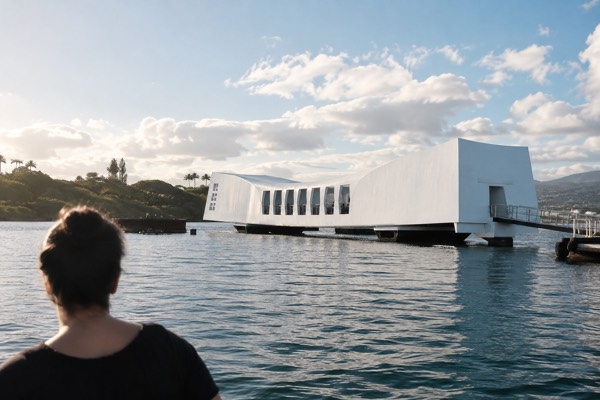
Punchbowl completes the Pearl Harbor story. At Pearl Harbor National Memorial you stand at the water where the war began for the United States in the Pacific; at Punchbowl you stand among a measure of what it cost. Visitors who do both almost always say the pairing changed how they understood each site. The USS Arizona Memorial is a war grave where 1,102 sailors and Marines remain in the ship, and it demands the same restraint; Punchbowl extends that same seriousness across a whole crater.
It is also simply a beautiful place, and there is no contradiction in saying so. The grounds are immaculate, the planting is deliberate, and the setting inside an extinct volcano is unique among American national cemeteries. Beauty and solemnity coexist here by design.
| Visitor type | Worth it? | Why |
|---|---|---|
| First-time visitor with a Pearl Harbor day planned | Yes | Completes the historical arc; 45 minutes well spent |
| Traveller with a family military connection | Absolutely | The memorial galleries and grave locations carry personal weight |
| Beach-and-luau-only itinerary | Optional | A short, free detour if you have a spare hour downtown |
| Cruise passenger with one day | Only if time allows | Downtown and Pearl Harbor outrank it on a tight clock |
| Photographer | With restraint | Shoot the place, never the people, never a service |
How Does Punchbowl Fit With Other Honolulu Stops?
Punchbowl pairs naturally with downtown Honolulu, Chinatown and the Pearl Harbor memorials, all of which sit within a short drive of the crater. A realistic morning is the cemetery first, then downtown and ʻIolani Palace, then the drive west to Pearl Harbor for an afternoon program. Visitors without a car can do the cemetery and downtown by bus within the $7.50 HOLO daily cap, though the crater's hill makes rideshare the easier option up.
The geography works in your favour. The crater rises directly behind the city centre, so the sequence downhill is natural: leave the cemetery, drop into downtown, and continue from there. Our Pearl Harbor day trip planner covers how to structure the western half of that day, including the fact that the Arizona Memorial program is free but reserved through the federal reservation system, with a $1 per-ticket management fee when reserving online.
One caution on the circle-island habit: Punchbowl is a city stop, not a North Shore stop. Visitors sometimes try to bolt it onto a full circle-island day, which works only if the tour itself includes it. If your circle-island tour does not list the crater, do Punchbowl on a separate downtown morning rather than racing the sunset for it.
For visitors relying on organized transport rather than a rental car, the two most useful products are a hop-on trolley covering Honolulu's sightseeing lines and the full-day circle-island tour that many first-time visitors book.
The trolley option suits visitors staying in Waikīkī who want flexibility: you ride the sightseeing lines on your own schedule and hop off near downtown for the walk or short ride up to the crater. It removes the parking question entirely on a day when you are also doing the city's other stops.
The circle-island day is a different animal: it trades flexibility for coverage, sweeping the island's headline sights in one long loop. Check whether the itinerary you are considering lists the crater before you count on it, since not every loop climbs the hill.
If you are still weighing how to spend your remaining days on the island, these three options cover the spread of ways to see Oʻahu without driving it yourself.
Common Questions About The Punchbowl Cemetery On Oʻahu
Most questions about visiting Punchbowl come down to four things: it costs nothing and needs no booking, it takes under an hour to see properly, it sits a short drive above downtown Honolulu with no rail station nearby, and it demands quiet, respectful conduct as an active burial ground. Check the cemetery's official page for current hours before you go, since opening times are the one detail this guide deliberately does not restate.
Is the Punchbowl cemetery free to visit?
Yes. There is no admission charge, no ticket and no reservation required for the National Memorial Cemetery of the Pacific during public hours. The only cost is transport to the crater.
How long does a visit to Punchbowl take?
Plan 45 minutes to an hour for the memorial, the main drives and a slow loop of the lower cemetery. Add 30 minutes for the upper terraces or to locate a specific grave.
Can you walk to Punchbowl from downtown Honolulu?
You can, but it is a sustained uphill walk through residential streets, and most visitors drive, take a rideshare or ride TheBus. The crater has no Skyline rail station.
Is Punchbowl appropriate for children?
Families do visit, and the grounds are safe, but it is a working cemetery where quiet voices and walking, not running, are the expectation. Frame it for kids before you arrive.
Can you take photos at the National Memorial Cemetery of the Pacific?
Quiet personal photography of the grounds is normal, but do not photograph funerals, grieving families or individual services, and do not fly drones. Photograph the place, never the people.
What is Pūowaina?
Pūowaina is the Hawaiian name of the crater the cemetery occupies. The English nickname "Punchbowl" describes its shape as seen from the harbour; both names refer to the same extinct volcanic crater above downtown Honolulu.
A visit to Punchbowl asks little of you: an hour, no money, and a lowered voice. What it gives back is a piece of Oʻahu that no beach day can, a place where the island's most difficult history is kept quietly, and a view of Honolulu that you earn by arriving with the right intentions.