What Should You Not Miss On Oahu?
A direct, sourced answer on what should you not miss on Oahu, from Pearl Harbor and Diamond Head to the North Shore, with reservation rules and costs that most guides skip.
Oʻahu took 5,679,047 visitors by air in 2025, more than any other Hawaiian island, and most of them squeeze everything into four or five days. The island rewards that pressure surprisingly well. You can stand above a war grave in the morning, hike a crater before lunch, and watch winter surf break on the North Shore by late afternoon, all without ever driving more than an hour between stops. The honest answer to what should you not miss on Oahu is a short list, not a long one, and this page walks through it with the reservation rules and closure days attached.
What Should You Not Miss On Oahu?
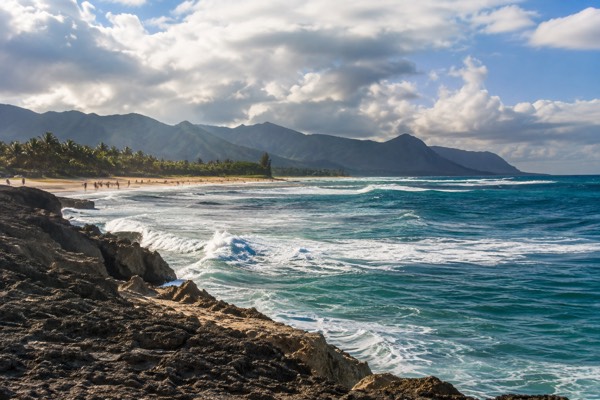
The five things most first-time visitors should not miss on Oʻahu are the USS Arizona Memorial at Pearl Harbor, the Diamond Head hike, Hanauma Bay snorkelling, the North Shore towns and beaches, and a lūʻau with real cultural weight. Each one anchors a different side of the island, so the list doubles as a route. Three of the five need a reservation or advance planning, and one, the Arizona Memorial, is free but ticketed.
That list is deliberately short. Oʻahu has dozens of worthwhile stops, and the temptation on a first trip is to try for all of them. What actually happens is that you spend your week in traffic on a two-lane highway and see nothing properly. Pick the anchors first, book them, then fill the gaps with whatever is nearby.
The anchors also sort by geography. Pearl Harbor and Diamond Head sit at the island's south edge near Honolulu and Waikīkī. Hanauma Bay faces east, close enough to town for a half morning. The North Shore is the long drive, best given a full day, and the windward coast with Kailua and Kāneʻohe sits between them. A circle-island day tour solves the geography problem in one move, and it is the single most booked tour on the island for exactly that reason.
If you would rather plan the loop yourself, our full things to do in Oahu page is the complete index, and the rest of this article goes stop by stop through the essentials.
Is Pearl Harbor Worth The Half Day It Takes?
Yes, and the USS Arizona Memorial program is free, which most visitors do not expect. Entry to Pearl Harbor National Memorial costs nothing, and the 45-minute boat program to the Arizona Memorial is free as well, though reserving on recreation.gov adds a $1 non-refundable management fee per ticket. Parking runs $7 per day, and bags of any kind are prohibited inside.
The memorial is a war grave. 1,102 sailors and Marines remain in the ship below the white structure spanning it, and the National Park Service runs the program with that fact at its centre. The shrine room at the far end is a place of silence, and the ranger narration on the boat ride out sets the tone before you arrive. Treat the visit the way you would a cemetery, because that is what it is.
The practical trap is the ticket. Walk-up tickets exist but are limited, and same-day availability in peak season is unreliable. Reserving on recreation.gov in advance costs one dollar per ticket and removes the risk. The other trap is the bag policy, which the park enforces strictly: backpacks, purses and camera bags are all prohibited, and storage near the entrance carries a small fee the park does not publish a price for. Travel light and the problem disappears.
Pearl Harbor is bigger than the Arizona. The USS Missouri, the battleship on which the Second World War ended, is moored nearby as a separate paid museum, and the USS Bowfin submarine sits between the two. Families with a full day can do all three; visitors with half a day should do the Arizona program and the free museum galleries, then move on. Our Pearl Harbor and USS Arizona Memorial guide covers ticket strategy in detail.
What Are The Best Free Things Not To Miss On Oahu?
Several of Oʻahu's genuinely essential experiences cost nothing: the Diamond Head crater hike for Hawaii residents, the Mānoa Falls rainforest trail, the Kailua and Lanikai beaches, and simply walking Waikīkī Beach at sunrise. The catch is that free does not mean unregulated. Diamond Head requires a paid reservation for non-residents, Lanikai has no public parking lot at all, and Hanauma Bay charges non-residents $25 plus an online service fee.
Free, in other words, has a kamaʻāina dimension. Hawaii residents enter Diamond Head free with a state ID and walk into Hanauma Bay without a reservation; visitors pay and book. That is a deliberate policy, not an accident, and it shapes how a budget trip works here.
The free list is still strong. Waikīkī Beach itself is a public beach with no gate and no fee, and the stretch in front of the Queen Kapiʻolani side is calm enough for weak swimmers most mornings. The Kapiʻolani Park green space beside it hosts weekend events. The Honolulu Museum of Art's Spalding House grounds and the Foster Botanical Garden both charge small fees, but the walking loop through downtown Honolulu's historic district, including ʻIolani Palace's exterior, costs nothing and rewards an hour.
Here is the honest shortlist of what to skip even though it appears on every list: the Dole Plantation maze, if your time is short, and any "secret spot" framing for Lanikai. Lanikai is a residential street with no legal parking for visitors and residents who are past their limit with tour traffic. Go to Kailua Beach Park instead, which has a real lot, showers and calmer water.
Which Natural Landmarks Should Not Be Missed?
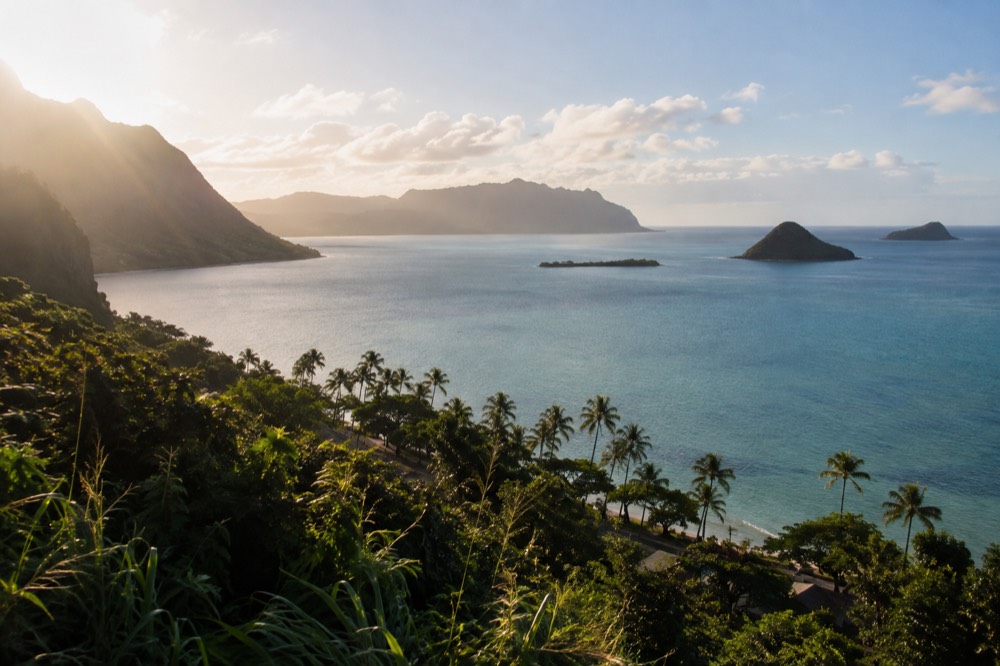
Diamond Head, the Mānoa Falls trail, Hanauma Bay and the Kailua windward coast are the four natural landmarks that define Oʻahu, and each has a specific rule attached. Diamond Head costs $5 per non-resident plus $10 to park, card only, with reservations required since May 2022. Hanauma Bay's reservation system opens two days ahead at 7 a.m. HST and the bay closes Mondays and Tuesdays.
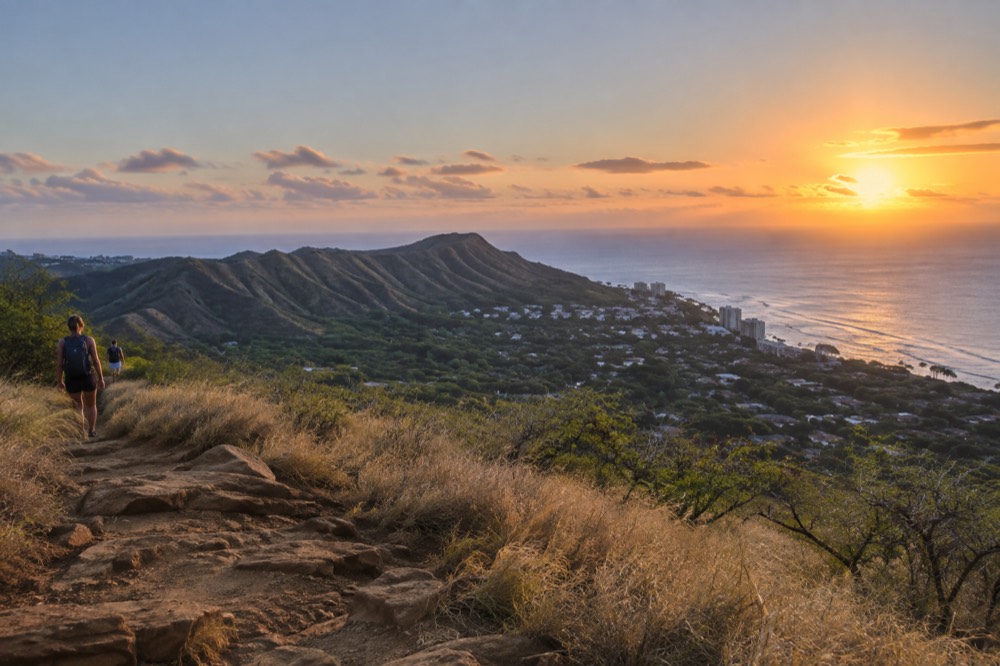
Diamond Head, or Lēʻahi in Hawaiian, is the extinct crater on Waikīkī's eastern edge, and the 1.6-kilometre trail to the summit is the island's most walked path for good reason. The last section climbs stairs through a military tunnel built into the rim, and the view from the top takes in the whole south shore. Reservations are mandatory for non-residents, for both entry and parking, with no on-site sales, and the system accepts bookings up to 30 days ahead. Arrive for the first entry slot at 6 a.m. and you share the summit with a fraction of the crowd. Other pages covering the same trip are gathered on Oahu Travel Guide.
Hanauma Bay is the island's best snorkelling from shore, a curved reef crater sheltered from open swell, and its rules are strict because the reef has been damaged by decades of overuse. The reservation window is the detail: slots open exactly two days ahead at 7 a.m. HST, so Wednesday's slots appear Monday morning and go fast. All visitors must watch the mandatory orientation video before entering, everyone is out by 4 p.m., and children 12 and under enter free.
The rainforest contrast is the fact most guides miss. Honolulu airport, on the leeward side, records an annual normal of 16.41 inches of rain. The Lyon Arboretum station in Mānoa valley, about five miles from Waikīkī, records 150.96 inches. Every single month in Mānoa is wetter than the airport's wettest month. That is why the Mānoa Falls trail feels like a different country from the beach, and why you should check the weather for the valley rather than for your hotel.
Here is the whole reservation picture in one place:
| Essential stop | Reservation rule | Cost for non-residents | Closed days |
|---|---|---|---|
| USS Arizona Memorial | Free ticket on recreation.gov, $1 fee per booking | Free program, $7 per day parking | Thanksgiving, Christmas, New Year's |
| Diamond Head (Lēʻahi) | Required for entry and parking, up to 30 days ahead | $5 per person, $10 per vehicle, card only | Christmas, New Year's |
| Hanauma Bay | Opens 2 days ahead at 7 a.m. HST | $25 plus 2.35% online fee, 12 and under free | Mondays, Tuesdays, Dec 25, Jan 1 |
| Mānoa Falls trail | None, but parking lot is private and charges | Trail free, parking fee at the lot | None stated |
| North Shore beaches | None | Free | None |
What About Food And Local Culture?
Do not leave Oʻahu without plate lunch, shave ice from a North Shore institution, fresh poke from a local counter, and one lūʻau chosen for its cultural content rather than its buffet size. The food here is a genuine creole of Hawaiian, Japanese, Filipino, Portuguese, Korean and Chinese traditions, and the best version of it sits far from Waikīkī's hotel restaurants.
The plate lunch, two scoops of rice and macaroni salad beside a protein like kalua pork or chicken katsu, is the island's working lunch, and the versions served from trucks and strip-mall counters beat the hotel versions on price and authenticity alike. Poke, cubed raw tuna seasoned with shoyu and sesame, was born here. Shave ice, not a snow cone, is the North Shore's signature, and Haleʻiwa's stands have been serving it since long before it became a photo subject.
On lūʻau, the honest distinction is between shows built for volume and programs built around content. The Mauka Warriors Luau frames its evening around Polynesian military history and fire-knife performance; Toa Luau sits inside Waimea Valley, so your evening includes the botanical garden; the Polynesian Cultural Center runs the biggest production on the island as part of a full-day experience. Our best luau on Oahu comparison breaks down seating, food and show style side by side.
One cultural note that matters: Hawaiian means a person of Native Hawaiian ancestry. Everyone else who lives here is a local or a Hawaii resident. And the words aloha and mahalo carry real weight, so use them where they belong rather than as decoration. Our best food on Oahu guide maps the food stops by neighbourhood if you want the full eating tour.
Do You Need A Tour To See The Highlights?
No, but a circle-island tour is the efficient choice if you have three days or fewer, because it compresses the North Shore, the windward coast and the central sights into one guided loop with the driving and parking handled for you. With five days or more, a rental car plus your own reservations beats any tour on flexibility.
The middle option is a half-day guided tour for the stop that benefits most from context, which on Oʻahu means Pearl Harbor.
The math is simple. The island's highlights ring the coast, and a full-day loop hits them in sequence. Doing the same loop yourself means parking at every stop, which on the North Shore in winter means circling blocks, and it means you drive the same road back that you came out on. A tour driver does that work while you look out the window.
For the independent traveller, the reservation calendar is the real constraint. Book Diamond Head for an early slot, book Hanauma Bay the instant its window opens, reserve the Arizona program on recreation.gov, and leave the North Shore day loose because it needs no tickets, only patience with traffic. TheBus and the Skyline rail share a fare system, $3.25 cash for a single bus ride or a $7.50 daily cap on a HOLO card, and the rail now reaches the airport, though there is no Waikīkī station and a transfer is required.
Here is how the two approaches compare:
| Approach | Best for | Main cost | Main constraint |
|---|---|---|---|
| Rental car, self-planned | Five days or more | Rental plus parking | You handle every reservation and parking hunt |
| Full-day circle-island tour | Three days or fewer | Tour ticket per person | Fixed route and schedule |
| TheBus and Skyline only | Budget trips, city sights | $7.50 daily cap on a HOLO card | No Waikīkī rail station, limited reach to the North Shore |
If one guided day appeals, the most-booked option on the island is the full-day circle island tour, which covers Haleʻiwa town and the North Shore with the driving handled.
For travellers who want the deeper version, a longer circle-island route that includes the Byodo-In Temple on the windward side fills in the one gap the standard loop leaves, and a multi-attraction pass can cut costs if your list runs long.
If your list of paid stops is running long, book an attraction pass here.
What Should You Skip To Make Room For The Essentials?
Skip the Dole Plantation maze on a short trip, skip any paid snorkel boat on a day when Hanauma Bay is open, skip the crowded midday Diamond Head slot, and skip driving to Lanikai when Kailua Beach Park is two minutes away with actual parking. The island's real constraint is hours, not dollars, and every skip on this list buys back half a day for something that matters more.
The Dole maze is a pleasant enough way to spend an hour in the middle of the island, but it sits far from everything else on this list and consumes a morning. The plantation's historical exhibits are worth a stop only if you are already driving past on the way to the North Shore.
Midday Diamond Head is a genuine skip. The trail's shade is minimal, the crater floor holds heat, and the summit platform is shoulder to shoulder between 10 a.m. and 2 p.m. The first slot at 6 a.m. and the last entry at 4:30 p.m. bracket the comfortable windows. Our Diamond Head State Monument guide has the reservation walkthrough.
Finally, skip the instinct to photograph everything. The Arizona Memorial's shrine room, the heiau above Waimea Bay, and the valley trails are places where the experience is the point. Put the phone down at the memorial; that one is not a style suggestion.
Common Questions About What Not To Miss On Oahu
Most questions about what not to miss on Oʻahu come down to three things: time, reservations and geography. Time, because five days is the honest minimum for the essentials and three days forces real choices. Reservations, because Diamond Head, Hanauma Bay and the Arizona program all require advance booking. Geography, because the highlights ring the coast and a sensible route runs one direction rather than zig-zagging.
What should you not miss on Oahu?
The USS Arizona Memorial at Pearl Harbor, the Diamond Head summit hike, Hanauma Bay snorkelling, the North Shore including Haleʻiwa town and its beaches, and one culturally substantive lūʻau. Those five cover the island's history, its landscape, its ocean and its living culture, and three of them need advance reservations.
How many days do you need for the essentials?
Five comfortable days, or three if you book a circle-island tour to compress the driving. One day for Pearl Harbor and Honolulu, one for Diamond Head and Waikīkī, one for Hanauma Bay and the east end, one full day for the North Shore, and one for the windward coast and a lūʻau evening.
What needs to be booked in advance?
Three things: the USS Arizona Memorial program on recreation.gov, which is free plus a $1 management fee per ticket; Diamond Head entry and parking for non-residents, bookable up to 30 days ahead; and Hanauma Bay, whose slots open exactly two days ahead at 7 a.m. HST. Everything else on the essentials list can be arranged on the spot.
Is the North Shore worth the drive?
Yes, as a full day. The North Shore in winter carries the world's most famous big-wave surf, and in summer its beaches flatten into swimming coves. Haleʻiwa town, the shrimp trucks and the beaches between Waimea and Sunset are the payoff, and the drive is the cost. Do not attempt it as a half-day round trip in peak traffic.
Can you see the highlights without a car?
Partly. TheBus and Skyline reach Pearl Harbor, downtown and Kailua on a shared fare with a $7.50 daily cap, and tours cover the circle-island loop. But the North Shore day and the windward coast are far easier with a car or a seat on a tour bus, and there is no Skyline station in Waikīkī, so every rail trip starts with a bus transfer.
What is the single biggest planning mistake?
Leaving reservations until you arrive. The Arizona program, Diamond Head and Hanauma Bay all run on advance systems, and in high season a visitor who books on day one of the trip often finds the earliest available slots on day four. Book the ticketed essentials before you fly, then let the rest of the itinerary flex around them.
The short version: book the three ticketed things, give the North Shore a full day, pick one lūʻau for its content rather than its buffet, and leave enough unstructured time that the island can surprise you, which it reliably does.