What Is The Best Coffee In Oahu?
A direct, honest answer to what the best coffee in Oahu is, how to judge a cup, where the island's coffee actually comes from, and how to plan a coffee day around tastings and farm stops.
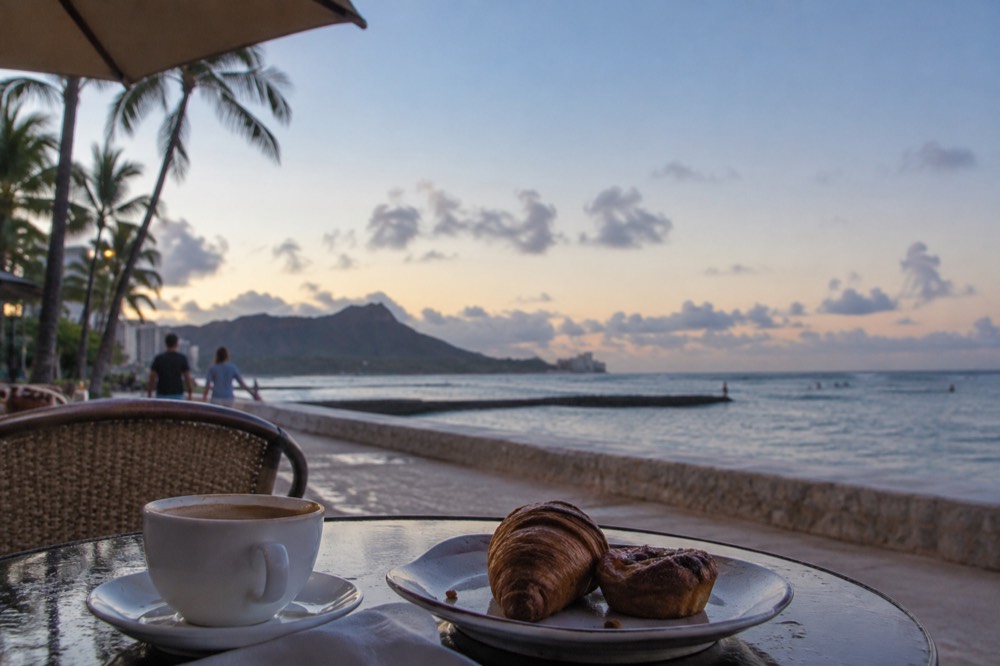
There is no single best coffee in Oahu, and any page that crowns one winner is guessing. The island serves several different coffee drinkers at once: the visitor who wants to taste Hawaiian-grown beans at the source, the espresso drinker staying in Waikīkī who wants a good flat white within walking distance, and the budget traveller who just needs a decent cup before a 6 a.m. shuttle. The best coffee in Oahu is whichever of those you actually are, and this page sorts the question the same way. The full rundown of roasters, cafes and growing regions lives in our best coffee on Oahu guide, and this page answers the question directly first, then shows you how to judge a cup yourself and how to plan a day around it.
What Is The Best Coffee In Oahu?
The best coffee in Oahu is a category match, not one cafe. For Hawaiian-grown coffee, buy whole beans from an island roaster rather than pre-brewed. For a cafe experience, the strongest espresso bars cluster in and around Waikīkī and downtown Honolulu. For value, hotel-adjacent coffee is the weakest of the three and worth walking a few blocks to escape.
That is the direct answer, but it deserves unpacking, because most of the confusion around this question comes from mixing up three different products that all get called "Hawaiian coffee."
The first product is coffee grown in Hawaiʻi. The state is the only place in the United States with commercial coffee farming, and the name most visitors know, Kona, refers to a growing region on the leeward slopes of Hawaiʻi Island, not Oʻahu. Oʻahu has its own growing areas, and the general character of island coffee, mild acidity and a smooth body, is shaped by the same tropical conditions. When a bag says "Hawaiian" without naming a region, treat it the way you would treat a wine labelled only by country: it sets a floor, not a ceiling.
The second product is the cafe scene. Honolulu has real espresso culture, and the standard is higher than the resort strip suggests. A latte three blocks from the beach is often better than the one in your hotel lobby, and cheaper. The third product is the souvenir bag, the flavoured or gift-tinned coffee sold in airport shops and hotel gift counters, which is usually the weakest of the three and rarely the thing people mean when they ask this question.
Where Does Oahu Coffee Actually Come From?
Coffee on Oahu comes from farms on the island itself plus beans shipped in from the other islands, and the label tells you which. Coffee grown on Oʻahu is real and commercially farmed. Coffee labelled Kona is grown on Hawaiʻi Island, a short interisland flight away. Read for the growing region and the roast date rather than the picture on the front of the bag.
Two things matter on the bag more than anything else: where the bean was grown, and when it was roasted. Whole beans roasted recently, meaning within a few weeks, will taste noticeably better than pre-ground coffee of unknown age, and this is true regardless of origin. A freshly roasted Oʻahu-grown bean and a freshly roasted Kona bean are both worth your money; a stale bag of either is not.
The climate story is part of why island coffee tastes the way it does, and it is one of the genuinely surprising facts about this island. The leeward side around Honolulu airport receives a normal of about 16 inches of rain a year, while the Mānoa valley five miles from Waikīkī receives about 151 inches, per the NOAA 1991 to 2020 climate normals. That is more than nine times the rain across a few miles of city. Coffee growing anywhere in the world is a story of elevation, rainfall and shade, and on a small island those variables change faster than almost anywhere else, which is why growing regions matter here even at short distances.
For tasting your way through what the island offers, a guided loop saves a lot of driving. The circle island tour runs the full coast road in a day, and the operator's live listing carries current pricing and departure times.
How Do You Judge A Good Cup Of Coffee On Oahu?
Order a black coffee or an americano first, taste it before adding anything, and judge four things: sweetness, bitterness, sourness and body. A good cup should taste pleasantly sweet or fruity without sugar, carry bitterness without tasting burnt, and avoid a sharp sour edge that signals under-extraction. Then order your usual drink. Judging on the plain cup tells you whether the cafe is skilled or just well located, and it costs you nothing but one sip.
The reason to taste black coffee first is that milk and syrup hide most of what distinguishes a good cafe from a mediocre one. If the plain cup tastes clean and sweet, the flavoured drinks will be built on something worth drinking. If it tastes burnt or thin, no amount of macadamia syrup fixes it.
| What you taste | What it usually means | What to do |
|---|---|---|
| Sweet, mild, a little fruity | Good beans, good extraction | Buy a bag of these beans |
| Burnt, ashy, lingering bitterness | Dark roast or stale beans, or a dirty machine | Skip the espresso drinks here |
| Sharp, sour, thin | Under-extracted, rushed shot or weak brew | Try again with a different order or leave |
| Flat, papery, no aroma | Pre-ground or long-past roast date | Do not buy the retail bag |
| Smooth, heavy, chocolatey | A well-pulled shot with fresh beans | This cafe passes the test |
One practical note for your tasting day: get around cheaply. TheBus and the Skyline rail share one fare structure, with an adult cash bus ride at $3.25, a HOLO card day cap of $7.50, and a monthly cap of $90, per the City and County of Honolulu's transit fares page. Tapping a HOLO card also buys two hours of unlimited transfers. A coffee crawl across Honolulu is entirely doable by bus, and parking in the city is the thing most likely to ruin it.
Can You Visit A Coffee Farm Or Tasting On Oahu?
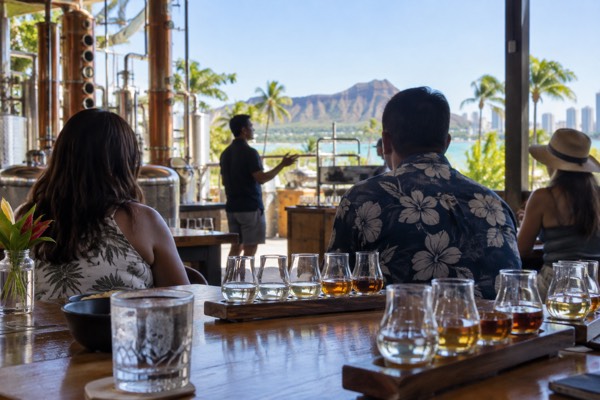
Yes, coffee tastings and farm-adjacent stops are available on Oʻahu, and the easiest versions are tasting counters and shops rather than full farm tours. Some growing and processing operations on the island welcome visitors for tastings, and several Honolulu roasters and cafes pour their own and neighbour-island beans side by side. Book ahead for anything on the North Shore or in the central plain, because the big island-loop tours absorb a lot of daily capacity.
The distinction to understand before you plan: a tasting is a counter experience, you try coffees and buy beans, while a farm tour walks you through growing and processing. Tastings are shorter, cheaper and easier to fit around other plans. If your trip is short and you are choosing between a dedicated coffee stop and a general island day, the general day usually wins, because a good circle-island route passes through the island's agricultural country anyway and you can buy beans at stops along the way.
If you are pairing coffee with produce generally, our farmers markets on Oahu guide covers where fresh local goods concentrate, and many markets have coffee vendors pouring samples, which is the lowest-commitment tasting on the island.
What Should You Order In A Waikīkī Cafe?
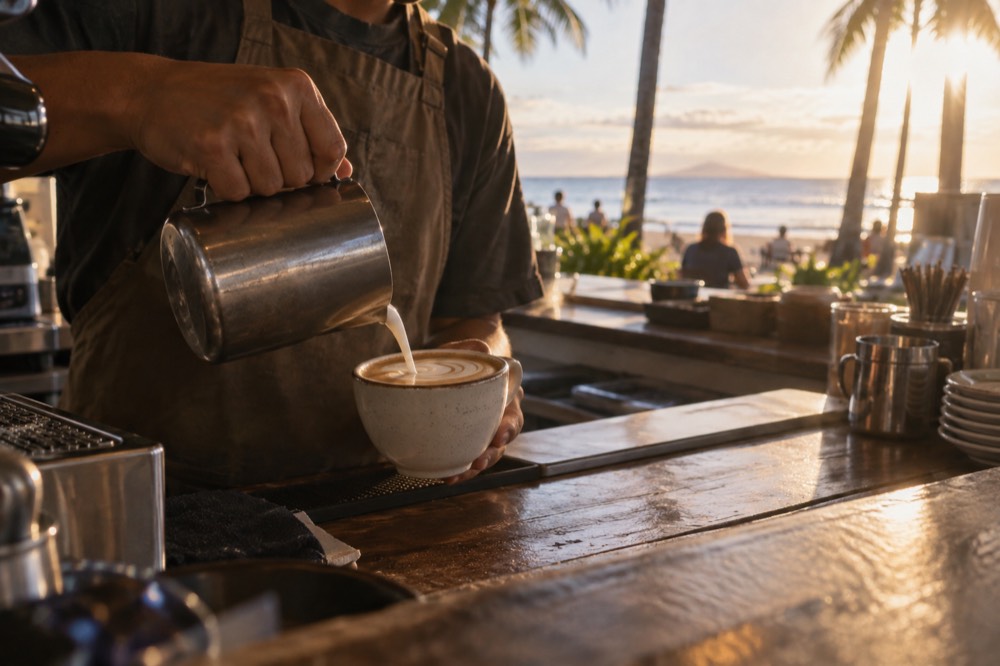
Order what you actually enjoy, with one upgrade and one downgrade. The upgrade: ask for Hawaiian-grown beans by name, since many cafes stock both island-grown and imported beans and will use the good bag if you ask. The downgrade: skip anything built mainly on flavoured syrup, the most expensive way to taste the least coffee. Between those two moves, a standard latte in Waikīkī becomes the best cup most visitors ever have here.
Waikīkī cafe prices run high relative to the rest of the island, and the premium buys the address, not the beans. The same rules of thumb apply as anywhere: beans roasted recently, a barista who can tell you the origin, and a shop that grinds to order. Our Waikīkī neighborhood guide maps the area if you are working out how far your hotel is from the better cafes.
A useful habit for the whole trip: buy one bag of whole beans early, on day one or two, and brew in your room if you have a kettle or a drip machine. It gives you a baseline for what island coffee tastes like, it saves you the hotel-lobby markup every morning, and it doubles as a souvenir you will actually finish.
Is Hawaiian Coffee Worth The Price?
Hawaiian-grown coffee costs more than imported commodity coffee because Hawaii has the highest cost of living in the United States and farm labour here is paid accordingly, and the price is real, not a scam. Whether it is worth it depends on the cup: a fresh, properly roasted island-grown bean is a genuinely distinctive product, while a stale gift-shop tin is not. Pay for freshness and named origin, and the premium usually holds up.
You are paying for a place with high costs growing a crop that is expensive to produce anywhere, and doing it under American labour and environmental rules. That is the same reason Hawaiian-grown produce generally costs more, and it is a defensible reason. What is not defensible is paying the same premium for old beans, so the roast date check matters more here than in any other coffee decision you make on the island.
For context on the crowd you are sharing this with: Oʻahu received about 5.68 million visitors by air in calendar 2025, down roughly two percent on 2024, per Hawaii DBEDT's preliminary visitor statistics. Nearly six million people a year pass through a small island's cafe counters, which is why the good roasters sell out of their best bags and why buying early in your trip beats gambling on an airport shop on the way home.
What Is The Best Coffee In Oahu To Bring Home?
The best coffee to bring home from Oahu is a whole-bean bag with a named Hawaiian growing region and a recent roast date, bought directly from a roaster or at a tasting counter rather than an airport shelf. Buy two small bags instead of one large one so one stays sealed and fresh. Grind at home right before brewing, because pre-ground island coffee loses most of what you paid the premium for within days.
This is the part of the question with a genuinely wrong answer available, and it is the airport gift tin. Anything sitting under bright lights in a departures hall has probably been there a while, and coffee is a fresh product. The right answer is the bag you bought on day two, checked the date on, and packed in the middle of your suitcase.
| Buying situation | Likely freshness | Verdict |
|---|---|---|
| Roaster or cafe, roast date on the bag | Days to weeks old | Best option, buy here |
| Tasting counter at a market | Usually recent stock | Good, ask the roast date |
| Hotel gift shop | Unknown, often long-shelf-life stock | Skip |
| Airport duty-free or gift shelf | Oldest, most heat exposure | Skip |
| Grocery, local brands | Varies, check the date printed | Fine if the date is recent |
If you want to turn the coffee question into a full island day, a structured loop covers the agricultural north and the windward coast in one go, and the operator's listing carries the current price and schedule.
How Do You Build A Coffee-Focused Day On Oahu?
Start with an espresso stop near your hotel before 8 a.m., buy your souvenir beans at a roaster mid-morning, then spend the middle of the day on the North Shore or windward side where the growing country is, and finish with a cold brew back in town.
The pattern works because Oʻahu is small enough that a coffee errand and a sightseeing day are the same day, and the best cafe hours and the best sightseeing hours barely overlap.
A sample shape, adjustable to where you are staying:
| Time | Stop | Why it works |
|---|---|---|
| Early morning | Espresso near your hotel | Cafes open before attractions do |
| Mid-morning | Roaster or tasting counter, buy beans | Freshest stock, staff have time to talk |
| Late morning | Head north or windward | Beats the worst of the traffic |
| Midday | North Shore or Kailua for lunch and beach | The growing country is on the way |
| Afternoon | One more tasting or market stop | Stock is still open before evening |
| Evening | Back in town, cold brew or none | Coffee after mid-afternoon cuts into island sleep |
The one thing not to do is build the whole day around a single cafe. Places close, sell out, or have a line, and a trip that hinges on one cup is fragile. Two or three candidate stops, one of which can be a market or a grocery with local brands, makes the day resilient. If you would rather have someone else handle the driving, a pass that bundles multiple attractions lets you add stops without paying each entry separately, and the listing shows what is currently included.
Common Questions About Coffee On Oahu
Most questions about the best coffee in Oahu come down to three things: what the label means, where to buy, and how fresh the bag is. Hawaiian-grown means grown in the state, Kona means a region on Hawaiʻi Island rather than Oʻahu, and freshness, judged by a printed roast date, matters more than any brand name.
The practical answers are to buy beans early rather than at the airport, and yes, island coffee is worth its premium if the roast date is recent.
What is the best coffee in Oahu?
There is no single winner. The best coffee in Oahu is a match between what you want and what the island offers: Hawaiian-grown whole beans from a roaster if you want the local product, a good espresso bar in Waikīkī or downtown if you want a cafe experience, and anything a few blocks off the hotel strip if you want value.
Is Kona coffee from Oahu?
No. Kona is a growing region on the leeward slopes of Hawaiʻi Island, which is a different island from Oʻahu. Coffee sold in Honolulu may be Kona-grown, Oʻahu-grown, or a blend, so the bag's origin line, not the shop's location, tells you what you are buying.
Where should I buy coffee beans to take home?
Buy whole beans directly from a roaster or a tasting counter, early in your trip, with a printed roast date you have checked. Avoid airport shelves and hotel gift shops, where stock sits longest. Two small bags beat one large one, because the second stays sealed and fresh.
Is Hawaiian coffee worth the higher price?
Usually, if it is fresh. Hawaii has the highest cost of living in the United States and farm labour is paid accordingly, which is the honest reason island-grown coffee costs more. A recently roasted, named-origin bag is a distinctive product; a stale tin is not, whatever the label says.
Can I visit a coffee farm on Oahu?
Tastings and farm-adjacent stops exist on the island, with tasting counters being the easiest and most common version. Book ahead for anything in the island's agricultural middle or North Shore, and if your time is short, fold a coffee stop into a general circle-island day rather than making it the whole plan.
What should I order to judge a cafe quickly?
Order a black coffee or an americano and taste it before adding anything. If it is sweet and clean rather than burnt or sour, the cafe is skilled and the fancier drinks will be built on something good. Then order whatever you actually like.
The short version of everything on this page: match the category to what you want, buy whole beans with a recent roast date, taste before you sweeten, and do your shopping on day two rather than at the departure gate. More on how this site researches and prices island recommendations is on the Oahu Travel Guide homepage, and the full cafe and roaster rundown sits in our best coffee on Oahu guide. Brew the good bag the morning you get home, and the trip lasts one more cup longer.